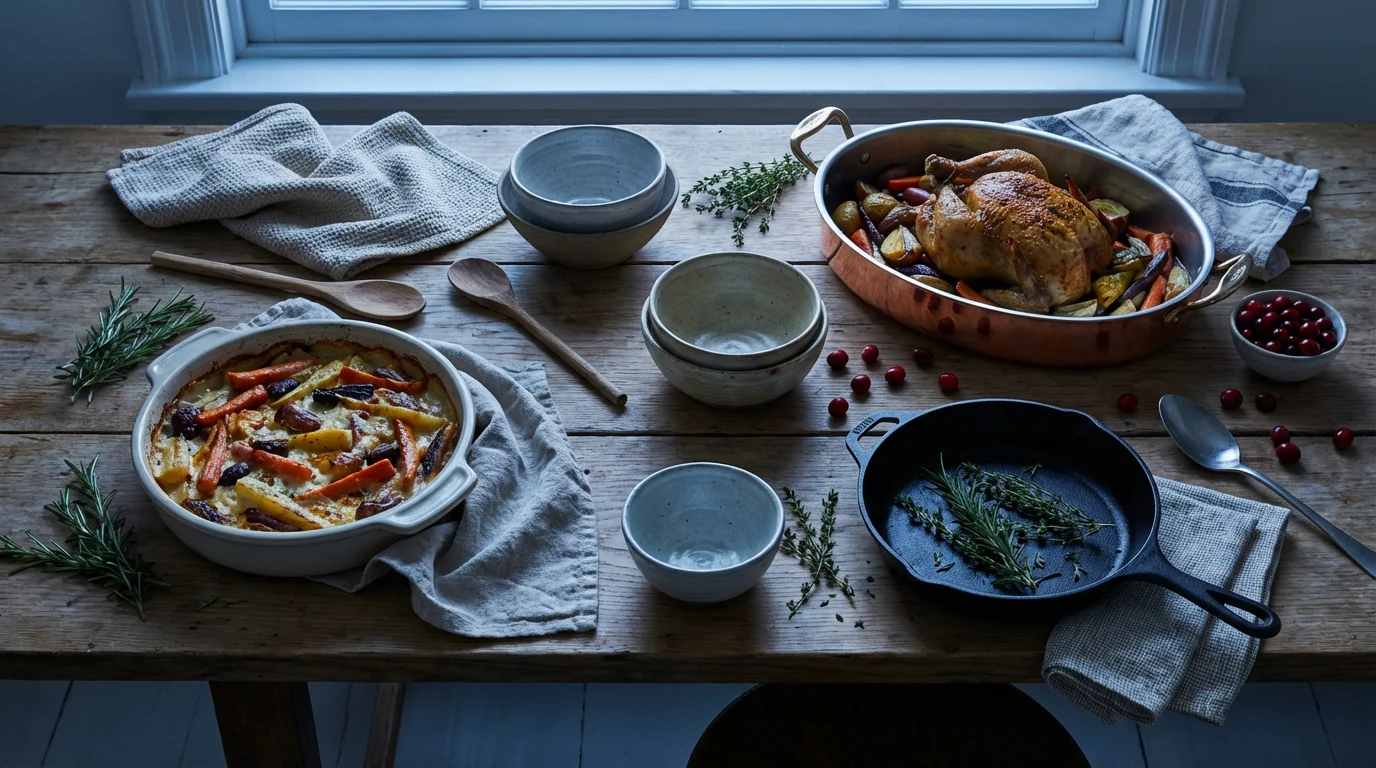
Choosing the right roasting pan can transform your cooking, whether you are preparing a grand holiday turkey or a simple weeknight chicken. This essential piece of cookware often causes confusion for home cooks, who face an array of materials, sizes, and price points. You need a pan that delivers excellent performance for big celebratory meals and also serves you well for everyday tasks, ensuring your roasts cook evenly and clean up is manageable. This guide cuts through the marketing hype to help you understand the core differences in roasting pans and select the best options for your kitchen.
Material Matters: Understanding Your Roasting Pan Options
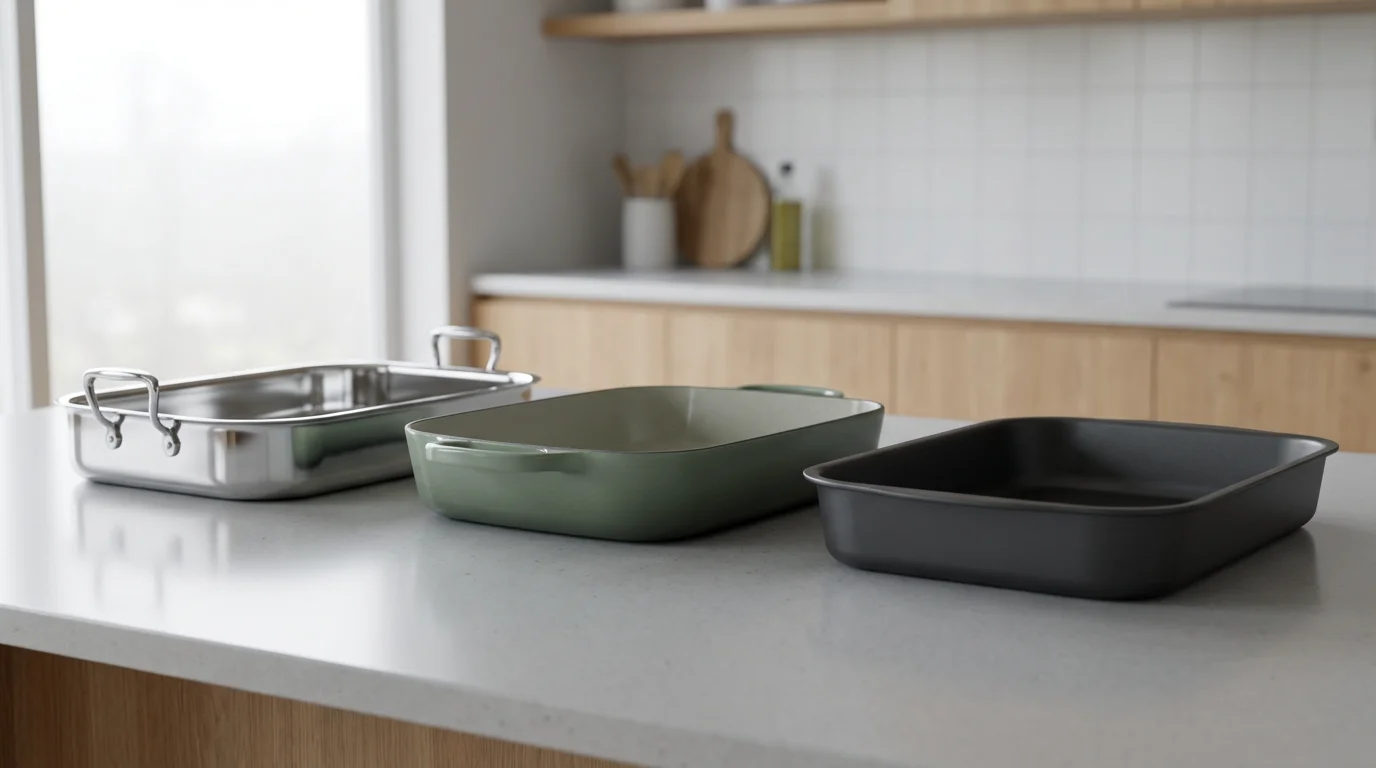
The material of your roasting pan dictates its performance, durability, and even how you clean it. Understanding these differences helps you make an informed choice that matches your cooking style and budget.
Stainless Steel Roasting Pans: The Versatile Workhorse
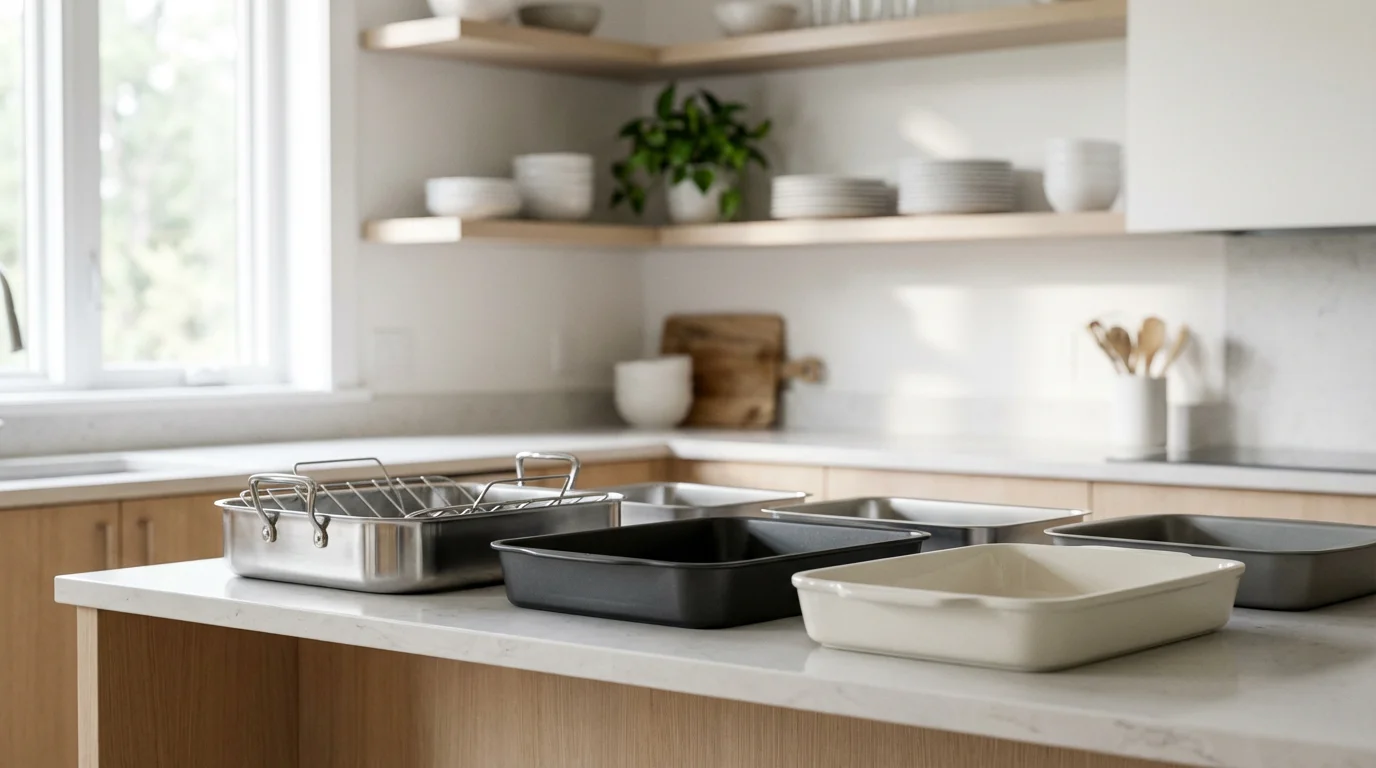
Stainless steel is a popular choice for roasting pans due to its durability and resistance to corrosion. However, pure stainless steel conducts heat poorly. High-quality stainless steel roasting pans are typically “tri-ply” or multi-clad, meaning they feature layers of different metals bonded together. This construction often sandwiches an aluminum or copper core between two layers of stainless steel. This layering significantly improves “heat distribution,” which describes how evenly the pan spreads heat across its surface, preventing hot spots that can burn food.
* **Pros:** Highly durable, non-reactive to acidic foods, easy to clean, can go from stovetop to oven for deglazing, often dishwasher safe. Many are oven-safe to very high temperatures (typically 500-600°F), allowing for versatility.
* **Cons:** Can be expensive, especially for multi-clad options. Food may stick if you do not use enough fat or preheat properly.
* **Best For:** Large holiday roasts like turkeys and hams, sheet pan dinners, making gravies directly in the pan on the stovetop.
* **Key Consideration:** Look for a heavy “gauge” stainless steel, which refers to the thickness of the metal. Lower gauge numbers indicate thicker, more robust material, which often means better heat distribution and durability.
Anodized Aluminum Roasting Pans: Lightweight and Efficient
Anodized aluminum pans undergo an electrochemical process that hardens the aluminum, making it scratch-resistant and non-reactive. This material excels at heat conductivity, ensuring your food cooks evenly. Many anodized aluminum pans also feature a non-stick coating.
* **Pros:** Excellent heat distribution, lighter weight than stainless steel, often more affordable than multi-clad stainless steel. Non-stick versions offer easy food release.
* **Cons:** Not as durable as stainless steel, can warp at very high temperatures, non-stick coatings can degrade over time. Non-stick surfaces make deglazing for gravy more challenging as scraping can damage the coating.
* **Best For:** Everyday roasting of vegetables, chickens, and smaller cuts of meat, where easy cleanup is a priority.
* **Key Consideration:** Always check the “oven-safe” temperature limit for anodized aluminum, especially for non-stick coated versions, as they generally have lower maximum temperatures than stainless steel (often around 400-450°F).
Enameled Cast Iron Roasting Pans (Dutch Ovens): Heavy Duty and Beautiful
While not traditional open roasting pans, large enameled cast iron Dutch ovens can serve as excellent roasters for smaller poultry, pot roasts, and stews. Cast iron offers superb heat retention and even heat distribution once hot. The enamel coating prevents rusting and eliminates the need for “seasoning,” the protective coating built up on bare cast iron through oil and heat.
* **Pros:** Exceptional heat retention, attractive appearance for oven-to-table serving, durable, non-reactive.
* **Cons:** Extremely heavy, high initial cost, typically smaller capacity than traditional roasting pans, can be slow to heat up.
* **Best For:** Smaller roasts, braising, stews, baking bread.
* **Key Consideration:** The weight can be a significant factor, especially when lifting a full pan from the oven.
Carbon Steel Roasting Pans: A Niche, High-Performance Option
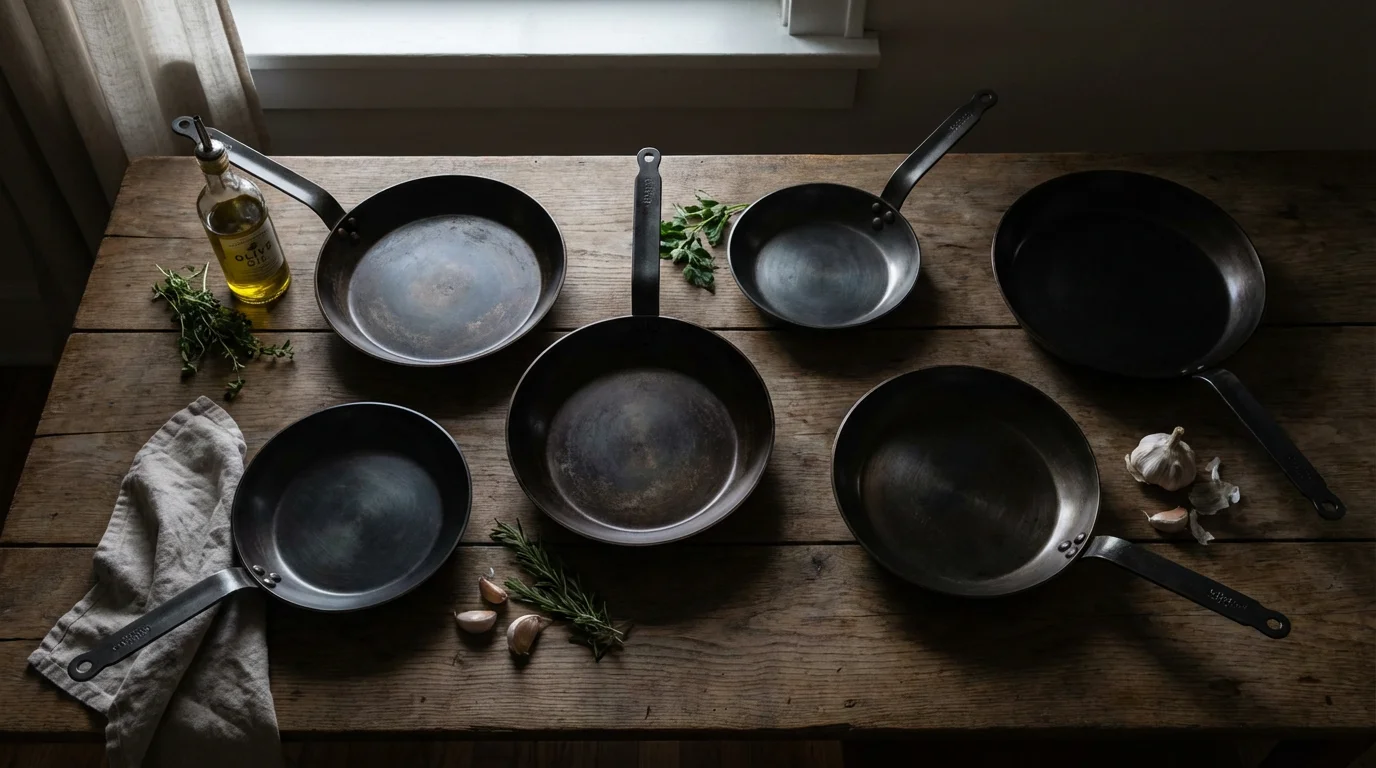
Carbon steel offers many of the benefits of cast iron, including excellent heat retention and durability, but with quicker heating times and a lighter weight. Carbon steel pans require seasoning, similar to cast iron, to build a natural non-stick surface and prevent rust. While less common for large “turkey roaster” sizes, carbon steel baking sheets and smaller roasting pans are gaining popularity for their performance.
* **Pros:** Durable, excellent heat retention, can develop a natural non-stick surface with proper seasoning, lighter than cast iron.
* **Cons:** Requires seasoning and specific care to prevent rust, can be reactive to acidic foods if not well-seasoned, often not dishwasher safe.
* **Best For:** Achieving a deep sear on meats before roasting, roasting vegetables, smaller cuts of meat.
* **Key Consideration:** If you appreciate the maintenance of cast iron, carbon steel offers a similar experience with less bulk.
Roasting Pan Size and Capacity: What You Really Need
The size of your roasting pan directly impacts its utility. A pan too small crowds your roast, leading to steaming instead of browning, while one too large allows pan drippings to burn.
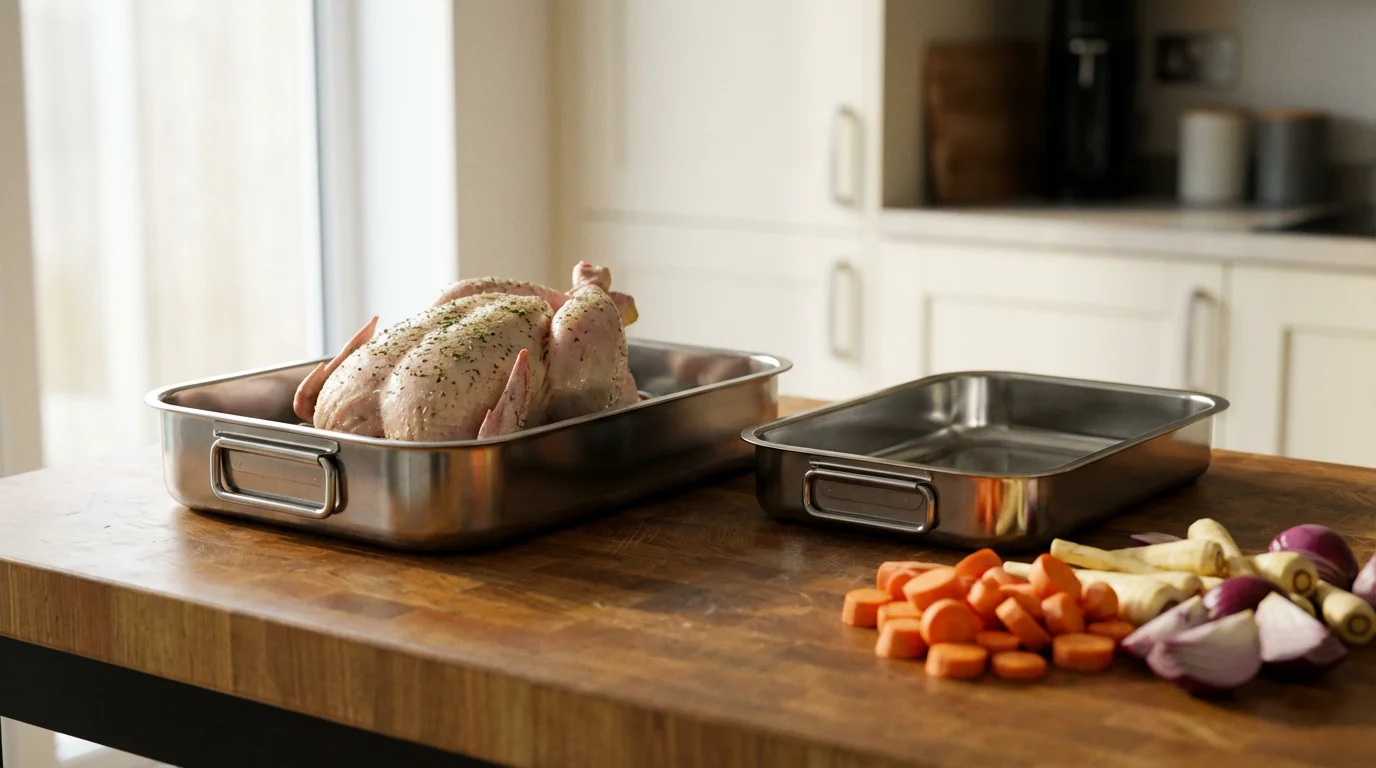
* **Standard Size (16 x 13 inches):** This is the most common and versatile size for a “roasting pan.” It comfortably accommodates a 12-18 pound turkey, a large chicken, a substantial beef roast, or a leg of lamb. This size typically fits within a standard oven without issues. If you primarily cook for 4-8 people and occasionally host larger gatherings, this size works well.
* **Large Capacity (18 x 14 inches or larger):** For those regularly roasting turkeys 20 pounds or larger, or cooking multiple large items simultaneously, a larger pan provides the necessary space. This extra room ensures proper airflow for browning and prevents overcrowding. Before purchasing, measure your oven interior to confirm it fits.
* **Smaller Pans (14 x 10 inches or less):** Ideal for everyday roasting of vegetables, smaller chickens, or pork tenderloins. These are often easier to store and clean, making them a practical choice for smaller households or supplemental use.
For the common question “what size roasting pan for turkey,” a 16 x 13-inch pan is generally sufficient for a turkey up to 18 pounds. For a 20-25 pound turkey, you will want to lean towards the larger 18 x 14-inch pans to ensure adequate space for air circulation and drippings.
The Indispensable Rack: Elevating Your Roasting Game
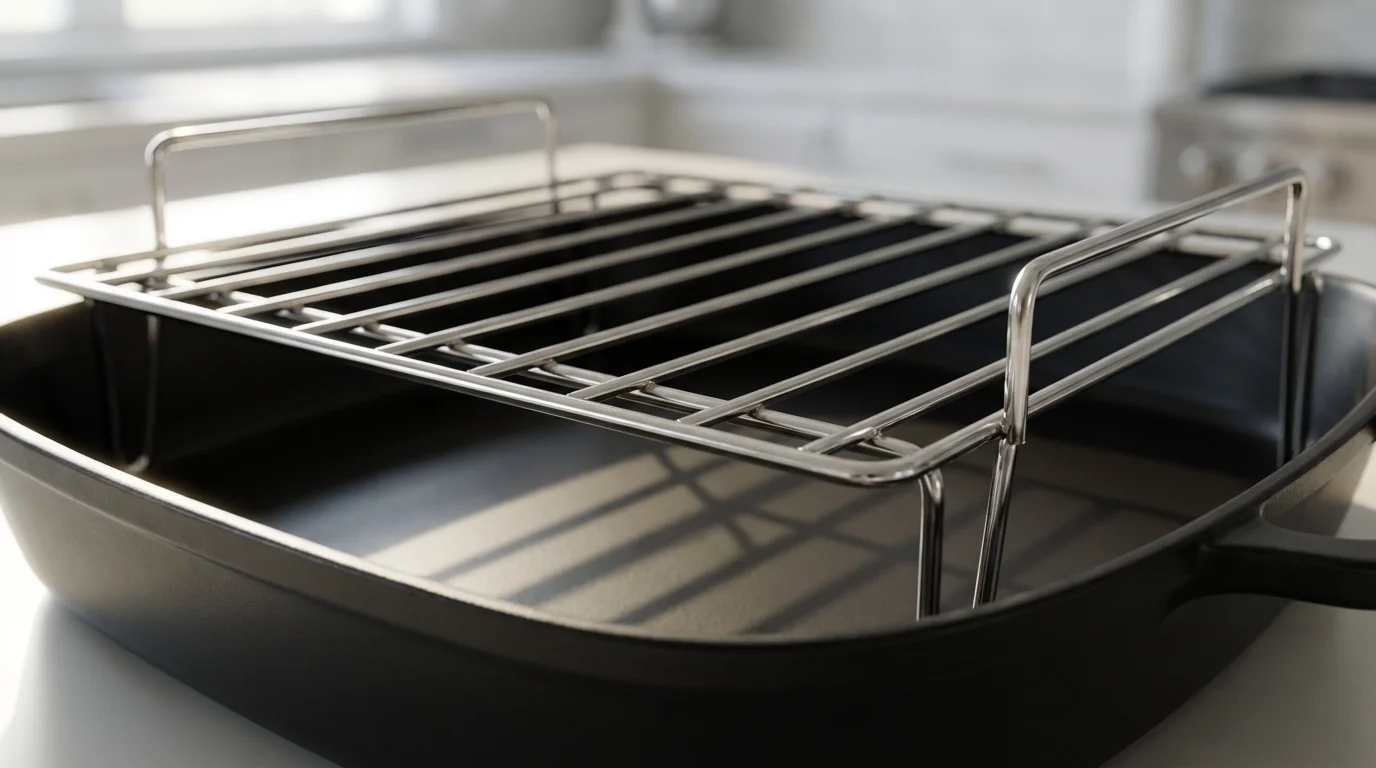
A good roasting rack is not an accessory, it is a crucial component for superior roasting. The “best roasting pan with rack” always includes one for good reason.
**Why a Rack Matters:**
A rack lifts your food off the bottom of the pan, allowing hot air to circulate completely around the roast. This achieves several benefits:
1. **Even Browning:** The bottom of your roast will brown just as beautifully as the top, creating a desirable crisp skin or crust.
2. **Prevents Steaming:** Without a rack, the bottom of the roast sits in its own juices, steaming rather than roasting, resulting in soggy skin or an unappetizing texture.
3. **Better Drippings:** Juices collect cleanly in the pan, making them easier to access for basting and, most importantly, for making a flavorful gravy.
**Types of Racks:**
* **V-Rack:** A V-shaped rack cradles the roast securely, which is especially useful for rounder items like turkeys or chickens, preventing them from rolling.
* **Flat Rack:** A flat rack provides a stable platform for larger, flatter items like prime rib or pork loin. Some flat racks have handles for easy lifting.
* **Materials:** Stainless steel racks are the most durable and easy to clean. Look for sturdy construction that will not bend under the weight of a large roast. Some non-stick racks are available, but their coating can degrade over time.
“A $30 cast iron pan, properly cared for, will outlast a $300 non-stick. Know what you’re paying for. But for a turkey roaster, stainless steel with a sturdy rack is often the best investment for versatility and longevity.” — Professional Chef
Holiday Heavyweights vs. Everyday All-Rounders: Matching Pans to Purpose
Your primary use case should guide your roasting pan purchase. A pan that excels at a 25-pound turkey might be overkill for sheet pan vegetables.
While heavy-duty pans are essential for large birds, casserole dishes are often the preferred choice for family-style sides and more compact roasts.
For the Holiday Heavyweight (Large Roasts and Entertaining)
When you are preparing a Thanksgiving turkey, a Christmas ham, or a substantial prime rib, your roasting pan needs to be robust, capacious, and capable of high heat.
* **Ideal Material:** Heavy-gauge, multi-clad stainless steel. This material withstands high temperatures, is non-reactive, and allows for direct stovetop use to make gravy from the pan drippings. Its durability ensures it will last for decades of holiday meals.
* **Key Features:**
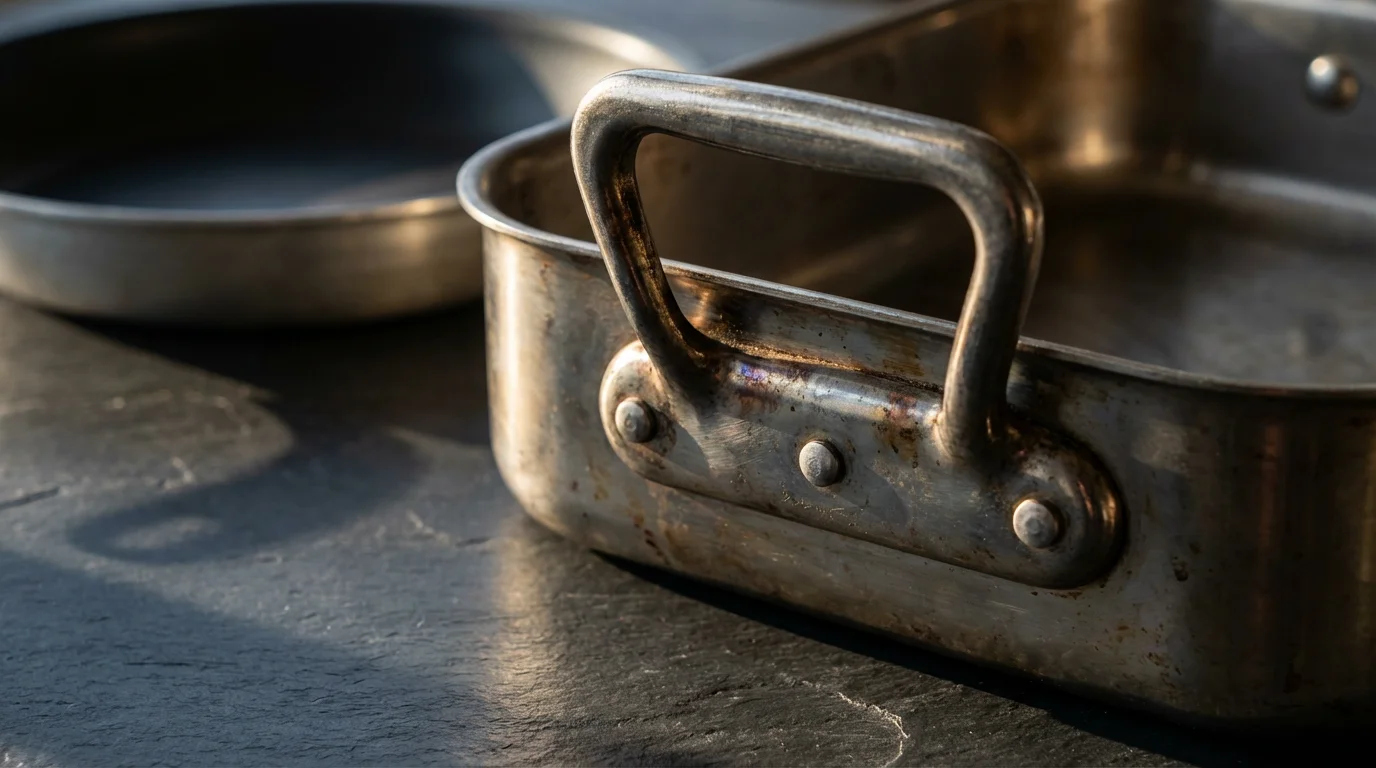
* **Sturdy Handles:** Large, riveted handles that offer a secure grip, even when wearing oven mitts and lifting a heavy roast.
* **Included Rack:** A robust V-rack or flat rack made of stainless steel is essential.
* **High Sides:** Sides of at least 3 inches prevent splattering and provide ample space for liquids.
* **Considerations:** These pans can be expensive, but their longevity and performance make them a worthwhile investment for special occasions. According to Wirecutter’s cookware recommendations, stainless steel roasters consistently perform best for large-scale roasting tasks.
For the Everyday All-Rounder (Weeknight Meals and Smaller Roasts)
For regular use, you might prioritize ease of cleaning, lighter weight, and efficient heat transfer for smaller portions.
* **Ideal Material:** Anodized aluminum, potentially with a non-stick coating. These pans are lighter, heat quickly, and are easier to maneuver. For many, a simple, durable “oven pan” is sufficient.
* **Key Features:**
* **Manageable Size:** A 14 x 10-inch or smaller pan is perfect for individual chickens, sheet pan dinners, or roasting vegetables.
* **Easy Cleanup:** Non-stick surfaces simplify washing, though remember their limitations for deglazing.
* **Versatility:** Can double as a baking pan for certain dishes.
* **Considerations:** Non-stick coatings will eventually wear out, and these pans may not be suitable for very high-temperature roasting or for making stovetop gravies directly.
Top Roasting Pan Brands and Smart Budget Alternatives
Investing in a quality roasting pan pays dividends in performance and durability. Here is a comparison of leading brands and excellent budget-friendly options.
| Brand | Typical Material | Price Point | Pros | Cons | Best For |
|---|---|---|---|---|---|
| All-Clad | Multi-ply Stainless Steel | Premium | Exceptional durability, superior heat distribution, professional grade, oven-safe to 600°F. | Very expensive, heavy. | Serious home cooks, large holiday roasts, lifetime investment. |
| Cuisinart | Stainless Steel (various plies) | Mid-Range | Good performance, solid construction, more affordable than All-Clad, often comes with a rack. | Heat distribution may not be as precise as premium brands. | Regular use, holiday roasts, excellent value. |
| Calphalon | Hard-Anodized Aluminum (often non-stick) | Mid-Range | Excellent non-stick performance, lighter weight, good heat conduction. | Lower oven-safe temps (usually 450°F), non-stick can wear over time. | Everyday roasting, easy cleanup, chickens, vegetables. |
| Viking Culinary | Tri-ply Stainless Steel | Premium | Excellent heat distribution, sturdy construction, ergonomic handles, often includes V-rack. | High price point. | Cooks seeking high performance and durability, similar to All-Clad. |
| Tramontina | Tri-ply Stainless Steel | Budget/Mid-Range | Exceptional value for multi-ply stainless steel, strong performance for the price. | Availability can vary, may not have all the premium features. | Best value for stainless steel, holiday and everyday roasting. |
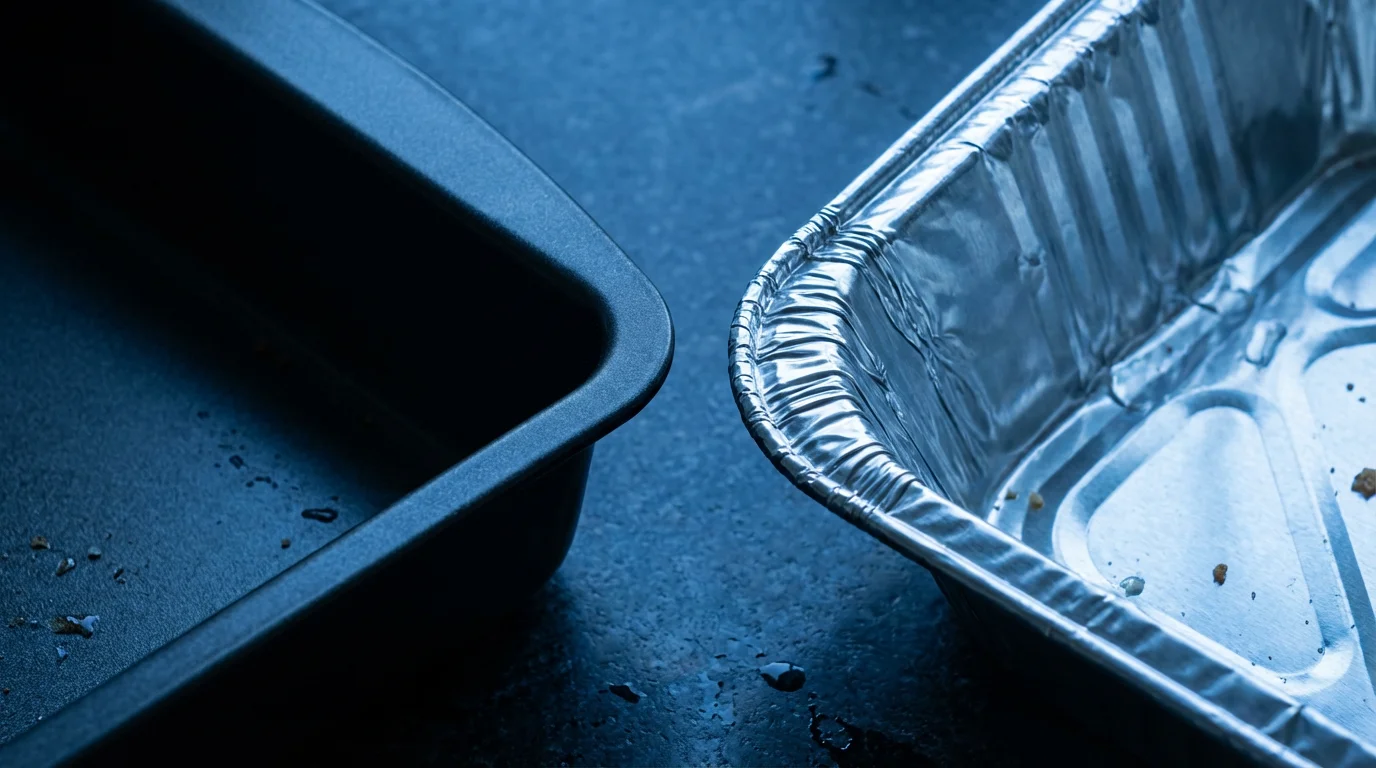
| Chicago Metallic | Carbon Steel / Non-stick Steel | Budget | Very affordable, good for basic roasting, reliable non-stick for its price. | Less durable than stainless steel, lower oven-safe temps. | Beginners, occasional use, budget-conscious buyers for smaller roasts. |
For premium performance that lasts a lifetime, brands like All-Clad and Viking Culinary stand out. Their multi-ply stainless steel construction ensures unparalleled heat distribution and durability. If you seek excellent quality without the top-tier price tag, Cuisinart offers reliable stainless steel options. For a more budget-friendly approach that still delivers, consider Tramontina’s tri-ply stainless steel or Calphalon’s anodized aluminum pans for everyday non-stick convenience. Remember, as Consumer Reports evaluates cookware, performance and durability should outweigh brand prestige alone.
Care and Maintenance: Keeping Your Roasting Pan Pristine
Proper care extends the life of your roasting pan and ensures consistent performance.
Cleaning Stainless Steel Roasting Pans
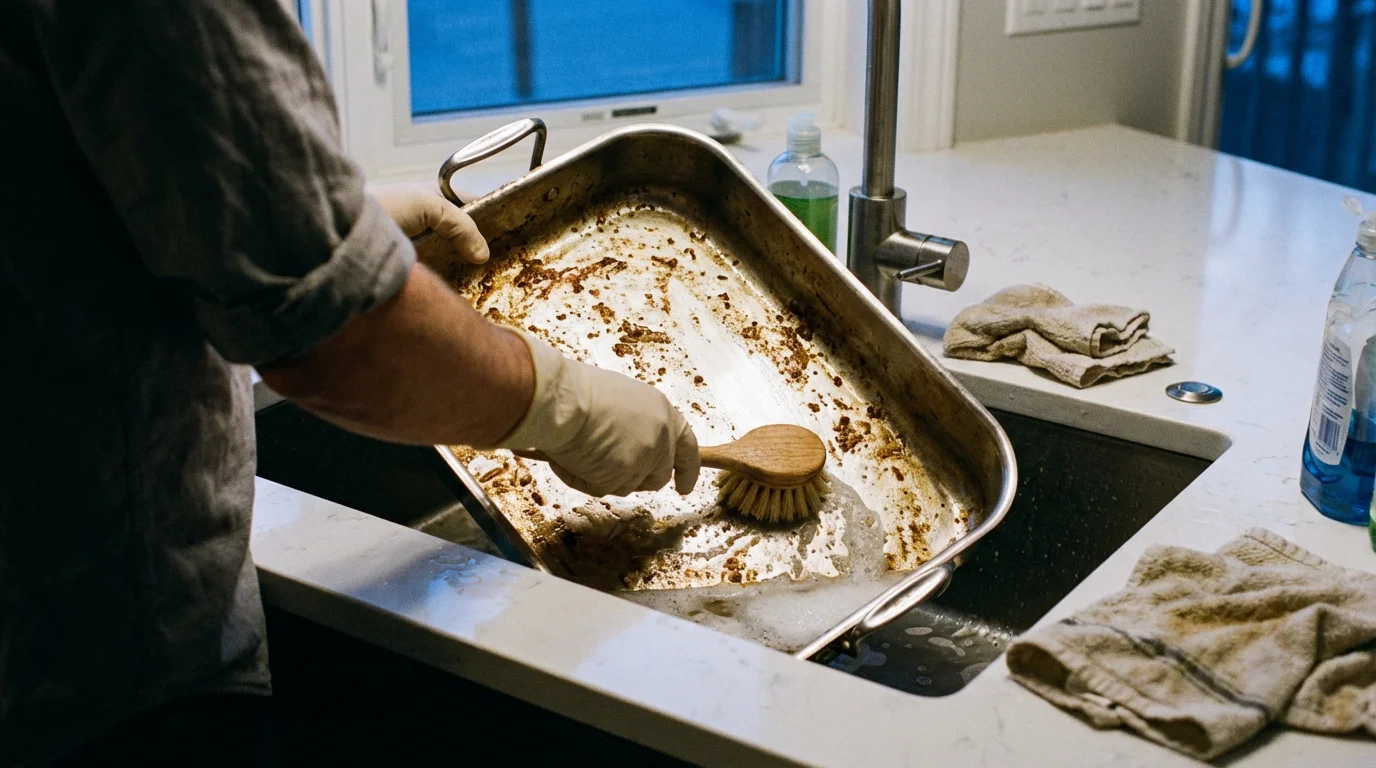
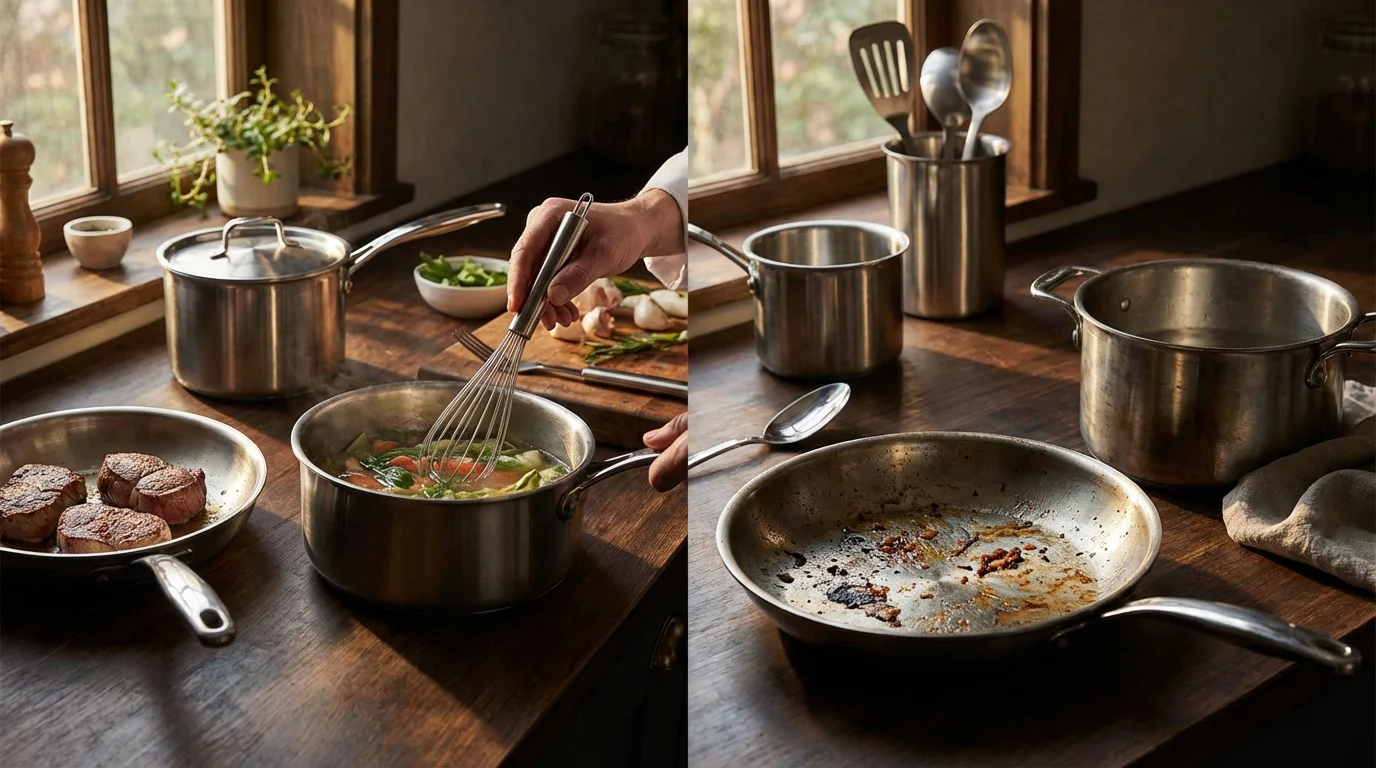
* **Immediate Soak:** After roasting, let the pan cool slightly. Fill it with hot water and a squirt of dish soap, then let it soak for at least 30 minutes, or longer for stubborn bits.
* **Scrubbing:** Use a non-abrasive scrub pad or brush. For burnt-on food, a paste of baking soda and a little water, left to sit, can work wonders. Stainless steel is generally tough, but avoid steel wool on polished finishes.
* **Deglazing for Gravy:** One of stainless steel’s strengths is its ability to deglaze. After removing your roast, place the pan on the stovetop over medium heat. Add liquid (wine, broth, or water) and scrape up all the flavorful browned bits (fond) from the bottom. This process not only creates a delicious gravy base but also aids in cleaning.
* **Dishwasher Safe?** Many stainless steel pans are dishwasher safe, but hand washing is always gentler and helps preserve their finish.
Cleaning Anodized Aluminum and Non-Stick Roasting Pans
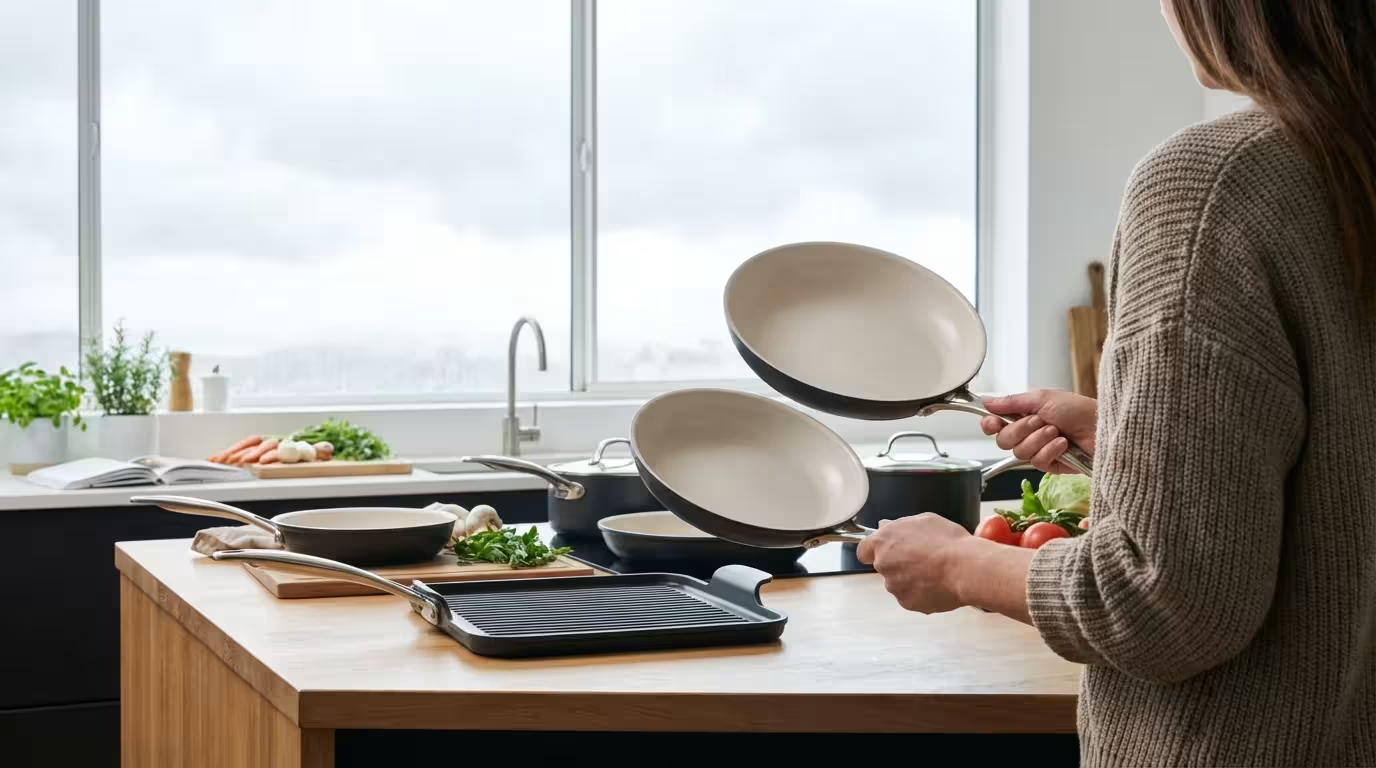
* **Gentle Approach:** These pans require a softer touch. Avoid metal utensils or abrasive scrubbers which can damage the anodized finish or non-stick coating.
* **Warm Soapy Water:** Clean with warm, soapy water and a soft sponge or cloth. For stubborn residue, soak the pan for a while.
* **Avoid High Heat:** Be mindful of the pan’s “oven-safe” temperature limit. Exceeding it can damage non-stick coatings and potentially warp aluminum.
* **No Dishwasher for Non-Stick:** The harsh detergents and high heat of dishwashers can degrade non-stick coatings over time. Hand wash these pans.
Cleaning Enameled Cast Iron Roasting Pans
* **Cool Down:** Let the pan cool completely before washing. Sudden temperature changes can crack the enamel.
* **Soak and Scrub:** Use warm soapy water and a nylon brush or sponge. For stuck-on food, boil water in the pan for a few minutes, then scrape with a wooden or silicone utensil.
* **Avoid Abrasives:** Do not use steel wool or harsh abrasive cleaners, as they can scratch or dull the enamel.
Storage Tips
* Store pans with care to avoid scratching surfaces. If stacking, place a paper towel or soft cloth between pans.
* Keep racks with their corresponding pans for easy access.
Making Your Choice: Recommendations for Your Kitchen
Now that you understand the materials, sizes, and care, here are our top recommendations to help you make your purchase.
Best Overall Roasting Pan for Versatility and Durability: All-Clad D3 Stainless Steel Roaster with Rack
If you want one “roasting pan” that handles everything from the largest holiday turkey to everyday sheet pan meals, the All-Clad D3 Stainless Steel Roaster is an unmatched choice. Its tri-ply construction ensures excellent heat distribution, and its robust build means it will last a lifetime. The included V-rack is sturdy, and the pan’s ability to go from oven to stovetop for gravy is a significant advantage. This is the pan you buy once and use forever.
Best Value Stainless Steel Roasting Pan: Tramontina Tri-Ply Clad Stainless Steel Roaster
Tramontina offers exceptional quality at a more accessible price point than All-Clad. Their tri-ply clad stainless steel roaster provides excellent heat distribution and durability, making it a fantastic “turkey roaster” for holiday meals and a reliable “oven pan” for everyday tasks. It often includes a stainless steel rack, making it a strong contender for the “best roasting pan with rack” on a budget.
Best Everyday Roaster for Easy Cleanup: Calphalon Classic Hard-Anodized Non-stick Roasting Pan
For frequent, smaller roasts and easy cleanup, Calphalon’s hard-anodized non-stick pan is a solid choice. It is lighter than stainless steel, heats efficiently, and its non-stick surface makes removing food a breeze. Remember its lower oven-safe temperature and gentler care requirements. This pan shines for weeknight chickens, vegetables, and fish.
Consider an Extra Baking Sheet for Small Roasting Tasks
Sometimes, a dedicated “roasting pan” is overkill. For small batches of roasted vegetables, chicken pieces, or even bacon, a sturdy rimmed aluminum baking sheet works perfectly. Look for heavy-gauge aluminum for even heat distribution and warp resistance. This complements your larger roasting pan without unnecessary expense. As Serious Eats’ equipment reviews often highlight, sometimes the simplest tool is the most effective.
Frequently Asked Questions
What size roasting pan do I need for a 20-pound turkey?
For a 20-pound turkey, you need a roasting pan that measures at least 18 x 14 inches. This size provides ample space for the turkey, allows for proper air circulation to ensure even browning, and contains the drippings effectively without overflowing.
Can I use a regular baking sheet as a roasting pan?
You can use a heavy-duty, rimmed baking sheet for roasting smaller items like vegetables, chicken pieces, or small cuts of meat. However, a baking sheet typically has lower sides than a dedicated roasting pan, meaning it will hold fewer drippings and may cause splattering in your oven. It is not suitable for larger roasts like whole turkeys or hams.
Is a roasting rack really necessary?
Yes, a roasting rack is highly recommended. It lifts your food out of its own drippings, allowing hot air to circulate completely around the roast. This results in more even cooking, crispier skin, and prevents the bottom of your food from steaming. It also makes collecting clean drippings for gravy much easier.
How do I clean a roasting pan with burnt-on bits?
For stainless steel pans, let the pan cool, then fill it with hot water and a few drops of dish soap, letting it soak for at least an hour or overnight. For very stubborn bits, place the pan on the stovetop with water and a tablespoon of baking soda, bring it to a simmer, and gently scrape with a wooden or silicone spoon. For non-stick pans, soak in warm soapy water and use a soft sponge. Never use abrasive scrubbers or steel wool on non-stick surfaces.
What is the difference between a roasting pan and a Dutch oven?
A roasting pan is typically a rectangular or oval, shallow, open pan designed for roasting items uncovered in the oven, allowing for maximum browning and crisping. A Dutch oven is a deep, heavy pot, usually round or oval, with a tight-fitting lid. It excels at braising, stewing, and baking, where moist heat and excellent heat retention are desired. While a Dutch oven can roast smaller items with its lid off, it is not ideal for large, open-air roasts like a whole turkey.
Disclaimer: Product prices and availability change frequently. Prices shown were accurate at time of writing but may have changed. We may earn a small commission from purchases made through links on this site, at no extra cost to you. Always verify current pricing on the retailer’s website before purchasing.

Leave a Reply