
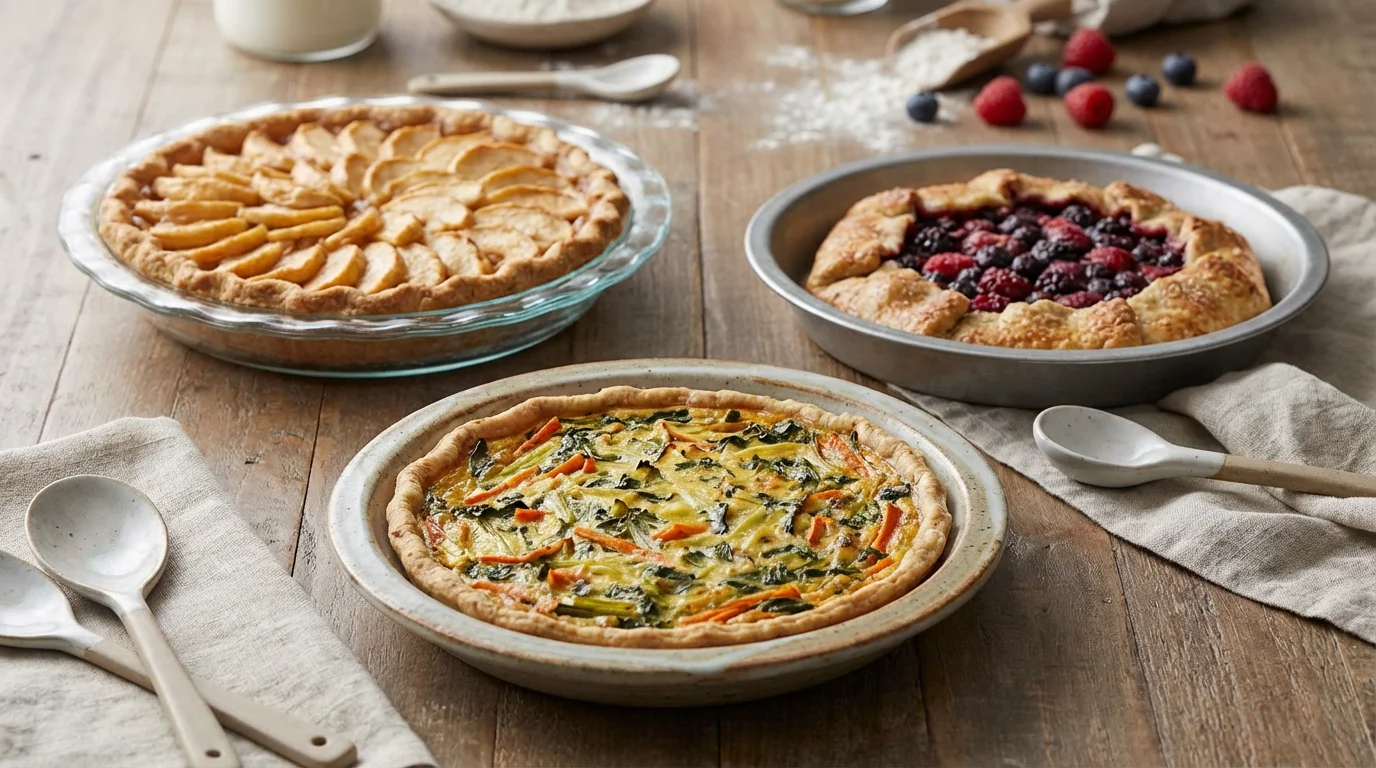
Selecting the right pie plate significantly impacts your final crust. You face many choices: classic glass, charming ceramic, or efficient metal. Each material offers distinct advantages and disadvantages, influencing everything from heat distribution to cleanup. This guide will clarify the differences, helping you choose the best pie plate for consistently perfect results, whether you aim for a flaky crust, a golden-brown bottom, or a beautiful presentation.
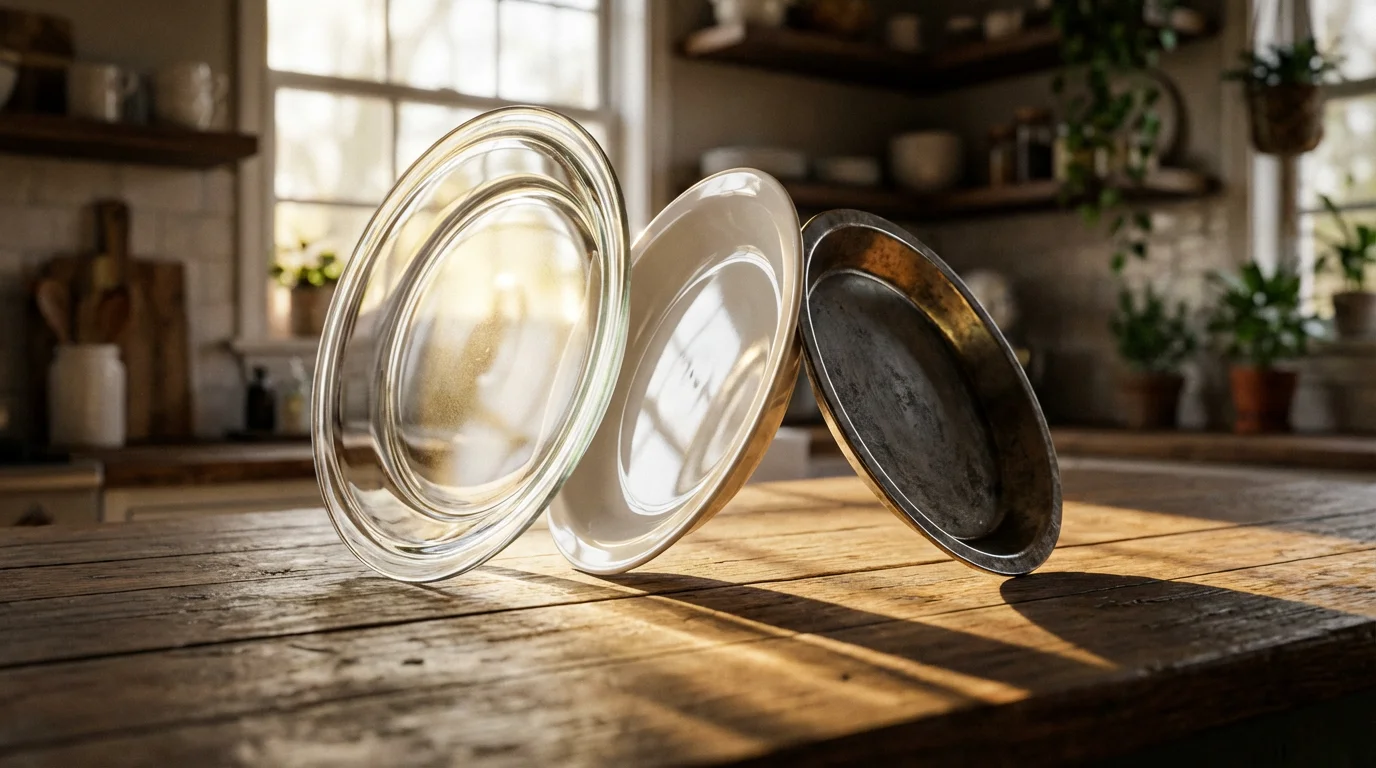
Understanding the Core Materials: Glass, Ceramic, and Metal
Before diving into specific recommendations, let us establish a foundational understanding of each material. Your choice of pie plate material directly influences how heat transfers to your crust, affecting its texture, color, and overall bake.
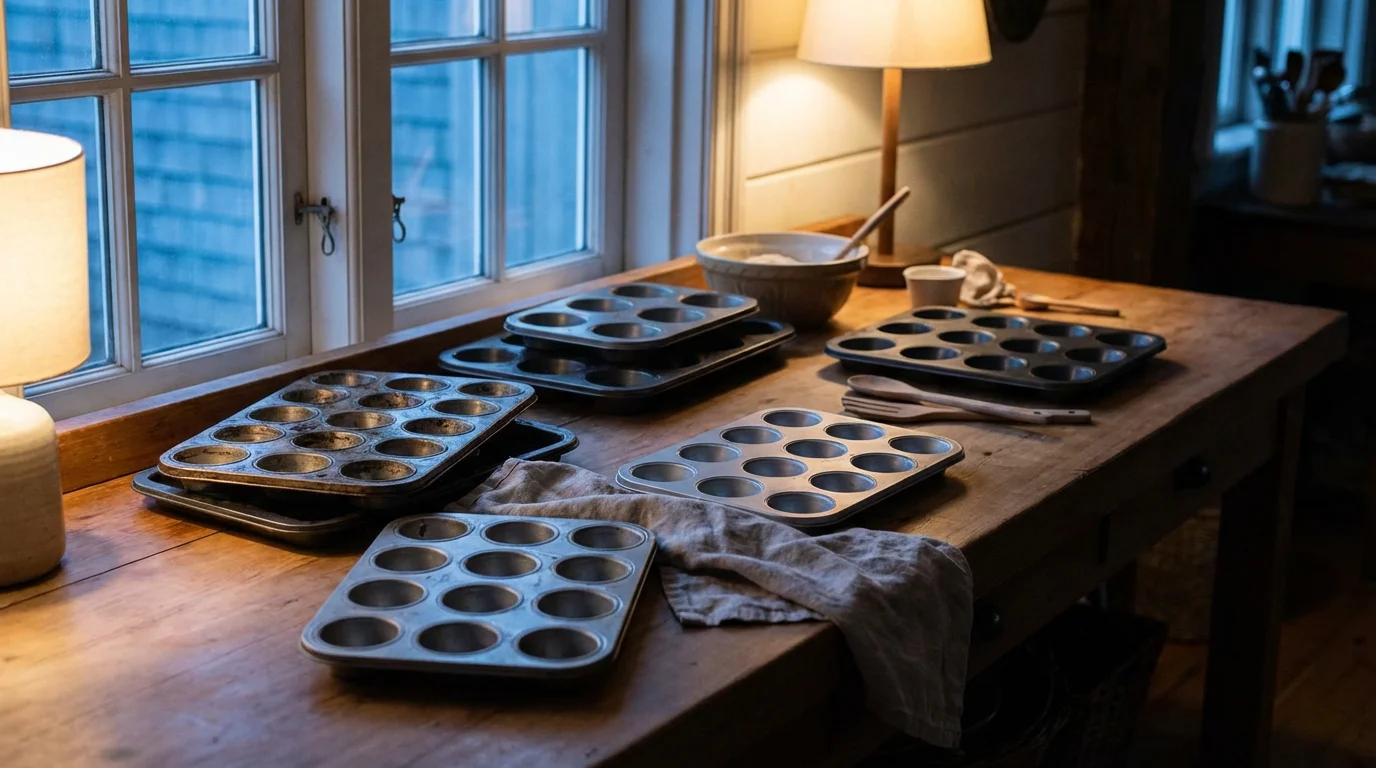
Just as with muffin tins and cupcake pans, the thickness and material of your pie plate will determine the quality of your bake.
Glass Pie Plates: The Predictable Choice
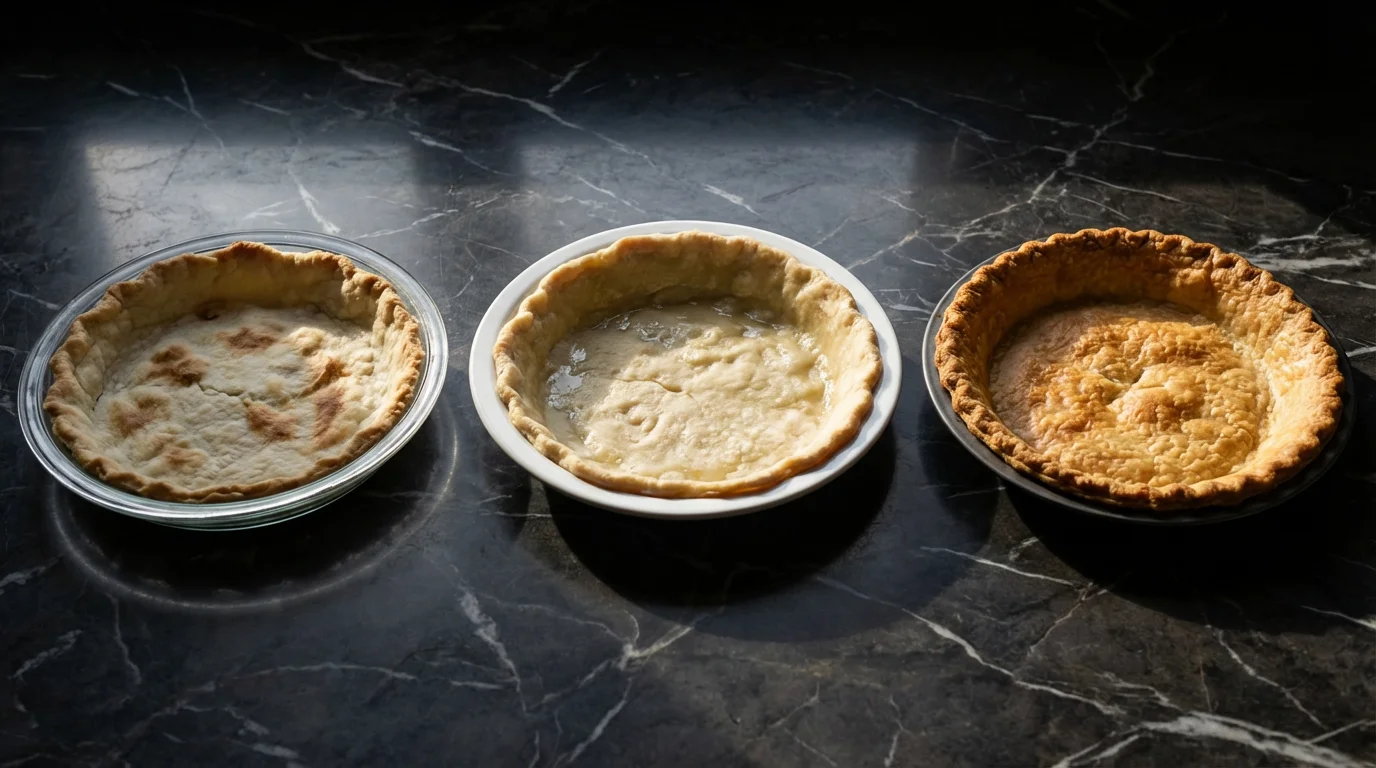
Glass pie plates, typically made from tempered borosilicate glass, are excellent at retaining heat once they reach temperature. They do not conduct heat quickly, but they hold onto it for a long time. This property can lead to a very even bake once the plate heats up fully. The transparency also allows you to monitor the browning of your bottom crust without removing the pie from the oven.
Ceramic Pie Plates: The Artisan’s Favorite
Ceramic pie plates, often stoneware or porcelain, share some characteristics with glass. They also heat slowly and retain heat exceptionally well. Ceramic generally offers superior heat distribution once hot, providing a very even bake across the entire crust. Their often decorative designs also make them ideal for serving directly from the oven to the table.
Metal Pie Plates: The Quick Responder
Metal pie plates, commonly made from aluminum, anodized aluminum, or carbon steel, conduct heat much more efficiently and rapidly than glass or ceramic. This quick heat transfer means your bottom crust starts browning faster, which is often desirable for a crisp, golden finish. Metal pans also offer superior durability, resisting breaks and chips that can affect glass or ceramic.
Quick Comparison: Pie Plate Materials at a Glance
| Feature | Glass | Ceramic | Metal |
|---|---|---|---|
| Heat Conduction Speed | Slow | Slow | Fast |
| Heat Retention | Excellent | Excellent | Poor to Moderate |
| Bottom Crust Browning | Slow, Even (Monitor via Transparency) | Slow, Very Even | Fast, Crisp |
| Durability | Fragile (Thermal Shock, Impact) | Fragile (Impact, Chipping) | Very Durable (Dent/Warp Possible) |
| Aesthetics | Clear, Classic | Highly Decorative | Utilitarian |
| Typical Price Range | Low to Moderate | Moderate to High | Low to Moderate |
Glass Pie Plates: Transparency and Thermal Stability
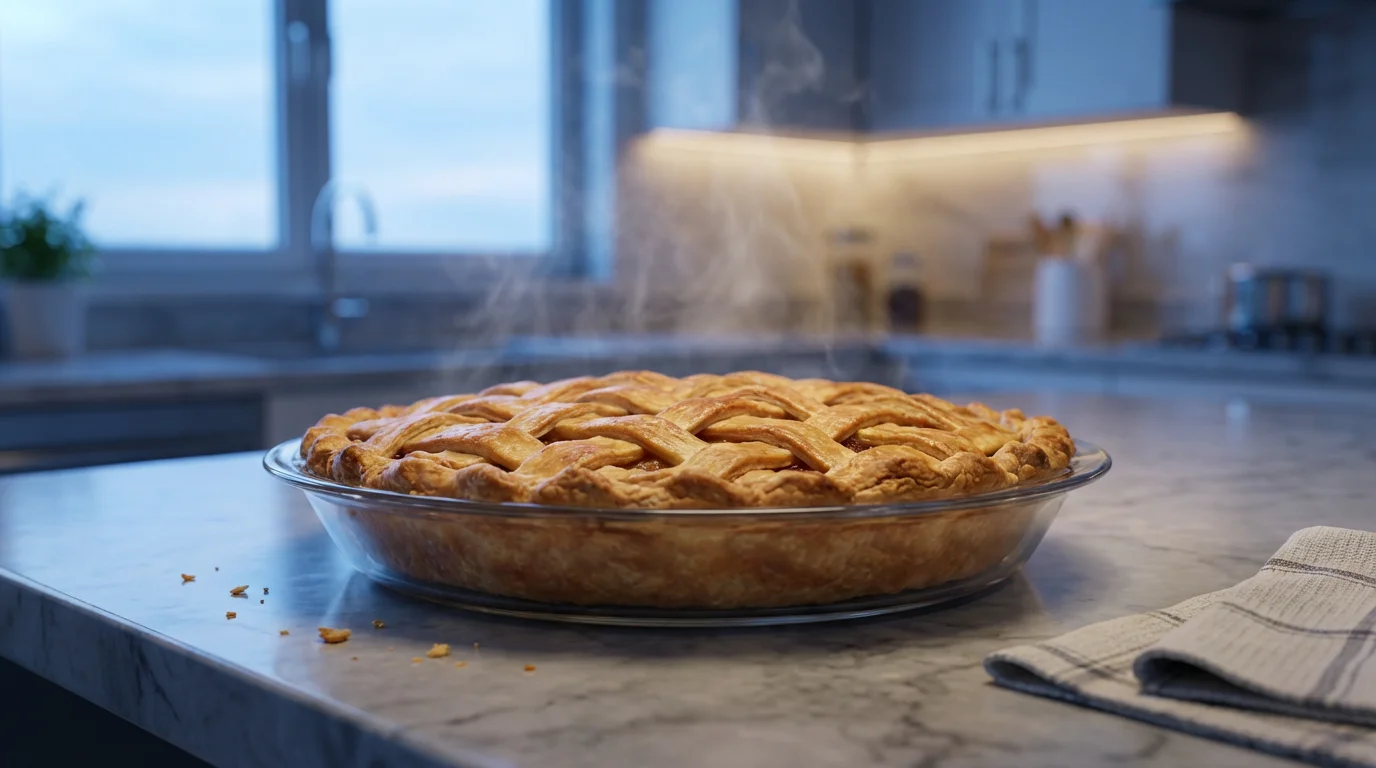
Glass pie plates have long been a kitchen staple, and for good reason. Their primary appeal lies in their transparency, allowing you to easily check the browning of your bottom crust. This visual feedback helps prevent under-baked or burnt crusts, a common challenge for many home bakers. Most glass pie plates are made from tempered glass, which provides a good degree of durability and thermal shock resistance, though extreme temperature changes can still cause them to crack.
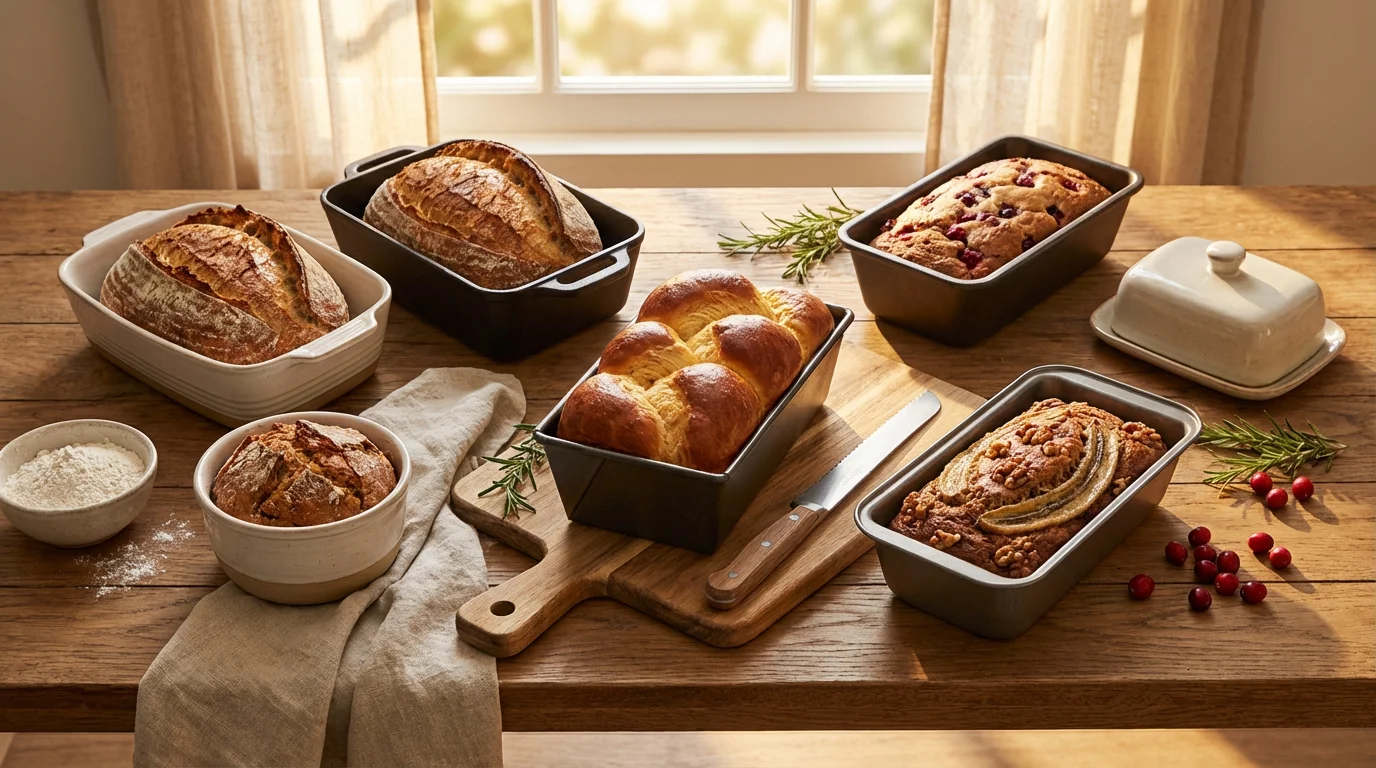
Glass is also a popular choice for loaf pans for bread and quick breads due to its excellent heat retention and transparency.
Pros of Glass Pie Plates:
- Visual Monitoring: You can see the crust brown through the clear glass, making it easier to achieve a perfectly golden bottom.
- Excellent Heat Retention: Once hot, glass holds heat very well, promoting even baking and consistent results, especially for custards and quiches that benefit from slow, steady heat.
- Non-Reactive: Glass does not react with acidic ingredients, ensuring your pie’s flavor remains pure.
- Affordable: Generally more budget-friendly than high-quality ceramic or specialized metal pans.
Cons of Glass Pie Plates:
- Slow to Heat: Glass takes longer to preheat and transfer heat to the crust compared to metal. This can sometimes result in a soggy bottom crust if your oven is not hot enough or your baking time is too short.
- Fragile: While tempered, glass can still break or chip if dropped or subjected to extreme thermal shock (e.g., placing a hot plate on a cold counter or vice versa).
- Uneven Initial Browning: Due to its slower heat conduction, the edges of the crust may brown more quickly than the bottom, especially with longer bake times. Some bakers preheat their glass pie plate in the oven to mitigate this, allowing the plate to get hot before the pie goes in.
Best Use for Glass Pie Plates: Glass excels for pies with liquid-heavy fillings like custard, quiche, and fruit pies that require a longer, slower bake. If you struggle with knowing when your bottom crust is done, the transparency of glass is an invaluable tool.
“For beginners especially, a good glass pie plate offers peace of mind. Seeing the bottom crust brown up through the plate takes a lot of the guesswork out of baking, preventing that dreaded pale, undercooked base.”
Ceramic Pie Plates: Aesthetics and Even Baking
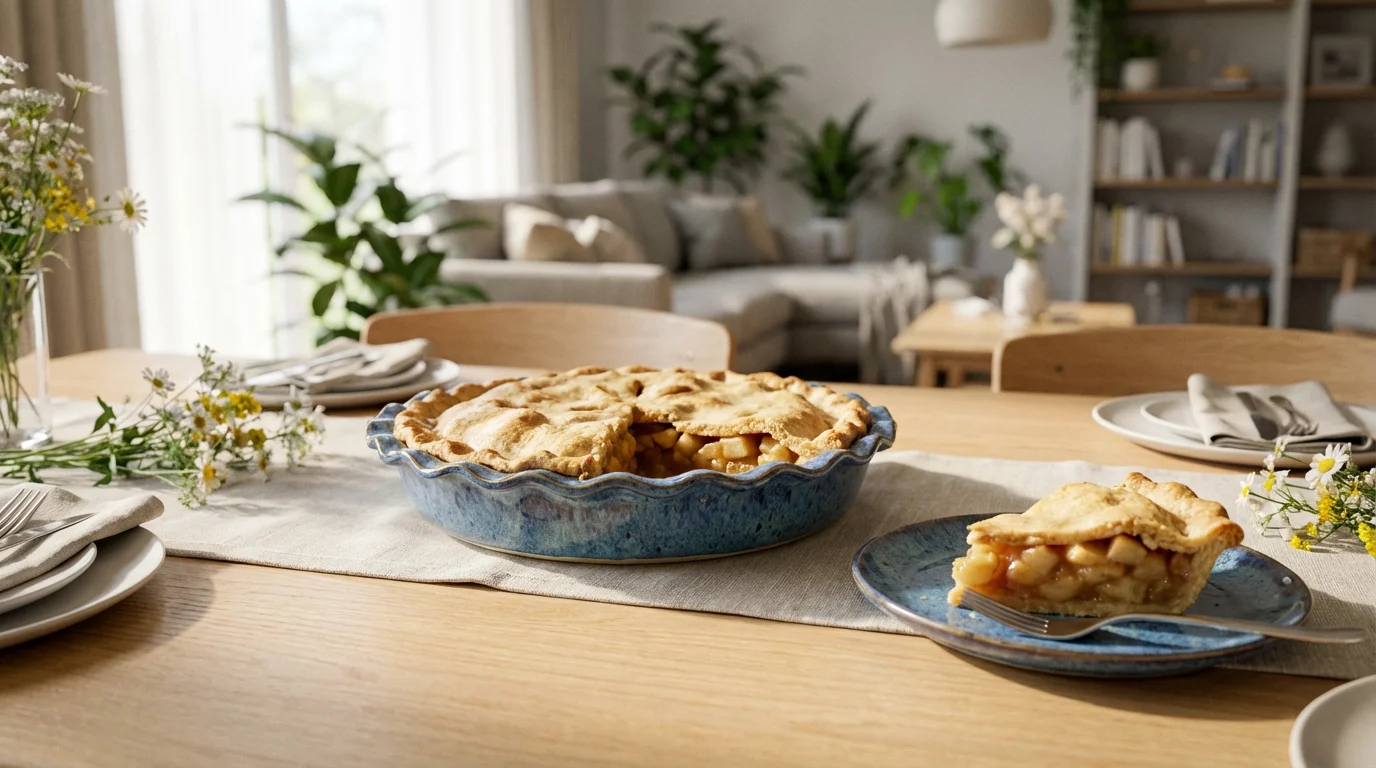
Ceramic pie plates are valued for both their baking performance and their aesthetic appeal. Crafted from materials like stoneware or porcelain, they often feature beautiful glazes and designs, making them perfect for serving directly at the table. Like glass, ceramic heats slowly but retains heat exceptionally well, ensuring a very consistent bake once it reaches temperature. This thermal inertia is key to a uniformly cooked crust.
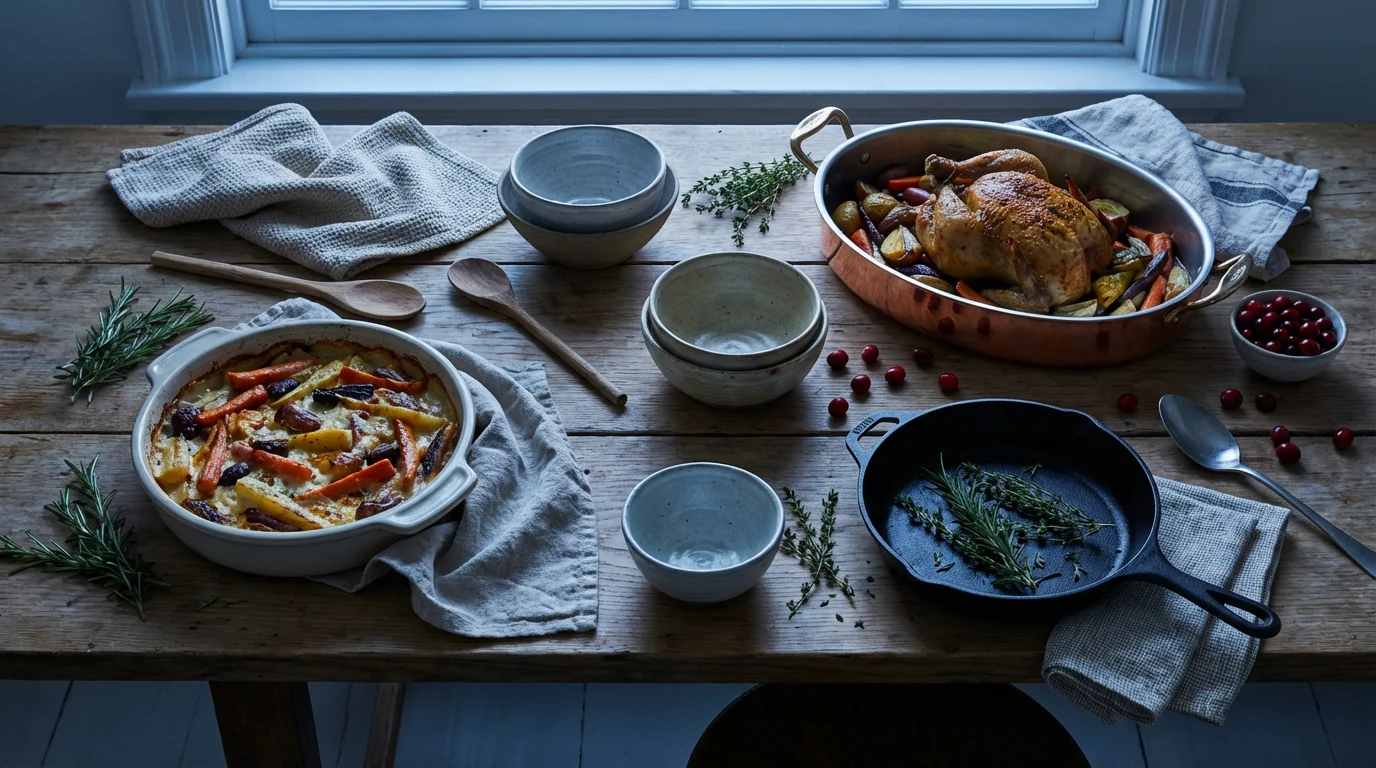
This aesthetic versatility is common in high-quality ceramic bakeware, including casserole dishes, which are designed for both baking and elegant table presentation.
Pros of Ceramic Pie Plates:
- Superior Heat Distribution: Once preheated, ceramic provides incredibly even heat distribution, resulting in a perfectly baked crust from edge to center. This characteristic makes them ideal for demanding recipes.
- Excellent Heat Retention: Similar to glass, ceramic holds heat for a long time, keeping your pie warm at the table.
- Beautiful Presentation: Available in a vast array of colors and designs, ceramic pie plates double as elegant serving dishes.
- Non-Reactive: Ceramic does not interact with acidic ingredients, preserving the true flavors of your pie.
Cons of Ceramic Pie Plates:
- Slow to Heat: Ceramic takes the longest to heat up among the three materials. You must ensure your oven and the pie plate are thoroughly preheated to achieve optimal results and prevent a soggy bottom.
- Fragile: Ceramic is prone to chipping, cracking, or breaking if dropped or exposed to sudden, extreme temperature changes.
- Heavier: Ceramic pie plates are generally heavier than glass or metal, which can be a consideration when handling.
- Higher Price Point: Quality ceramic pie plates, especially from renowned brands, typically cost more than their glass or basic metal counterparts.
Best Use for Ceramic Pie Plates: Choose ceramic for show-stopping pies, tarts, and quiches where even baking and a beautiful presentation are paramount. Their excellent heat distribution is particularly beneficial for complex pastry work.
Metal Pie Plates: Speed and Crispness
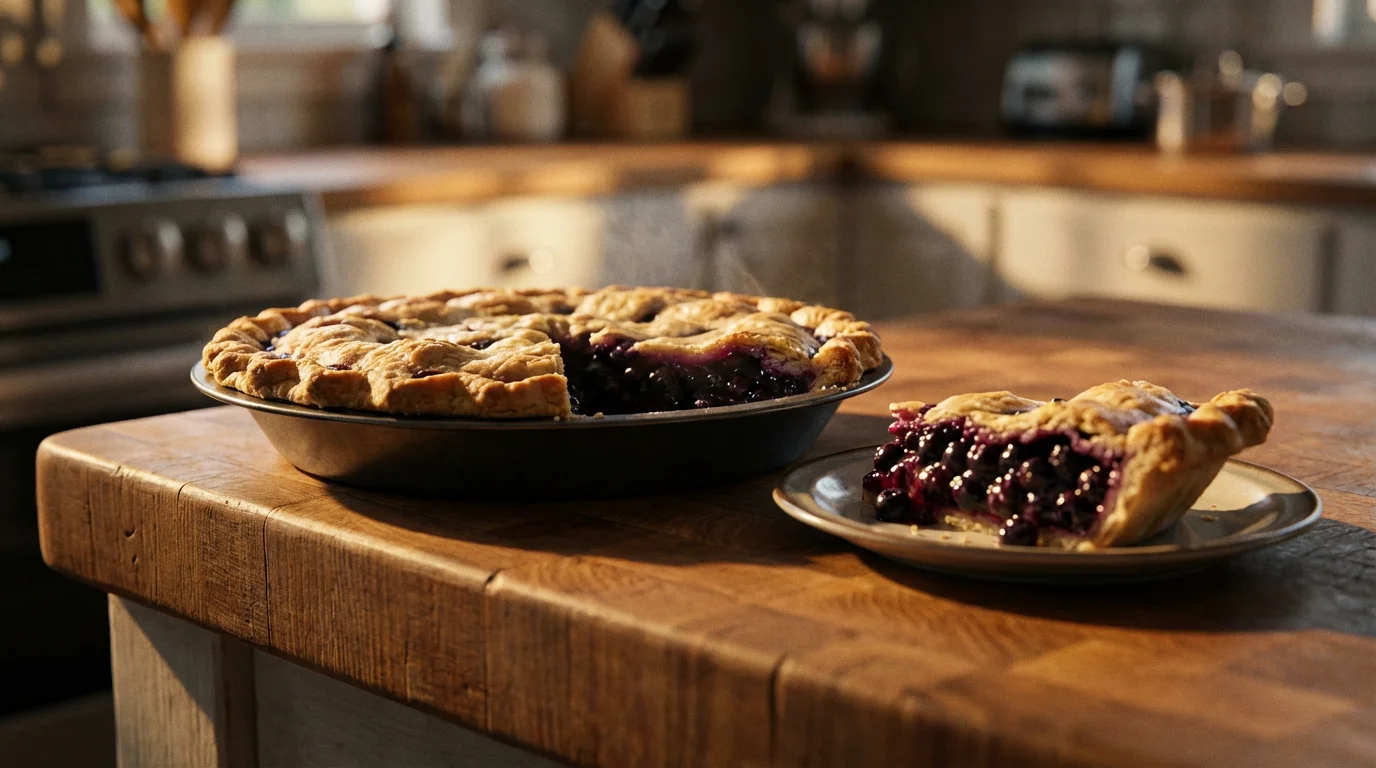
Metal pie plates are the workhorses of the baking world, favored by professional bakers for their efficiency and ability to produce consistently crisp crusts. They conduct heat far more rapidly than glass or ceramic, meaning your bottom crust begins to brown almost immediately upon entering the oven. This quick heat transfer is crucial for preventing soggy bottoms, especially with wet fillings.
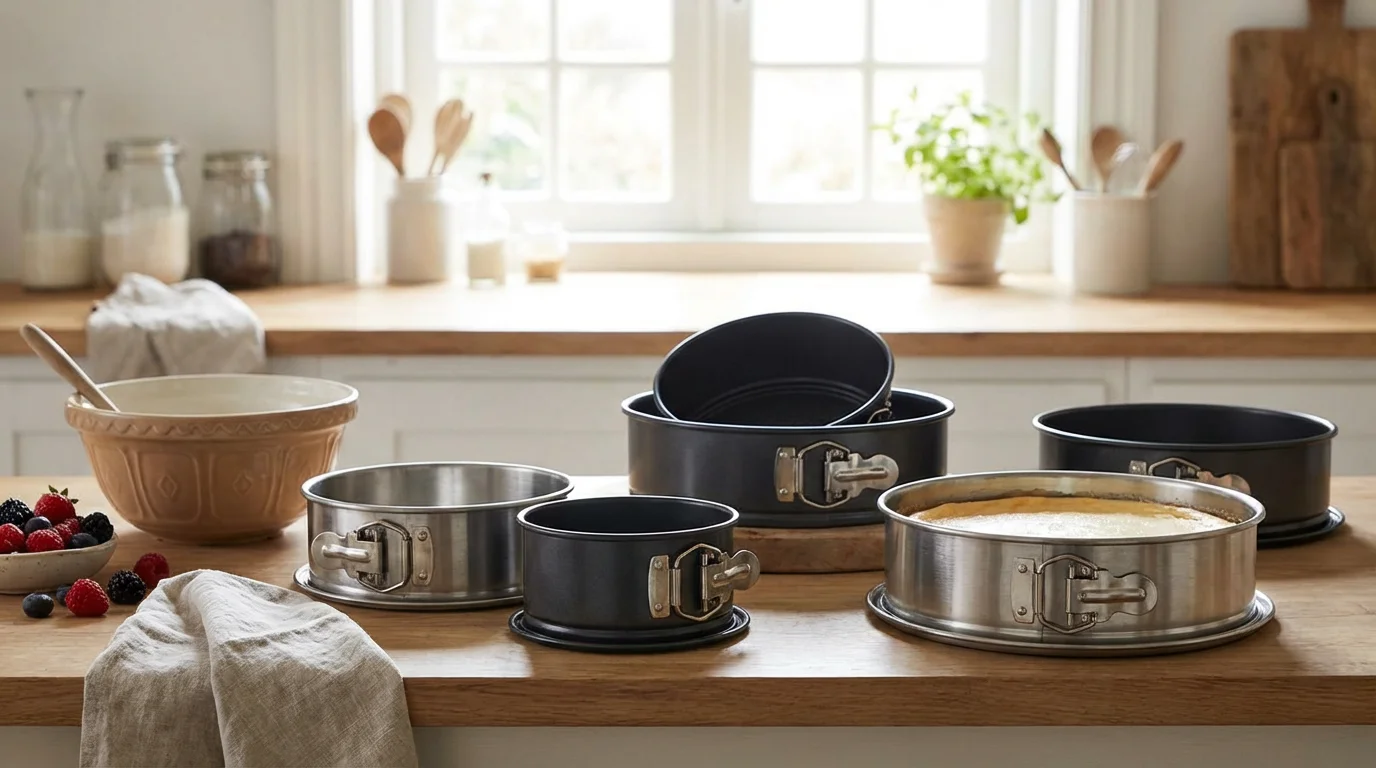
For delicate desserts like cheesecakes that cannot be inverted, springform pans offer a specialized metal alternative to traditional pie plates.
Common Types of Metal Pie Plates:
- Aluminum: Lightweight, inexpensive, and excellent heat conductors. Often found in disposable or thinner gauges for commercial use. Anodized aluminum offers a harder, non-reactive surface.
- Carbon Steel: A heavier, more robust material that conducts heat exceptionally well and retains it efficiently. Carbon steel can be seasoned, similar to cast iron, to build a natural non-stick surface and prevent rust. This also improves its heat retention properties.
- Stainless Steel: While durable and non-reactive, stainless steel is a poorer heat conductor compared to aluminum or carbon steel. Pie plates made solely of stainless steel are less common for this reason; it performs better when clad with aluminum in the core (like tri-ply cookware).
Pros of Metal Pie Plates:
- Rapid Heat Conduction: Metal transfers heat quickly to the crust, promoting fast browning and crispness, especially vital for preventing soggy bottoms.
- Durability: Metal pie plates are highly resistant to breaking, chipping, or cracking, making them a long-lasting investment.
- Lightweight (especially aluminum): Easy to handle and maneuver in and out of the oven.
- Versatile: Many metal pie plates can handle higher oven temperatures than some glass or ceramic options.
Cons of Metal Pie Plates:
- Poor Heat Retention: While they heat up fast, metal plates also cool down quickly, meaning your pie might not stay warm as long at the table.
- Can Over-Brown: Their rapid heat transfer can sometimes lead to overly dark or burnt bottom crusts if not monitored carefully, especially for delicate pastries or longer bakes.
- Reactive (for uncoated aluminum): Uncoated aluminum can react with acidic ingredients, potentially imparting a metallic flavor to your pie and discoloring the pan. Anodized aluminum addresses this concern.
- Less Aesthetically Pleasing: Metal pie plates typically lack the decorative appeal of ceramic or even some glass options, often requiring transfer to a serving dish.
Best Use for Metal Pie Plates: Opt for metal when a crisp, golden-brown bottom crust is your top priority. They are excellent for savory pies, tarts, and fruit pies that bake relatively quickly.
Heat Distribution and Crust Performance: The Science Behind Flakiness
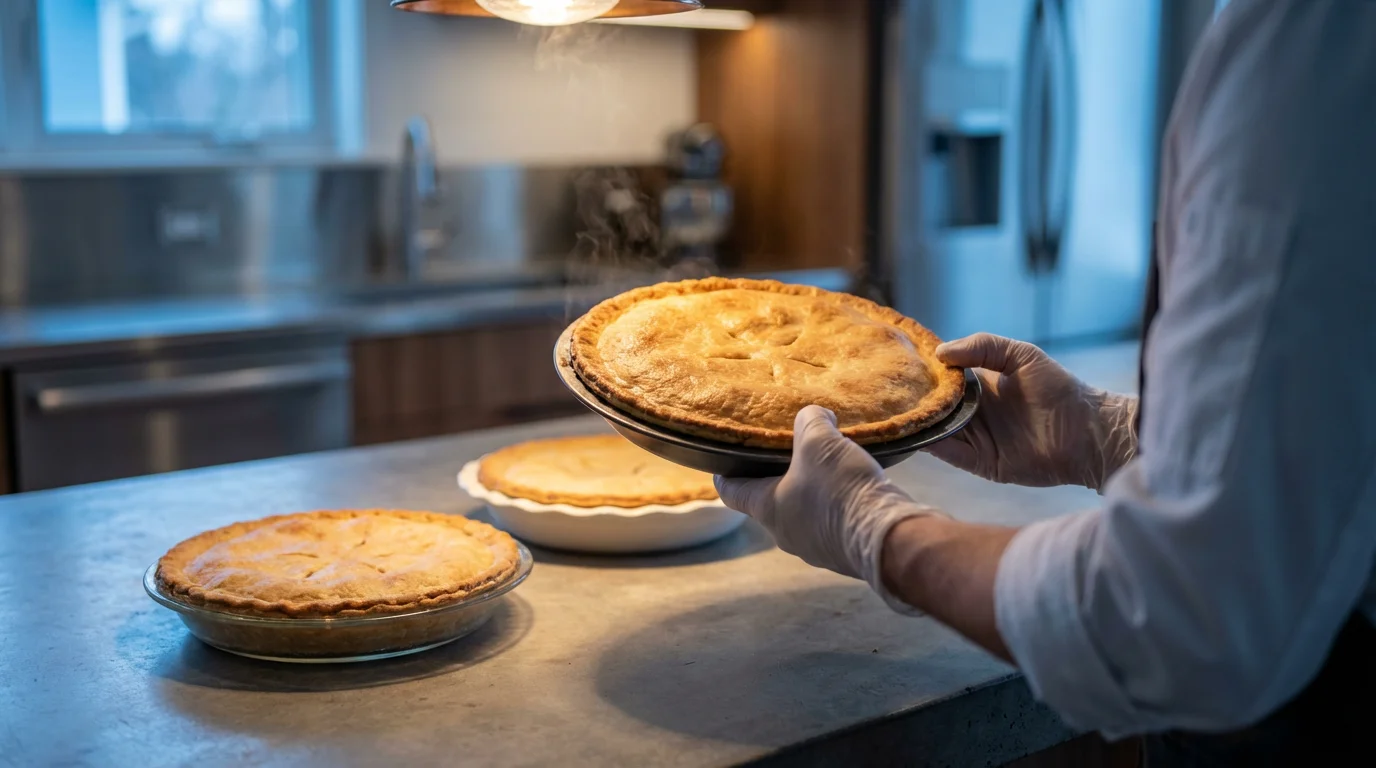
The science of a perfect pie crust largely boils down to how heat interacts with the dough. Pie dough contains butter or shortening, which creates steam as it melts. This steam pushes apart the layers of dough, resulting in the desired flaky texture. For a golden, crisp bottom, direct and efficient heat transfer from the pie plate to the dough is essential.
This principle of thermal conductivity is why professional bakers also choose the best baking sheets for consistently even browning across all types of pastry.
Here is how the different materials influence this process:
Metal: The Conductor
Metal, particularly aluminum and carbon steel, boasts high thermal conductivity. This means heat moves through the material quickly and efficiently. When you place a metal pie plate with dough into a hot oven, the heat rapidly transfers from the oven air to the metal, and then directly to the bottom crust. This rapid heat allows the starches in the flour to gelatinize and the sugars to caramelize, leading to a crisp, brown bottom before the top crust over-bakes. This direct heat is why professionals often favor metal for achieving the ideal bottom crust. However, some metal pans, if too thin, can create “hot spots” where heat concentrates unevenly. A good quality metal pie pan features a consistent gauge, or thickness, ensuring more uniform heat transfer.
Glass: The Insulator
Glass, specifically tempered borosilicate glass, has low thermal conductivity. It acts more like an insulator. It takes longer for glass to absorb heat from the oven, but once it is hot, it retains that heat remarkably well. This slower, more gradual heating can be a double-edged sword. It reduces the risk of burning the bottom crust, but it also means the crust has a longer period at lower temperatures, making it susceptible to sogginess if the pie filling is very wet. For a truly flaky, non-soggy bottom in a glass pie plate, many bakers advocate preheating the glass plate in the oven before adding the filling and crust. This brings the glass up to temperature quickly, helping it perform more like a metal plate initially.
Ceramic: The Slow and Steady
Ceramic materials fall somewhere between metal and glass in terms of conductivity, but they share glass’s excellent heat retention properties. Ceramic takes a considerable amount of time to heat up, but once it does, it distributes that heat very evenly across its surface. This results in a slow, gentle, and incredibly uniform bake for the bottom crust. While this can also risk sogginess if not managed, the even heat distribution makes ceramic ideal for delicate, intricate tarts and quiches where a uniform bake is more critical than a super-crisp bottom.
Understanding these thermal properties helps you match the pie plate to your specific recipe and desired outcome. For a quick, crisp bake, metal is superior. For gentle, even baking and visibility, glass or ceramic excel.
Durability and Maintenance: Keeping Your Pie Plates Pristine
Investing in quality bakeware means considering its longevity and how much effort you will put into its care. Different pie plate materials demand different maintenance routines to ensure they last for years.
Glass Pie Plate Care:
- Durability: Glass is durable against scratches and rust but is susceptible to chipping, cracking, or shattering from impacts or thermal shock. Avoid placing a hot glass plate directly into cold water or onto a cold surface.
- Cleaning: Glass is generally dishwasher safe and very easy to clean. Baked-on food usually scrapes off easily or loosens with a soak.
- Oven-Safe: Most glass pie plates are oven-safe up to 450°F (232°C). Always check manufacturer guidelines, especially for older Pyrex pieces which might have lower thermal shock resistance.
Ceramic Pie Plate Care:
- Durability: Ceramic is robust but prone to chipping and breaking if dropped. The glaze can crack or craze over time, especially with frequent use or harsh cleaning.
- Cleaning: Most ceramic pie plates are dishwasher safe. For stubborn residue, a warm water soak and gentle scrubbing with a non-abrasive sponge work well. Avoid harsh scourers that can damage the glaze.
- Oven-Safe: High-quality ceramic often tolerates higher oven temperatures, often up to 500°F (260°C). Again, verify the specific product’s maximum oven-safe temperature. Avoid broiler use unless explicitly stated by the manufacturer.
Metal Pie Plate Care:
- Durability: Metal pie plates are the most durable in terms of resisting breakage. They can dent, warp (especially thinner aluminum at high temperatures), or scratch. Carbon steel pie plates can rust if not properly cared for.
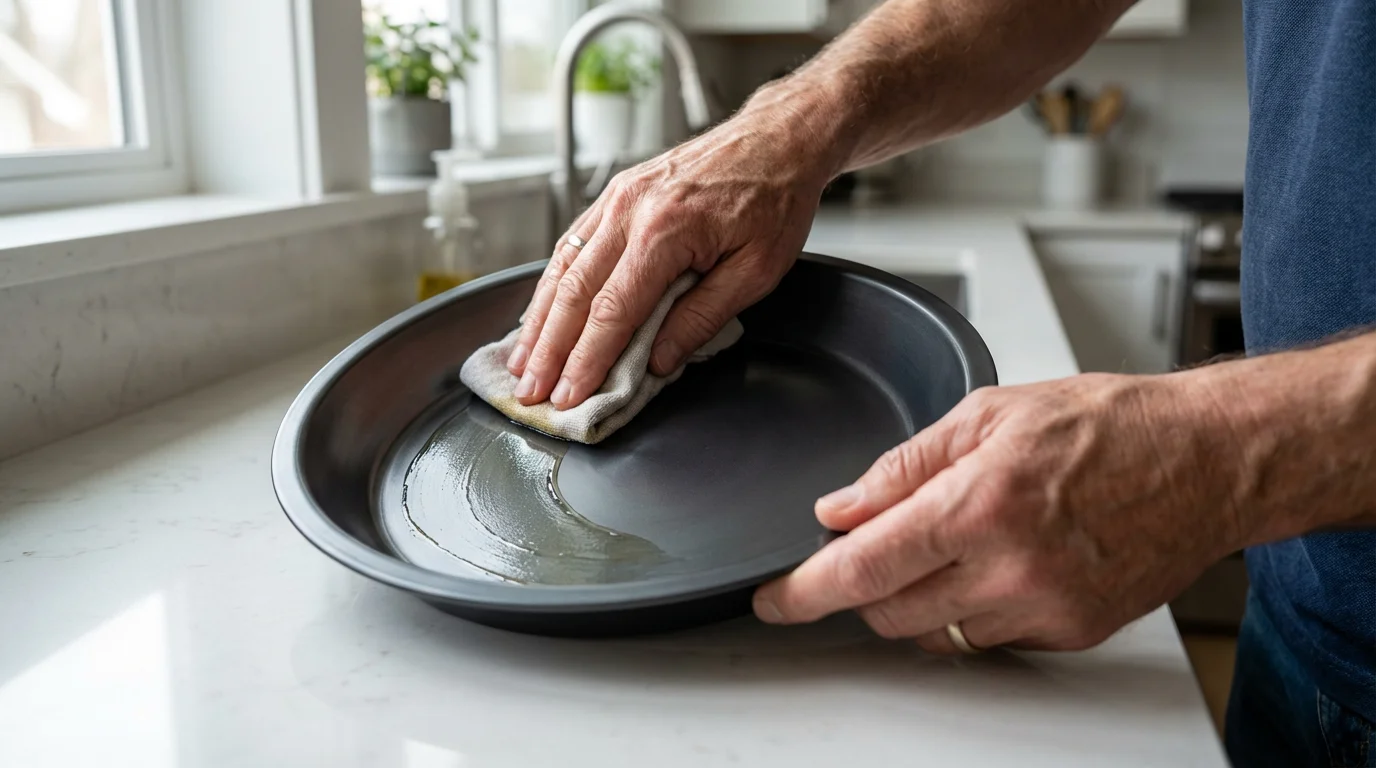
- Cleaning: Handwashing is often recommended for metal pie plates, particularly for anodized aluminum or carbon steel. Soapy water and a soft sponge are usually sufficient. For carbon steel, avoid harsh detergents to preserve its seasoning. Dry immediately after washing to prevent rust.
- Oven-Safe: Metal pie plates are typically oven-safe to very high temperatures, often exceeding 500°F (260°C). This makes them ideal for blind baking or high-temperature crusts.
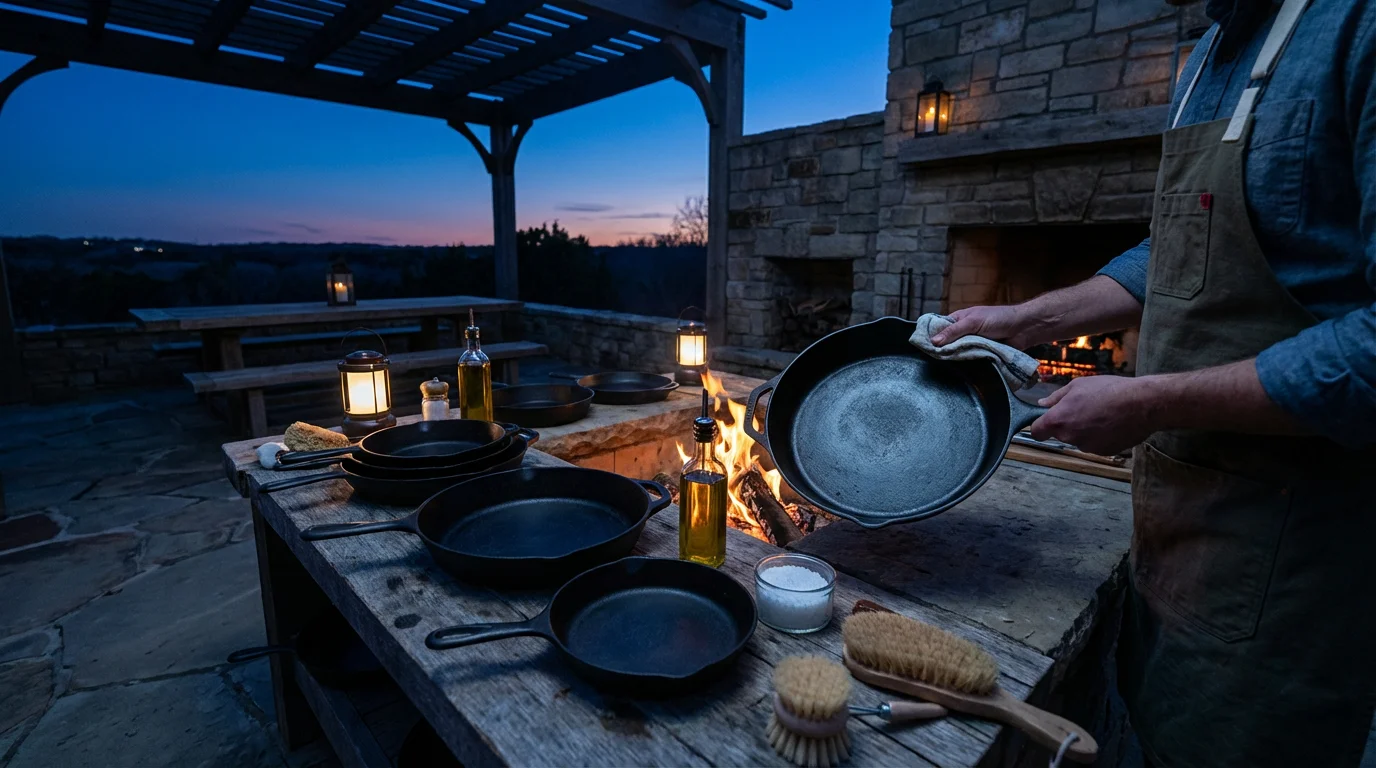
For carbon steel in particular, regular seasoning is vital. Seasoned refers to a protective layer of polymerized oil baked onto the surface, which creates a natural non-stick finish and prevents rust. This process, similar to cast iron care, ensures longevity and improved baking performance. A quick wipe with a thin layer of cooking oil after each wash keeps the seasoning intact.
Features to Consider When Buying a Pie Plate
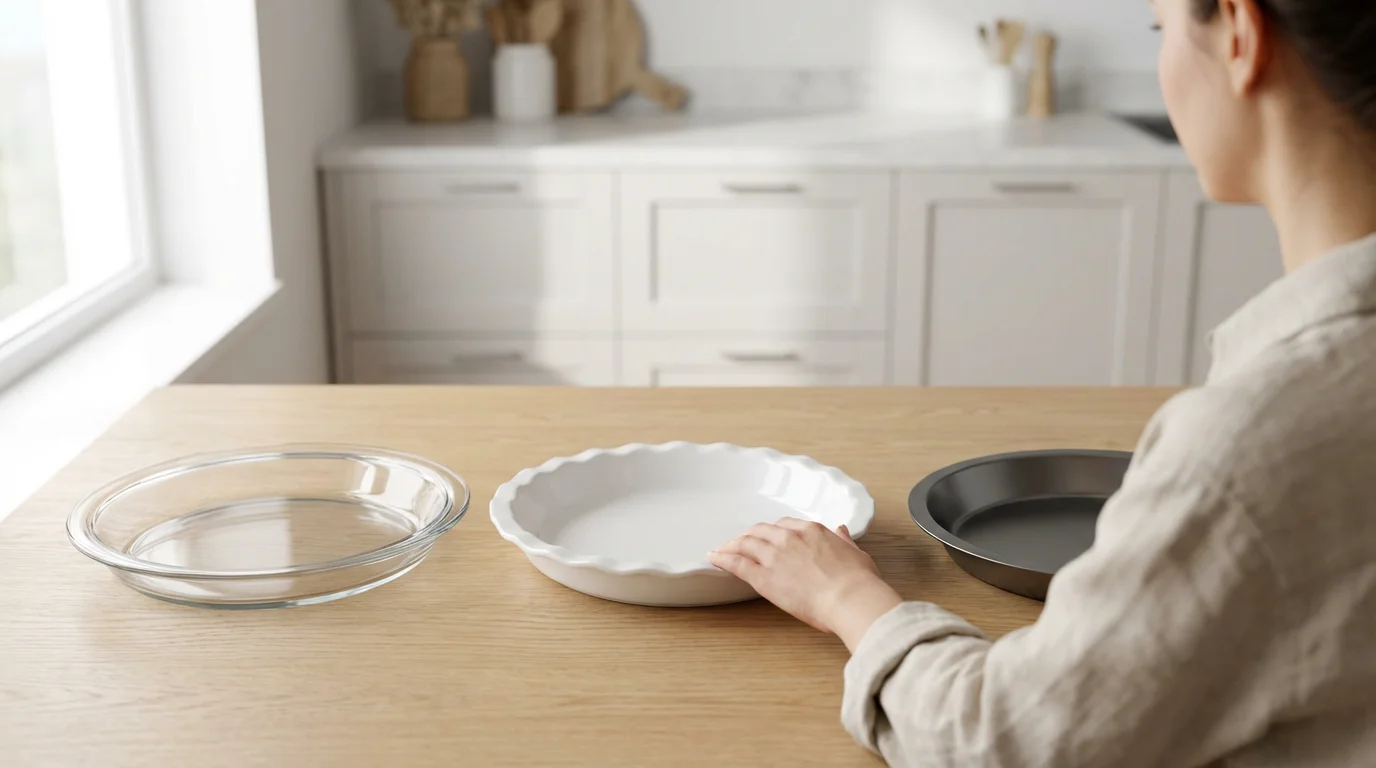
Beyond the material itself, several design and functional elements can enhance your baking experience and the quality of your pies.
- Size and Depth: Standard pie plates are 9 inches in diameter, but deep-dish versions (often 1.5 to 2 inches deep) are popular for ample fillings. Consider what types of pies you bake most frequently.
- Rim Design: Some pie plates feature wide, fluted, or textured rims. These designs can make it easier to crimp and decorate your crust edges, offering both functional and aesthetic benefits. A good rim also provides a secure grip when transferring the pie.
- Handles: Integrated handles on ceramic or glass pie plates offer a safer, more stable grip when moving the hot dish from oven to counter. While not common on traditional metal plates, some modern designs include them.
- Weight and Gauge (for Metal): A heavier metal pie plate, meaning a lower gauge thickness, indicates better quality and more even heat distribution, reducing hot spots and warping. For more detailed reviews on specific bakeware, Wirecutter’s cookware guides offer further insights.
- Non-Stick Coating (for Metal): Some metal pie plates come with a non-stick coating. While convenient for easy release, these coatings can degrade over time and may limit the maximum oven-safe temperature. If you choose non-stick, look for PFOA-free options and follow care instructions carefully.
- Appearance: If you serve pies directly from the dish, the aesthetics of ceramic or decorative glass can be a significant factor. For those who transfer pies to a serving plate, a utilitarian metal pan might be perfectly adequate.
- Brand Reputation: Brands like Pyrex for glass, Emile Henry or Le Creuset for ceramic, and Nordic Ware or Lodge for metal are known for their quality and durability. While budget alternatives exist, reputable brands often offer better performance and longevity. According to Serious Eats’ equipment reviews, material quality and construction are key factors in bakeware performance.

Top Picks: Recommendations by Material and Budget
Choosing the best pie plate depends on your baking style, budget, and priorities. Here are recommendations covering different materials and price points.
Best Overall for Versatility: Pyrex Basics 9.5-Inch Pie Plate (Glass)
- Why it stands out: The Pyrex glass pie plate is a classic for a reason. Its transparency is incredibly helpful for monitoring browning, and its heat retention supports even baking for most pies. It is oven-safe to 450°F (232°C), dishwasher safe, and very affordable, making it an excellent all-around choice for any home baker.
Best for Flaky, Crisp Crusts: Lodge Carbon Steel Pie Pan (Metal)
- Why it stands out: For serious bakers prioritizing a truly crisp bottom crust, Lodge’s carbon steel pie pan is a fantastic investment. Its superior heat conductivity ensures quick browning, preventing sogginess. Like cast iron, it comes pre-seasoned and improves with use, developing a natural non-stick surface. It is incredibly durable and oven-safe to very high temperatures. While requiring seasoning maintenance, its performance is unmatched for classic fruit pies.
Best for Beautiful Presentation and Even Baking: Emile Henry Ruffled Pie Dish (Ceramic)
- Why it stands out: Emile Henry ceramic pie dishes combine stunning aesthetics with exceptional baking performance. Made from Burgundy clay, they provide excellent heat distribution and retention, ensuring a perfectly cooked and beautifully presented pie. They are oven-safe up to 500°F (260°C), thermal shock resistant, and durable enough for daily use. This is a premium option, but its quality and beauty justify the investment, especially if you serve your pies directly from the dish.
Best Budget Metal Option: Wilton Recipe Right Non-Stick Pie Pan (Metal)
- Why it stands out: If you need an affordable metal option with good performance, the Wilton Recipe Right pan is a solid choice. Made from steel with a non-stick coating, it offers good heat conduction for browning and easy release. It is typically oven-safe up to 450°F (232°C). While the non-stick coating might not last forever, it provides excellent value for occasional baking or for those just starting with metal pie plates.
Common Pie Plate Myths Debunked
Misinformation can steer you toward the wrong choices or impact your baking results. Let us clarify some common misconceptions about pie plates.
- Myth: Glass always leads to soggy bottom crusts.
Reality: While glass conducts heat slower than metal, leading to potential sogginess if not managed, it does not always cause it. Preheating your glass pie plate in a hot oven before adding the crust and filling significantly improves its performance, helping the bottom crust brown more effectively. Ensure your oven is fully preheated, and consider blind baking your crust if the filling is particularly wet. According to America’s Test Kitchen, proper technique often matters more than the material alone. - Myth: Ceramic is purely for looks, not performance.
Reality: This is far from the truth. High-quality ceramic pie plates offer some of the most even heat distribution available. While they are aesthetically pleasing, their ability to slowly and uniformly transfer heat results in beautifully consistent baking, especially for delicate tarts and quiches where precise cooking is paramount. Their heat retention also keeps pies warm longer. - Myth: Non-stick metal pie plates are always better.
Reality: Non-stick coatings provide convenience for easy release, but they are not always “better.” These coatings often limit the maximum oven-safe temperature, and they can degrade over time, losing their non-stick properties and potentially flaking. For the crispiest, best-browned crusts, a plain carbon steel or anodized aluminum pan often outperforms non-stick versions, especially if you maintain a good seasoning on carbon steel. - Myth: You need multiple pie plates of different materials.
Reality: While having a variety offers versatility, you absolutely do not need all three types to be a successful pie baker. Most home cooks can get by perfectly well with one good quality glass pie plate for general use or one sturdy metal pie plate for crispier results. Understand your most frequent baking needs and choose the material that best supports them.
Frequently Asked Questions
Which pie plate material is best for a flaky crust?
For the flakiest, crispest bottom crust, metal pie plates, particularly those made from carbon steel or anodized aluminum, are generally superior. Their high thermal conductivity transfers heat rapidly to the dough, promoting quick browning and preventing sogginess.
Can I use a glass pie plate for blind baking?
Yes, you can use a glass pie plate for blind baking. However, be mindful of thermal shock. Ensure the glass plate is at room temperature before placing it into a preheated oven, and allow it to cool gradually afterward. Many bakers recommend preheating the glass plate in the oven before adding the dough for best results in blind baking.
What is the ideal temperature for baking pies in ceramic dishes?
High-quality ceramic pie dishes are typically oven-safe up to 500°F (260°C). However, the ideal baking temperature for your pie depends on the specific recipe. Ceramic excels at maintaining consistent temperatures, so once your oven reaches the target heat, the ceramic dish will distribute that heat very evenly to the pie. Always refer to your recipe’s suggested temperature and the manufacturer’s maximum oven-safe temperature for the dish.
How do I prevent my pie crust from sticking to the plate?
Preventing sticking depends on the material. For metal, a well-seasoned carbon steel pan offers natural non-stick properties, or you can lightly grease and flour other metal pans. For glass and ceramic, lightly greasing the plate before adding your crust usually suffices. If your crust is properly baked, it should release easily from a clean, greased surface regardless of material.
Disclaimer: Product prices and availability change frequently. Prices shown were accurate at time of writing but may have changed. We may earn a small commission from purchases made through links on this site, at no extra cost to you. Always verify current pricing on the retailer’s website before purchasing.
Leave a Reply