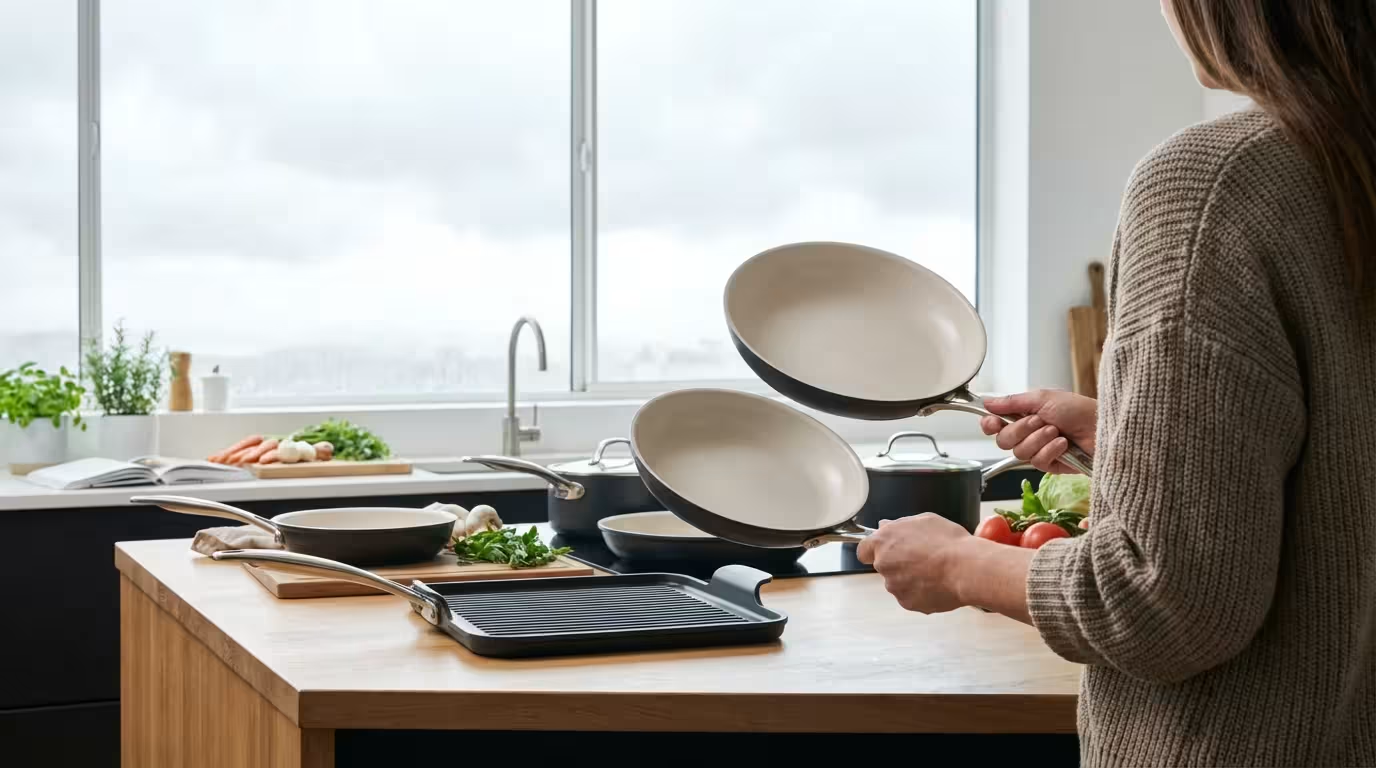
You want a pan that releases eggs and pancakes effortlessly, makes cleanup simple, and helps you cook without excess oil. Non-stick pans deliver on that promise, making them a staple in kitchens across America. Yet, navigating the world of non-stick can feel overwhelming. You likely have questions about safety, durability, and whether investing in a pricey model truly pays off. This guide cuts through the marketing hype, providing you with practical insights to choose a non-stick pan that fits your cooking style and lasts as long as possible.
Understanding Non-Stick Technology: PTFE vs. Ceramic Coatings
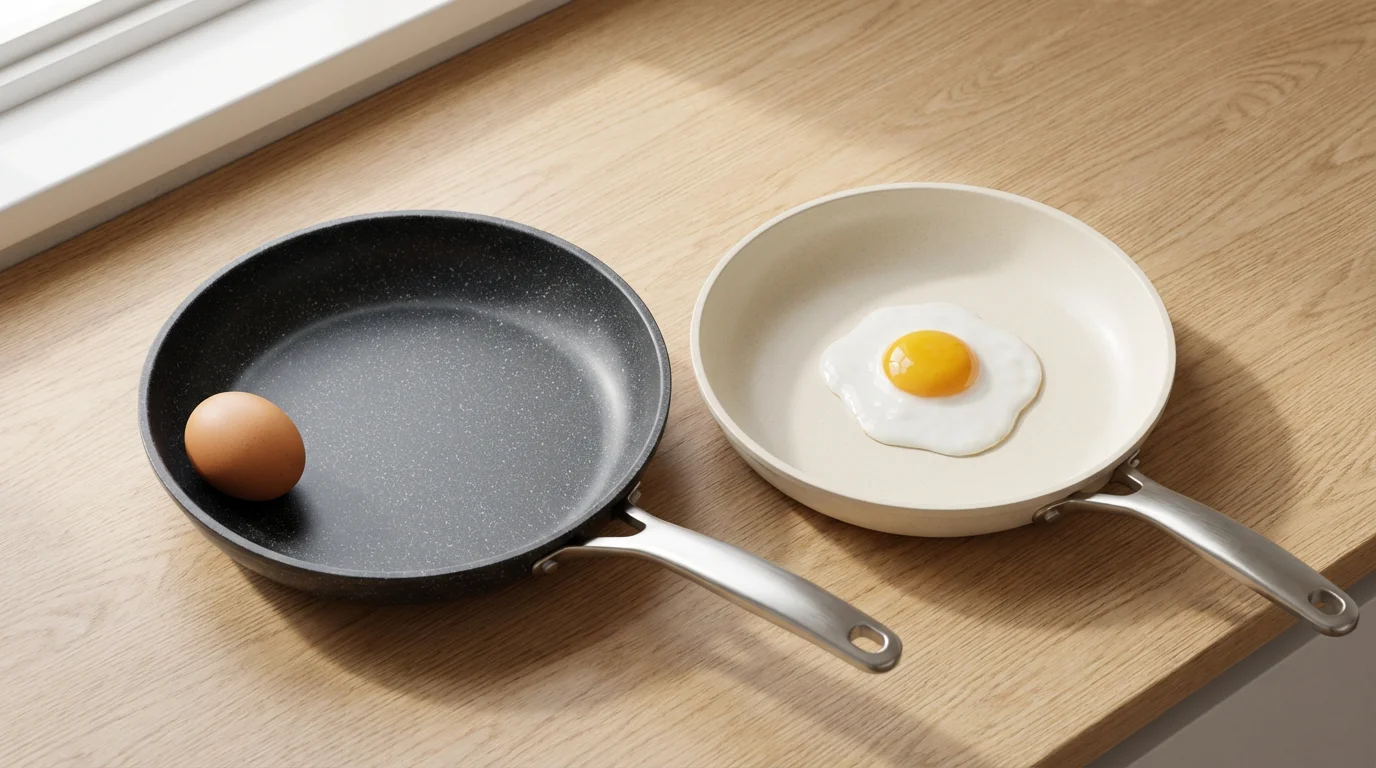
When you hear “non-stick pan,” you typically think of two main types of coatings: PTFE and ceramic. Understanding the differences empowers you to make an informed choice about what you bring into your kitchen.
PTFE (Polytetrafluoroethylene) Coatings
PTFE is the scientific name for the synthetic polymer commonly known as Teflon. This material creates a low-friction surface that prevents food from sticking. It boasts an incredibly slick surface, making it ideal for delicate foods like eggs, fish, and crepes. PTFE coatings are excellent at releasing food, ensuring your omelets slide right onto the plate.
For years, a major concern surrounding PTFE cookware involved perfluorooctanoic acid, or PFOA. This compound was historically used in the manufacturing process of some non-stick coatings. However, modern PTFE production has largely eliminated PFOA. Manufacturers like Chemours (the current owner of the Teflon brand) state their products are PFOA-free. According to Consumer Reports, the primary safety concern with PTFE non-stick pans today relates to overheating. When a PTFE pan reaches extremely high temperatures, generally above 500-570°F (260-300°C), the coating can begin to degrade, potentially releasing fumes. These fumes are typically harmless to humans in well-ventilated spaces, but they can be harmful to pet birds. Stick to medium heat or lower when using PTFE non-stick pans.
Ceramic Coatings
Ceramic coatings offer another non-stick option. These coatings are not truly ceramic in the traditional sense, like pottery. Instead, they are typically made from silica, a derivative of sand, applied as a gel and then cured. Ceramic non-stick coatings are often marketed as “green” or “healthy” alternatives because their production generally avoids PTFE and PFOA entirely. They offer good food release, though often slightly less slick than new PTFE surfaces.
The primary drawback of ceramic non-stick coatings is their durability. While they can withstand slightly higher temperatures than PTFE before degrading, they tend to lose their non-stick properties more quickly. The coating is more prone to chipping and scratching, and its performance degrades with heavy use and high heat. Expect a shorter lifespan from ceramic non-stick compared to even well-cared-for PTFE. While you might initially enjoy the eco-friendly appeal, prepare for a relatively swift decline in performance.
The Lifespan of Non-Stick: Why They Don’t Last Forever
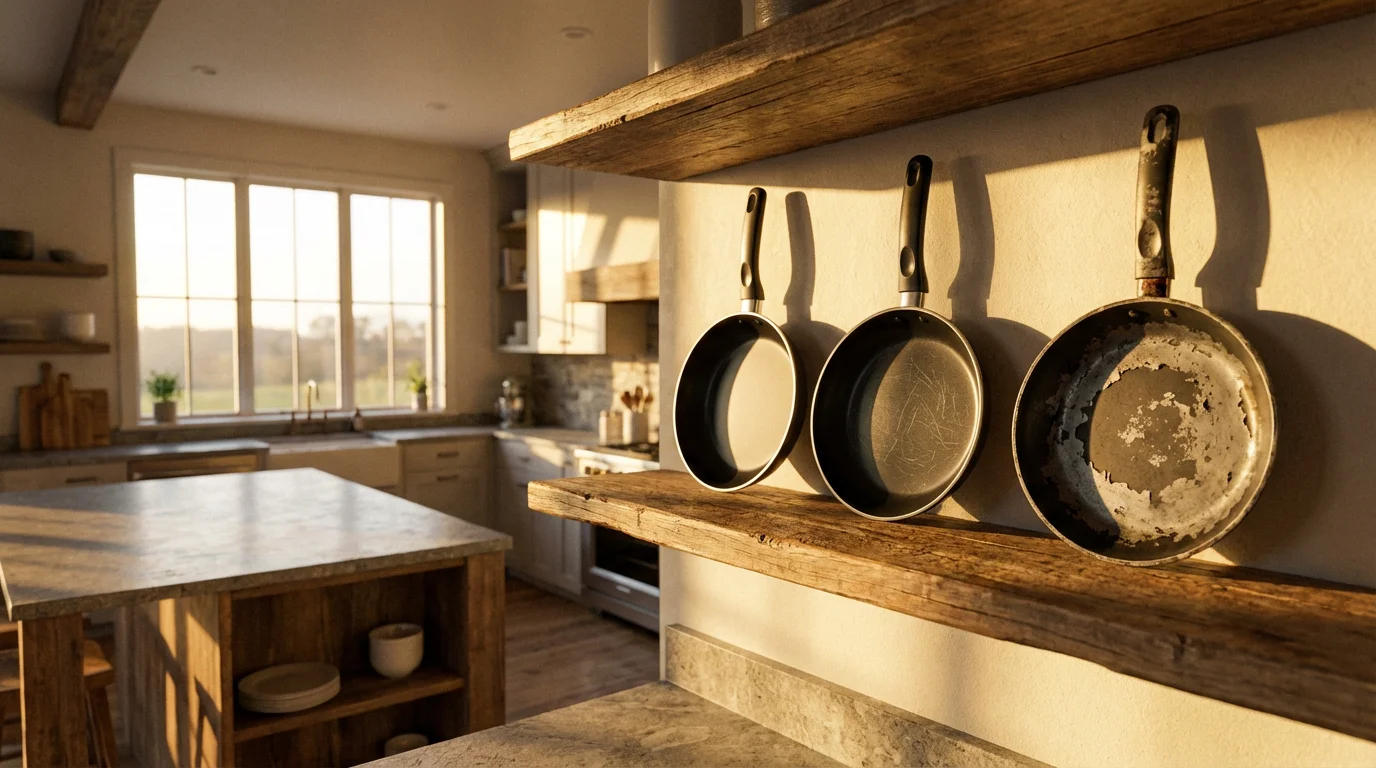
Unlike stainless steel or cast iron, which can last decades or even generations, non-stick pans have a finite lifespan. You are essentially buying a consumable item. Expect a non-stick pan to perform optimally for 1 to 5 years, depending on its quality, your usage, and your care. High-quality pans with thicker coatings and robust construction tend to last longer. The question of the “best non-stick pan that lasts longest” hinges directly on understanding its limitations and proper use.
Factors Affecting Non-Stick Durability:
- Heat Abuse: Overheating is the number one killer of non-stick coatings. High temperatures, especially when empty, cause the polymers in PTFE to break down, and ceramic coatings to become brittle and lose their slickness. Always use low to medium heat.
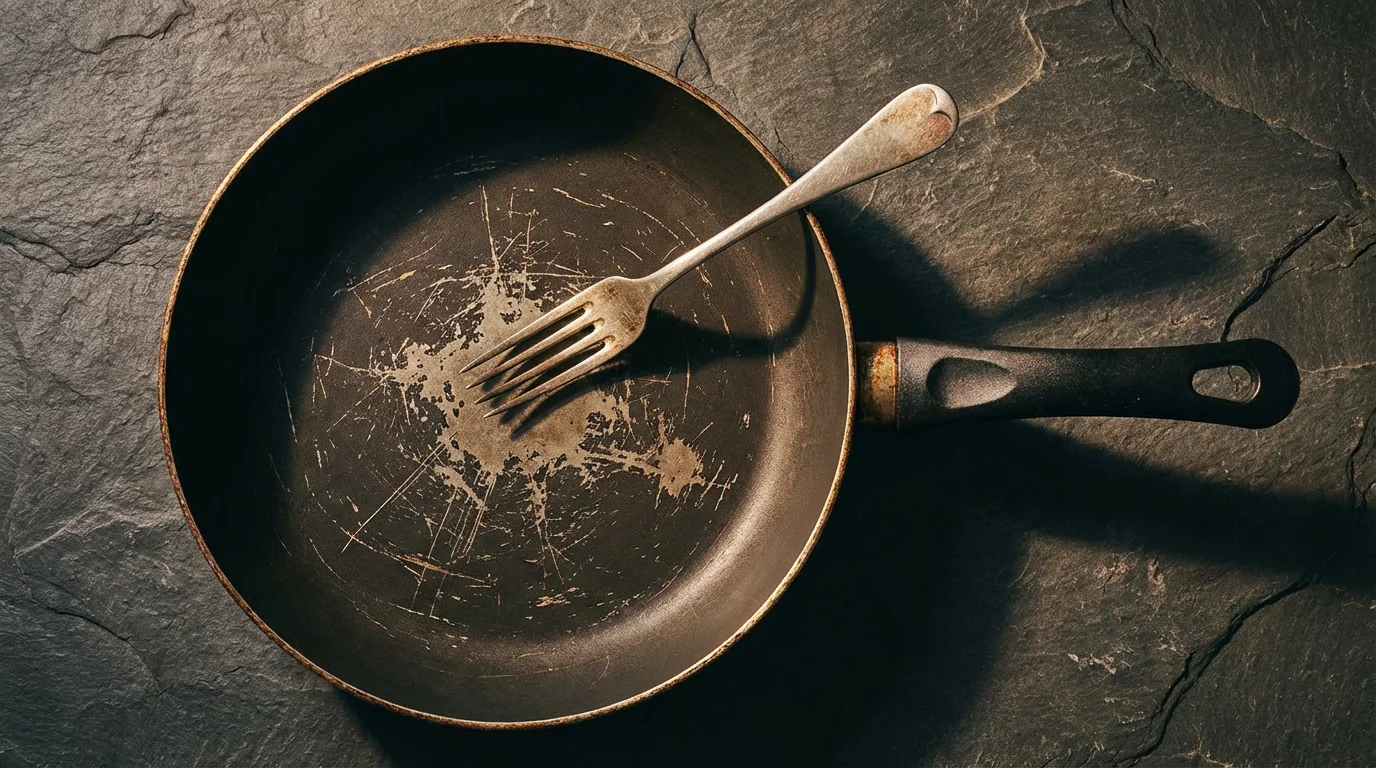
- Scratches and Abrasions: Metal utensils are the enemy of non-stick. Even minor scratches create weak points where food can stick, and the coating can further peel. Stick to silicone, wood, or plastic utensils.
- Dishwasher Detergents: While many non-stick pans claim to be “dishwasher safe,” the harsh chemicals and high heat of dishwashers accelerate the degradation of the coating. Hand washing is always recommended to prolong your pan’s life.
- Improper Cleaning: Abrasive scrubbers or harsh cleaners can damage the surface. Gentle sponges and mild dish soap are best.
- Stacking: Stacking pans without protection can lead to scratches. Use pan protectors or paper towels between them.
“A $30 cast iron pan, properly cared for, will outlast a $300 non-stick. Understand that you are buying convenience, not longevity, with non-stick cookware.”
Once your non-stick pan starts showing signs of flaking, significant scratching, or food begins to stick consistently, it is time to replace it. A compromised coating not only loses its utility but can also become a mild health concern if bits of coating are ingested, though most experts agree this poses little risk.
Heat Distribution and Performance: What to Expect
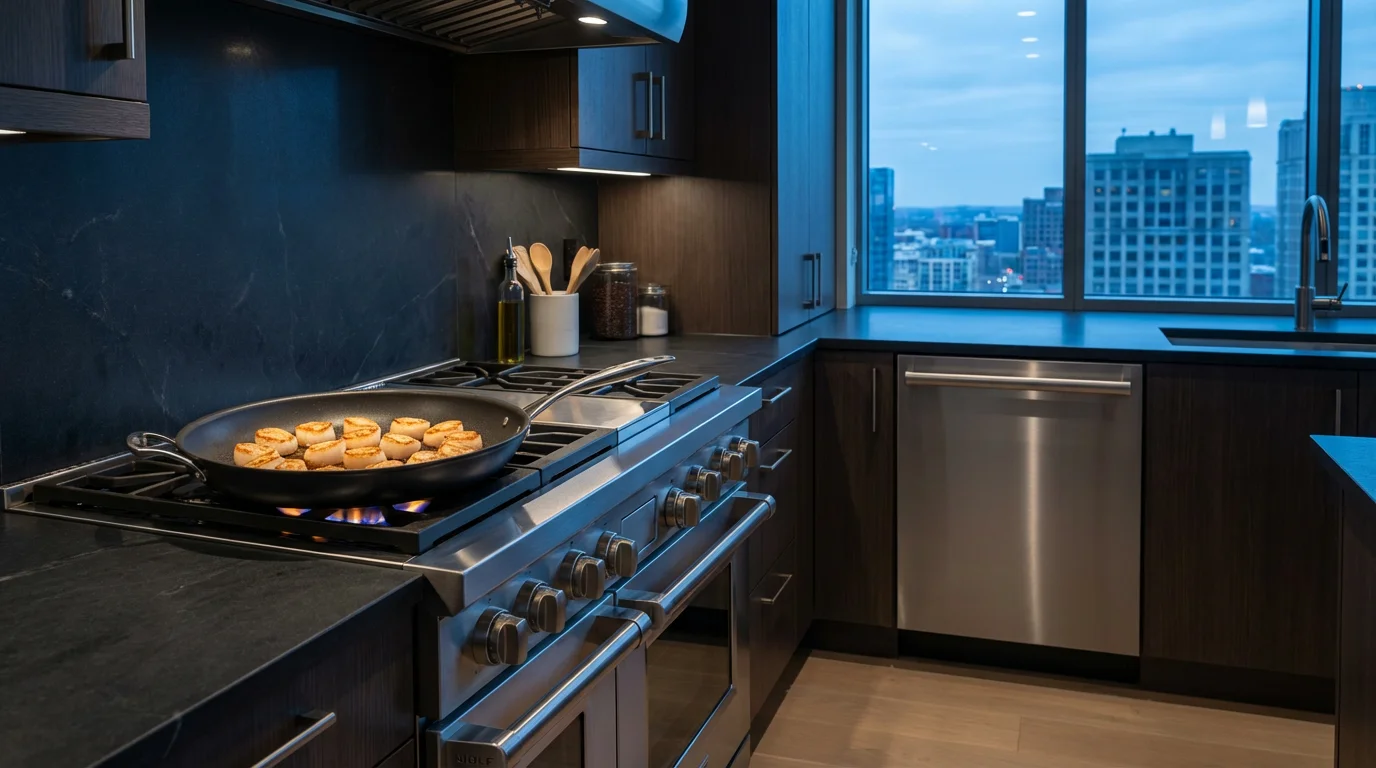
A non-stick pan’s performance goes beyond its slick surface. Heat distribution, how evenly the pan spreads heat across its entire surface, is crucial for consistent cooking results. Most non-stick pans feature a core of aluminum because of its excellent heat conductivity. Aluminum heats up quickly and distributes heat efficiently, preventing hot spots that can burn food.
Core Materials and Their Impact:
- Aluminum: Lightweight, excellent heat conductor. Most common core for non-stick pans. Often anodized for added strength and corrosion resistance.
- Stainless Steel: Some non-stick pans feature an encapsulated or tri-ply base with stainless steel, often with an aluminum core in between. Tri-ply refers to three layers of metal bonded together for better heat distribution and durability. This makes the pan induction compatible, meaning it works on induction cooktops, which require magnetic materials. Stainless steel also provides a more rigid, warp-resistant structure.
- Copper: Rarely used as a direct non-stick core due to cost, but sometimes found in tri-ply constructions for its superior heat conductivity.
The gauge, or thickness, of the metal in your pan significantly impacts its heat distribution and overall durability. A lower gauge number indicates a thicker metal. Thicker pans resist warping better and distribute heat more evenly, holding onto heat for more consistent cooking. A thin, flimsy non-stick pan will heat up rapidly, but also cool down quickly and be prone to warping on high heat.
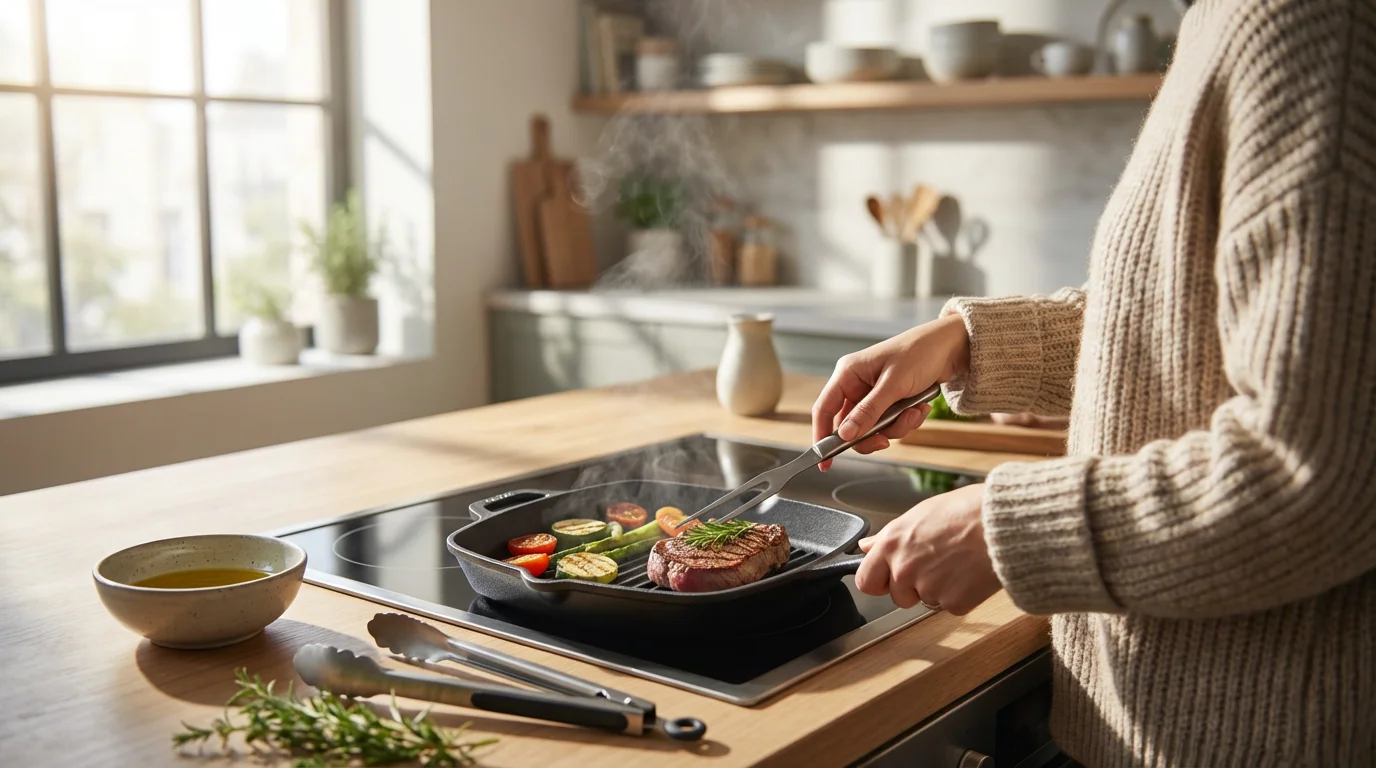
Non-stick pans excel at low to medium heat tasks. Their unique surface properties mean you can cook delicate items like scrambled eggs, pancakes, or flaky fish fillets without fear of sticking. However, they are generally poor choices for high-heat searing, browning, or deglazing. The high temperatures needed for these tasks can damage the non-stick coating and prevent the formation of a desirable crust (fond). For searing, you will want a cast iron or stainless steel pan.
Essential Care and Maintenance for Your Non-Stick Pan
Proper care dramatically extends the life of your non-stick pan. Think of it as an investment in smooth, stick-free cooking for longer.
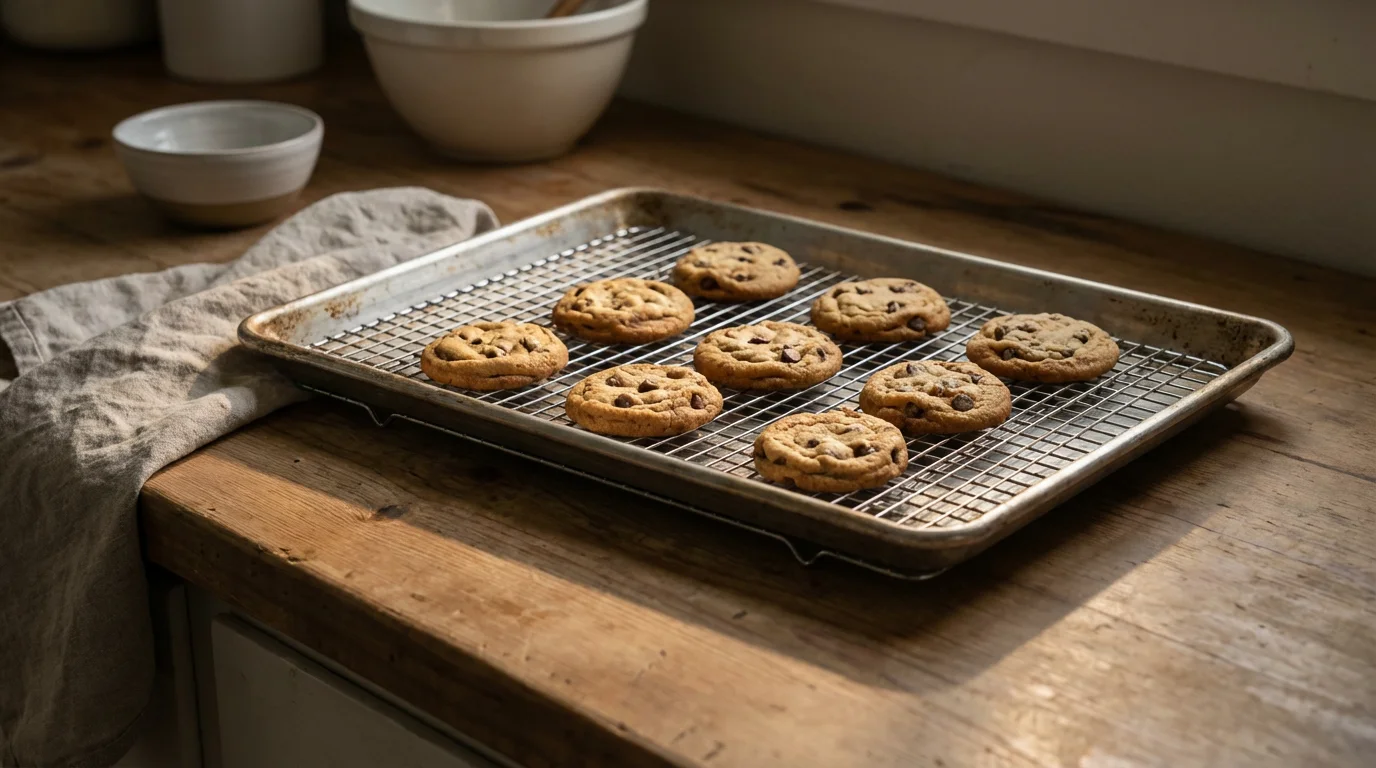
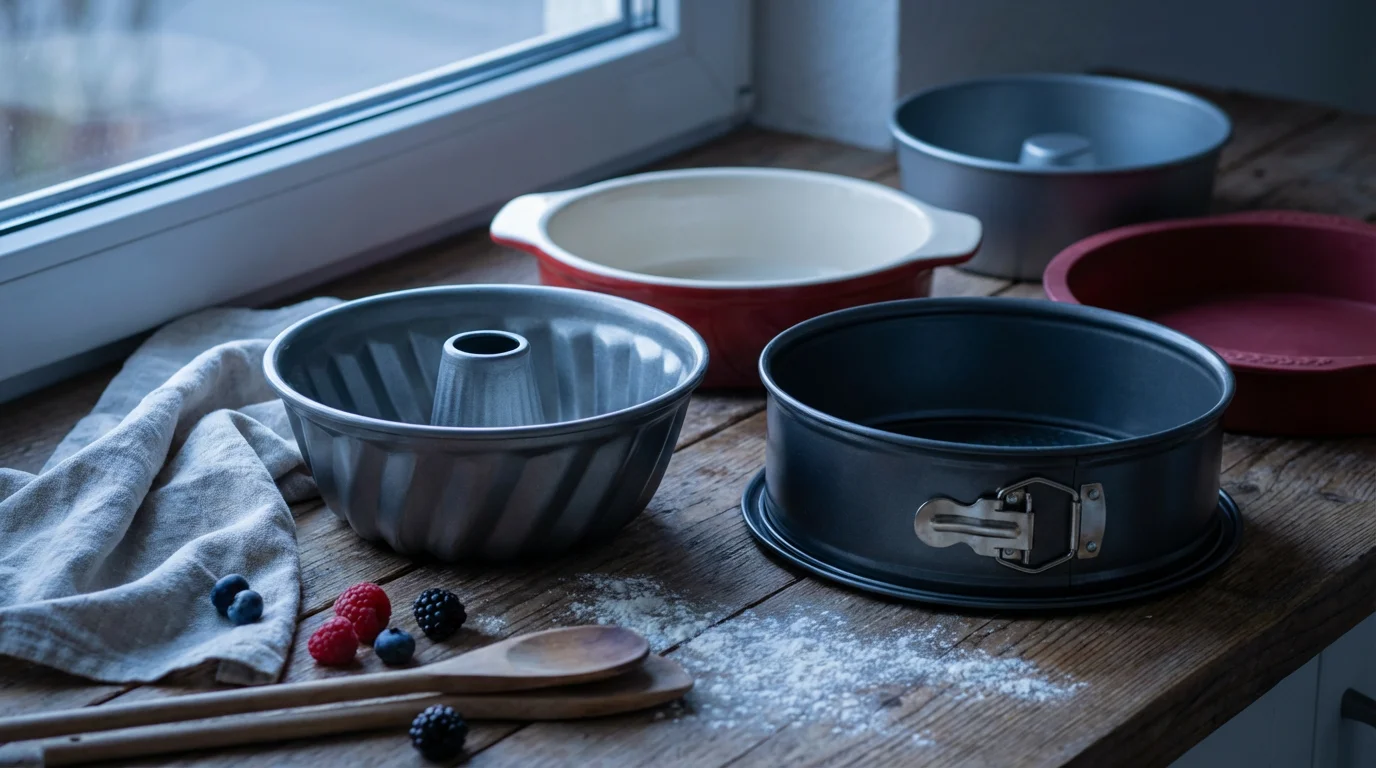
When your cooking moves from the stovetop to the oven, using the best baking sheets for even browning ensures your roasted vegetables and cookies turn out perfectly every time.
Key Maintenance Practices:
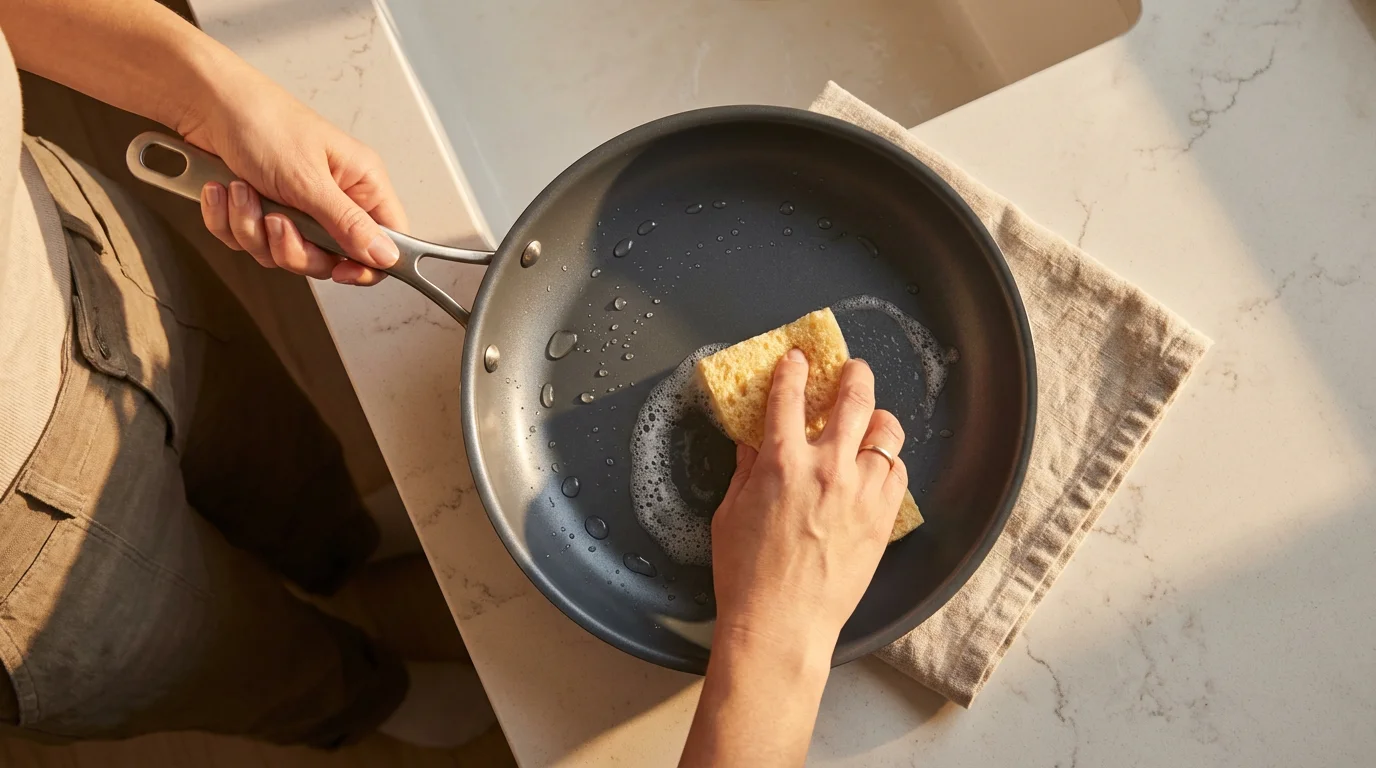
- Wash by Hand: Always hand wash your non-stick pans with warm, soapy water and a soft sponge or cloth. Avoid abrasive scrubbers, steel wool, or harsh detergents. Even if a pan is labeled “dishwasher safe,” the dishwasher’s high heat and aggressive detergents will shorten its lifespan.
- Avoid High Heat: Never preheat an empty non-stick pan on high heat. Use low to medium heat for all cooking. Most non-stick pans are oven-safe up to certain temperatures, typically around 350-400°F (175-200°C), but always check the manufacturer’s specific recommendations. This is crucial for maintaining the coating’s integrity.
- Use Proper Utensils: Stick to wooden, silicone, or heat-resistant plastic utensils. Metal utensils, even those claiming to be “safe for non-stick,” can scratch and damage the delicate surface over time.
- Store Carefully: Avoid stacking non-stick pans directly on top of each other. The bottoms of other pans can scratch the non-stick surface. Use pan protectors, felt pads, or even paper towels between stacked pans. Hanging pans is an ideal storage solution.
- Avoid Aerosol Cooking Sprays: Some aerosol sprays can build up a sticky residue on non-stick surfaces that is difficult to remove and can degrade the coating, making food stick. Use a small amount of butter or oil directly on the pan instead.
By following these simple steps, you extend the useful life of your non-stick cookware, preserving that coveted easy-release surface for countless meals.
Non-Stick Pans in Your Cookware Arsenal: When to Choose One
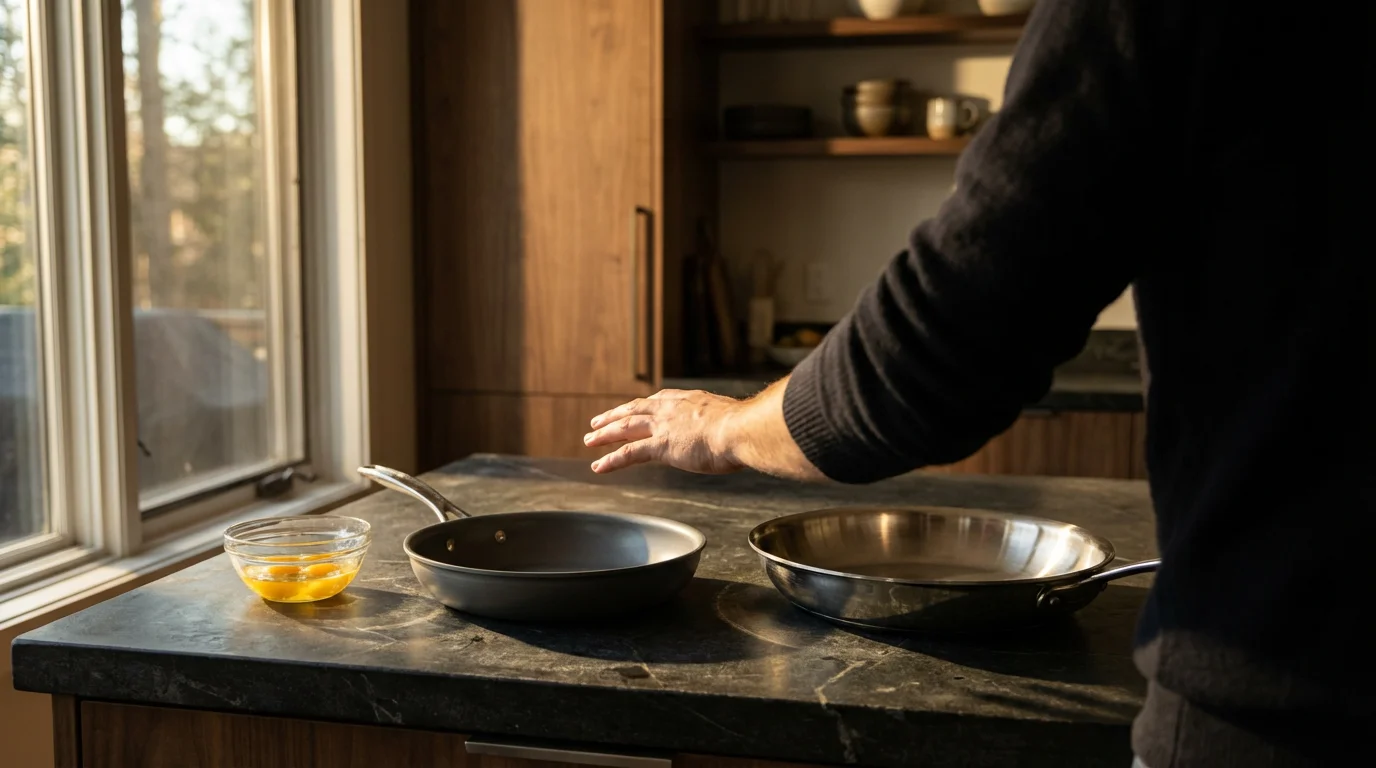
A functional kitchen relies on a diverse set of cookware, each material excelling at specific tasks. Non-stick pans are indispensable for certain jobs, but they cannot replace every other type of pan. Here is how non-stick compares to other common cookware materials:
For those who enjoy making high-heat Asian dishes, specialized woks for home stir-frying offer better performance and heat distribution than a standard non-stick skillet.
| Cookware Material | Best Use Cases | Pros | Cons | Maintenance | Durability |
|---|---|---|---|---|---|
| Non-Stick Pan (PTFE/Ceramic) | Eggs, pancakes, delicate fish, crêpes, quick stir-fries | Excellent food release, easy cleanup, less oil needed | Low heat limit, poor searing, shorter lifespan, fragile coating | Hand wash, non-metal utensils, low-medium heat | Limited (1-5 years) |
| Stainless Steel (Tri-ply) | Searing meat, sautéing vegetables, deglazing, sauces, everyday cooking | Durable, non-reactive, oven-safe, induction compatible, excellent heat distribution (tri-ply) | Food can stick without fat, requires more cleanup effort for stuck food | Dishwasher safe (often), can use metal utensils, withstands high heat | Excellent (decades) |
| Cast Iron (Seasoned) | Searing, frying, baking (cornbread, frittatas), deep-frying, high-heat cooking | Incredible heat retention, naturally non-stick (when seasoned), lasts forever, inexpensive | Heavy, slow to heat up, requires seasoning, can rust, reactive to acidic foods (when new) | Hand wash (no soap initially), dry immediately, re-season | Exceptional (generations) |
| Carbon Steel (Seasoned) | Searing, stir-frying, omelets, similar to cast iron but lighter and more responsive | Excellent heat responsiveness, naturally non-stick (when seasoned), durable, lighter than cast iron | Requires seasoning, can rust if not maintained, reactive to acidic foods | Hand wash, dry immediately, season regularly | Excellent (decades) |
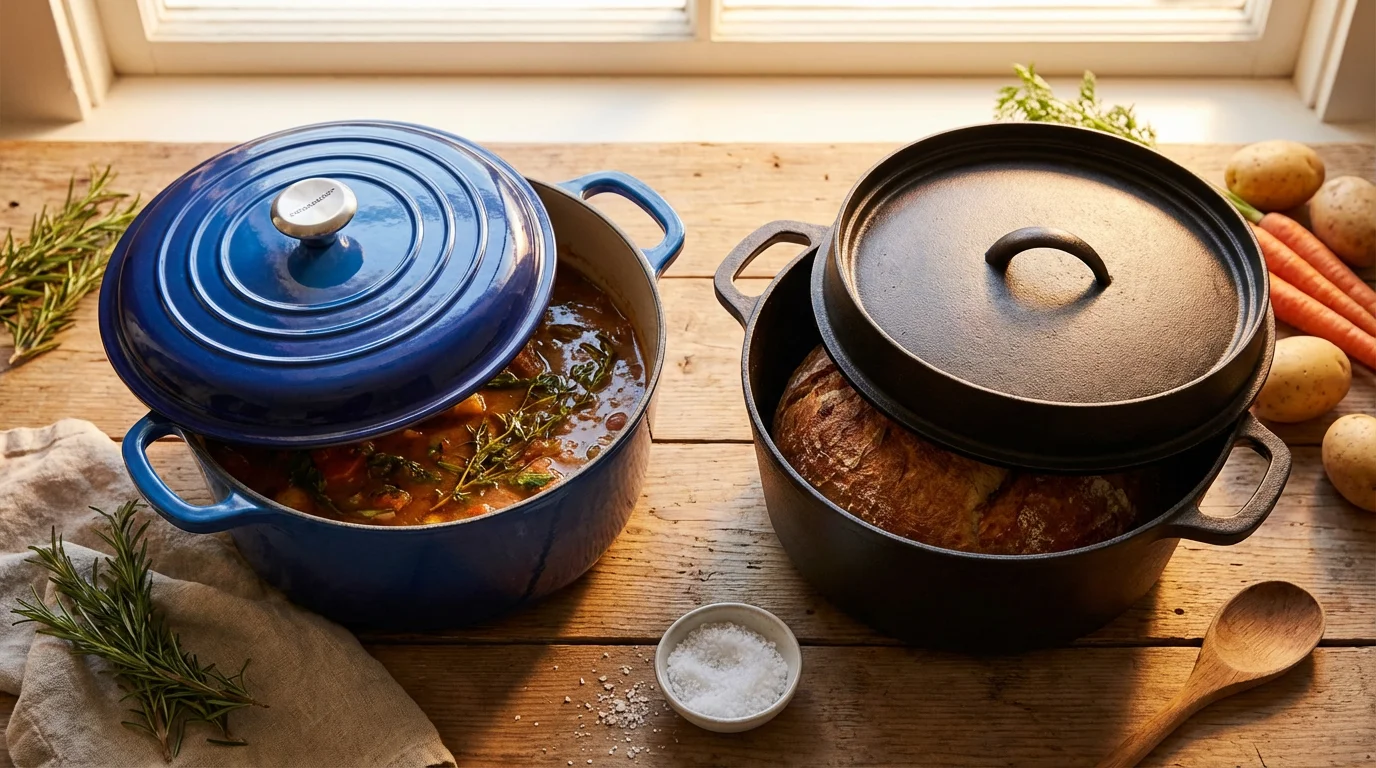
For an essential starter set, you will ideally want a combination. A 10-inch non-stick pan for eggs and delicate items is crucial. Pair this with a 10-12 inch stainless steel skillet for searing and general-purpose cooking, and a 5-6 quart Dutch oven or stockpot for soups and stews. Consider adding a cast iron skillet later for specific high-heat tasks. This approach ensures you have the right tool for every cooking job, leveraging each material’s strengths. Remember, “seasoned” refers to the protective, non-stick coating built up on cast iron or carbon steel through repeated use and oil. Oven-safe simply means the pan can go from stovetop to oven without damage; always check the maximum temperature. Induction compatible cookware contains magnetic material, allowing it to work on induction cooktops.
Buying Guide: Features to Look For and Brands to Consider
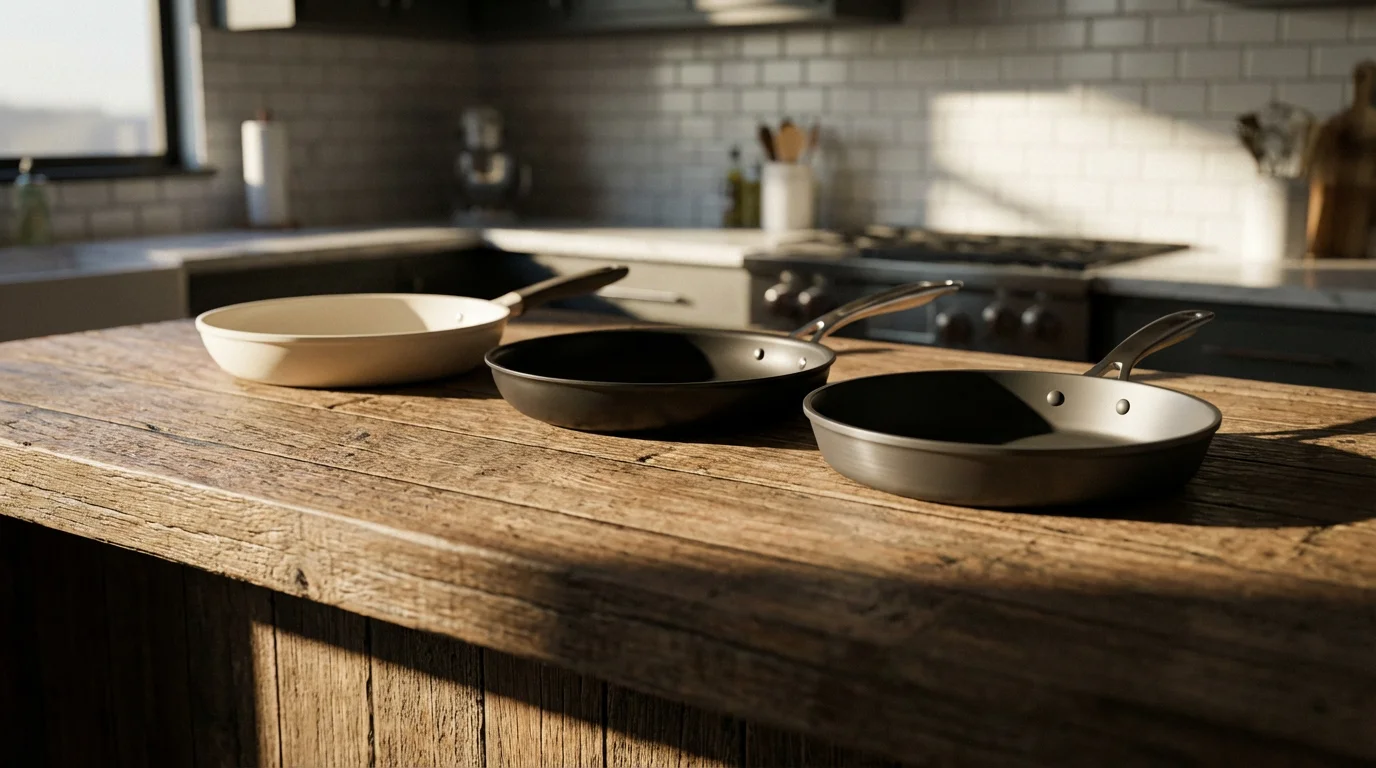
Choosing a non-stick pan involves more than just picking a color. Focus on construction, features, and brand reputation to find a pan that offers the best value and performance for your needs. When selecting a non-stick pan, consider buying individual pieces rather than entire cookware sets. Non-stick pans have a limited lifespan, so replacing just one pan when it wears out is more economical and practical than replacing an entire set.
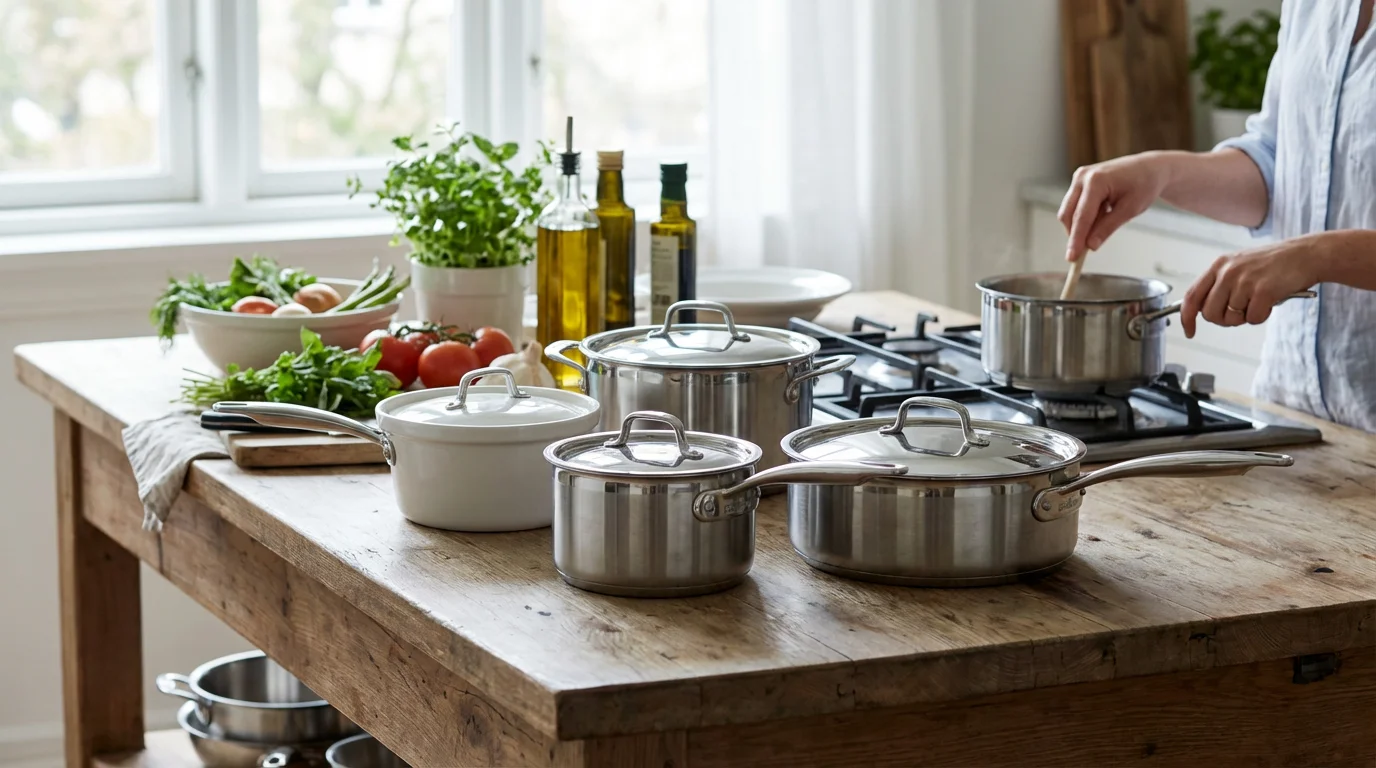
While a skillet handles the frying, you’ll also need the best saucepans for everyday cooking to manage soups, sauces, and boiling grains.
Key Features to Evaluate:
- Construction Material: Look for a heavy-gauge aluminum core for superior heat distribution and warp resistance. Stainless steel bases provide induction compatibility and added durability.
- Handle Comfort and Attachment: Handles should be comfortable to grip and securely attached, usually with rivets for longevity. Ensure the handle material is oven-safe if you plan to transfer the pan from stovetop to oven.
- Lids: Glass lids allow you to monitor food without lifting, while metal lids are more durable. Ensure a tight fit.
- Oven-Safe Temperature: Verify the maximum oven-safe temperature for the entire pan, including the handle and lid, if you intend to use it in the oven. Typical non-stick pans are safe up to 350-400°F.
- Coating Layers: Higher-quality non-stick pans often feature multiple layers of coating, which contributes to greater durability and longer non-stick performance.
Brand Comparisons and Recommendations:
You find non-stick pans at every price point, but quality varies significantly. Here is a look at some popular brands:
- High-End ($100+):
- All-Clad Non-Stick: Known for superior construction, often with an anodized aluminum base and PFOA-free PTFE coatings. They offer excellent heat distribution and warp resistance. While an investment, they tend to last longer than cheaper alternatives.
- Le Creuset Toughened Nonstick (TNS): These pans are sturdy, with a hard-anodized aluminum body and multi-layer PFOA-free non-stick coating. They feel substantial and perform well, often boasting higher oven-safe temperatures.
- Mid-Range ($50-$100):
- Cuisinart: Offers a wide range of non-stick pans, often with hard-anodized aluminum or multi-clad bases. Their products frequently provide a good balance of performance and price, making them a popular choice. Many Cuisinart models are induction compatible.
- Anolon: Specializes in hard-anodized aluminum non-stick cookware. Their coatings are known for durability and good food release. Anolon often integrates features like comfortable, stay-cool handles and durable construction.
- Budget Alternatives ($20-$50):
- T-fal: A household name for non-stick, T-fal offers affordable and widely available options. They often include helpful features like a Thermospot heat indicator. While they may not last as long as premium brands, they provide excellent initial non-stick performance for their price.
- Tramontina: Often found at warehouse clubs and online, Tramontina delivers impressive quality for its price point. Many of their non-stick offerings feature heavy-gauge aluminum and durable coatings, making them a strong contender for best value.
When selecting your pan, think about your most frequent non-stick cooking tasks. For example, Wirecutter’s cookware recommendations often highlight specific pans that excel in everyday use, providing practical insights for home cooks.
Dispelling Non-Stick Myths and Misconceptions
Misinformation about non-stick pans abounds. Separating fact from fiction helps you use your cookware effectively and safely.
- Myth: Non-stick pans are forever non-stick.
Fact: All non-stick coatings degrade over time. Their lifespan is finite, and eventual replacement is necessary. They are not designed for multi-generational use like cast iron.
- Myth: Dishwasher safe means it’s good for the pan.
Fact: While some manufacturers label their non-stick pans “dishwasher safe,” the harsh detergents and high heat accelerate coating degradation. Hand washing is always the gentler, more effective way to preserve your pan’s non-stick properties.
- Myth: High heat makes food crispier in a non-stick pan.
Fact: Using high heat on a non-stick pan is counterproductive. It damages the coating, shortens the pan’s life, and does not achieve the same crispness as materials like cast iron or stainless steel. Non-stick surfaces are not designed for searing or developing a deep crust.
- Myth: All non-stick cookware is toxic.
Fact: Modern PTFE non-stick pans are made without PFOA. While overheating can release fumes, these are generally considered non-toxic to humans in ventilated kitchens. Ceramic coatings avoid PTFE and PFOA entirely. Responsible use at appropriate temperatures ensures safety.
Frequently Asked Questions
Can I use metal utensils on my non-stick pan?
No, you should avoid metal utensils on non-stick pans. Metal can scratch and damage the delicate non-stick coating, leading to chipping and a loss of its non-stick properties. Always use silicone, wood, or heat-resistant plastic utensils to prolong your pan’s life.
Are non-stick pans safe for high-heat cooking?
Non-stick pans are generally not safe for high-heat cooking. PTFE coatings begin to degrade at temperatures above 500-570°F (260-300°C), potentially releasing fumes. Ceramic coatings also perform best at medium temperatures. Using non-stick pans on high heat significantly shortens their lifespan and can compromise their safety. Stick to low to medium heat for optimal performance and longevity.
How do I know when to replace my non-stick pan?
You should replace your non-stick pan when the coating begins to flake, scratch significantly, or when food consistently starts sticking even after proper cleaning and seasoning. A pan that has lost its non-stick properties or has a visibly damaged coating no longer serves its purpose effectively and should be retired.
Can I put my non-stick pan in the oven?
Many non-stick pans are oven-safe, but their maximum temperature limits vary. Always check the manufacturer’s instructions for your specific pan. Typically, non-stick pans are oven-safe up to 350-400°F (175-200°C). High oven temperatures, like those for baking bread or roasting at 450°F+, can damage the non-stick coating and other components like handles.
Disclaimer: Product prices and availability change frequently. Prices shown were accurate at time of writing but may have changed. We may earn a small commission from purchases made through links on this site, at no extra cost to you. Always verify current pricing on the retailer’s website before purchasing.

Leave a Reply