
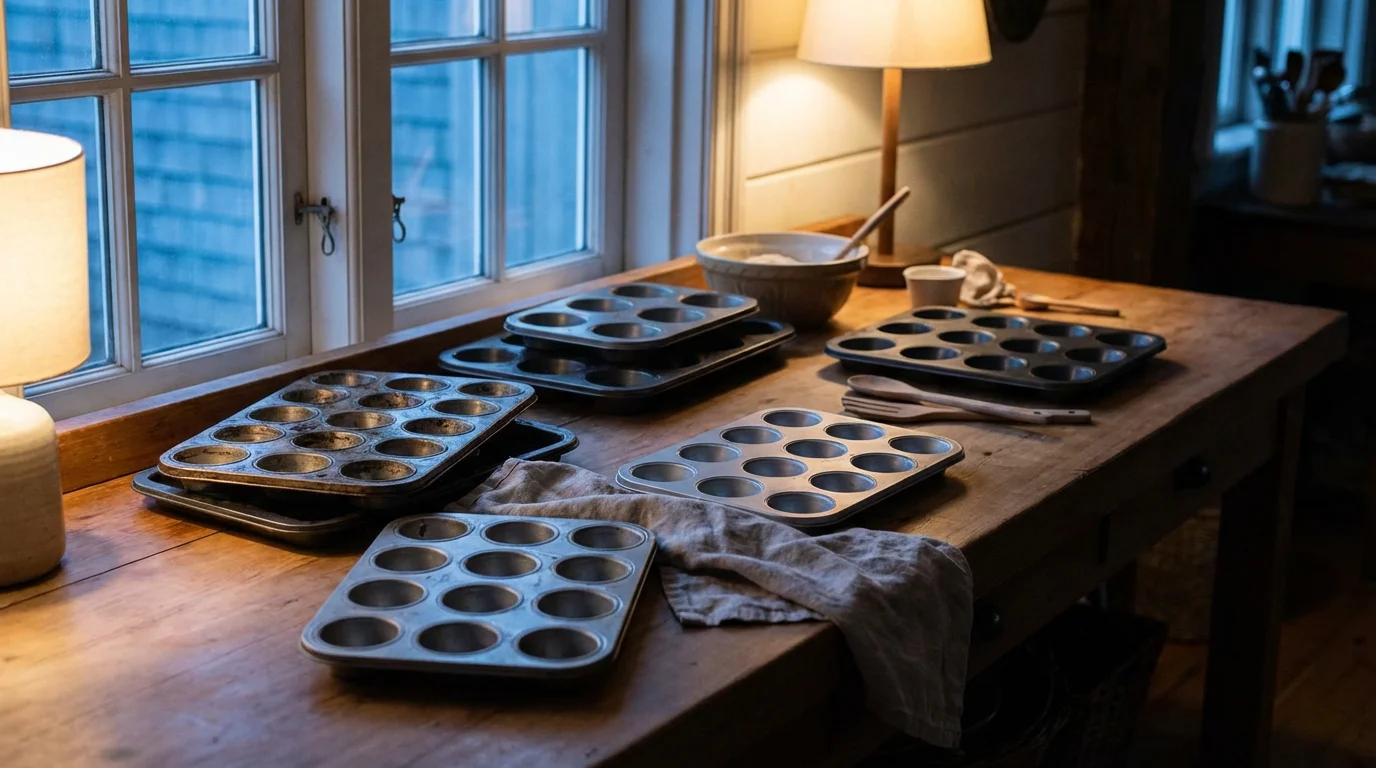
Baking muffins and cupcakes offers immense satisfaction, from the aroma filling your kitchen to the delightful first bite. However, selecting the right muffin tin or cupcake pan significantly impacts your baking success. With numerous materials, sizes, and brands available, distinguishing between marketing hype and true value becomes challenging. This guide provides practical insights, helping you choose durable, high-performing pans that elevate your baking experience. You will understand material differences, heat distribution, maintenance, and brand quality, allowing you to invest wisely in bakeware that truly lasts.
Understanding Muffin Tins and Cupcake Pans: More Than Just a Mold
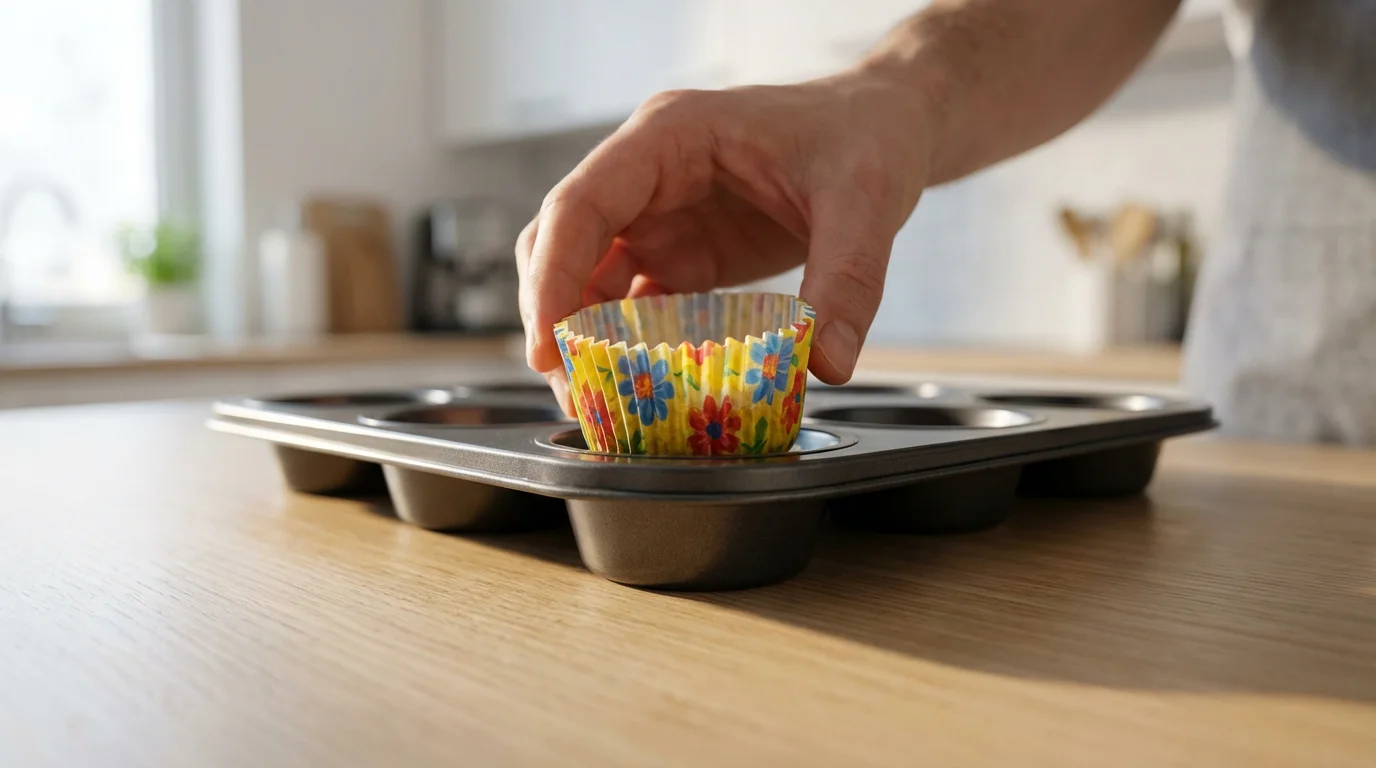
A muffin tin, also commonly called a cupcake pan, features a series of cup-shaped depressions designed to hold individual portions of batter. While their primary function appears simple, the construction and material of your chosen pan directly influence how evenly your baked goods rise, brown, and release. A quality pan ensures consistent results, preventing burned bottoms or undercooked centers. Selecting the correct pan goes beyond aesthetics, it involves understanding the practical impact of its design on your final product. You need to consider how well a pan conducts heat, its resistance to warping, and the ease of cleaning.
Material Matters: Metal, Silicone, and Non-Stick Coatings
The material of your muffin tin significantly affects baking performance, ease of use, and durability. You commonly find three main types: metal, silicone, and those with non-stick coatings. Each offers distinct advantages and disadvantages you must weigh.
Metal Muffin Tins: The Traditional Choice
Metal pans, typically made from aluminized steel or carbon steel, remain a staple in many kitchens. Aluminized steel, a steel core coated with aluminum, offers excellent thermal conductivity and resistance to corrosion. Carbon steel pans are durable and provide good heat retention, though they may require more diligent care to prevent rust if not properly maintained. The gauge, or thickness, of the metal directly impacts performance. A lower gauge number indicates a thicker metal, which usually translates to better heat distribution and less warping. Thicker pans maintain their shape better over time and prevent hot spots that can scorch your muffins.
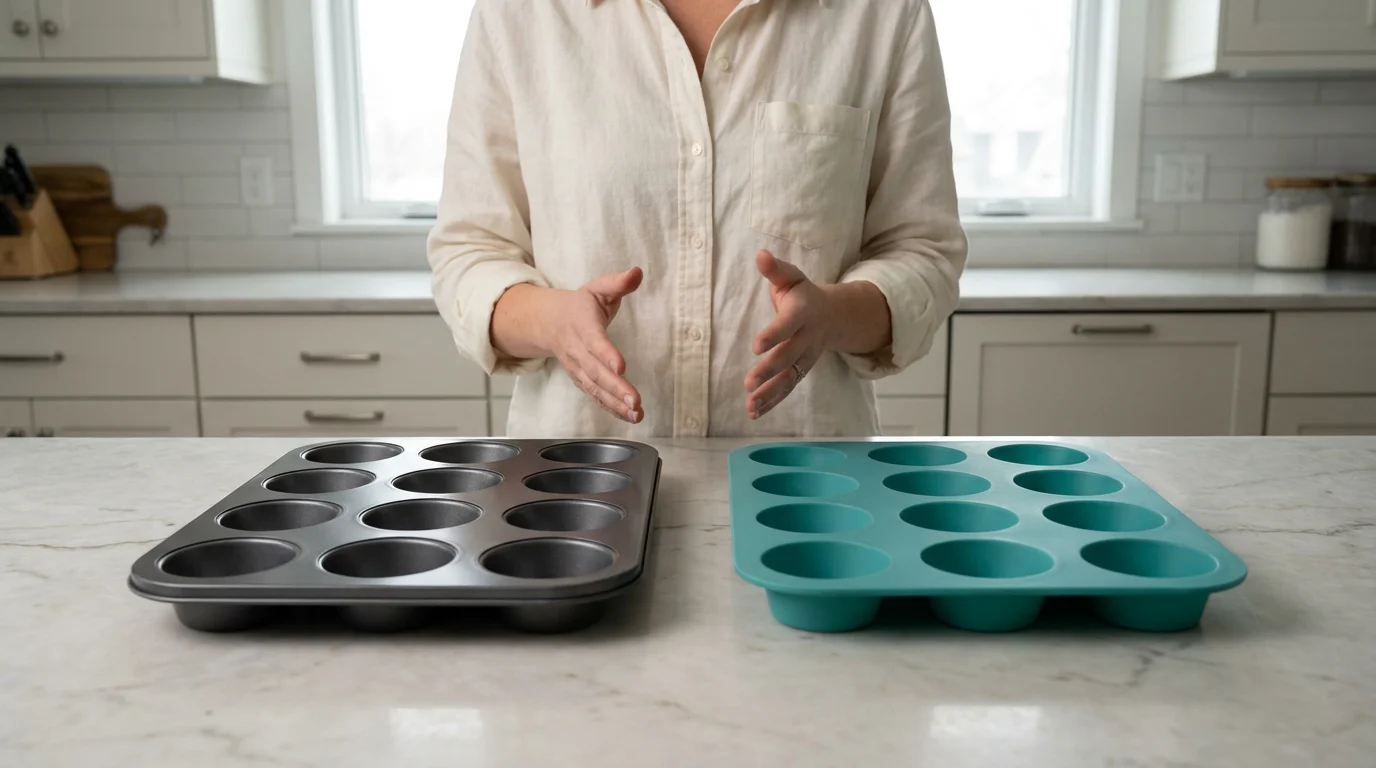
Metal pans excel at promoting browning, thanks to their superior heat transfer. This creates a desirable crust on your muffins and cupcakes. However, without a non-stick coating or proper greasing, sticking can become an issue.
Silicone Muffin Pans: Flexibility and Easy Release
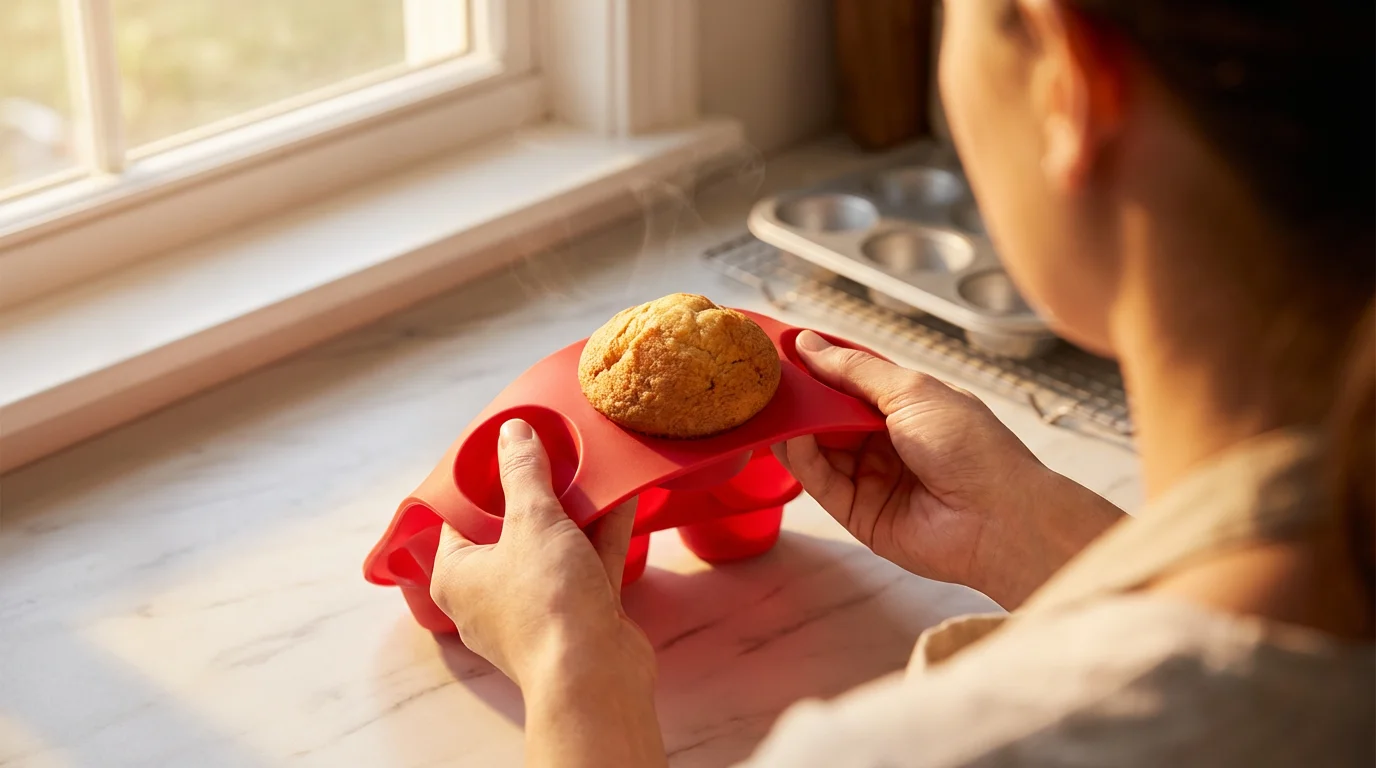
Silicone muffin pans offer unparalleled flexibility, making baked goods remarkably easy to release. You simply push from the bottom, and your muffins pop out without sticking. This eliminates the need for paper liners in many cases, saving you money and reducing waste. Silicone is also lightweight, easy to store, and generally oven-safe up to specific temperatures, usually around 400°F to 500°F. Always check the manufacturer’s maximum temperature rating.
However, silicone has drawbacks. It does not conduct heat as efficiently as metal, often resulting in less browning on the exterior of your muffins and cupcakes. This difference in heat distribution can lead to softer crusts. Some bakers also find silicone pans too flexible, making them difficult to transfer to and from the oven without spilling batter. Placing them on a baking sheet before filling resolves this issue. A common question arises, “silicone vs metal muffin pan which is better?” For superior browning and structure, metal often wins. For effortless release and flexibility, silicone stands out. Consider your priorities when making this choice.
Non-Stick Coated Muffin Tins: Convenience and Clean-Up
Many metal muffin tins feature a non-stick coating, promising an easy release and simpler cleanup. These coatings often utilize polytetrafluoroethylene, or PTFE, the chemical name for Teflon-style coatings. Newer options include ceramic coatings, made from silica, which advertise PFOA-free properties. Both aim to create a slick surface preventing food from adhering. This makes them an excellent choice for achieving the “best muffin tin for easy release.”
While convenient, non-stick coatings require careful handling. Metal utensils can scratch and damage the surface, compromising its non-stick properties and potentially flaking into your food. Overheating also degrades these coatings. Most non-stick pans are oven-safe up to 450°F, but check specific product guidelines. The durability of non-stick coatings varies significantly between brands and price points. While a cheap non-stick pan offers initial convenience, its lifespan is often limited compared to a higher quality, more durable option.
Sizing Up Your Baking Needs: Standard, Mini, and Jumbo
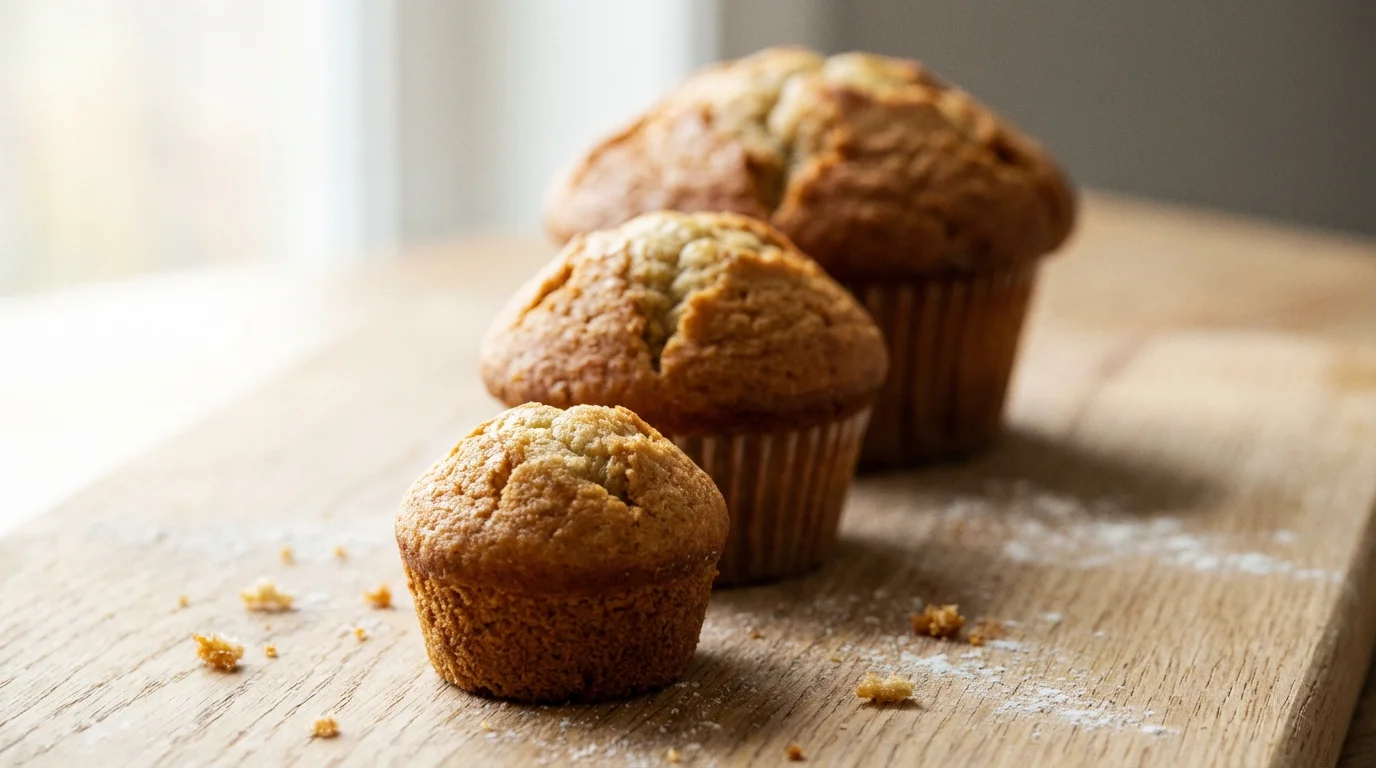
Muffin tins come in several standard sizes, each suited for different culinary applications. Understanding these sizes helps you select the right tools for your recipes and baking goals.
While these standard sizes cover most needs, certain desserts like delicate tortes are better suited for springform pans.
- Standard Muffin Tin: This is the most common size, typically featuring 12 cups, each holding about 1/2 cup of batter. The cups measure roughly 2.5 inches in diameter at the bottom and flare out to 3 inches at the top, with a depth of about 1.25 inches. Standard tins are versatile for everyday muffins, cupcakes, individual quiches, or savory egg cups.
- Mini Muffin Tin: These pans usually have 24 cups, with each cup holding approximately 1/8 cup of batter. The smaller size, around 1.25 inches in diameter, is perfect for bite-sized treats, samples, or small portions for children. They are popular for appetizers and dessert assortments.
- Jumbo Muffin Tin: Featuring 6 large cups, jumbo tins hold about 1 cup of batter per cup. These larger cups, around 3.5 inches in diameter, produce bakery-style muffins that are substantial and satisfying. Use them for generously sized muffins or individual pot pies.
Consider your typical baking volume and storage space. While a standard 12-cup pan is a foundational piece, a mini muffin tin can greatly expand your entertaining options. You might not need a jumbo pan unless you consistently bake large muffins.
Heat Distribution and Durability: What Makes a Pan Perform?
The performance of your muffin tin hinges on its ability to distribute heat evenly and withstand repeated use without warping. These factors directly influence your baking results and the lifespan of your pan.
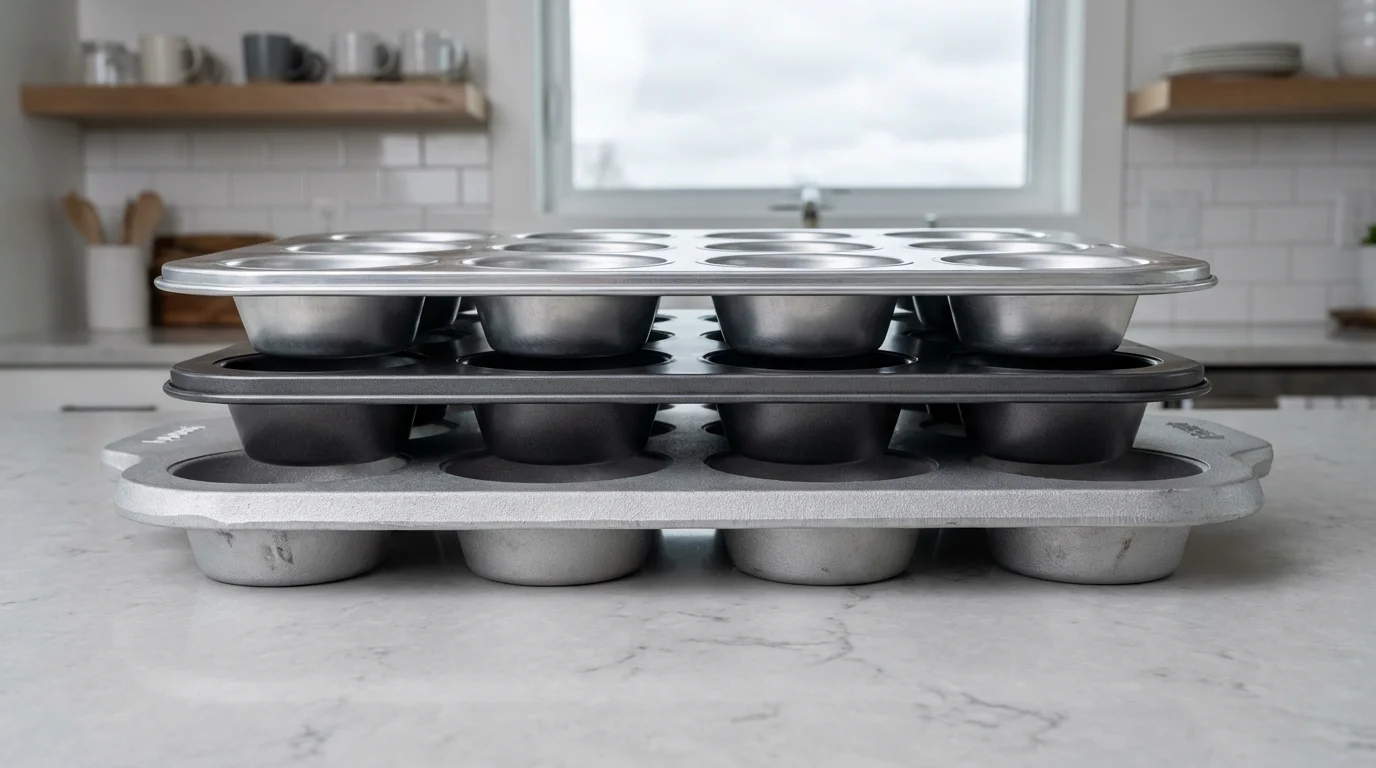
Proper heat distribution ensures that every muffin or cupcake bakes at the same rate, from the center of the pan to the edges. Thin, low-quality metal pans often suffer from poor heat distribution, leading to hot spots where items might burn, and cooler spots where they remain undercooked. Thicker gauge aluminized steel pans, for example, distribute heat more uniformly, promoting consistent browning and a even rise across all cavities. Silicone, as mentioned, insulates more than metal, leading to less browning, particularly on the sides and bottom.
Durability addresses how well a pan resists warping and maintains its structural integrity over time. Warping, where a pan twists or bends under high heat, is a common issue with cheaper, thinner metal bakeware. A warped pan will not sit flat in the oven, leading to uneven baking. Pans made from heavy-gauge steel or aluminized steel offer superior resistance to warping, ensuring they remain flat and functional for years. Investing in a pan with a solid, rolled edge further enhances its structural stability.
According to America’s Test Kitchen, baking pans with heavier construction and lighter-colored finishes tend to produce the most evenly baked goods because they prevent over-browning. This insight reinforces the value of thicker metal and proper coating for optimal results.
Essential Care and Maintenance for Longevity
Proper care extends the life of your muffin tin, regardless of its material. Following specific guidelines ensures your pans remain non-stick, rust-free, and effective for many years.
Caring for Metal Muffin Tins (Coated and Uncoated)
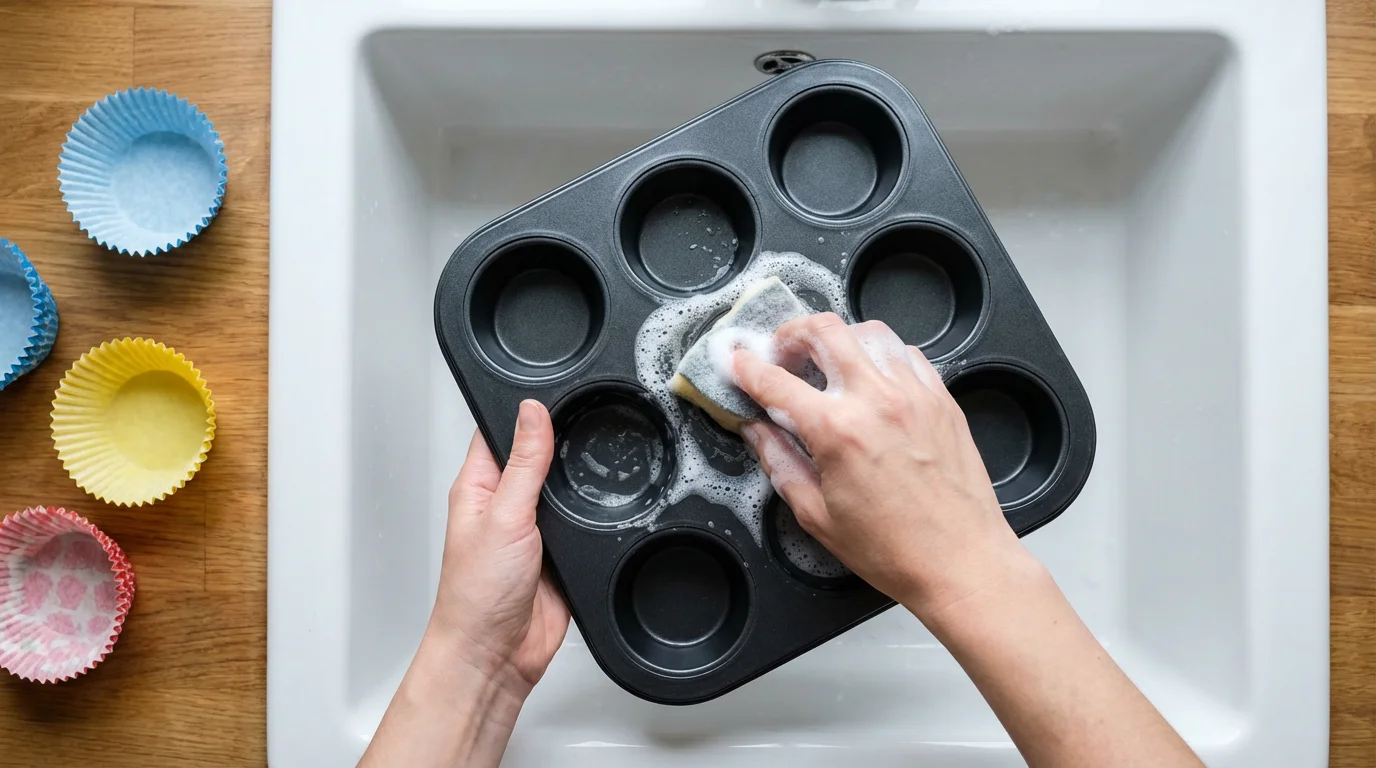
For non-stick metal pans, hand washing with warm, soapy water and a soft sponge is always recommended. Avoid abrasive scrubbers, harsh detergents, and metal utensils, which scratch and degrade the non-stick surface. Even if a pan claims “dishwasher safe,” harsh dishwasher detergents and high heat cycles can shorten the lifespan of the non-stick coating. After washing, dry the pan thoroughly to prevent rust, especially for carbon steel varieties.
Uncoated metal pans, while less common for muffins due to potential sticking, benefit from light greasing and flouring for most recipes. Some carbon steel muffin tins might be pre-seasoned or can be seasoned similarly to cast iron, developing a protective layer from baked-on oil. This helps with non-stick properties and prevents rust.
Caring for Silicone Muffin Pans
Silicone pans are generally easy to clean, often dishwasher safe. However, persistent odors or residue can sometimes cling to silicone. For deep cleaning, baking soda paste can help remove odors. Always ensure silicone is completely dry before storing to prevent mildew. Store them flat or stacked to maintain their shape; crumpling can sometimes cause permanent deformation over time.
“The longevity of any bakeware item, especially non-stick, depends less on its initial price and more on consistent, gentle care. Treat your pans well, and they will serve you faithfully for years.”
Brand Comparisons: Quality and Value in Muffin Tins
The market offers a wide range of muffin tins, from budget-friendly options to premium brands. Understanding what differentiates them helps you make an informed purchase.
High-End Options: Nordic Ware and OXO Good Grips
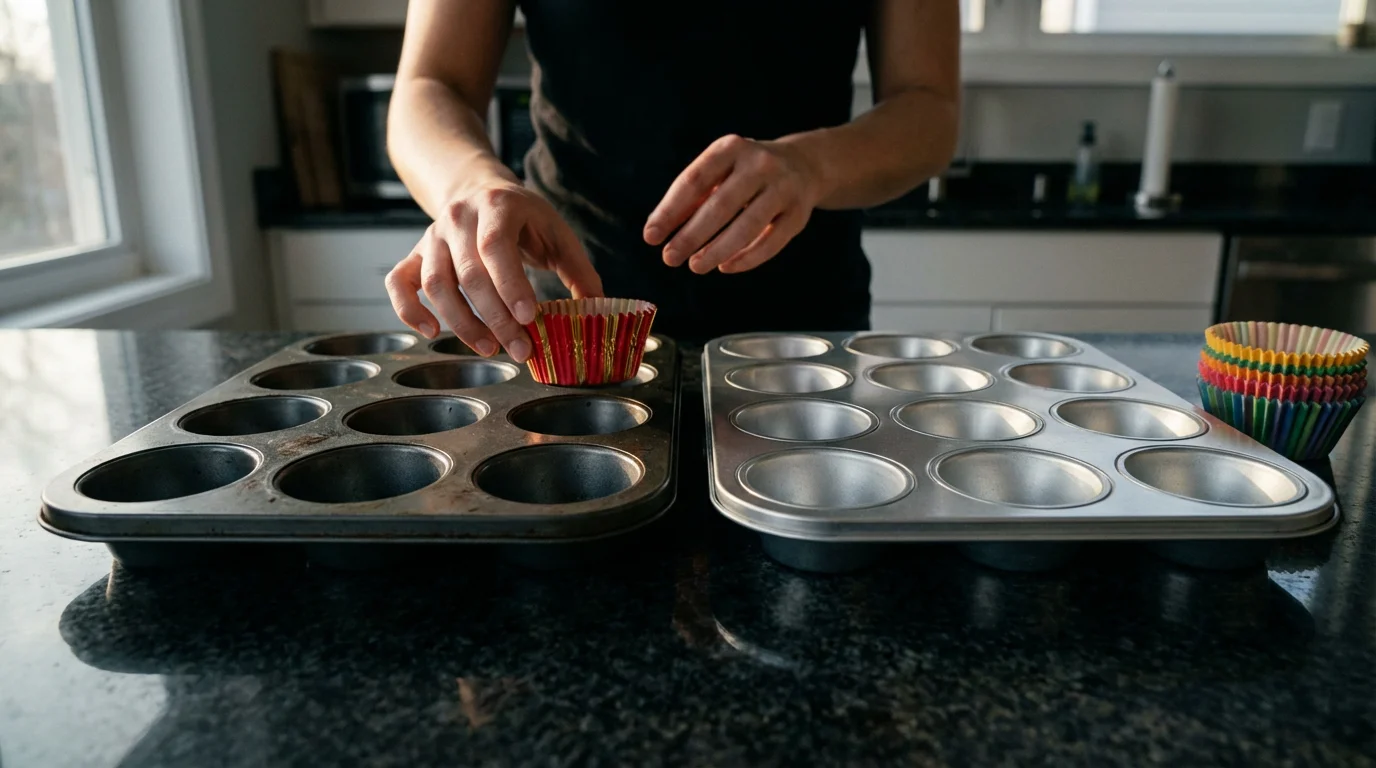
Brands like Nordic Ware consistently earn high marks for their heavy-gauge aluminized steel construction and superior non-stick coatings. Nordic Ware’s natural aluminum line, while not non-stick, offers exceptional durability and even baking. OXO Good Grips bakeware also features heavy-gauge aluminized steel and a micro-textured pattern that promotes airflow for even baking and easy release. These brands typically carry a higher price tag, but their durability, consistent performance, and often longer warranties justify the investment for serious bakers. They typically boast a lower metal gauge, meaning thicker metal, which resists warping and promotes excellent heat distribution. Many are oven-safe up to 450°F.
Mid-Range: Wilton and Cuisinart
Wilton is a popular brand, offering a variety of bakeware that balances quality and affordability. Their pans often feature durable non-stick coatings and sturdy steel construction. While not always as heavy-duty as Nordic Ware, Wilton pans provide reliable performance for most home bakers. Cuisinart also produces solid, mid-range bakeware with good non-stick properties and even heating. These brands represent a sweet spot for many, offering good value without the premium price of professional-grade equipment. Their gauge might be slightly higher (thinner) than top-tier brands, but still robust enough for consistent use.
Budget Alternatives: Store Brands and Generic Options
Numerous store brands and generic muffin tins are available at lower price points. These can be suitable for occasional bakers or those on a strict budget. However, you often compromise on material thickness, coating durability, and overall lifespan. These pans are more prone to warping and their non-stick coatings may degrade quickly. While they offer an accessible entry point into baking, frequent replacement might negate initial savings. When buying budget, look for pans with a slightly heavier feel, as this often indicates better quality metal.
The Good Housekeeping Institute regularly evaluates bakeware, often highlighting how higher quality materials and construction contribute to better baking results and longer pan life.
Here’s a comparison table of common muffin tin characteristics:
| Feature | Aluminized Steel (e.g., Nordic Ware) | Non-Stick Steel (e.g., Wilton) | Silicone (e.g., OXO) |
|---|---|---|---|
| Heat Distribution | Excellent, even browning | Very good, even with coating | Good, less browning on sides/bottom |
| Durability | High, warp-resistant | Moderate, coating can scratch | High, but can sag if not supported |
| Ease of Release | Good with greasing/liners | Excellent due to coating | Excellent, very flexible |
| Maintenance | Easy, hand wash recommended | Hand wash, avoid abrasives | Dishwasher safe, can absorb odors |
| Oven-Safe Temp | Up to 500°F | Up to 450°F | Up to 400-500°F (check specific product) |
| Typical Price Range | $$$ | $$ | $ – $$ |
Cookware Sets vs. Individual Pieces: The Baking Edition
When outfitting your kitchen, you face a common dilemma: buy a complete bakeware set or accumulate individual pieces? This decision applies directly to muffin tins and cupcake pans.
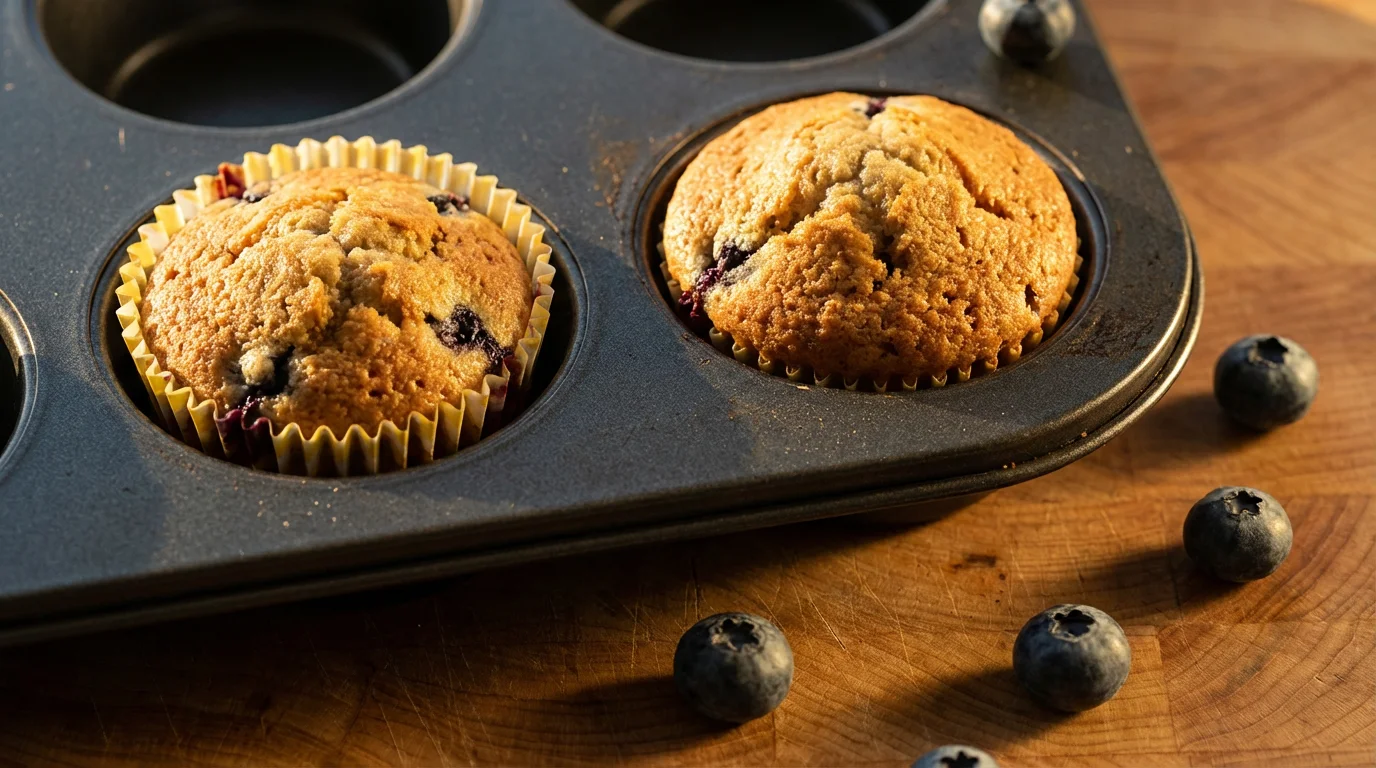
Bakeware sets often include a variety of items: a cookie sheet, a loaf pan, a square pan, and perhaps a muffin tin. These sets offer convenience and can be cost-effective if you need multiple pieces simultaneously. However, you may find that not all items in the set meet your quality expectations or specific needs. For example, a set might include a basic muffin tin when you prioritize a heavy-duty, non-stick version. For general baking, a set can be a good start.
Conversely, buying individual pieces allows you to select each item based on material, brand reputation, and specific features. If you bake muffins frequently, investing in a top-tier `muffin tin` becomes a priority. You can then choose a separate, high-quality `baking pan` for cookies and a specific `cupcake pan` that you know provides the best easy release. This approach ensures every piece in your kitchen truly serves your needs effectively, preventing you from acquiring unused or suboptimal bakeware. Ultimately, focusing on what you actually need, rather than what marketers want you to buy in a bundled package, leads to a more functional and satisfying kitchen.
Investing in Your Baking Future: Recommendations for Every Baker
Choosing the right muffin tin or cupcake pan depends on your baking habits, priorities, and budget. You can make an informed decision by understanding the strengths and weaknesses of different materials and brands.
For those looking to expand their collection further, we have also reviewed the best cake pans for home bakers to help you achieve professional results with every layer.
For the serious baker who prioritizes consistent browning and long-term durability, a heavy-gauge aluminized steel pan, possibly with a high-quality non-stick coating, offers the best investment. These pans resist warping, distribute heat evenly, and withstand years of use with proper care. Brands like Nordic Ware or OXO Good Grips provide excellent options in this category.
If easy release and minimal cleanup are your absolute top priorities, and you don’t mind slightly less browning, a well-regarded non-stick metal pan, or even a good quality silicone pan, will serve you well. Just remember the care requirements for non-stick surfaces to maximize their lifespan.
For the occasional baker or those just starting, a mid-range non-stick pan from a brand like Wilton offers a good balance of performance and affordability. Focus on finding one that feels substantial, indicating a better gauge metal, to avoid issues like warping.
Ultimately, you need pans that make your baking experience more enjoyable and successful. Invest in quality where it matters most to your specific baking frequency and preferences. A good `muffin tin` or `cupcake pan` should be a reliable tool that consistently helps you achieve perfect, evenly baked treats.
Frequently Asked Questions
What is the difference between a muffin tin and a cupcake pan?
If you enjoy individual portions, you might also like experimenting with smaller tarts using high-quality pie plates in various materials.
The terms “muffin tin” and “cupcake pan” are largely interchangeable. They refer to the same type of bakeware with cup-shaped depressions designed for baking individual portions of muffins, cupcakes, or other small baked goods. Manufacturers use both terms to describe identical products.
Is it better to use paper liners or bake directly in the pan?
Using paper liners offers convenience, making cleanup easier and ensuring effortless release, especially for standard metal pans. Baking directly in a good quality non-stick pan or silicone pan works well too, and can even promote slightly better browning on the sides and bottom of your muffins. The choice depends on your preference for presentation, cleanup ease, and how much browning you desire.
Can I use a metal muffin tin for savory items?
Absolutely, you can use metal muffin tins for a wide range of savory items. They are excellent for individual quiches, egg bites, mini meatloaves, cornbread muffins, or even baking small savory pastry shells. Ensure proper greasing or use liners to prevent sticking, particularly for cheesy or egg-based recipes.
How do I prevent muffins from sticking to my pan?
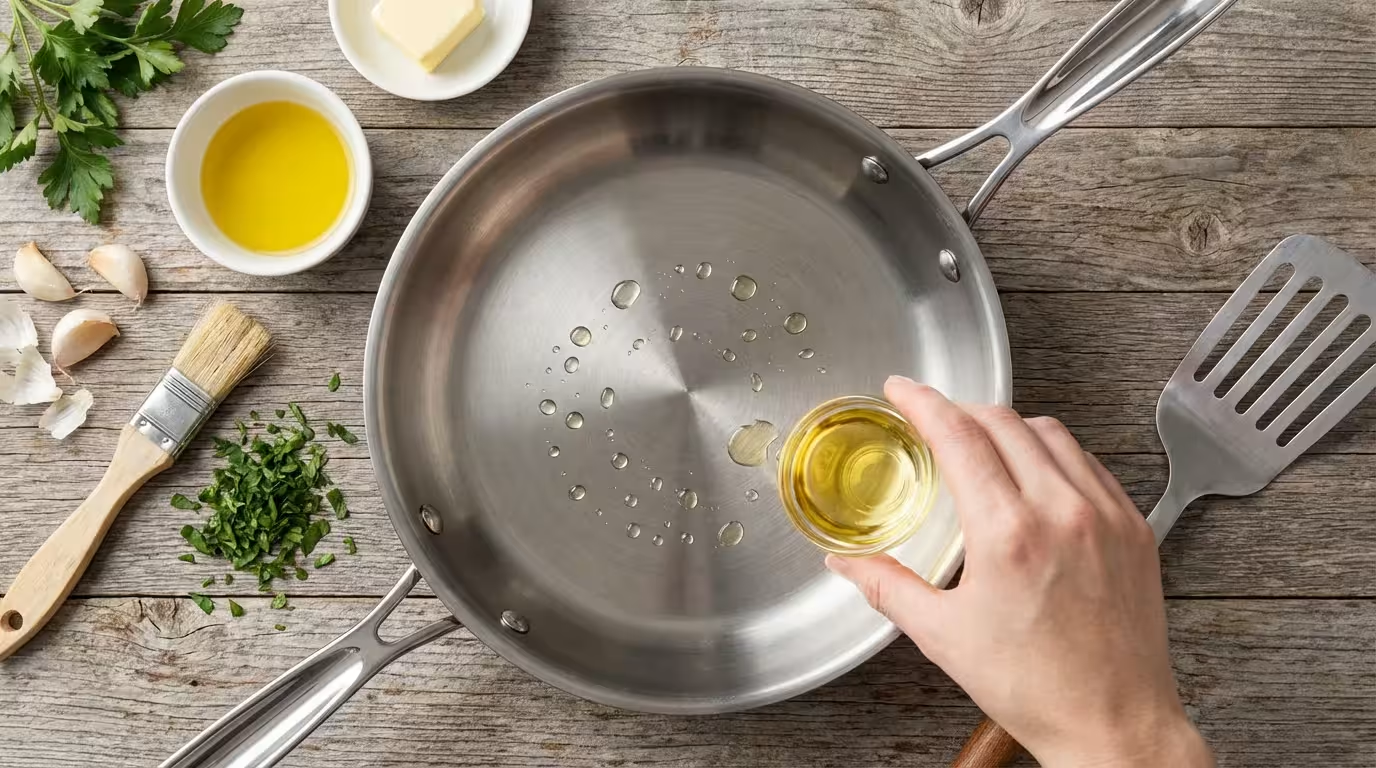
To prevent sticking, ensure you thoroughly grease your pan, even if it is non-stick, using butter, shortening, or a non-stick cooking spray. Alternatively, using paper baking liners almost guarantees easy release. For older non-stick pans where the coating is degrading, liners become essential.
Disclaimer: Product prices and availability change frequently. Prices shown were accurate at time of writing but may have changed. We may earn a small commission from purchases made through links on this site, at no extra cost to you. Always verify current pricing on the retailer’s website before purchasing.

Leave a Reply