
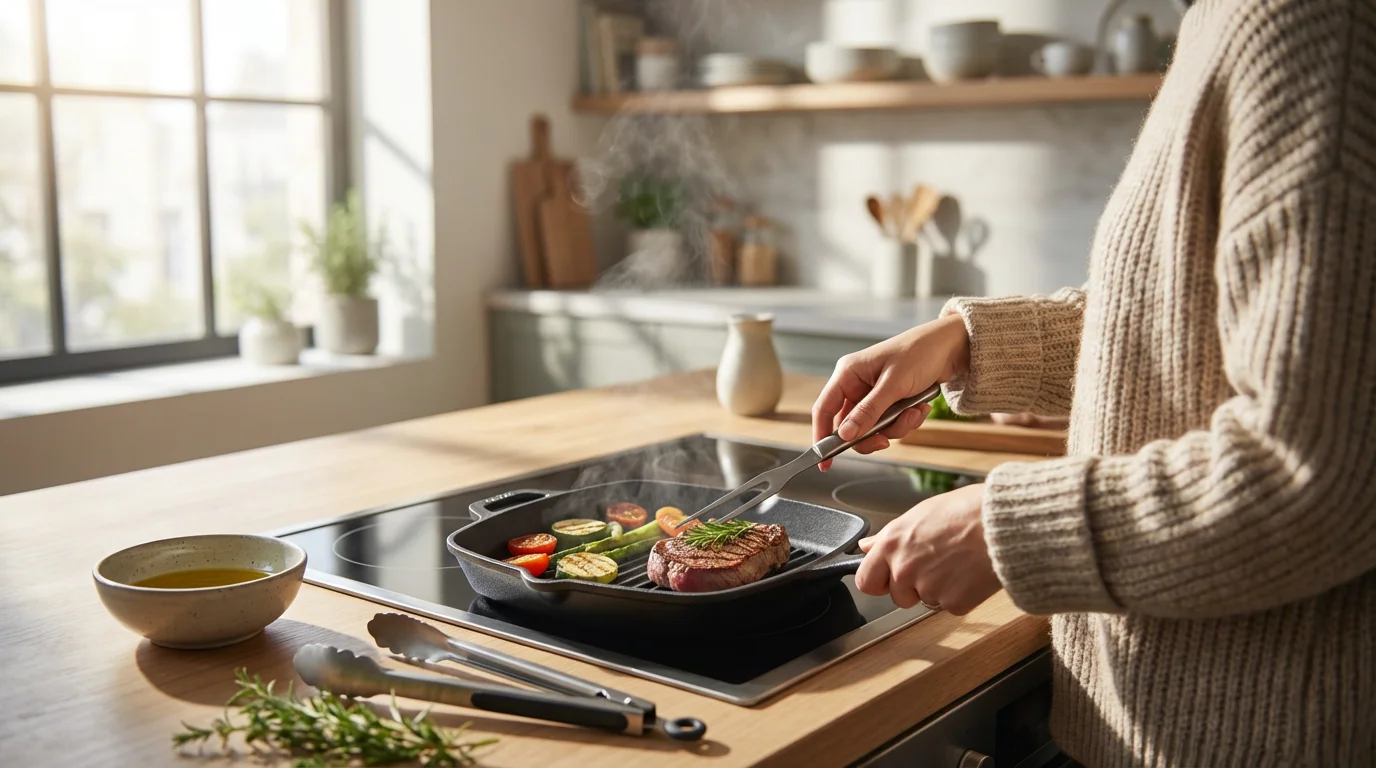
The sizzle of a steak, the char on a bell pepper, the distinct grill marks that promise flavor – you crave these experiences even when outdoor grilling is not an option. A high-quality grill pan brings that authentic grilling experience right to your stovetop. This guide cuts through the confusion, helping you select, use, and maintain the best grill pan for your indoor culinary adventures.
You can achieve restaurant-quality sears and smoky flavors without stepping outside. Understanding the differences in materials, how to properly use your pan, and essential maintenance practices ensures your investment pays off in delicious meals for years to come.
What is a Grill Pan and Why Use One?
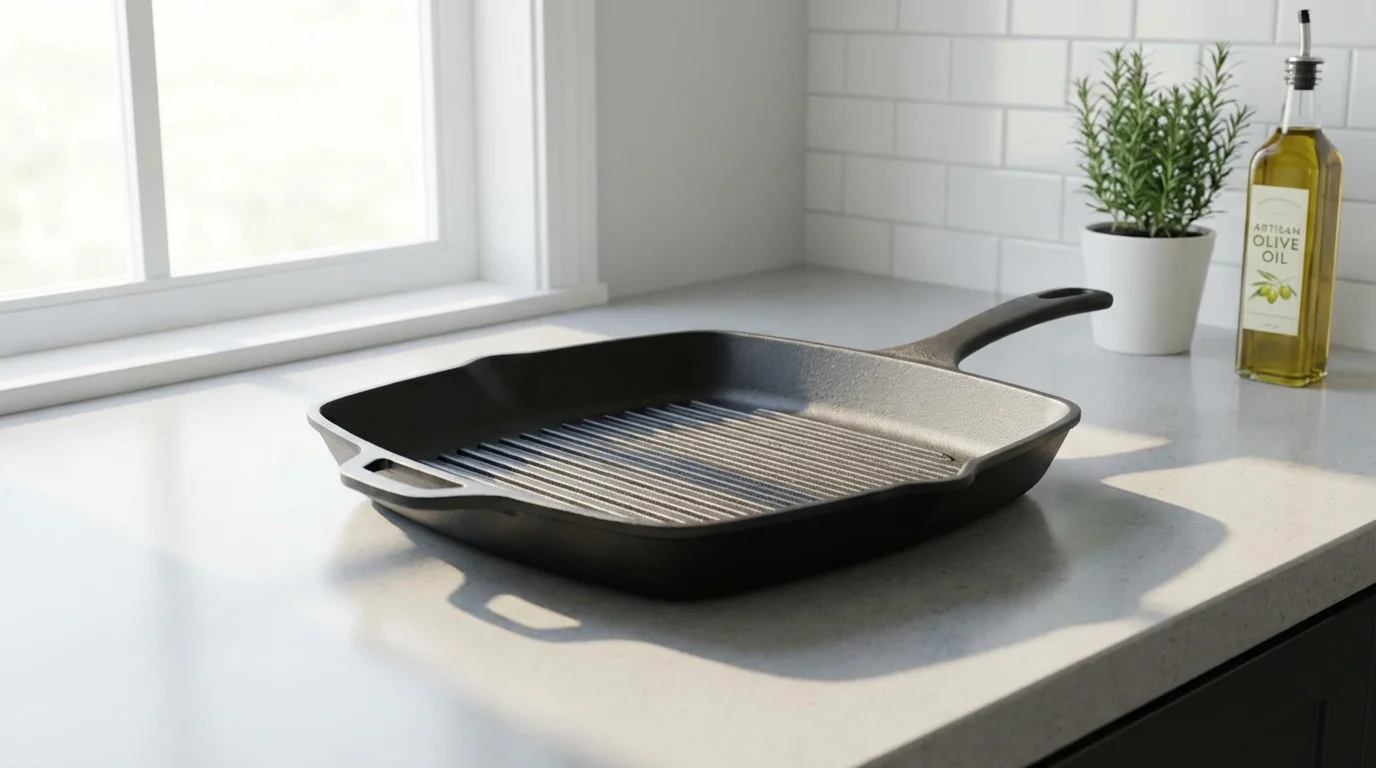
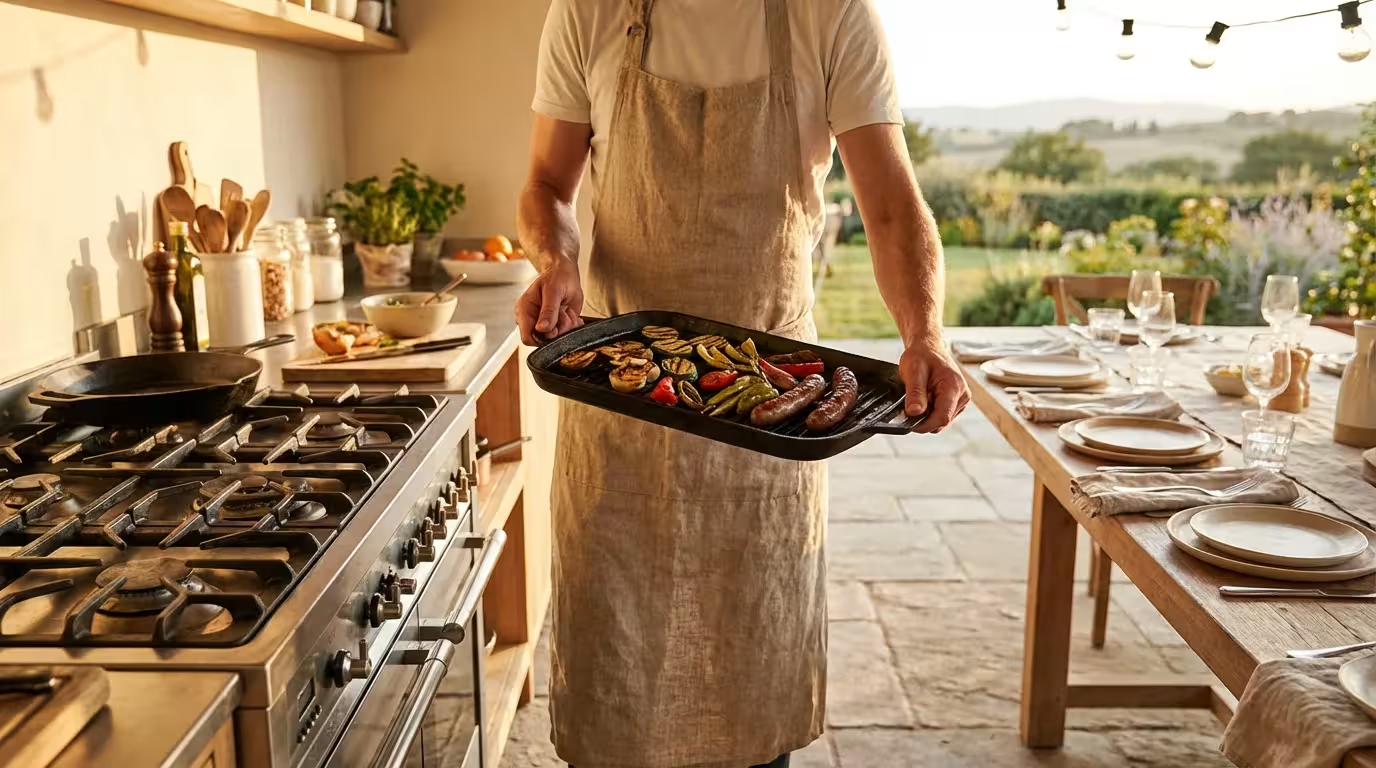
A grill pan is a type of frying pan featuring raised ridges on its cooking surface. These ridges elevate your food, allowing fat and juices to drain away into the valleys below, mimicking the open-grate cooking of an outdoor grill. This design creates those characteristic grill marks, promotes healthier cooking by separating food from rendered fats, and imparts a smoky, char-grilled flavor. Essentially, a grill pan acts as an indoor grill, providing a convenient way to achieve grilled textures and flavors without weather dependency or needing an outdoor space.
You use a stovetop grill pan to sear steaks, chicken, fish, and vegetables, achieving a Maillard reaction that develops complex flavors and a satisfying crust. It offers a solution for apartment dwellers, rainy days, or simply when you want to minimize setup and cleanup associated with outdoor grilling.
Grill Pan Materials: Choosing the Right Fit
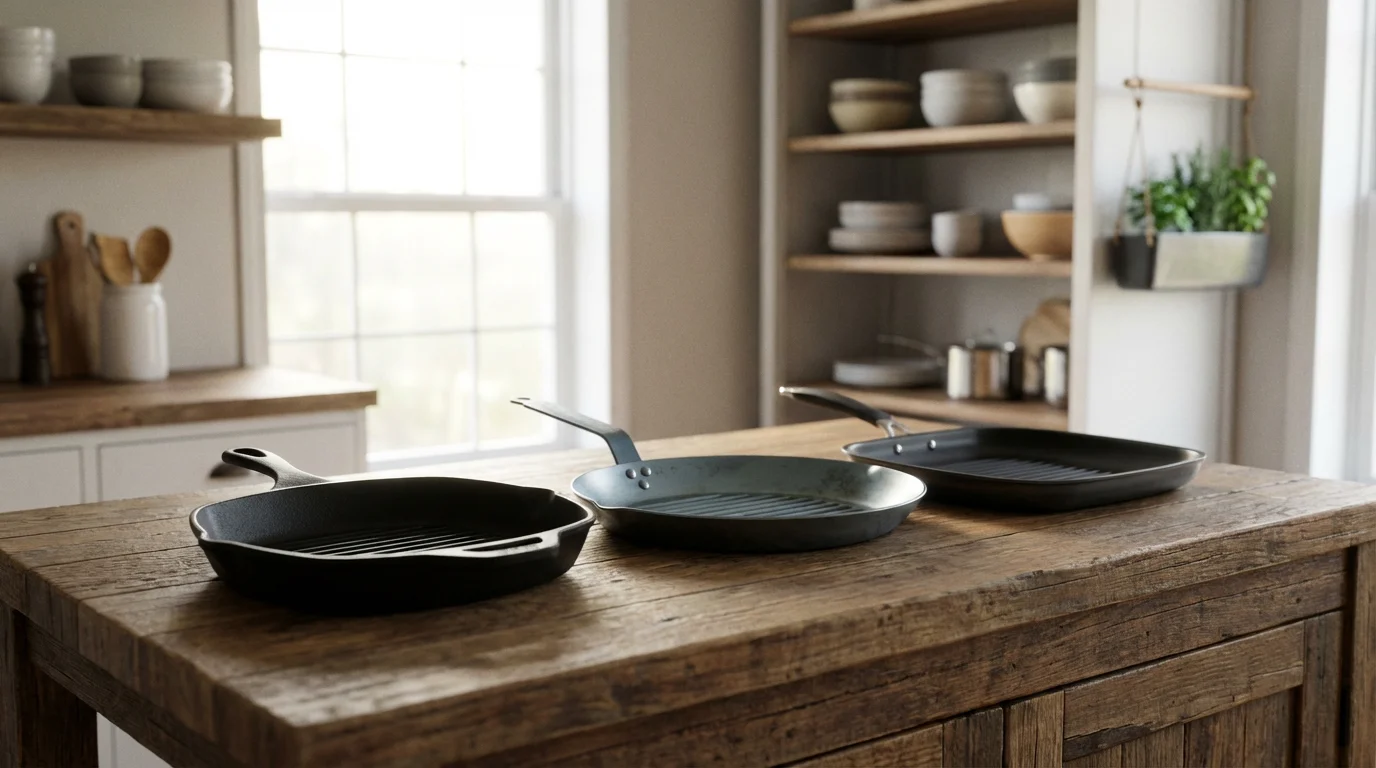
The material of your grill pan dictates its performance, durability, and maintenance requirements. Understanding these differences helps you make an informed decision based on your cooking style and budget. The primary materials for grill pans include cast iron, carbon steel, and non-stick options.
Cast Iron Grill Pans
Cast iron is the undisputed champion for high-heat searing. Its exceptional heat retention means it gets very hot and stays hot, even when you add cold food. This stability allows for a deep, even sear and crisp grill marks, crucial for steaks, chops, and burgers. Cast iron pans are also incredibly durable, often lasting generations when properly cared for. They are almost universally oven-safe, expanding your cooking possibilities from stovetop searing to oven finishing.
However, cast iron pans are heavy and require specific care. You must “season” them, a process of baking oil onto the surface to create a natural, non-stick coating and prevent rust. While some pans come pre-seasoned, maintaining this layer requires effort. You must avoid harsh soaps and scourers, opting for warm water and a stiff brush, then drying thoroughly and applying a thin coat of oil after each use. A lower “gauge,” meaning a thicker metal, ensures better heat retention and less warping over time.
Carbon Steel Grill Pans
Carbon steel shares many characteristics with cast iron but offers a lighter alternative. Made from a thinner metal sheet, it heats up more quickly than cast iron and responds faster to temperature changes. Like cast iron, carbon steel requires seasoning to develop a natural non-stick surface and prevent rust. This material offers excellent searing capabilities and durability. You will find carbon steel pans becoming increasingly popular among professional chefs for their versatility and performance.
Carbon steel pans are often oven-safe, allowing for versatile cooking. Their lighter weight makes them easier to handle and maneuver, which can be a significant advantage during active cooking or for those who find cast iron too heavy.
Non-Stick Grill Pans
Non-stick grill pans, typically made from aluminum with a non-stick coating, offer convenient cooking and easy cleanup. These pans are ideal for delicate foods such as fish, chicken breasts, or vegetables that might stick to other surfaces. The non-stick surface, whether PTFE (the chemical name for Teflon-style coatings) or ceramic coating (a newer, often silica-based non-stick surface), prevents food from adhering and makes washing quick and simple.
However, non-stick coatings have limitations. They typically cannot withstand the very high temperatures required for a true, deep sear on a steak. Excessive heat can degrade the coating, reducing its lifespan and potentially releasing fumes. You should avoid metal utensils to prevent scratching the surface. Non-stick pans generally have a shorter lifespan, usually 2-5 years, compared to cast iron or carbon steel, as the coating eventually wears off.
Stainless Steel Grill Pans (Less Common)
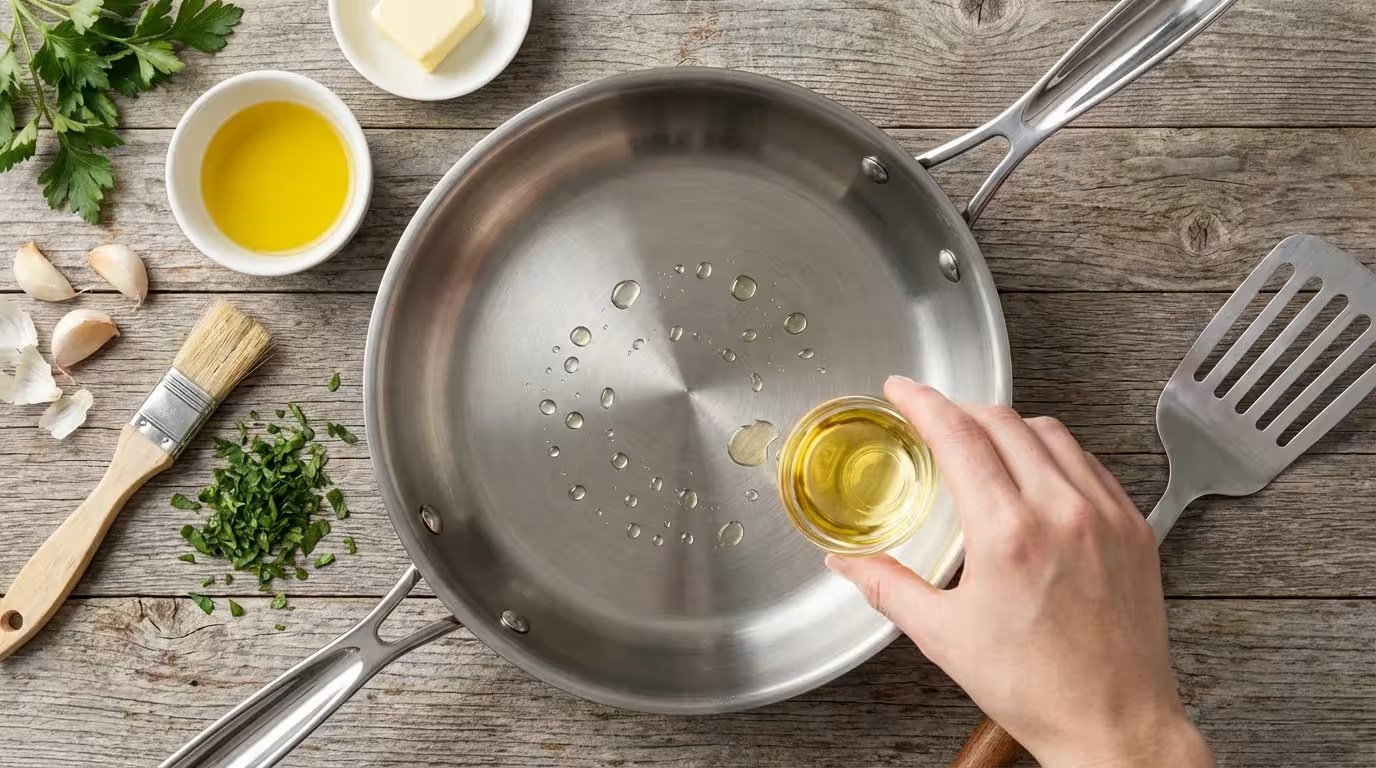
While stainless steel is a popular material for many types of cookware, it is less common and often less effective for ridged grill pans. Stainless steel alone does not conduct or retain heat as well as cast iron or carbon steel, leading to less consistent searing and potentially uneven grill marks. Achieving a good sear on stainless steel usually requires very high heat and a lot of oil, increasing the risk of sticking. Some premium stainless steel pans use “tri-ply” construction, meaning three layers of metal bonded together (typically aluminum between two layers of stainless steel) for better heat distribution, but this is rare in ridged grill pans.
If you encounter a stainless steel grill pan, confirm its construction involves a thick, conductive core to ensure it heats evenly and performs adequately for grilling tasks.
“A high-quality cast iron grill pan provides superior searing and heat retention, making it ideal for steaks. Non-stick options offer convenience for delicate foods but sacrifice deep searing capability.”
Grill Pan Material Comparison
This table summarizes the key characteristics of different grill pan materials, helping you compare their strengths and weaknesses directly.
| Feature | Cast Iron | Carbon Steel | Non-Stick (Aluminum Base) | Stainless Steel (typically with a core) |
|---|---|---|---|---|
| Heat Retention | Excellent | Very Good | Good (but coating limits max temp) | Moderate (unless tri-ply) |
| Searing Ability | Superior | Excellent | Poor to Fair | Fair to Good (requires skill) |
| Maintenance | Seasoning, careful washing | Seasoning, careful washing | Gentle washing, no metal utensils | Dishwasher safe (check manufacturer) |
| Durability | Decades, generational | Decades, generational | 2-5 years (coating wears) | Decades |
| Weight | Heavy | Medium | Light | Medium |
| Oven Safe | Yes (high temps) | Yes (high temps) | Yes (check temp limit, usually lower) | Yes (high temps) |
| Induction Compatible | Yes (magnetic) | Yes (magnetic) | Often yes (if magnetic base) | Yes (magnetic) |
| Price Range | Affordable to Mid-Range | Mid-Range | Affordable to Mid-Range | Mid-Range to High-End |
| Best For | Steaks, burgers, high-heat meats | Steaks, burgers, high-heat meats, fish | Delicate fish, chicken, vegetables | Less ideal for ridged grill pans |
Mastering Your Grill Pan: Techniques and Tips
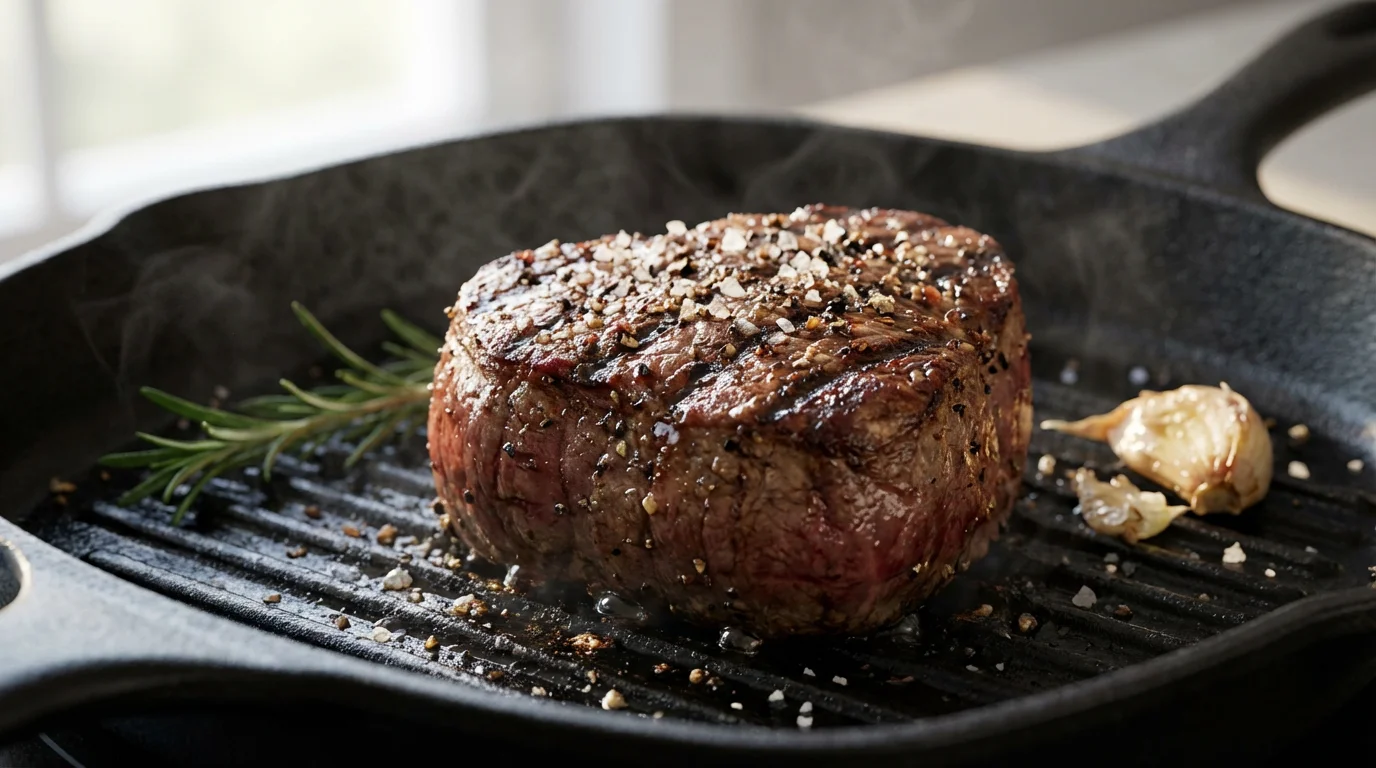
Using a grill pan effectively requires slightly different techniques than traditional frying. You need to focus on proper preheating, strategic food placement, and understanding carryover cooking. This section provides actionable advice to help you achieve excellent results every time.
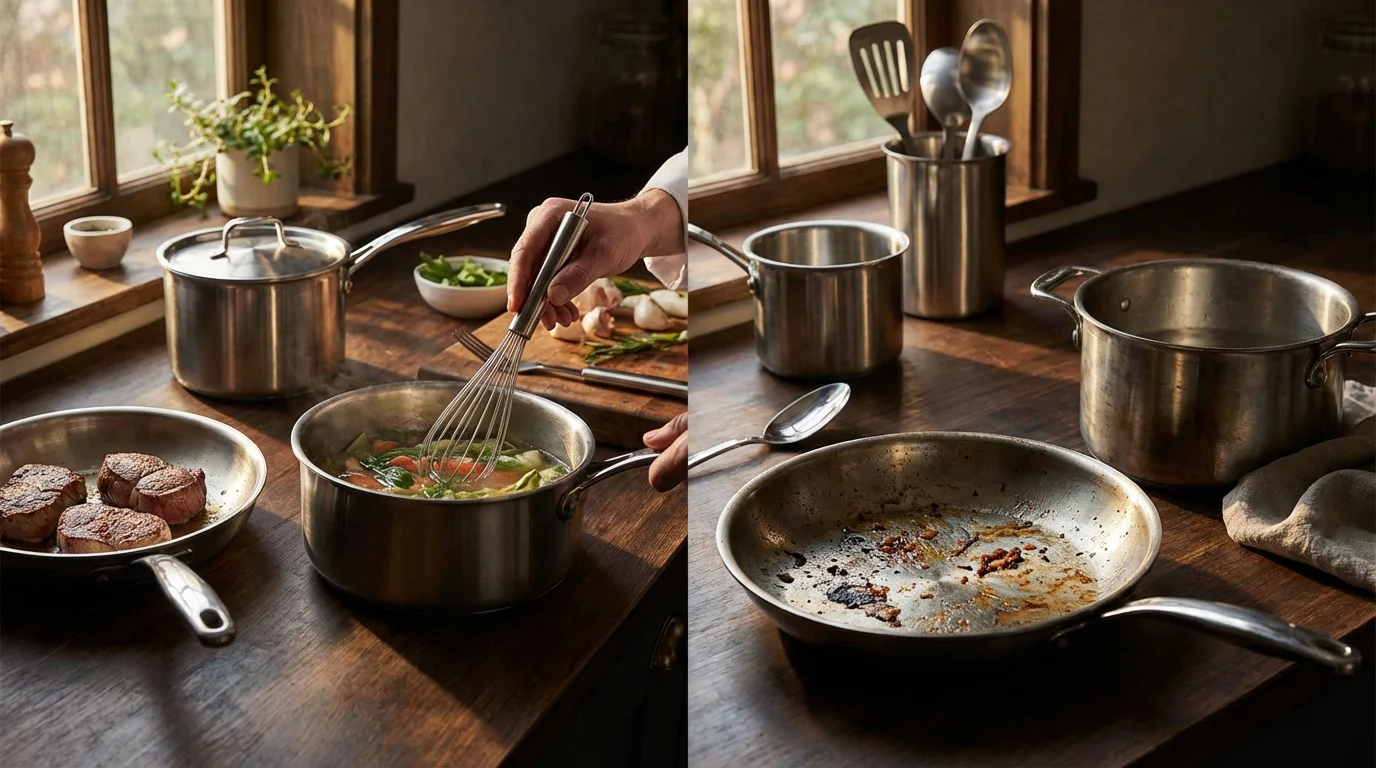
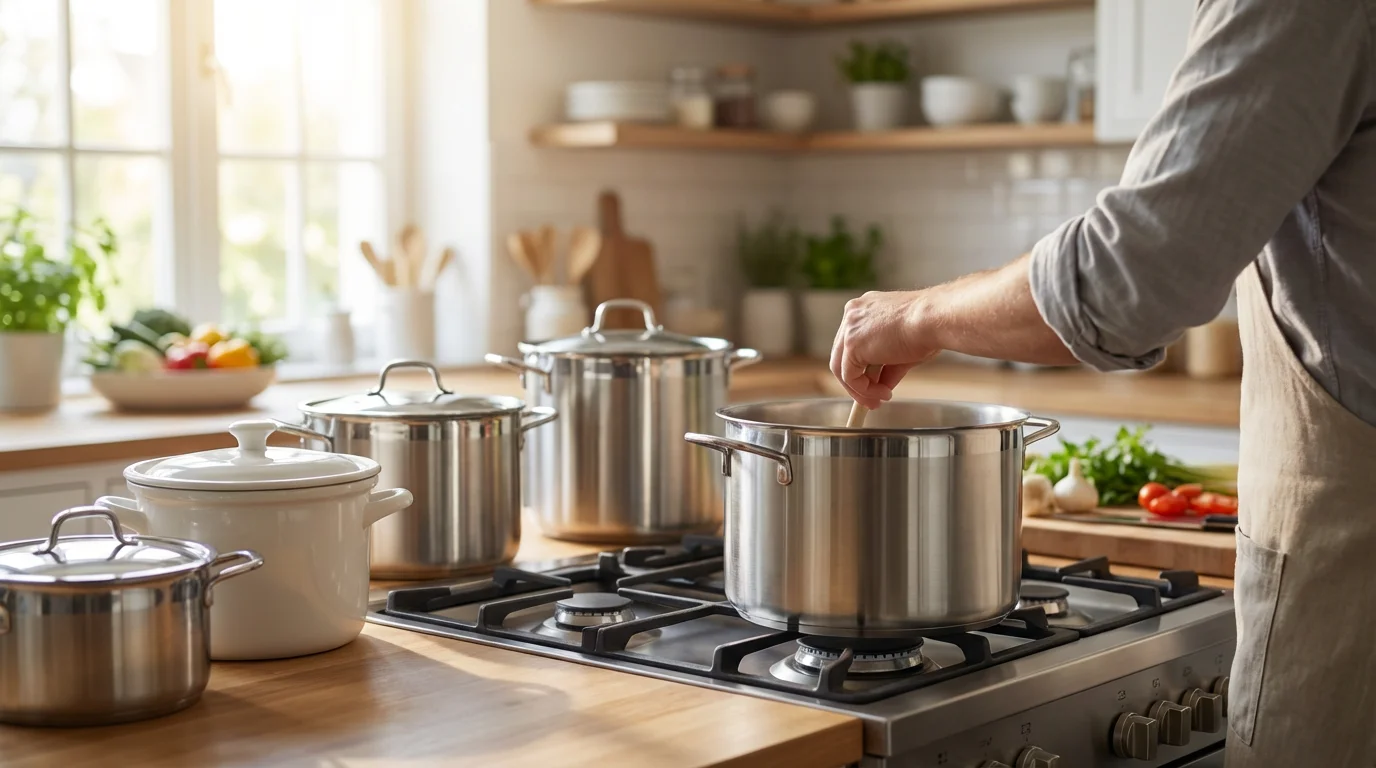
While grill pans are specialized for searing, having a set of the best saucepans is equally important for your daily cooking needs.
How to Use a Grill Pan for Steak Indoors
Grilling a steak indoors on a grill pan yields incredible flavor and texture. Here is a step-by-step guide:
- Choose the Right Steak: Select cuts like ribeye, New York strip, or sirloin, 1 to 1.5 inches thick.
- Season Generously: Pat your steak dry with paper towels. Season both sides liberally with salt and pepper, or your preferred rub. Allow the steak to sit at room temperature for at least 30 minutes, or up to an hour, before cooking. This helps ensure even cooking.
- Preheat the Pan: This is the most critical step. Place your cast iron or carbon steel grill pan on high heat. Allow it to preheat for 5-10 minutes. The pan should be smoking slightly. If you flick a few drops of water onto the surface, they should evaporate instantly. This extreme heat creates a robust sear. For non-stick pans, preheat on medium-high to avoid damaging the coating.
- Add Oil: Lightly brush a high smoke point oil, such as grapeseed, avocado, or canola oil, directly onto the steak, not into the pan. This prevents excessive smoke and ensures direct contact between the meat and the hot ridges.
- Sear the Steak: Carefully place the steak onto the hot grill pan. Press down lightly to ensure good contact with the ridges. Do not move the steak for the first 2-3 minutes. This allows for excellent grill marks and a crust to form. For a crosshatch pattern, rotate the steak 90 degrees after 2-3 minutes and cook for another 2-3 minutes.
- Flip and Finish: Flip the steak and repeat the searing process on the other side. For medium-rare (130-135°F), a 1-inch thick steak typically requires 3-5 minutes per side after initial searing. Use a meat thermometer to check internal temperature for precision.
- Rest the Steak: Transfer the cooked steak to a cutting board and let it rest for 5-10 minutes before slicing. This allows the juices to redistribute, resulting in a more tender and flavorful steak.
Achieving Perfect Grill Marks
Perfect grill marks signify a great sear and visual appeal. You achieve them through a combination of high heat, proper preheating, and minimal movement.
- Extreme Heat: Your grill pan must be screaming hot. The higher the temperature, the faster the browning reaction (Maillard reaction) occurs, leading to darker, more defined marks.
- Dry Surface: Ensure your food is patted thoroughly dry. Excess moisture creates steam, which prevents direct contact with the hot ridges and inhibits browning.
- Oil the Food, Not the Pan: Brush a thin layer of oil directly onto your food. This helps conduct heat and prevents sticking without pooling in the pan valleys, which can cause excessive smoke.
- Resist the Urge to Move: Once you place food on the pan, leave it undisturbed for several minutes. Lifting or shifting it prematurely disrupts the crust formation and results in faded or incomplete grill marks.
- The 90-Degree Turn: For classic crosshatch marks, sear for 2-3 minutes, then rotate the food 90 degrees and sear for another 2-3 minutes before flipping.
Beyond Steak: Other Uses for Your Grill Pan
While an indoor grill excels with steak, its versatility extends to many other dishes:
- Chicken and Fish: Chicken breasts, thighs, or salmon fillets cook beautifully, achieving crispy skin and tender interiors. Adjust heat to medium-high for these proteins to prevent drying out.
- Vegetables: Asparagus, bell peppers, zucchini, eggplant, and corn on the cob become flavorful with char marks. Toss vegetables with a little oil, salt, and pepper before placing them on the hot pan.
- Sandwiches and Panini: Use the grill pan to toast sandwiches, pressing down with a weight or another pan to create a panini-like effect.
- Fruit: Grilled peaches or pineapple rings make fantastic desserts, especially when served with ice cream.
Care and Maintenance for Longevity
Proper care significantly extends the life and performance of your grill pan, regardless of its material. Neglecting maintenance, especially for cast iron and carbon steel, quickly leads to problems like rust or sticking.
Cast Iron and Carbon Steel Care
You must maintain the seasoning layer on these pans to ensure non-stick performance and prevent rust. After cooking:
- Cool Down: Allow the pan to cool slightly but still remain warm.
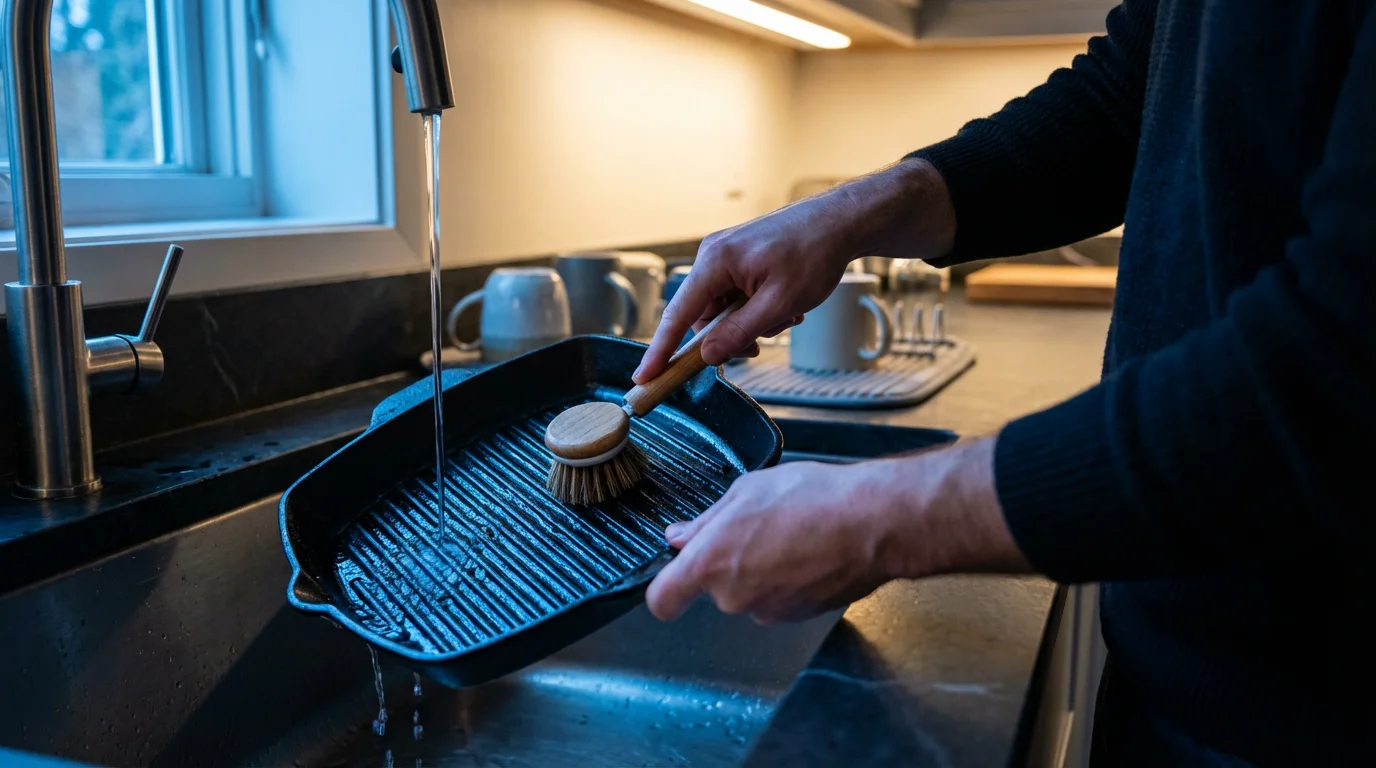
- Scrape and Clean: Use a stiff brush, plastic scraper, or chainmail scrubber with warm water to remove food residue. Avoid dish soap if possible, especially on newer seasoning, as it can strip the protective layer. If you must use soap, use it sparingly and follow up with immediate re-seasoning.
- Dry Thoroughly: Immediately dry the pan completely with a towel or by placing it back on low heat on the stovetop for a few minutes. Any residual moisture invites rust.
- Re-season (Optional, but Recommended): Once dry, apply a very thin layer of high smoke point oil (like grapeseed or flaxseed) to the entire cooking surface with a paper towel. Wipe off any excess, leaving only a microscopic film. Heat the pan on the stovetop until it barely smokes, then let it cool. This keeps the seasoning robust.
Never put cast iron or carbon steel in the dishwasher. You will strip the seasoning and cause immediate rusting.
Non-Stick Grill Pan Care
Non-stick pans require gentler handling to preserve their delicate coating:
- Cool Before Cleaning: Allow the pan to cool completely before washing. Submerging a hot non-stick pan in cold water can cause warping.
- Gentle Washing: Use warm, soapy water and a soft sponge or cloth. Avoid abrasive scrubbers, steel wool, or harsh detergents.
- Avoid Metal Utensils: Use wooden, silicone, or plastic utensils to prevent scratching the non-stick surface.
- Low to Medium Heat: Avoid using high heat. High temperatures degrade the non-stick coating over time and can cause it to release fumes.
Key Features to Consider When Buying
When selecting a grill pan, several features impact its usability and performance. Consider these points to find the best fit for your kitchen and cooking habits:
For larger proteins that won’t fit on a stovetop ridge, consider investing in dedicated roasting pans for your oven.
- Material: As discussed, cast iron and carbon steel excel at searing, while non-stick provides easy release for delicate foods. Choose based on your primary use.
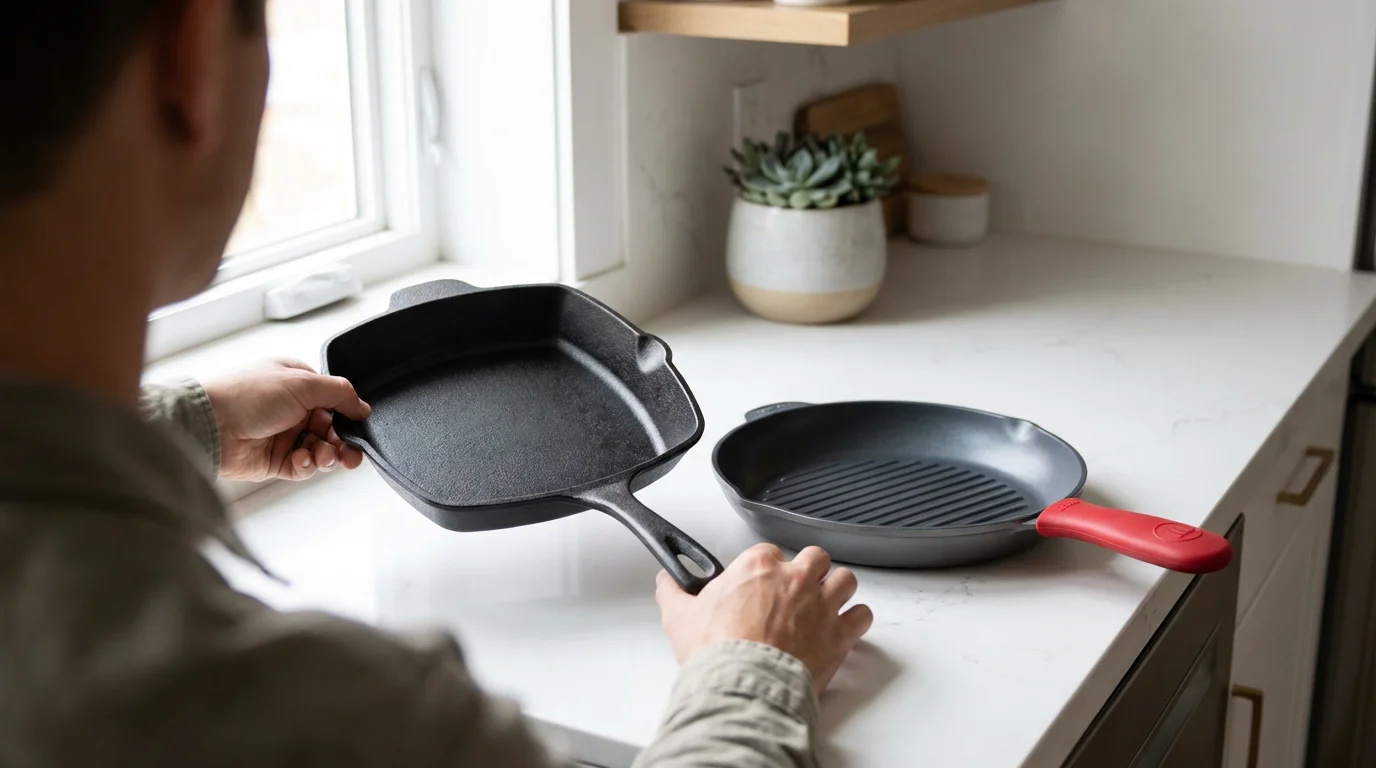
- Size and Shape: Grill pans typically come in square or round shapes, ranging from 10 to 12 inches. A 10.5 or 11-inch square pan maximizes cooking surface on most stovetops. Consider a larger pan if you frequently cook for families or want to grill multiple items simultaneously.
- Handle Design: Look for a sturdy, ergonomic handle that feels comfortable and secure in your hand. Some pans feature helper handles for easier lifting, especially on heavier cast iron models. Ensure the handle material is oven-safe if you plan to finish dishes in the oven.
- Ridges Height: Taller ridges elevate food more effectively, allowing better drainage of fat and producing more prominent grill marks. However, very tall ridges can reduce the total contact area with the food, potentially requiring longer cooking times. A moderate ridge height, approximately 1/8 to 1/4 inch, generally offers the best balance.
- Pour Spouts: Some grill pans include small pour spouts on the sides, making it easier to drain accumulated fats and juices without making a mess. This feature is particularly useful for leaner cooking.
- Lid: While not standard, some grill pans come with lids. A lid helps trap heat and moisture, useful for cooking thicker cuts of meat or steaming vegetables after searing.
- Oven-Safe Temperature: Confirm the maximum oven-safe temperature, especially for non-stick pans. Cast iron and carbon steel are generally oven-safe to very high temperatures (often 500°F and above), while non-stick limits can be as low as 350-400°F.
- Induction Compatibility: If you own an induction cooktop, ensure the pan has a magnetic base. Cast iron and carbon steel are inherently magnetic, but some aluminum non-stick pans require a bonded steel plate in the base to work on induction.
Top Grill Pan Brands and Value Picks
Several brands stand out for their quality, performance, and value in the grill pan market. Your choice often comes down to material preference and budget.
Premium Picks: Le Creuset and Staub (Enameled Cast Iron)
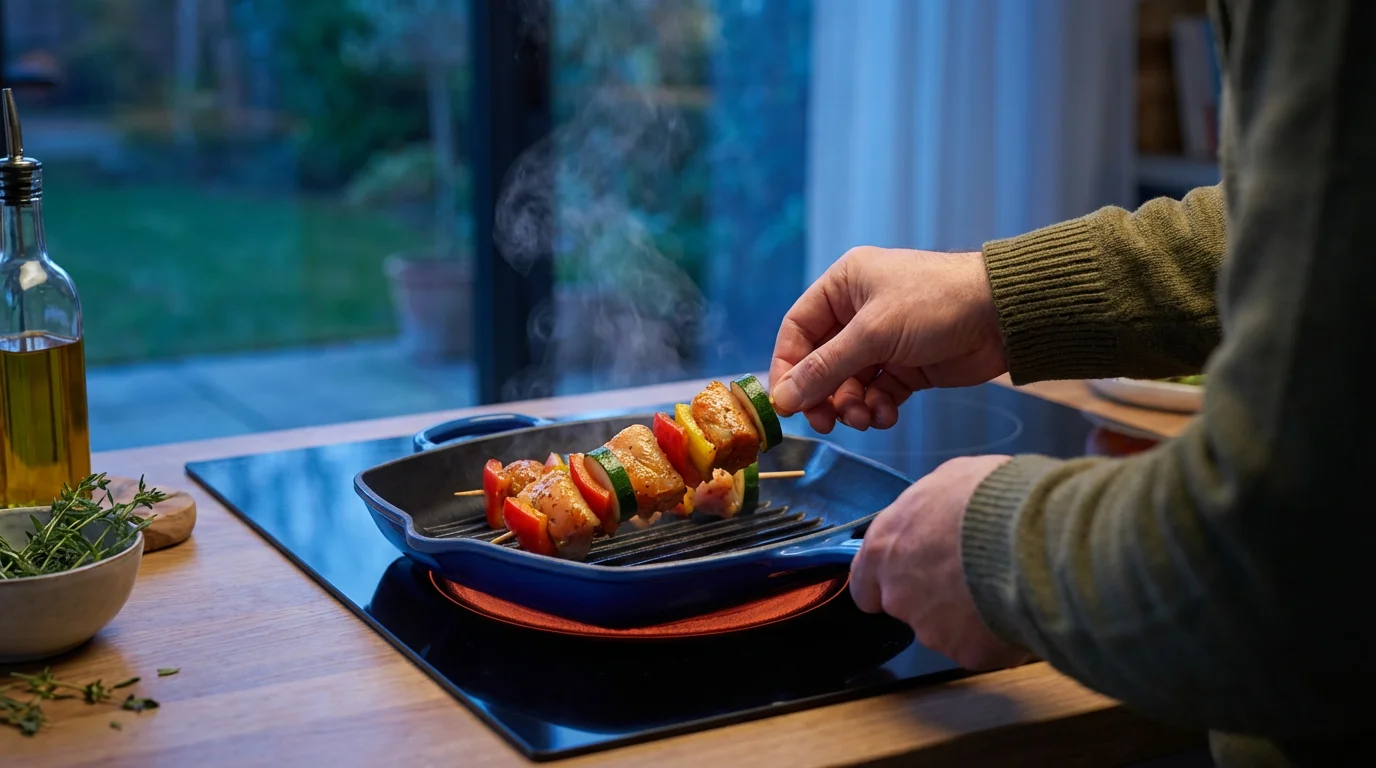
Both Le Creuset and Staub offer exquisite enameled cast iron grill pans. These pans combine the superior heat retention of cast iron with the convenience of an enamel coating, which means no seasoning is required and cleanup is easier. You can use them for searing at high temperatures, and they are incredibly durable. However, their premium quality comes with a higher price point. Le Creuset’s Signature Square Skillet Grill is a popular choice, known for its even heat and vibrant colors. Staub’s square grill pans are also highly regarded for their heavy lids and self-basting spikes.
Workhorse Performance: Lodge (Cast Iron)
Lodge Cast Iron is a quintessential American brand, offering exceptional value and performance. Their pre-seasoned cast iron grill pans are affordable, durable, and perform brilliantly for high-heat cooking like searing a perfect steak indoors. A standard 10.5-inch Lodge grill pan costs significantly less than enameled options but delivers comparable searing results. You simply cannot beat Lodge for raw cooking power and longevity, making it a best grill pan for gas stove users and anyone prioritizing performance over aesthetics or minimal maintenance.
According to Serious Eats, Lodge consistently performs well in tests, proving that you do not need to spend a fortune for top-tier cast iron cooking.
Mid-Range and Versatile: Cuisinart and Calphalon
Cuisinart offers a range of grill pans, including stainless steel and non-stick options, often with good heat distribution and comfortable handles. Calphalon specializes in non-stick cookware, providing grill pans with durable non-stick coatings that are excellent for delicate foods or easier cleanup. These brands represent a good middle ground, offering reliable performance without the premium price tag of enameled cast iron. You will find their products often feature aluminum bases for good heat conduction.
Carbon Steel Excellence: De Buyer and Mauviel
For those interested in carbon steel, French brands like De Buyer and Mauviel are top contenders. Their carbon steel grill pans offer a lighter alternative to cast iron while retaining excellent searing capabilities. They require seasoning, similar to cast iron, but develop a beautiful patina and non-stick surface over time. These are professional-grade tools designed for serious home cooks who appreciate the responsiveness of carbon steel.
Grill Pan vs. Outdoor Grill vs. Electric Indoor Grill
You have several options for grilling, each with distinct advantages and disadvantages. Understanding these helps you choose the right tool for your specific needs.
Grill Pan
- Pros: Convenient, fits on any stovetop, provides excellent char and grill marks (especially cast iron), easy to clean compared to outdoor grills, generally affordable. You can achieve very high temperatures for superb searing.
- Cons: Limited cooking surface area, can produce smoke (ensure good ventilation), requires some technique for optimal results. You do not get the intense smoky flavor infusion of charcoal or gas grills.
- Best For: Searing individual steaks, chicken breasts, vegetables, or burgers when outdoor grilling is not feasible or desired.
Outdoor Grill (Charcoal or Gas)
- Pros: Authentic smoky flavor, large cooking surface, high heat capabilities, enjoyable outdoor experience. Charcoal provides superior flavor complexity.
- Cons: Weather-dependent, requires significant space, more cleanup, longer setup time, higher initial cost, requires fuel (propane or charcoal).
- Best For: Large gatherings, whole poultry, low-and-slow barbecue, or when authentic smoke flavor is paramount.
As America’s Test Kitchen often demonstrates, the nuances of grilling come down to heat management and flavor development, which differ significantly between indoor and outdoor methods.
Electric Indoor Grill (e.g., George Foreman, panini presses)
- Pros: Very convenient, minimal smoke, often very easy cleanup, portable, consistent temperature control. Many models offer dual-surface cooking for faster results.
- Cons: Rarely achieves the deep sear or prominent grill marks of a good grill pan or outdoor grill. Food often “stews” in its own juices rather than truly grilling. Limited flavor development.
- Best For: Quick, low-fuss cooking of smaller items like sandwiches, thin chicken cutlets, or vegetables, prioritizing convenience over intense grilling flavor or texture.
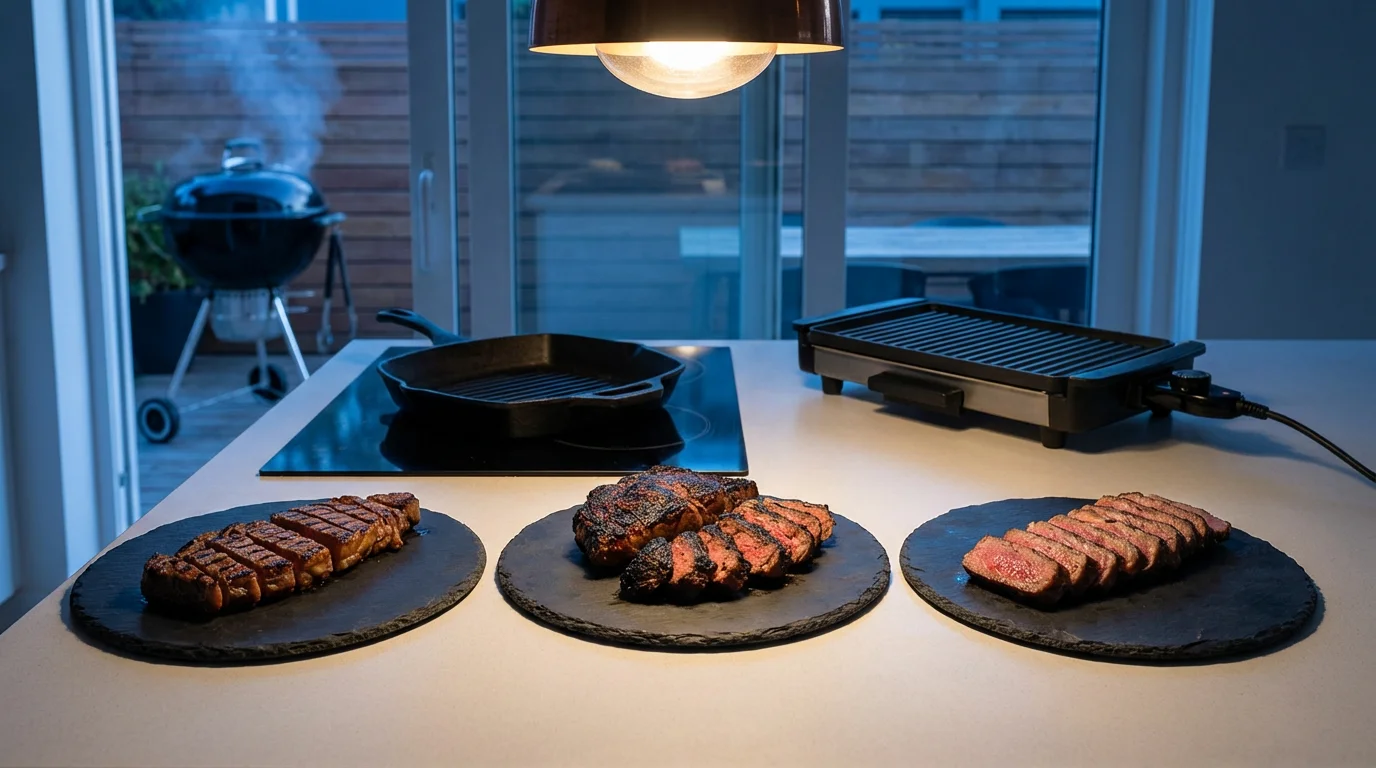
Ultimately, a grill pan offers a fantastic middle ground. It provides more authentic grilling results than most electric indoor grills while being far more convenient and accessible than an outdoor setup for everyday use.
Frequently Asked Questions
Can I put my grill pan in the dishwasher?
You should not put cast iron or carbon steel grill pans in the dishwasher, as this will strip their seasoning and lead to rust. For non-stick grill pans, check the manufacturer’s instructions. While some non-stick pans are labeled “dishwasher safe,” hand washing typically extends their lifespan and preserves the coating better. Most cookware experts recommend hand washing all grill pans for optimal care.
How do I prevent excessive smoke when using a grill pan indoors?
To minimize smoke, always ensure you have good ventilation. Turn on your range hood to its highest setting, or open a window. Avoid adding too much oil to the pan; instead, brush a thin layer of a high smoke point oil directly onto the food. Also, prevent excess fat from accumulating in the valleys by occasionally draining it, especially when cooking fatty meats. Overcrowding the pan also lowers its temperature, causing food to steam and potentially smoke more.
How do I get good grill marks on my food?
Achieving crisp grill marks depends on three factors: extreme heat, a dry food surface, and minimal movement. First, preheat your cast iron or carbon steel pan on high heat for 5-10 minutes until it is smoking slightly. Second, pat your food thoroughly dry. Third, lightly oil the food, not the pan. Place the food firmly on the hot ridges and do not move it for 2-3 minutes. For crosshatch marks, rotate it 90 degrees and cook for another 2-3 minutes before flipping.
Is cooking with a grill pan healthier than frying?
Yes, cooking with a grill pan can be healthier than traditional frying. The raised ridges allow excess fat and oils to drain away from your food, reducing the amount of fat you consume. This design also promotes healthier cooking by allowing you to use less oil overall compared to pan-frying, where food often sits in a pool of fat. You still get a delicious, seared result with reduced fat content.
Can I use a grill pan on an induction cooktop?
You can use a grill pan on an induction cooktop if it has a magnetic base. Cast iron and carbon steel grill pans are inherently magnetic, making them fully compatible with induction. Many aluminum non-stick grill pans now feature a bonded steel plate in their base specifically for induction compatibility. Always check the product specifications or look for an induction symbol on the pan’s packaging to confirm.
Disclaimer: Product prices and availability change frequently. Prices shown were accurate at time of writing but may have changed. We may earn a small commission from purchases made through links on this site, at no extra cost to you. Always verify current pricing on the retailer’s website before purchasing.
The heat retention that makes these pans so effective is also a hallmark of Dutch ovens, which are perfect for slower-cooked meals.
If you enjoy the high-heat char on your veggies, you might also enjoy using woks for home stir-frying to achieve a similar crisp texture.
Leave a Reply