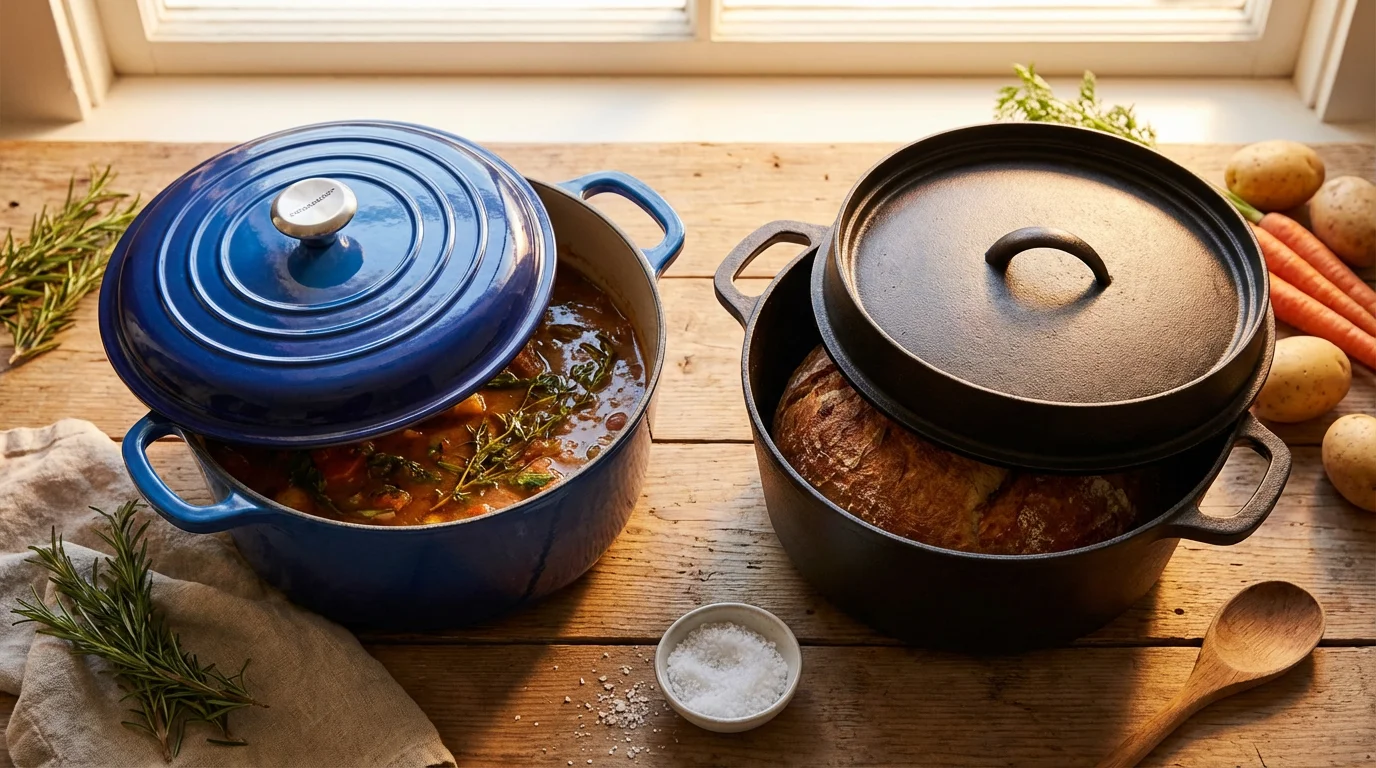
Selecting the right cookware can feel overwhelming. Among the most versatile pieces for any kitchen is the dutch oven, a heavy pot with a tight-fitting lid, indispensable for everything from braising to baking bread. Yet, a fundamental choice faces many home cooks: should you invest in an enameled cast iron dutch oven or a bare cast iron model? Both offer exceptional heat retention and durability, but their differences in material, maintenance, and performance significantly impact your cooking experience.
This article cuts through the confusion, providing practical insights into the pros and cons of enameled and bare cast iron dutch ovens. You will learn which type best suits your cooking style, budget, and cleaning preferences, ensuring your next purchase is a wise one that serves you for decades.
Understanding the Essential Dutch Oven: Your Kitchen Workhorse
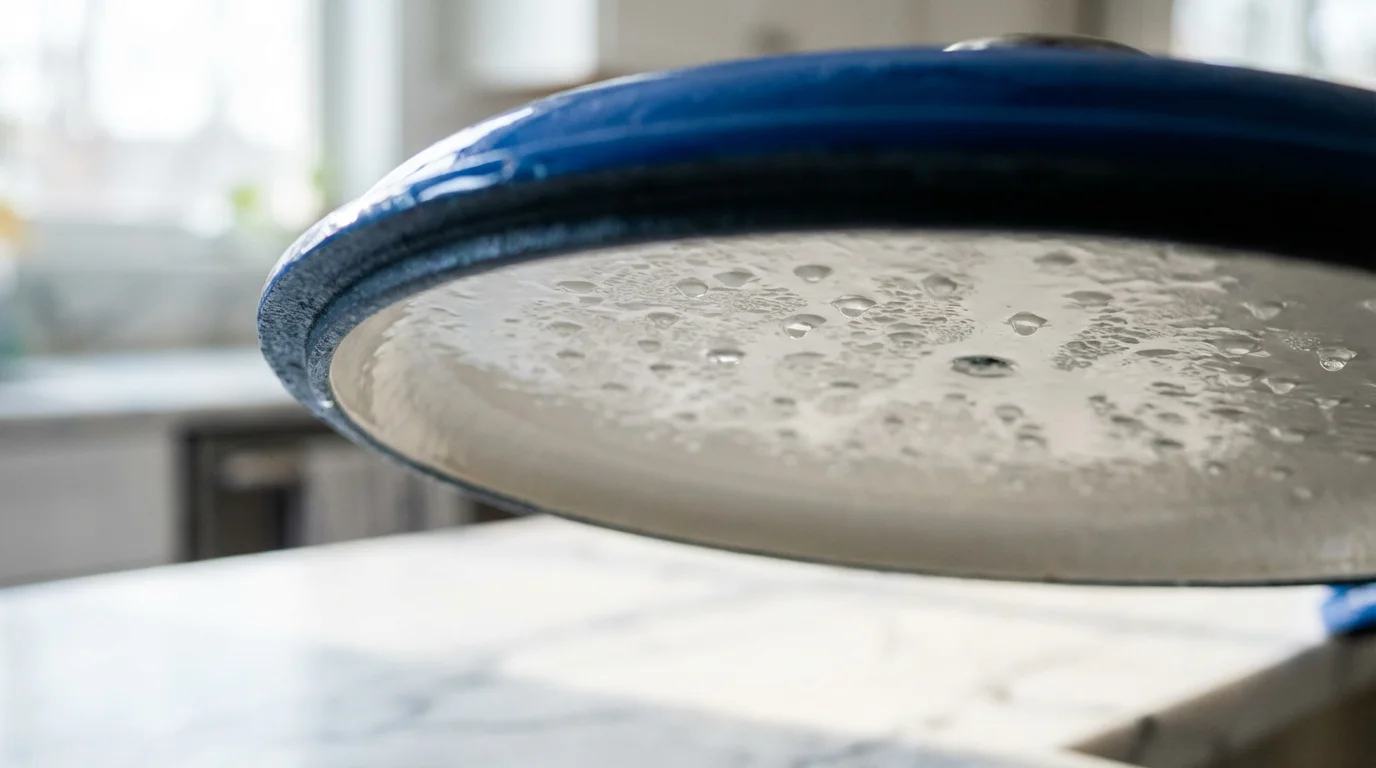
A dutch oven is more than just a pot; it is a culinary cornerstone. Its heavy construction, typically from cast iron, ensures remarkable heat retention, meaning it holds onto heat effectively once hot, leading to more even cooking. The tight-fitting lid creates a self-basting environment, trapping moisture and flavor. This design makes it ideal for slow cooking methods like braising, simmering stews, roasting meats, and even baking no-knead bread.
You can use a dutch oven on almost any heat source, including gas, electric, and induction cooktops. They are also universally oven-safe, allowing you to transition seamlessly from stovetop searing to oven roasting. This versatility consolidates several cooking tasks into one robust vessel, making it an invaluable investment for home cooks who appreciate efficiency and quality results.
Bare Cast Iron Dutch Ovens: The Traditional Choice
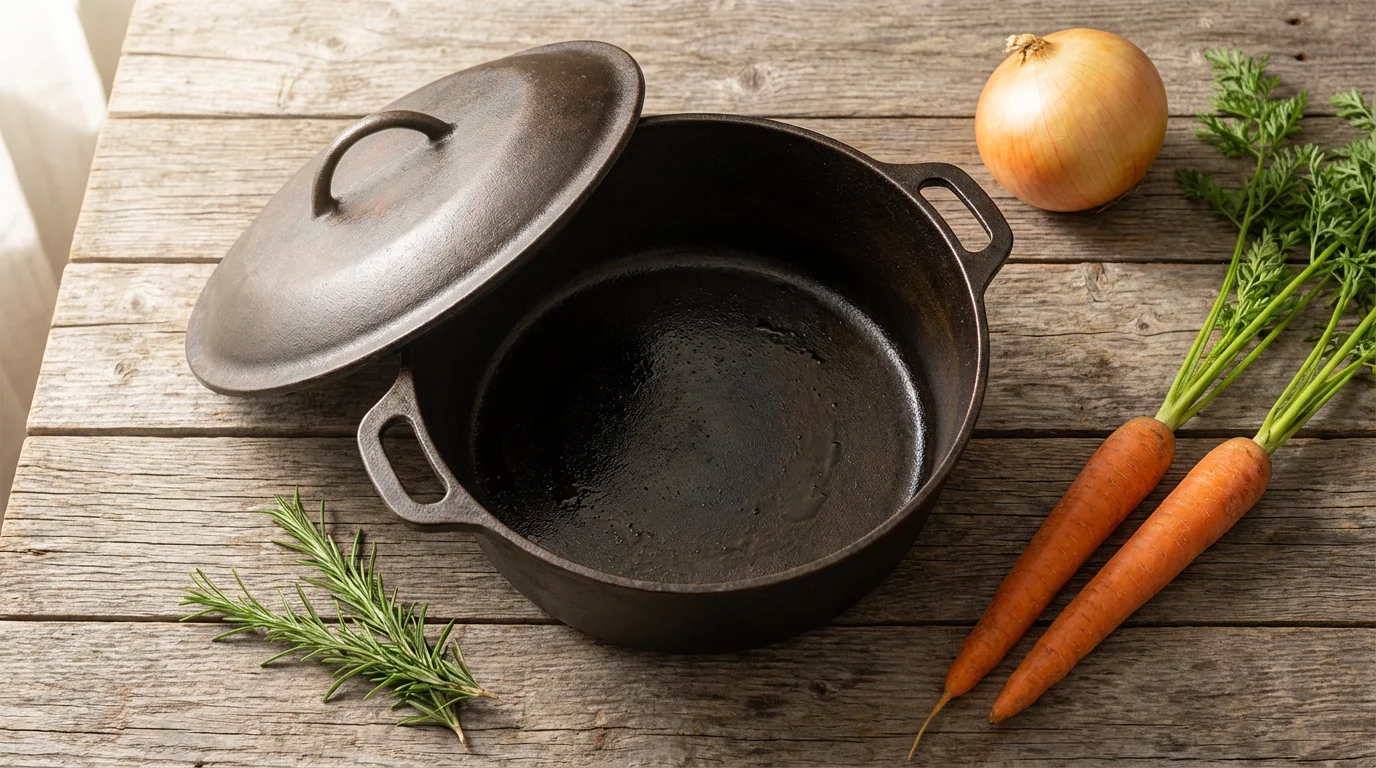
Bare cast iron dutch ovens represent the original, time-tested design. These pots are solid cast iron, without any additional coatings. Their appeal lies in their rugged durability and their ability to develop a natural non-stick surface over time through a process called seasoning. Seasoning involves baking thin layers of oil onto the cast iron surface, creating a protective, polymerized layer that prevents rust and food from sticking.
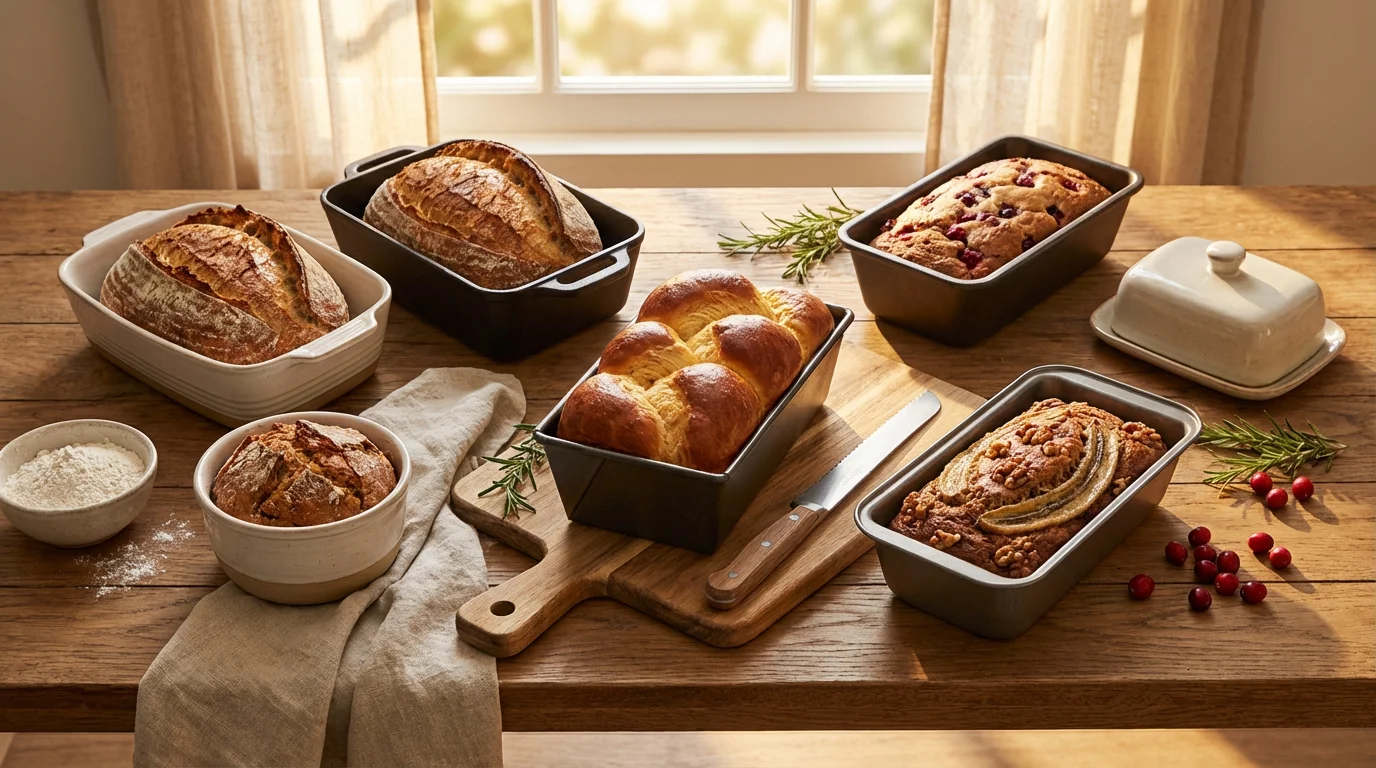
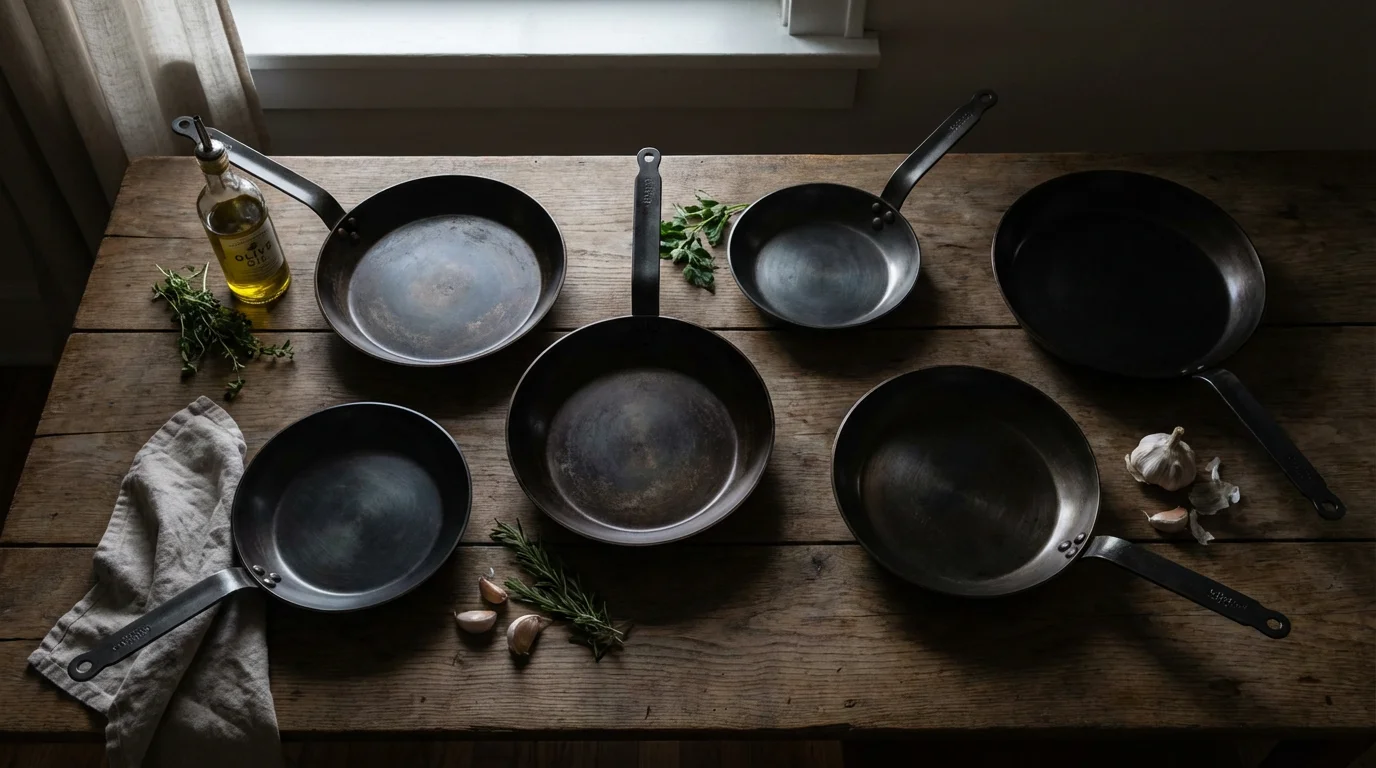
For home cooks who enjoy the properties of cast iron but desire a more lightweight option, carbon steel pans are another excellent seasoned alternative to consider.
Benefits of Bare Cast Iron
- Exceptional Heat Retention and Evenness: Cast iron excels at holding and distributing heat. Once preheated, it maintains a consistent temperature, critical for deep-frying, searing, and long simmers.
- Natural Non-Stick Surface: With proper seasoning and care, your bare cast iron dutch oven becomes naturally non-stick, rivaling even modern PTFE-coated pans for certain applications. This surface improves with age and consistent use.
- Durability: These pots are virtually indestructible. They can withstand extremely high temperatures and accidental drops, lasting for generations if properly maintained. You can even restore rusty or neglected pieces.
- Cost-Effective: Bare cast iron dutch ovens, like those from Lodge, offer excellent performance at a significantly lower price point compared to their enameled counterparts. You get exceptional value and a long-lasting product.
- High Heat Searing: Bare cast iron can handle higher temperatures than enameled cast iron, making it superior for achieving a deep, flavorful crust on meats before braising.
Drawbacks of Bare Cast Iron
- Maintenance: Bare cast iron requires more hands-on care. You must season it regularly, particularly when new or after heavy cleaning. It is susceptible to rust if left wet or improperly seasoned.
- Reactivity: Unseasoned or poorly seasoned bare cast iron can react with acidic foods like tomato sauces, wine, or citrus, imparting a metallic taste to your food and potentially stripping the seasoning.
- Weight: Cast iron is heavy. A large bare cast iron dutch oven can be challenging to lift, especially when full.
- Not Dishwasher Safe: Dishwashers strip away seasoning and promote rust, so hand washing is mandatory.
“A well-seasoned bare cast iron dutch oven is an incredibly resilient and effective cooking tool. Its ability to achieve high, stable heat makes it irreplaceable for searing and even some baking, offering superior results that simply can’t be replicated by lighter cookware.” — Cookware Expert
Enameled Cast Iron Dutch Ovens: Modern Versatility
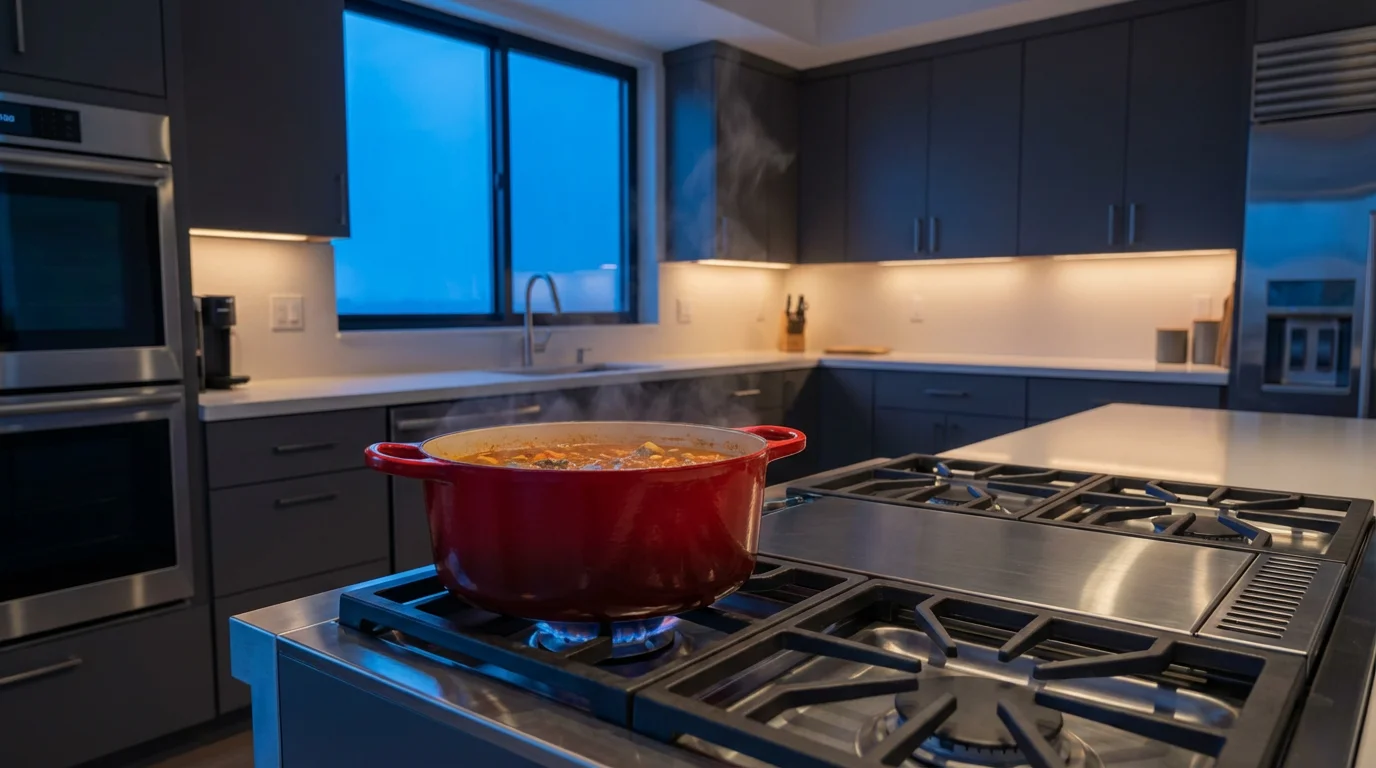
Enameled cast iron dutch ovens feature a glass-based porcelain coating, or enamel, fused to the cast iron surface. This enamel coating creates a smooth, impermeable, and non-reactive cooking surface, eliminating many of the maintenance concerns associated with bare cast iron.
Much like traditional casserole dishes, these enameled pots are designed to transition beautifully from the oven directly to your dining table.
Benefits of Enameled Cast Iron
- Non-Reactive Surface: The enamel coating prevents food from reacting with the iron. You can cook acidic dishes like tomato sauces, chili, or wine-braised short ribs without concern for metallic flavors or damage to the pan’s surface.
- Easier Maintenance: Enameled cast iron does not require seasoning. It cleans up easily with soap and water, similar to regular pots and pans. While not always recommended, some brands claim their products are dishwasher safe, though hand washing preserves the finish longer.
- Aesthetics: Available in a vast array of vibrant colors, enameled dutch ovens are often beautiful enough to go directly from oven to table, serving as attractive centerpieces.
- Less Sticking: While not as naturally non-stick as a perfectly seasoned bare cast iron, the smooth enamel surface resists sticking more effectively than bare cast iron that is not yet fully seasoned.
- Versatility: Suitable for all cooktops, including induction compatible, and oven-safe. The light-colored interior of many enameled dutch ovens makes it easier to monitor fond development for gravies and sauces.
Drawbacks of Enameled Cast Iron
- Higher Cost: Enameled cast iron, especially from premium brands like Le Creuset or Staub, comes with a significant price tag due to the complex manufacturing process and quality control involved in applying the enamel.
- Chipping and Cracking: The enamel coating, while durable, can chip or crack if dropped, exposed to sudden temperature changes (thermal shock), or impacted by metal utensils. Once chipped, the underlying cast iron can rust.
- Not for Extreme High Heat: The enamel can degrade or discolor at very high temperatures. Most manufacturers recommend not exceeding medium-high heat on the stovetop and adhering to specific oven-safe temperature limits, typically around 500°F (260°C), especially if your lid has a plastic knob.
- Weight: Like bare cast iron, these pots are heavy.
- Can Stain: While non-reactive, light-colored enamel interiors can sometimes stain from highly pigmented foods like curry or tomato sauce, though these stains are usually cosmetic and can often be removed with gentle cleaning.

Heat Performance, Durability, and Oven-Safe Temperatures Compared
Both types of cast iron are renowned for their superior heat distribution and retention, which is how evenly the pan spreads heat across its surface. However, their specific characteristics lead to nuances in performance and longevity.
Heat Performance
- Heat Retention: Both excel, but bare cast iron often gets hotter and retains that heat more aggressively, making it ideal for deep, dark searing. Enameled cast iron also retains heat exceptionally well, but its maximum recommended temperature is often lower due to the enamel coating.
- Heat Distribution: Cast iron as a material has excellent thermal mass, meaning it heats slowly but very evenly once up to temperature. The enamel coating does not significantly alter this characteristic.
- Induction Compatibility: Both bare and enameled cast iron are inherently magnetic, making them fully induction compatible.
Durability
- Bare Cast Iron: Offers unparalleled physical durability. You can drop it, bang it, and even scour it with steel wool, then re-season it. Rust is the primary enemy, but it is reversible. Properly cared for, a bare cast iron dutch oven can truly last for centuries.
- Enameled Cast Iron: Durable in terms of its cast iron core, but the enamel coating is its Achilles’ heel. While tough, it can chip or crack. Avoid using metal utensils, extreme temperature changes, or abrasive cleaners to prevent damage. A chipped enamel pot is still usable, but the exposed cast iron will rust if not dried thoroughly.
Oven-Safe Temperatures
Almost all cast iron dutch ovens are oven-safe. The key difference lies in the lid handles and knobs.
- Bare Cast Iron: Typically comes with an all-metal lid and handle, making it safe for very high oven temperatures, often exceeding 700°F (370°C). This is why bare cast iron is a favorite for baking bread with extremely high initial oven temperatures.
- Enameled Cast Iron: The enamel itself is oven-safe, but plastic or phenolic lid knobs often have lower maximum temperature ratings, commonly 350°F to 500°F (175°C to 260°C). Always check the manufacturer’s specific instructions. You can often swap plastic knobs for metal ones (e.g., from Le Creuset) to increase the oven-safe temperature.
Maintenance Matters: Care Routines for Longevity
The care regimen is arguably the biggest differentiator between these two types of dutch ovens.
Caring for Bare Cast Iron
This takes commitment but yields a highly rewarding cooking surface.
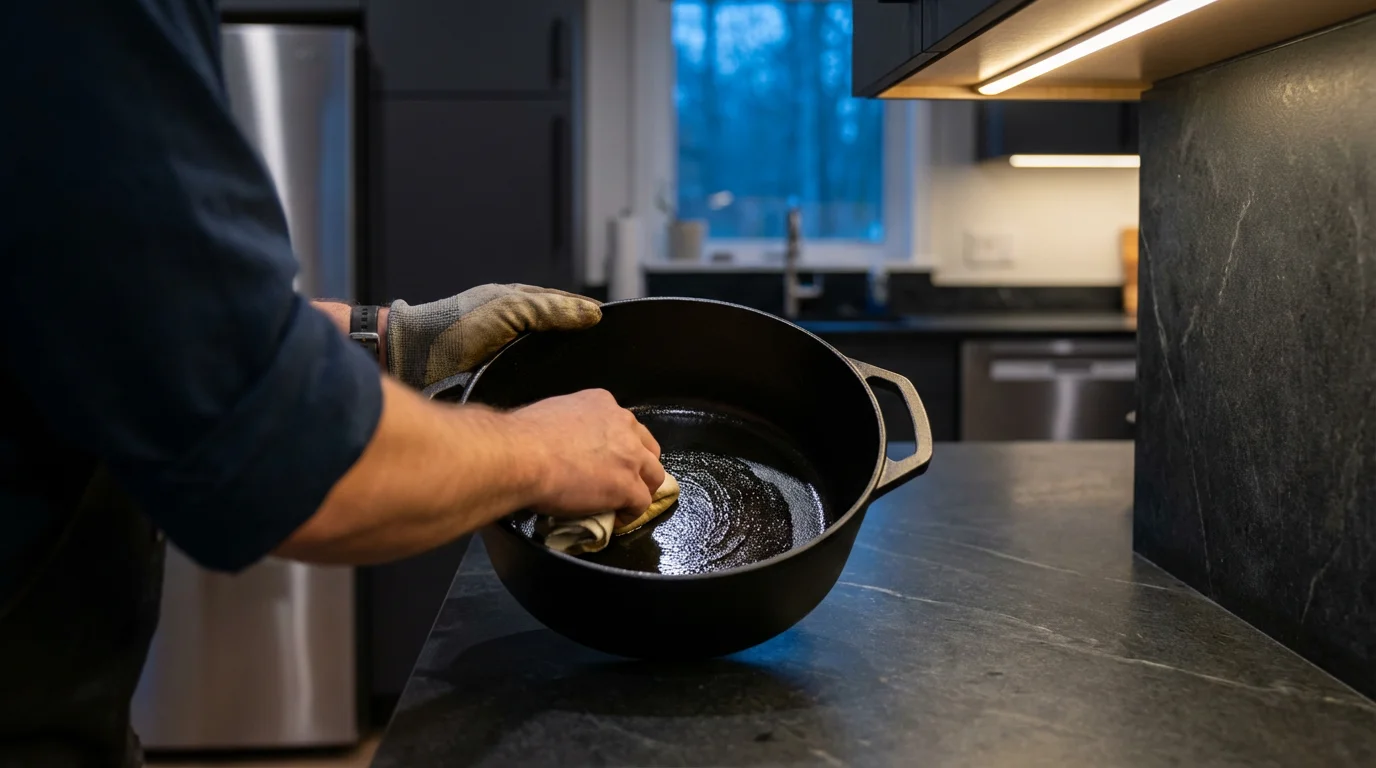
- Wash Immediately: After use, scrape out food residue. Wash by hand with hot water and a stiff brush or non-abrasive sponge. Avoid harsh soaps if possible, as they can strip seasoning. For stubborn food, gently scrub with kosher salt.
- Dry Thoroughly: Immediately dry the dutch oven completely with a towel. You can also place it on a low burner for a few minutes to evaporate any remaining moisture. Rust forms quickly on wet cast iron.
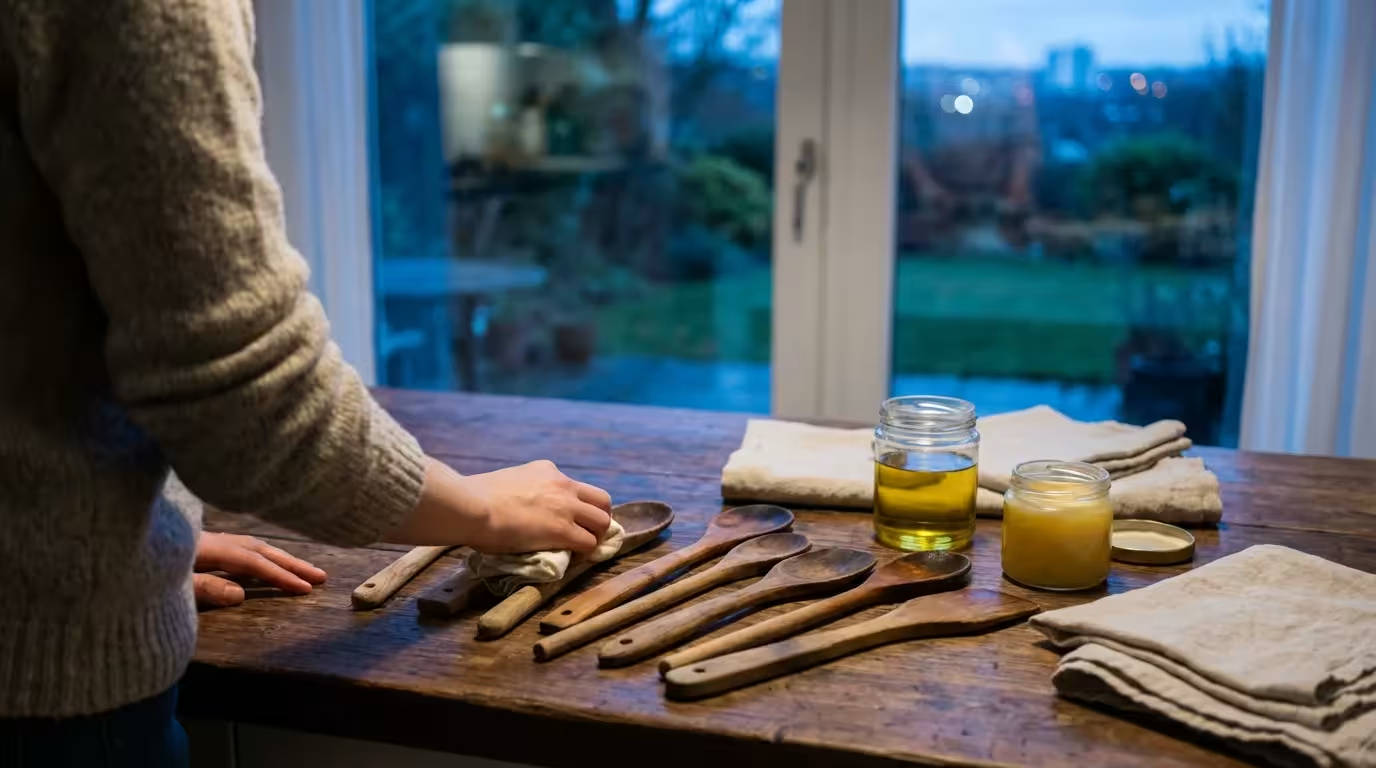
- Re-Season (as needed): Apply a very thin layer of high smoke point cooking oil (e.g., grapeseed, flaxseed, canola) to the entire surface, inside and out. Wipe off any excess so it looks dry, then bake upside down in a 350°F (175°C) oven for one hour. Allow to cool completely in the oven. Do this periodically, especially if food starts to stick or rust spots appear.
- Storage: Store in a dry place. You can place a paper towel inside to absorb any moisture and prevent rust.
As reported by Serious Eats, diligent seasoning is key to developing and maintaining a true non-stick surface on bare cast iron.
Caring for Enameled Cast Iron
This is much simpler and more akin to standard cookware.
- Cool Before Cleaning: Allow the dutch oven to cool completely before washing. Submerging a hot enamel pot in cold water can cause thermal shock, leading to cracks or chips in the enamel.
- Wash Gently: Hand wash with warm, soapy water and a soft sponge or cloth. For stubborn, stuck-on food, fill with water, bring to a simmer, and scrape with a wooden spoon. You can also use a baking soda paste for tougher stains.
- Avoid Abrasives: Do not use metal scouring pads, abrasive cleaners, or metal utensils, as these can scratch or chip the enamel. Nylon or silicone utensils are preferred.
- Dry Thoroughly: While less prone to rust, thoroughly drying prevents water spots and ensures it is ready for next use.
- Dishwasher? Maybe: Some manufacturers claim their enamel is dishwasher safe, but detergents can be harsh and potentially dull the finish over time. Hand washing is always the safest bet to prolong the life and appearance of your enameled dutch oven.

Value and Brands: Le Creuset, Lodge, and Budget Alternatives
The price spectrum for dutch ovens is wide, reflecting differences in material, manufacturing quality, brand prestige, and country of origin.
Premium Enameled Cast Iron: Le Creuset, Staub
Brands like Le Creuset and Staub are the gold standard. You pay for impeccable craftsmanship, extremely durable enamel coatings, superior quality control, and often lifetime warranties. These pieces are designed to be heirlooms.
- Le Creuset: Known for its vibrant color palette, slightly lighter weight due to thinner cast iron (but still excellent heat retention), and ergonomic handles. Their enamel is exceptionally durable and resistant to chipping.
- Staub: Often features a darker, textured interior enamel for better searing and a heavier, self-basting lid design with small nubs that collect and drip moisture back into the food. Generally, Staub is a bit heavier than Le Creuset.
A 6-quart enameled dutch oven from these brands typically ranges from $300-$450.
Mid-Range Enameled Cast Iron: Cuisinart, Tramontina, Amazon Basics
Many brands offer excellent performance at a more accessible price point, often from $60-$150 for a 6-quart model.
- Cuisinart: Provides a good balance of quality and value. Their enameled cast iron dutch ovens are often highly rated for even heating and durability relative to their cost.
- Tramontina: Frequently praised by reviewers for its solid build quality and performance that rivals more expensive brands.
- Amazon Basics: A budget-friendly option that delivers decent performance for everyday cooking, though the enamel might be less durable than premium brands.
According to Consumer Reports’ cookware reviews, several mid-range brands offer excellent value and performance close to the premium options, making them a smart choice for many home cooks.
Bare Cast Iron: Lodge (and other regional foundries)
Lodge is the quintessential American bare cast iron brand. They offer extremely durable, pre-seasoned bare cast iron dutch ovens at very affordable prices, usually $50-$100 for a 6-quart model. You receive a robust, functional, and long-lasting piece of cookware without the premium price tag. Other smaller foundries also produce excellent bare cast iron, often with unique designs.
Choosing Your Dutch Oven: Practical Selection Advice
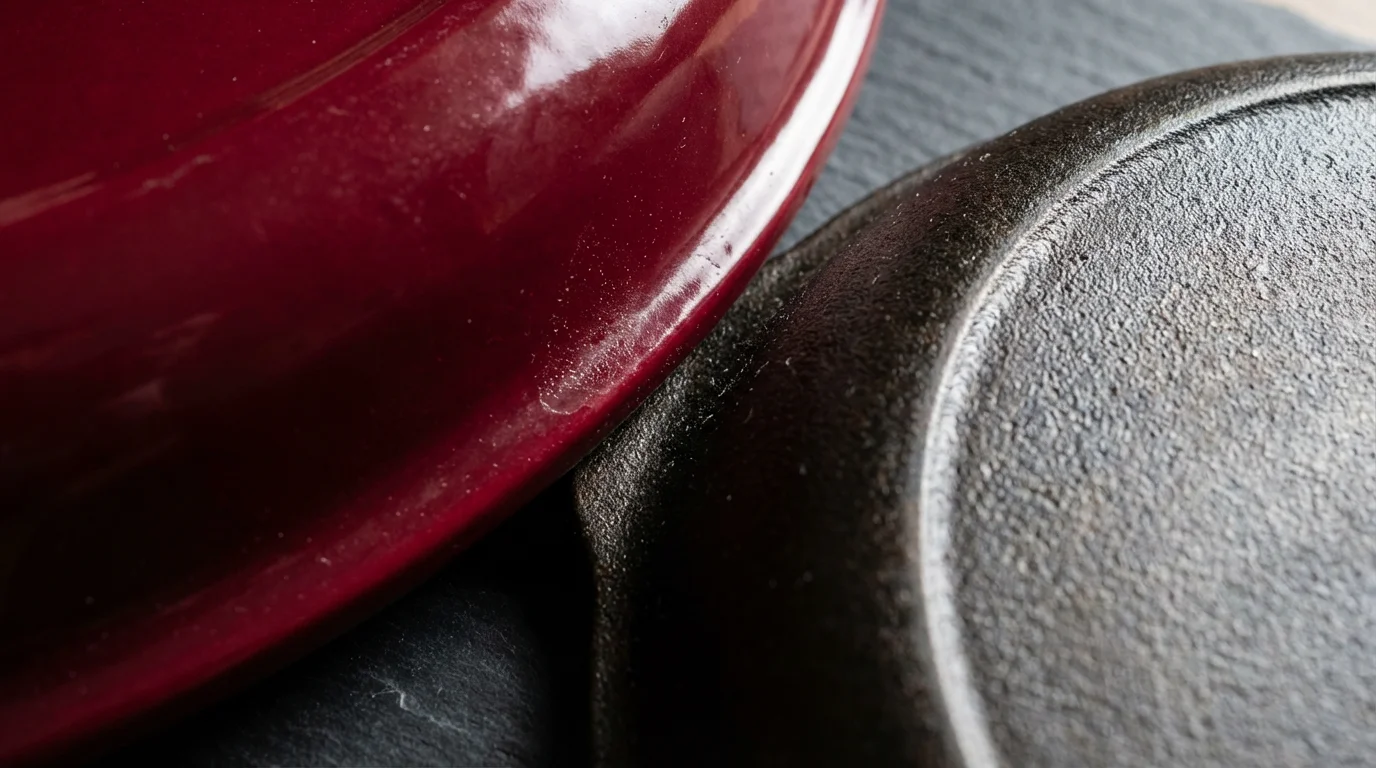
When deciding between enameled and bare cast iron, consider these practical factors:
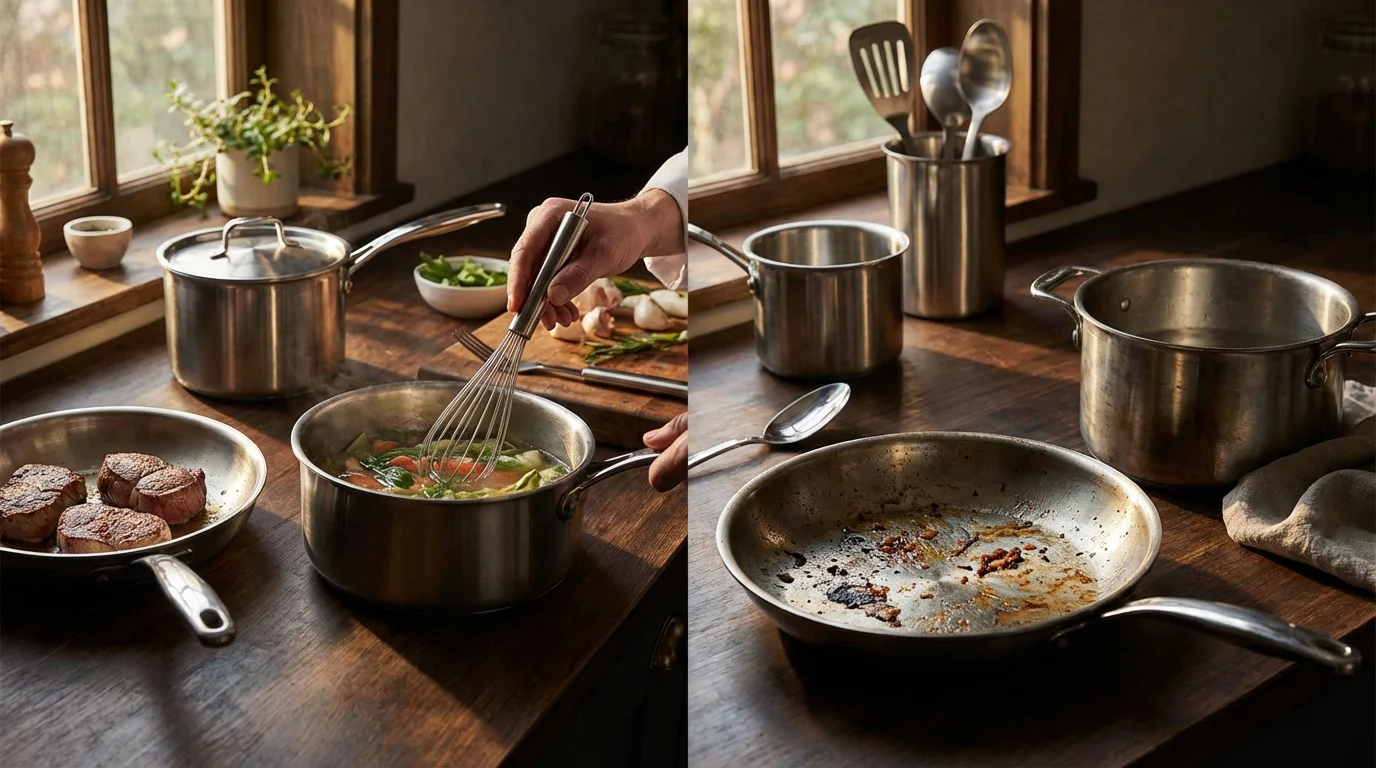
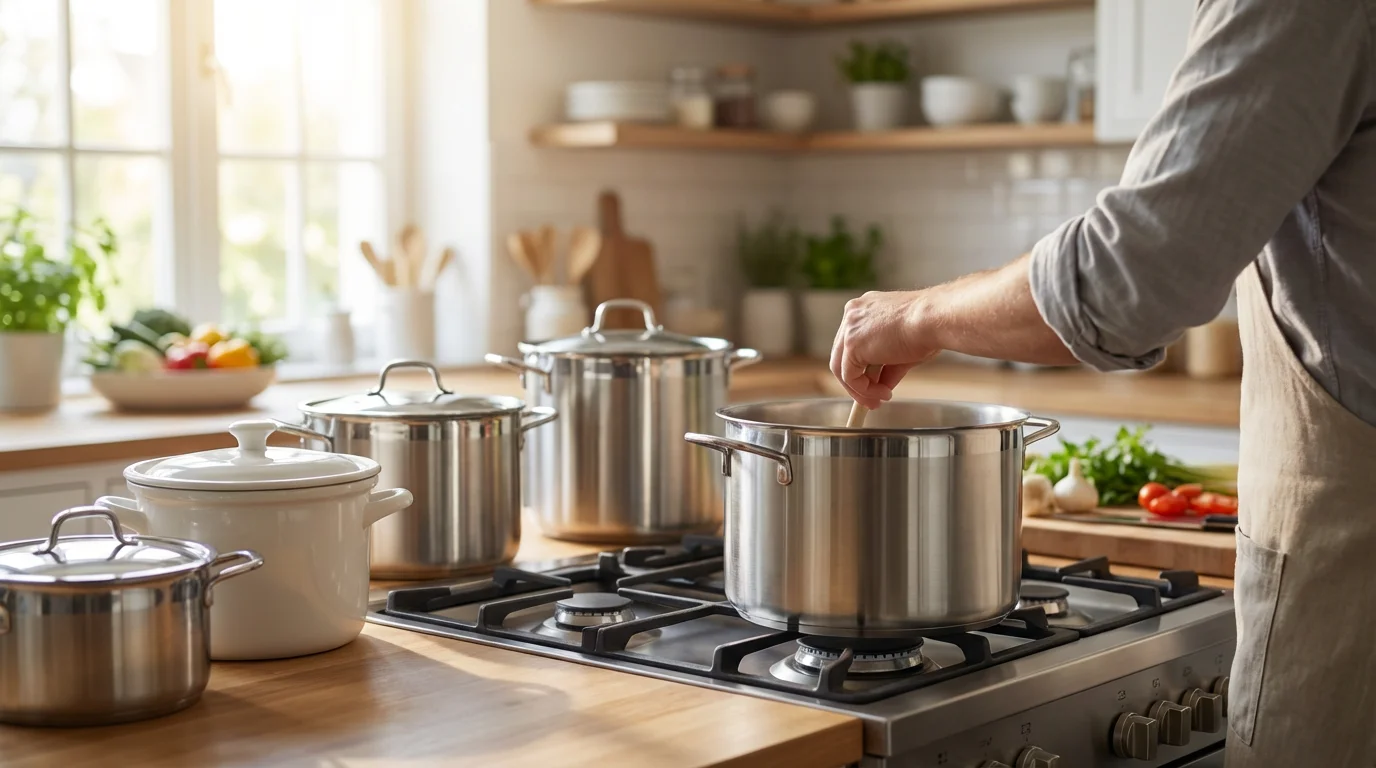
If you prioritize a non-reactive surface but find cast iron too heavy for daily use, high-quality stainless steel cookware is another durable choice for your kitchen.
- Cooking Style:
- Bare Cast Iron: Ideal if you frequently sear meats at high temperatures, bake no-knead bread (best dutch oven for bread baking), deep fry, and are comfortable with a hands-on maintenance routine.
- Enameled Cast Iron: Perfect for braising acidic sauces, simmering stews, making soups, and dishes where you appreciate easy cleanup and the pot going straight from oven to table. If you want a “set it and forget it” approach to cleaning, enameled is for you.
- Maintenance Commitment: Are you willing to season and meticulously dry bare cast iron, or do you prefer the wash-and-go convenience of enamel?
- Budget: Bare cast iron is almost always the more budget-friendly upfront investment. If you desire enamel but have budget constraints, explore mid-range brands.
- Weight and Ergonomics: All cast iron is heavy. Consider how easily you can lift and maneuver a large, full pot. Look for comfortable, wide handles.
- Size: A 5-7 quart dutch oven is the most versatile size for families of 2-6 people. Smaller sizes are good for side dishes, larger for entertaining.
- Aesthetics: If you plan to serve from your dutch oven at the table, the vibrant colors of enameled cast iron might be a deciding factor.
Enameled vs. Bare Cast Iron Dutch Ovens: A Quick Comparison
Here is a direct comparison to help you weigh the key features:
| Feature | Enameled Cast Iron Dutch Oven | Bare Cast Iron Dutch Oven |
|---|---|---|
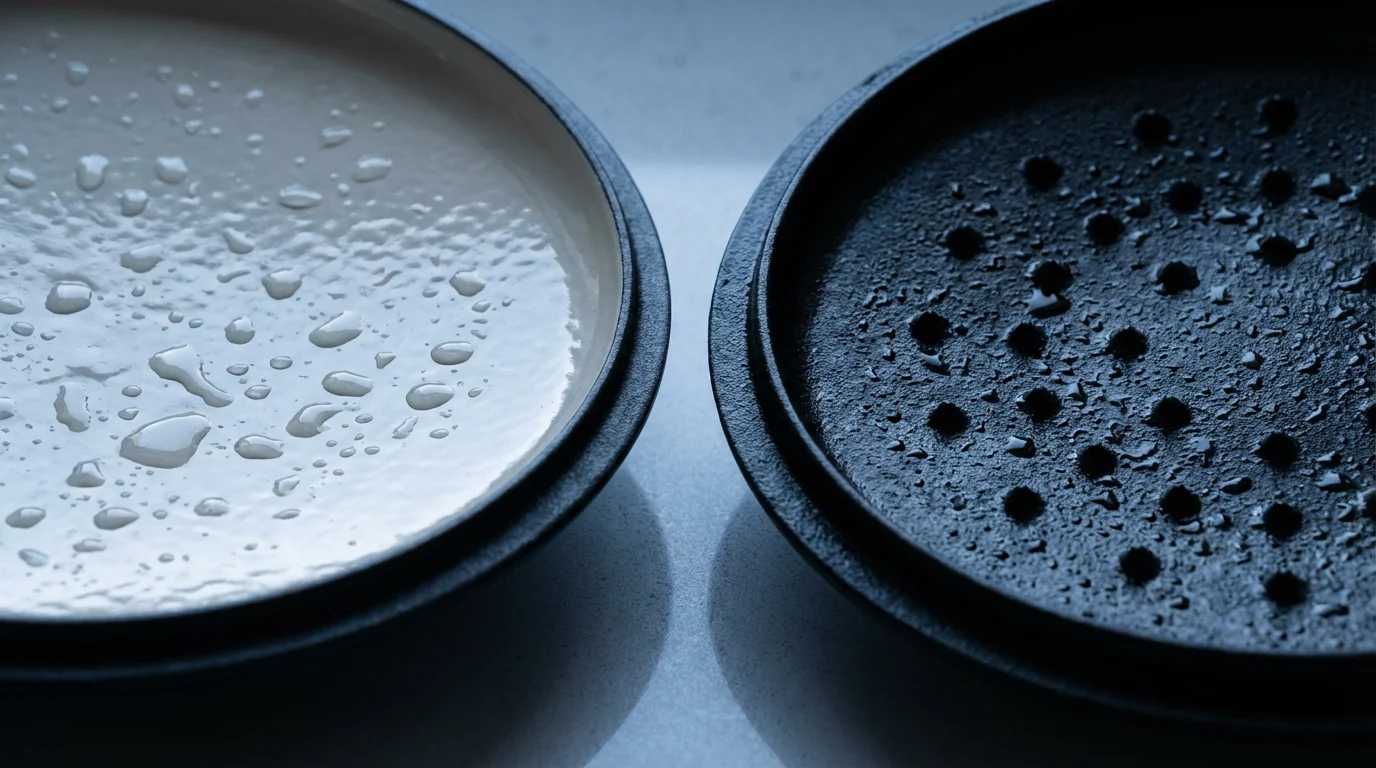
| Surface Material | Glass-based enamel coating | Raw cast iron, seasoned with oil |
| Non-Stick Properties | Moderately non-stick, requires some oil. Less sticky than unseasoned bare cast iron. | Develops natural non-stick with proper seasoning; improves with age. |
| Reactivity with Acidic Foods | Non-reactive; ideal for tomato sauces, wine, vinegar. | Can react with acidic foods if seasoning is insufficient, imparting metallic taste. |
| Maintenance | Easy to clean with soap and water; no seasoning needed. Hand wash recommended. | Requires seasoning, immediate drying, and oiling to prevent rust. No dishwasher. |
| Durability of Surface | Enamel can chip, crack, or stain with impact or thermal shock. | Physically robust; surface can be restored by re-seasoning if damaged or rusty. |
| Heat Tolerance | Good up to 450-500°F (232-260°C) due to enamel and lid knob limits. | Very high, often 700°F+ (370°C+), ideal for high-heat bread baking. |
| Price Range (6-7 qt) | $60 – $450+ | $50 – $100+ |
| Aesthetics | Wide range of colors; suitable for oven-to-table presentation. | Traditional matte black/gray finish; rustic look. |
| Best For | Braising, stews, soups, acidic sauces, oven roasting, easy cleanup. | High-heat searing, deep frying, no-knead bread, camping, long-term durability. |
Recipes That Shine: When Each Type Excels
Understanding which dutch oven excels for specific dishes helps you maximize your cooking potential.
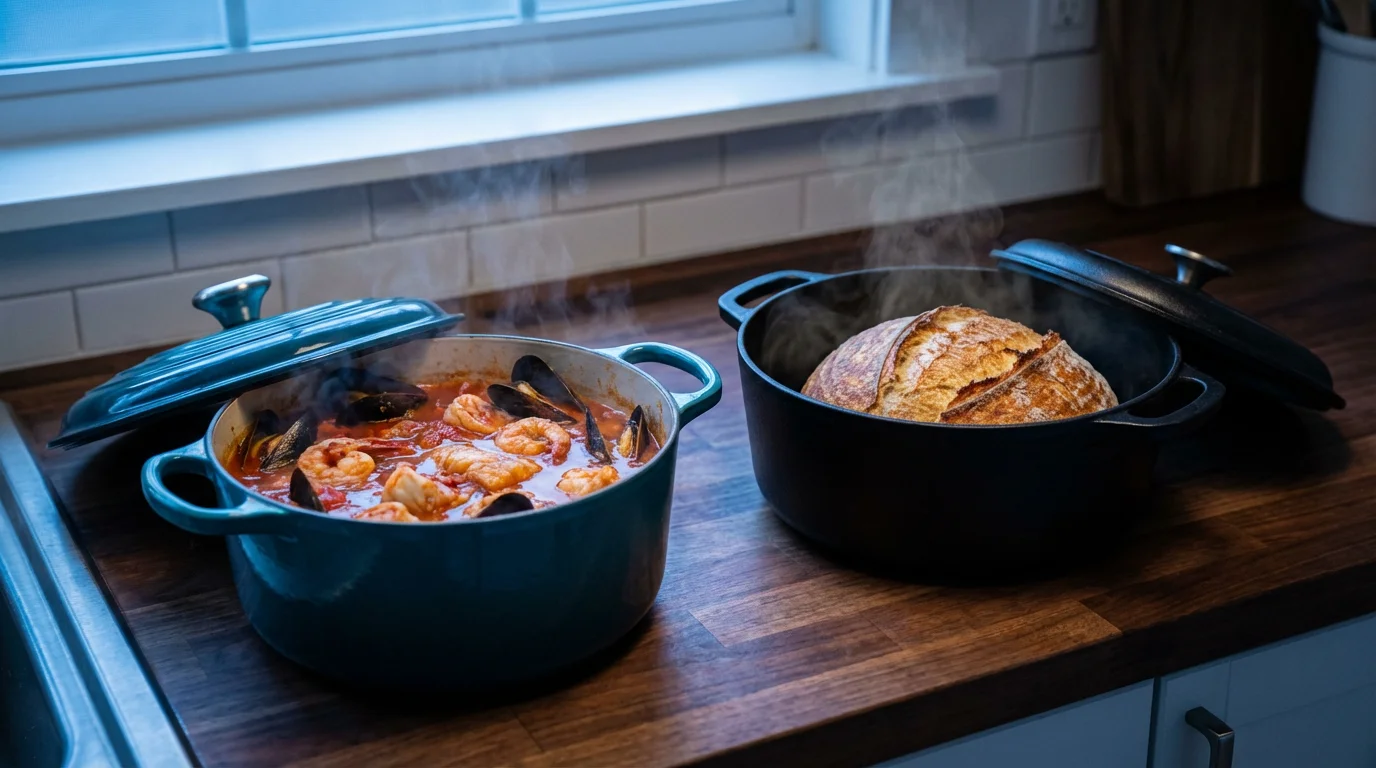
- Enameled Cast Iron is Perfect For:
- Braising with Wine or Tomatoes: Think Coq au Vin, Beef Bourguignon, or hearty tomato-based chili. The non-reactive surface allows flavors to develop without metallic notes.
- Soups and Stews: Easy cleanup and consistent simmering make it ideal for slow-cooked liquids.
- Poaching and Simmering: Gentle, even heat is excellent for poaching chicken or simmering delicate sauces.
- Desserts: Some bakers use enameled dutch ovens for cobblers or other baked goods, benefiting from the even heat.
- Bare Cast Iron is Perfect For:
- No-Knead Bread: The very high oven temperatures bare cast iron can withstand create an exceptional crust and crumb for artisan loaves. This is often cited as the best dutch oven for bread baking.
- High-Heat Searing: Getting a beautiful, deep brown crust on a roast or individual cuts of meat before deglazing or braising.
- Deep Frying: Its superior heat retention maintains oil temperature exceptionally well, leading to crispier fried foods.
- Rustic Camping Meals: Its ruggedness and ability to handle direct flame make it a favorite for outdoor cooking.
Frequently Asked Questions
Can you use a bare cast iron dutch oven for acidic foods?
Yes, but with caution. A bare cast iron dutch oven needs a very strong, well-established seasoning layer to protect it from acidic foods like tomato sauce or wine. If the seasoning is thin or compromised, acidic ingredients can strip it away, causing food to taste metallic and potentially damaging the pan. For frequent cooking of acidic dishes, enameled cast iron is the safer, more convenient choice.
Is a Le Creuset dutch oven worth the investment?
For many, yes. Le Creuset dutch ovens offer exceptional durability, superior heat performance, consistent quality control, beautiful aesthetics, and an excellent warranty. While expensive, they are designed to last for generations. If you prioritize aesthetics, easy cleanup, and a non-reactive surface for a wide range of cooking, the investment can be justified for its longevity and performance. For the budget-conscious, brands like Cuisinart or Tramontina offer strong alternatives.
What size dutch oven should I buy?
A 5.5 to 7.5-quart dutch oven is the most versatile size for most home cooks, comfortably serving 2-6 people. This size is ideal for braising a small roast, making a large batch of stew, or baking a standard loaf of no-knead bread. If you frequently cook for larger groups or entertain often, consider an 8-quart or larger model. For single servings or small side dishes, a 3-quart might be useful.
How do you prevent food from sticking in an enameled cast iron dutch oven?
While enameled cast iron is less sticky than bare cast iron, it is not completely non-stick. To prevent food from sticking, always preheat the dutch oven gradually over medium-low heat before adding oil or food. Use sufficient cooking fat, and ensure your food is at room temperature where appropriate. Avoid very high heat, which can cause food to scorch and stick more easily.
Disclaimer: Product prices and availability change frequently. Prices shown were accurate at time of writing but may have changed. We may earn a small commission from purchases made through links on this site, at no extra cost to you. Always verify current pricing on the retailer’s website before purchasing.

Leave a Reply