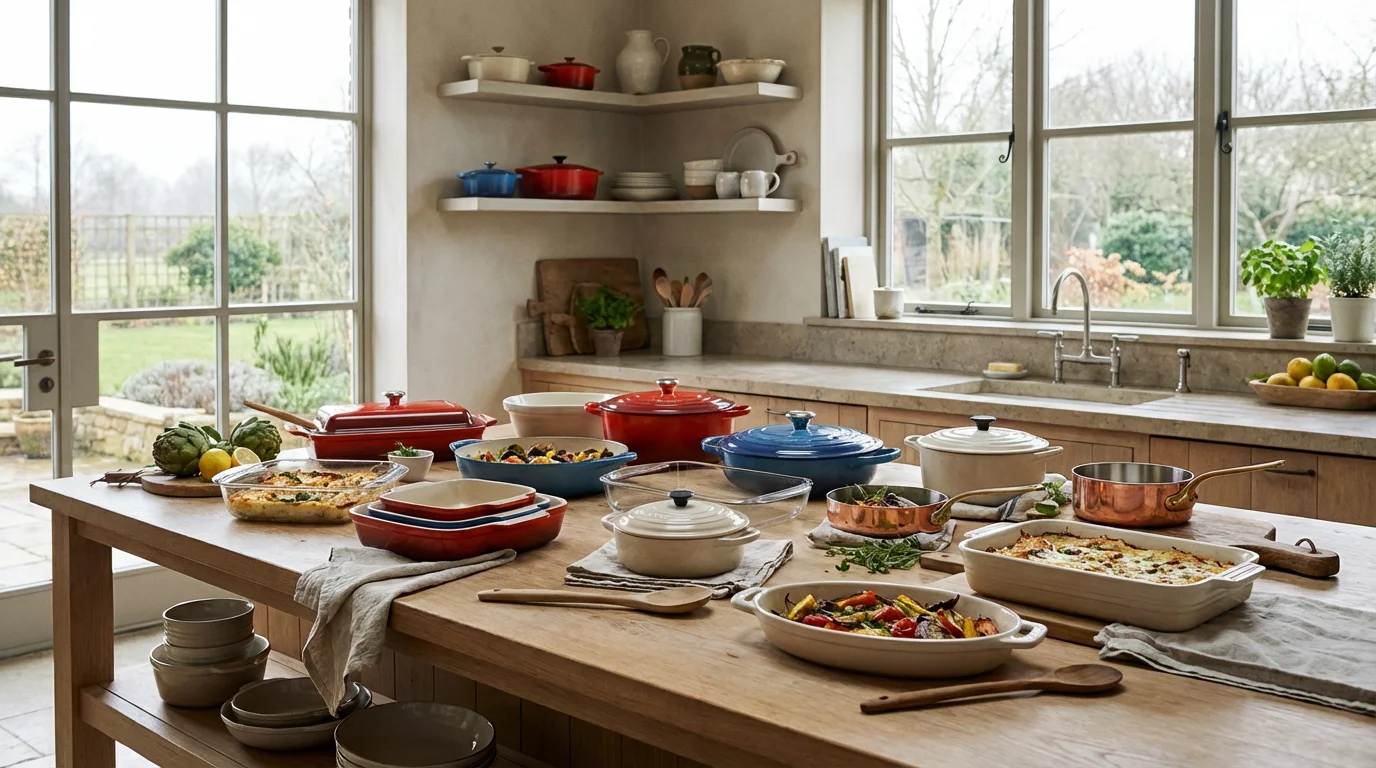
You want to bake a family-sized lasagna, a comforting shepherd’s pie, or a delicate gratin, but the sheer variety of casserole dishes on the market leaves you puzzled. Glass, ceramic, cast iron, different sizes, brands, and price points contribute to this confusion. This guide demystifies casserole dishes, helping you select the right materials and sizes to ensure your dishes bake perfectly and your cookware lasts for years.
Understanding Casserole Dish Sizes: What You Need
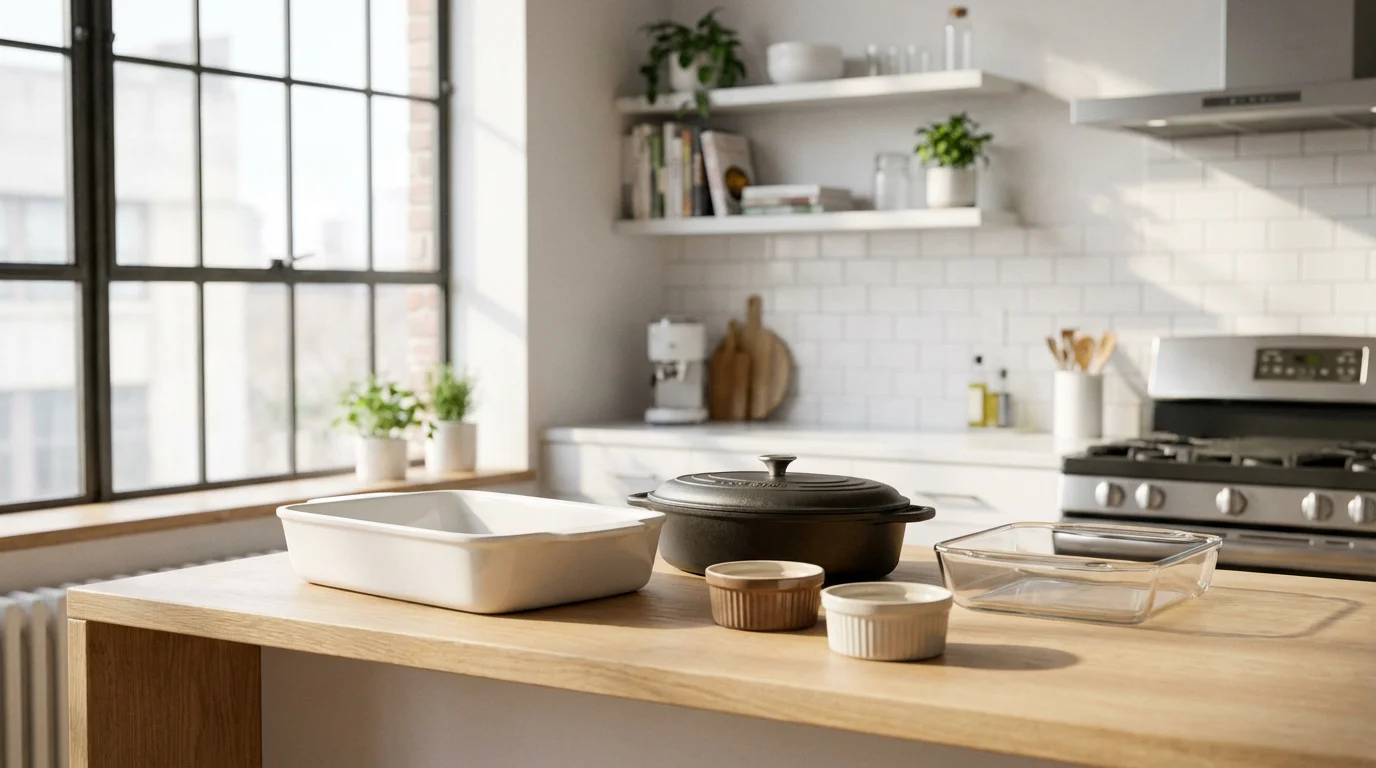
The first decision often revolves around size. A casserole dish, also known as a baking dish or oven safe dish, comes in numerous dimensions, each suited for different culinary tasks. Standard sizes include rectangular, square, and oval shapes, with capacities ranging from individual servings to large family meals.
For most home cooks, a few key sizes cover the majority of needs:
- 9×13-inch (3-quart or 13x9x2-inch): This is arguably the most versatile and popular size. It accommodates everything from a party-sized lasagna or baked ziti to a large batch of brownies or a roast chicken with vegetables. If you only buy one casserole dish, make it this one. This size is typically what recipes refer to when they do not specify.
- 8×8-inch or 9×9-inch (2-quart): Ideal for smaller households, side dishes, or half-batch recipes. Think apple crumble for four, a modest cornbread, or a smaller mac and cheese. Many recipes designed for a 9×13-inch pan can be halved and baked in an 8×8-inch dish.
- 7×11-inch or 2-quart oval: A good intermediate size for dishes serving 4-6 people. It works well for gratins, smaller casseroles, or baked fish. The oval shape often presents food beautifully.
- 11×15-inch or larger (4-5 quart): Necessary for entertaining larger crowds, preparing double recipes, or roasting bigger cuts of meat like a whole turkey or substantial roasts. You likely use this less frequently, but it becomes indispensable for holidays.
- Individual Ramekins (4-12 ounces): Perfect for single servings of soufflés, custards, crème brûlée, or small pot pies. They offer elegant presentation for individual portions.
When a recipe specifies a dish size, it considers both the surface area and the depth. An extra inch in depth can mean significant additional capacity. Always check the volume in quarts or liters if possible, especially when substituting sizes. This helps ensure your ingredients fit and cook evenly.
“Matching your casserole dish size to your recipe prevents overflow, ensures even cooking, and ultimately improves your results. When in doubt, err on the side of slightly larger.”
Material Matters: Glass Casserole Dishes
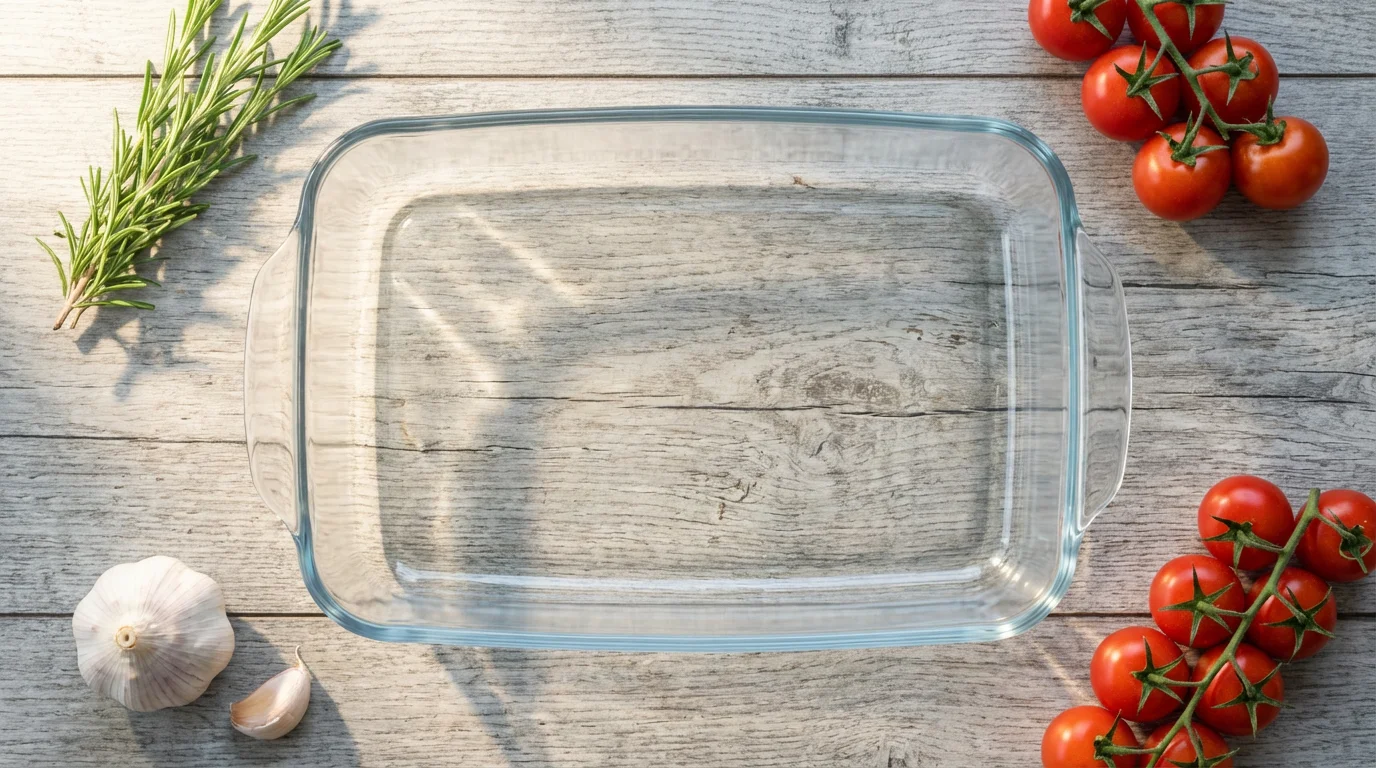
Glass casserole dishes, primarily made from borosilicate or tempered soda-lime glass, are kitchen staples. Pyrex is a widely recognized brand in this category. They offer several advantages, making them a popular choice for many home cooks.
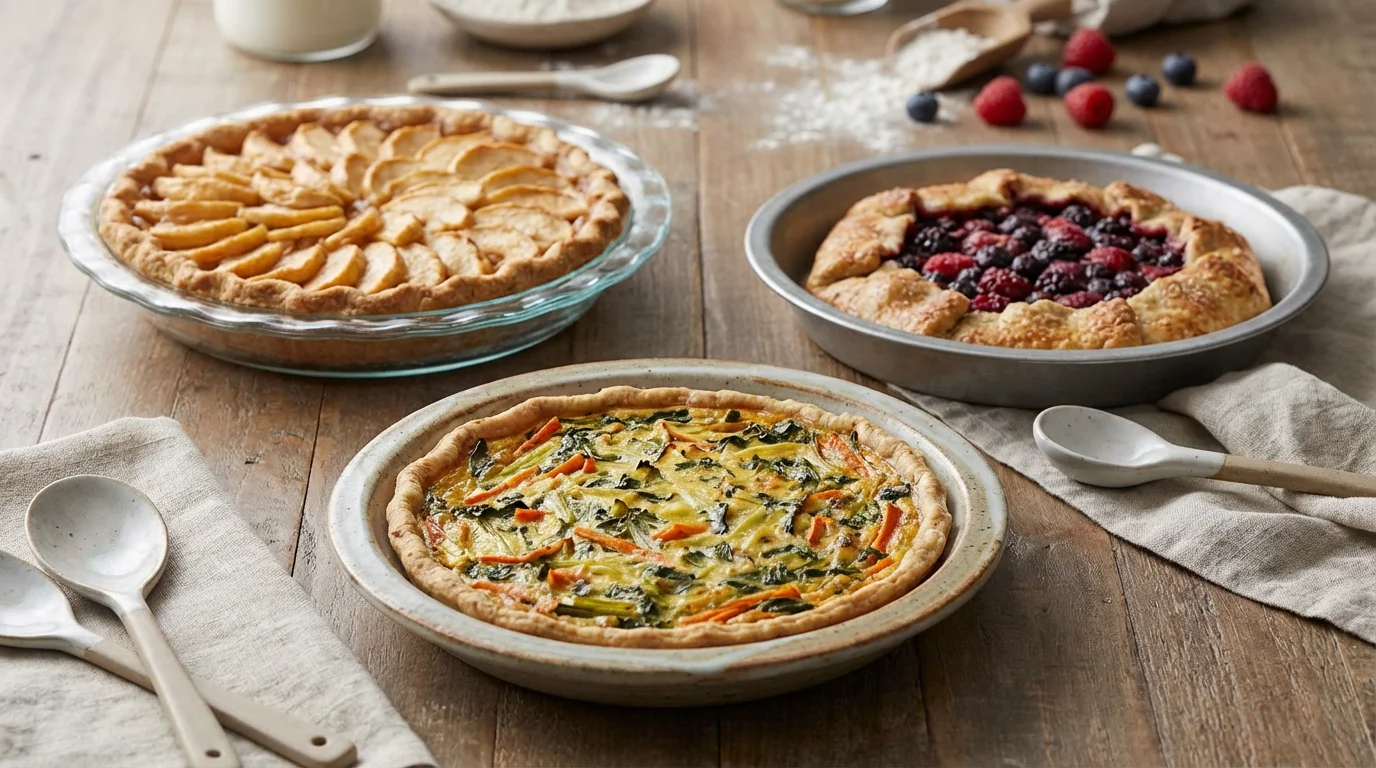
When baking desserts like fruit tarts, you may also want to consider whether pie plates: glass vs ceramic vs metal are better suited for your specific recipe.
Pros of Glass Casserole Dishes:
- Visibility: You can easily see the cooking progress from all sides, allowing you to monitor browning without opening the oven.
- Even Heating: Glass heats slowly and retains heat exceptionally well, promoting even cooking. This is beneficial for dishes requiring consistent, gentle baking, like casseroles and gratins.
- Non-Reactive: Glass does not react with acidic foods, meaning your flavors remain pure.
- Affordable: Glass dishes are generally very budget-friendly, providing excellent value.
- Easy to Clean: Their smooth, non-porous surface makes cleaning straightforward, and they are typically dishwasher safe.
- Versatility: Most glass dishes are freezer, microwave, and oven safe, making them highly practical for meal prep and reheating.
Cons of Glass Casserole Dishes:
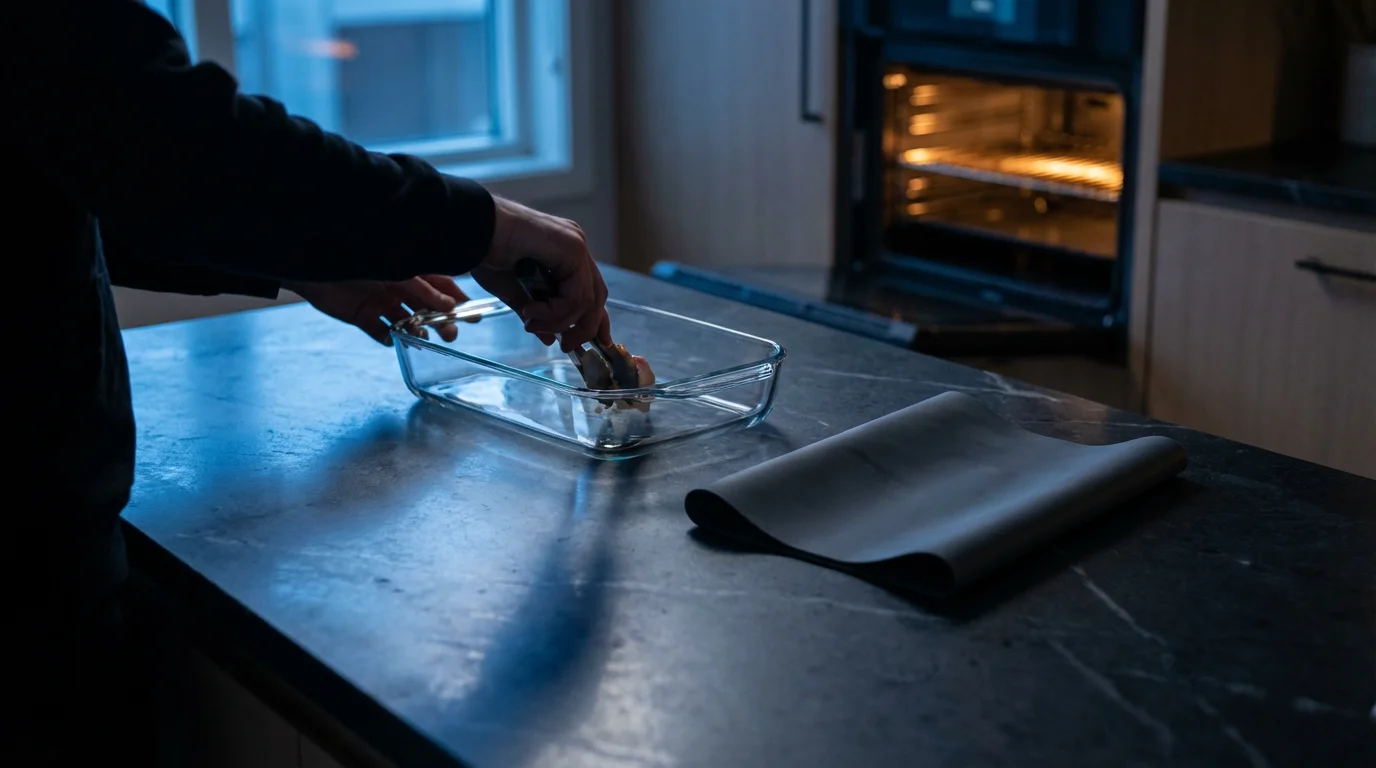
- Thermal Shock Risk: Sudden temperature changes, known as thermal shock, can cause glass to crack or shatter. Avoid placing a hot glass dish on a cold surface or adding cold liquid to a hot dish. Similarly, do not transfer a frozen dish directly into a preheated hot oven; allow it to come closer to room temperature first.
- Poor for High Heat Searing: Glass does not conduct heat rapidly, making it unsuitable for applications requiring high-heat searing or stovetop use.
- Fragile: Glass can break if dropped, though tempered glass is more resilient than standard glass.
- Weight: Larger glass dishes can be heavy, especially when filled.
Oven-Safe Temperature: Most glass casserole dishes are oven safe up to 450°F (232°C). Always check the manufacturer’s specific instructions, as some may tolerate slightly higher or lower temperatures.
Best For: Casseroles, baked pasta dishes, gratins, fruit crisps, lasagna (especially the best casserole dish for lasagna often involves glass for its even heat), brownies, and any dish where you want to see the browning. According to America’s Test Kitchen, glass bakeware conducts and holds heat efficiently for consistent baking.
Material Matters: Ceramic and Stoneware Casserole Dishes
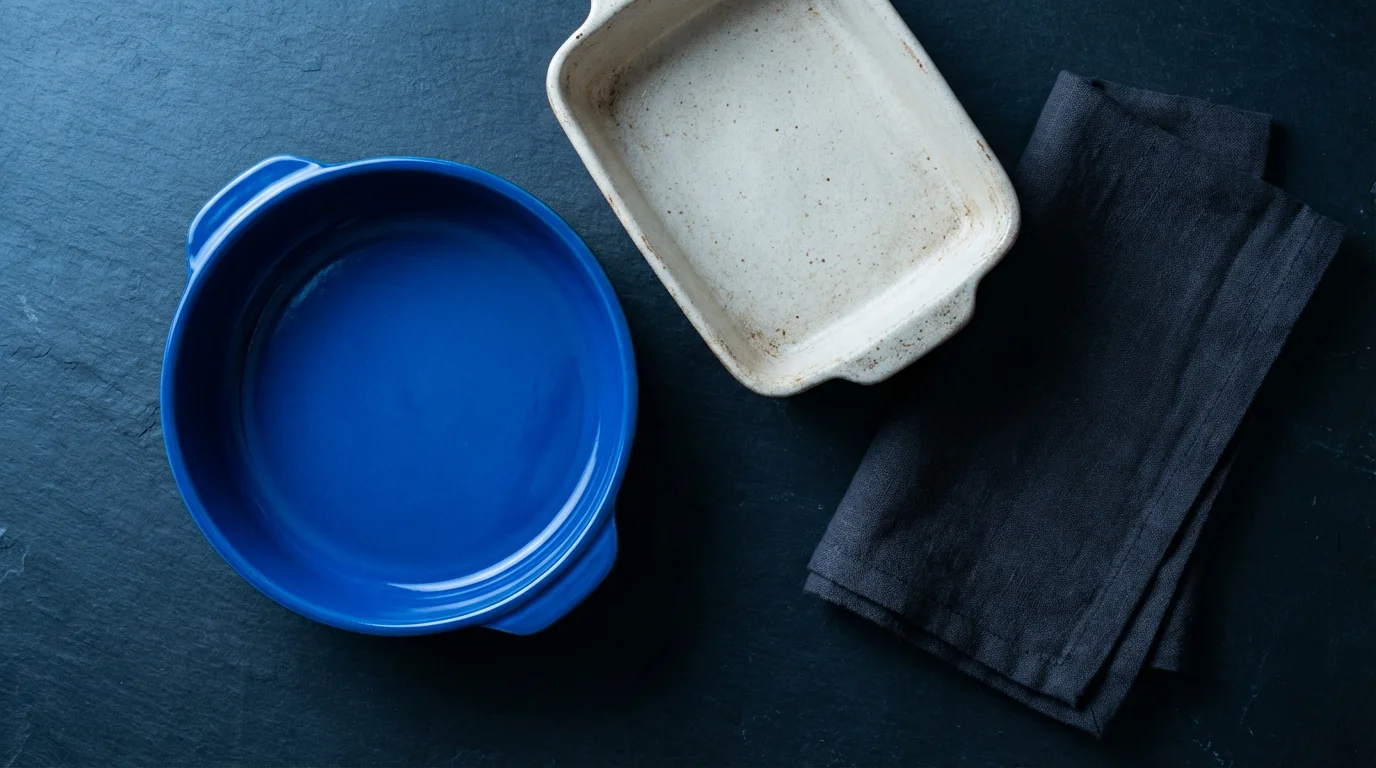
Ceramic and stoneware casserole dishes offer beautiful aesthetics, excellent heat retention, and versatility. Brands like Le Creuset and Emile Henry are well-known for their high-quality ceramic and stoneware offerings.
Pros of Ceramic and Stoneware:
- Superior Heat Retention: These materials excel at holding heat, keeping food warm at the table longer. This also helps dishes bake evenly and thoroughly.
- Even Baking: Like glass, ceramic and stoneware heat gradually and distribute heat consistently, preventing hot spots and ensuring uniform cooking.
- Attractive Design: Available in a vast array of colors and finishes, they transition beautifully from oven to table, enhancing your meal presentation.
- Non-Reactive: They do not react with acidic ingredients, preserving food flavors.
- Versatile: Many are broiler, microwave, freezer, and dishwasher safe.
- Durability: High-quality ceramic and stoneware are very durable and resistant to scratching.
Cons of Ceramic and Stoneware:
- Cost: Premium brands command higher prices.
- Weight: They can be quite heavy, particularly larger pieces.
- Fragility: While durable, they can chip or break if dropped or subjected to severe impacts.
- Thermal Shock: Similar to glass, ceramic and stoneware are susceptible to thermal shock, though high-quality pieces are often more resilient. Avoid extreme temperature changes.
Oven-Safe Temperature: Most ceramic and stoneware casserole dishes are oven safe up to 500°F (260°C), with some specialty glazes handling even higher temperatures. Always check the manufacturer’s guidelines.
Best For: Slow-baked dishes, gratins, roasts, soufflés, bread puddings, pot pies, and any dish you want to serve directly from the oven to the table. Their aesthetic appeal makes them perfect for entertaining.
Material Matters: Cast Iron and Enameled Cast Iron Casserole Dishes
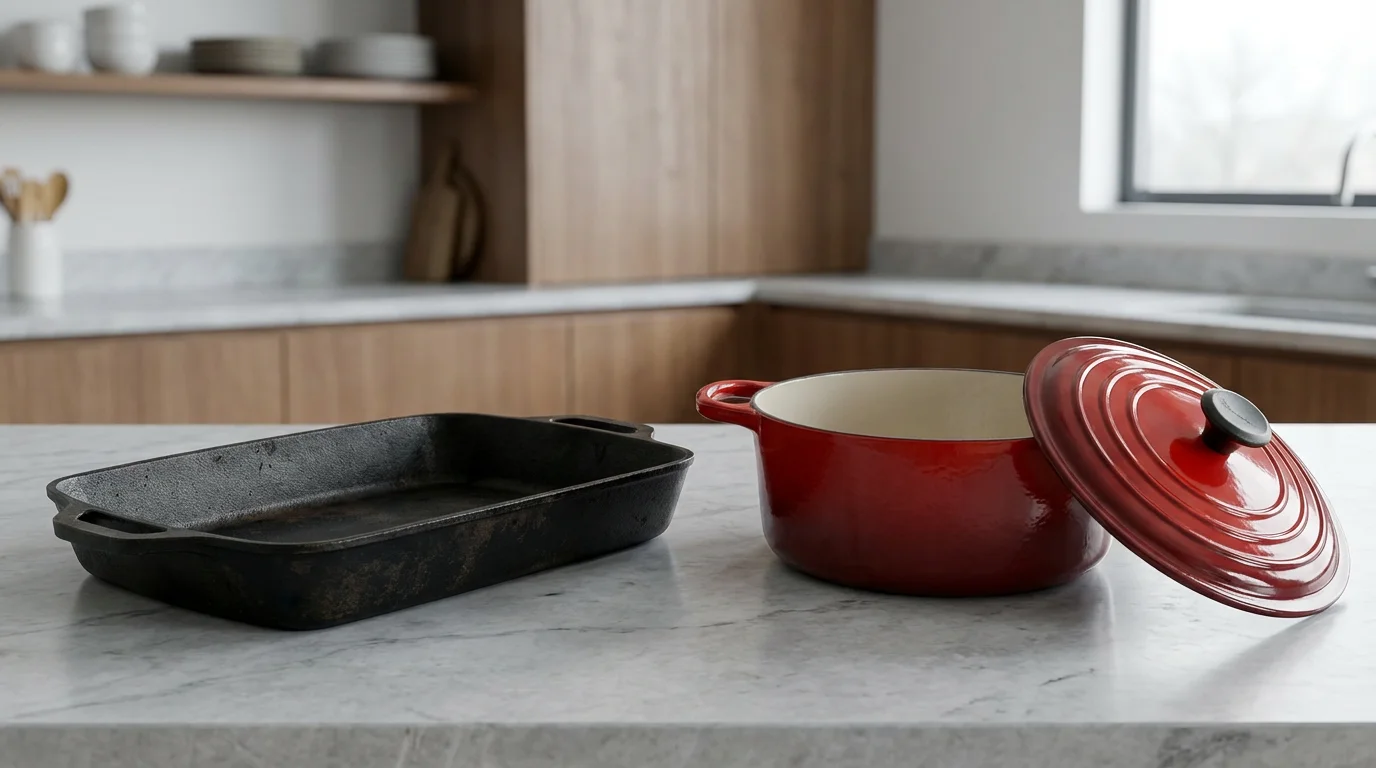
Cast iron, both bare and enameled, provides exceptional performance in the oven. Lodge is a leader in traditional cast iron, while Le Creuset and Staub define the enameled cast iron market, particularly with their Dutch ovens, which function excellently as deep casserole dishes.
Pros of Bare Cast Iron:
- Unmatched Heat Retention: Cast iron holds heat incredibly well, crucial for achieving deep browning and thorough cooking.
- Durability: It is nearly indestructible and can last generations with proper care.
- Versatility: Goes from stovetop to oven to broiler.
- Non-Stick Properties (when seasoned): A well-seasoned cast iron dish develops a natural, chemical-free non-stick surface. Seasoning refers to a protective coating built up on cast iron through oil and heat.
- Affordable: Bare cast iron is very economical.
Cons of Bare Cast Iron:
- Maintenance: Requires specific cleaning and seasoning to prevent rust and maintain its non-stick quality.
- Reactive: Highly acidic foods can strip the seasoning and impart a metallic taste.
- Weight: Extremely heavy.
- No Dishwasher: Not dishwasher safe.
Pros of Enameled Cast Iron:
- Exceptional Heat Retention: Retains all the excellent heat characteristics of bare cast iron.
- Non-Reactive: The enamel coating prevents reaction with acidic foods, allowing you to cook anything.
- Easy to Clean: The smooth enamel surface is easy to clean and often dishwasher safe (though handwashing extends its life).
- No Seasoning Required: The enamel eliminates the need for seasoning.
- Attractive: Available in a wide range of colors, perfect for oven-to-table serving.
Cons of Enameled Cast Iron:
- Cost: Premium enameled cast iron, like that from Le Creuset or Staub, represents a significant investment.
- Weight: Still very heavy.
- Fragile Enamel: The enamel can chip if dropped or struck hard, or if exposed to extreme thermal shock.
Oven-Safe Temperature: Bare cast iron can typically handle very high temperatures, often up to 600°F (315°C) or higher. Enameled cast iron usually has a limit of 500°F (260°C) or 450°F (232°C), depending on the knob material. Always check manufacturer instructions.
Best For: Braises, slow roasts, bread baking, deep casseroles, stews, and any dish benefiting from long, even heat application. An enameled cast iron Dutch oven makes an excellent oven safe dish for deep casseroles and stews.

Material Matters: Metal and Aluminum Casserole Dishes
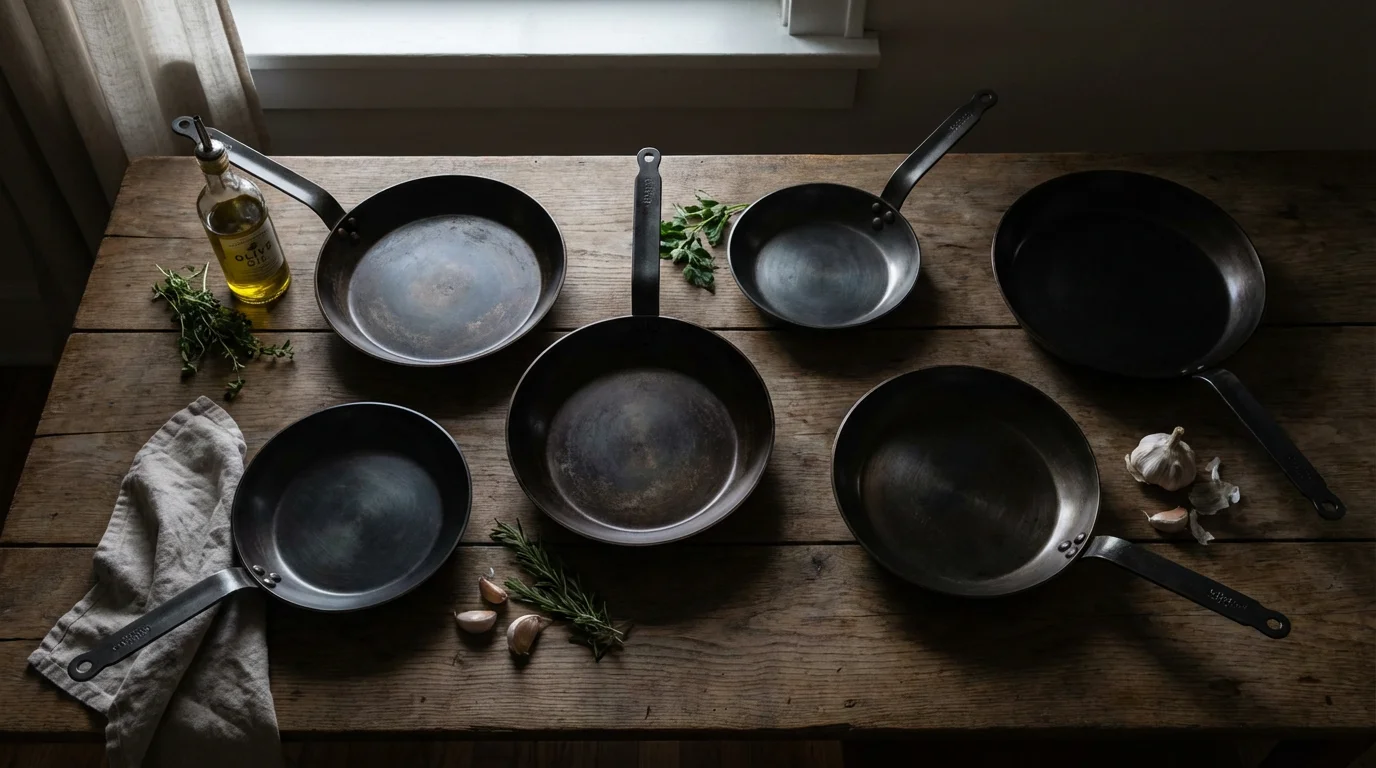
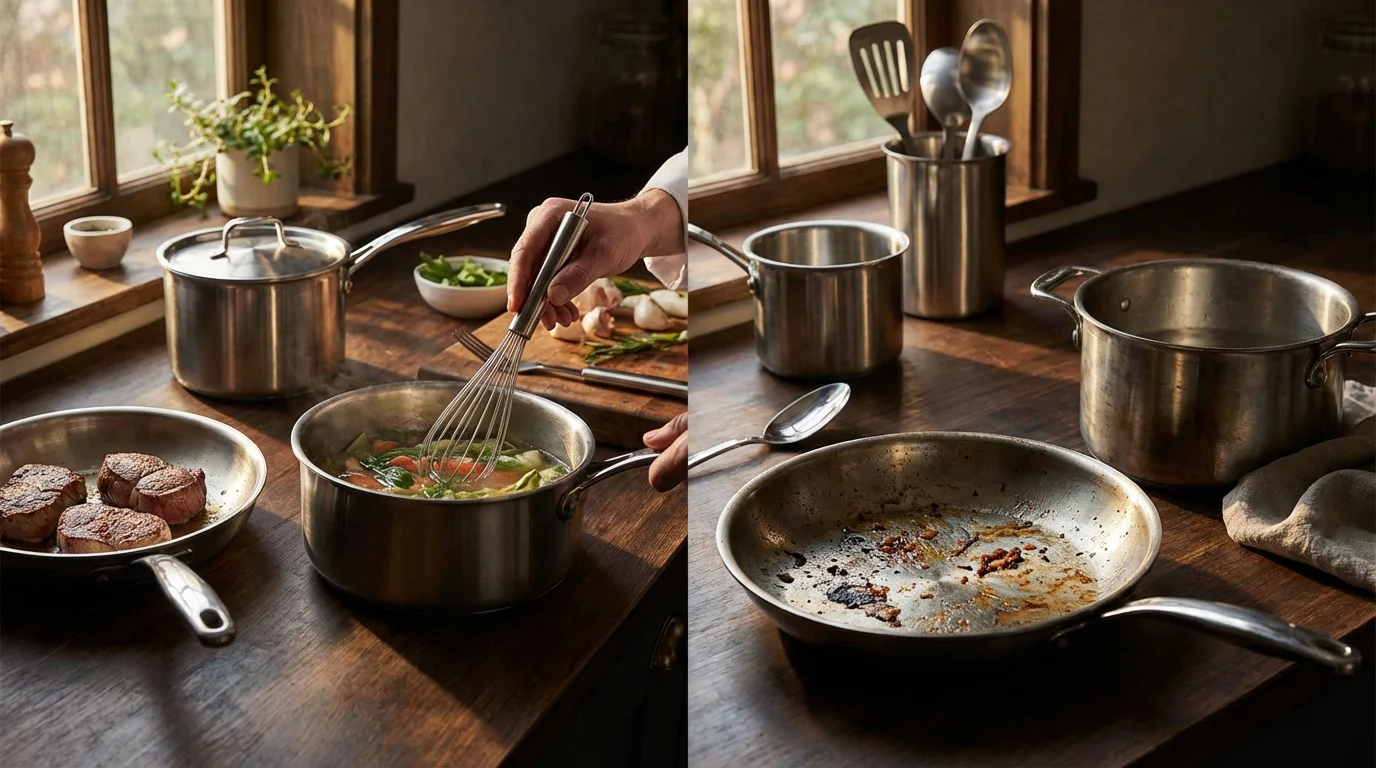
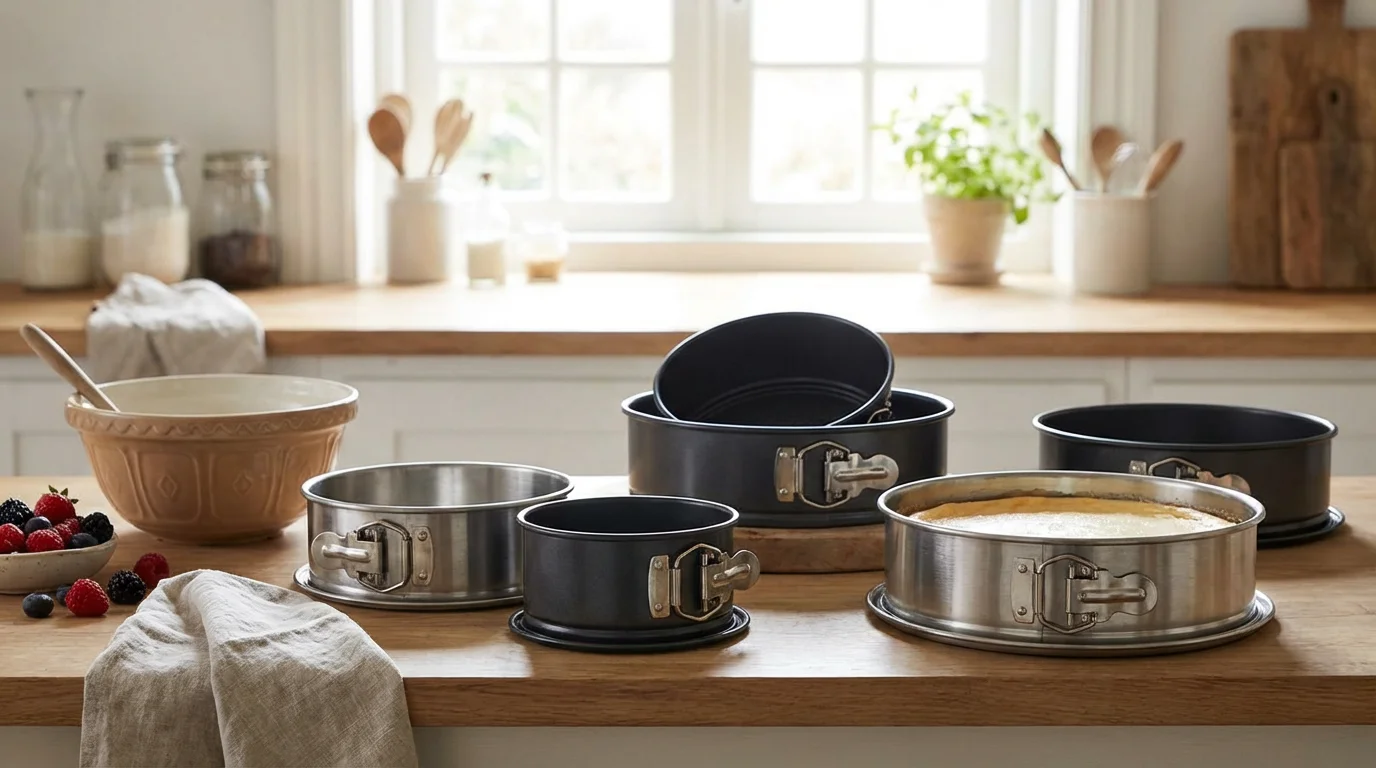
Metal baking dishes are typically made from aluminum, often anodized, or stainless steel. These are workhorses, especially in the form of roasting pans and cake pans.
For recipes that require more surface area and less depth than a casserole, using the best baking sheets for even browning is often the better choice.
Pros of Metal and Aluminum:
- Excellent Heat Conductivity: Aluminum, in particular, heats up quickly and distributes heat efficiently. This rapid heating makes it ideal for dishes needing to brown quickly.
- Lightweight: Generally much lighter than glass or ceramic, making them easier to handle.
- Durability: Metal pans are very durable and resistant to breaking or chipping. They can dent, but they often remain functional.
- Versatility: Many metal pans are suitable for roasting, baking, and even broiling.
- Cost-Effective: Aluminum bakeware is typically affordable.
Cons of Metal and Aluminum:
- Reactive (for bare aluminum): Uncoated aluminum can react with acidic foods, causing discoloration and potentially imparting a metallic taste. Anodized aluminum prevents this reaction.
- Poor Heat Retention: While they heat quickly, they also lose heat quickly, meaning food cools down faster at the table.
- Cleaning: Food can sometimes stick more readily to metal surfaces than to glass or ceramic. Non-stick coatings help, but these can wear over time.
- Aesthetics: Metal pans are generally less attractive for oven-to-table presentation compared to ceramic or enameled cast iron.
Oven-Safe Temperature: Most metal baking dishes are oven safe up to 450-500°F (232-260°C). Pans with non-stick coatings might have lower temperature limits, often around 400-425°F (204-218°C), due to the coating material. Always verify manufacturer specifications.
Best For: Roasting vegetables, baking sheet pan dinners, sheet cakes, rolls, and quick breads. Roasting pans, often made of stainless steel or heavy-gauge aluminum, are perfect for large cuts of meat and poultry.
Heat Distribution, Durability, and Oven Safety Across Materials
Understanding how different materials conduct and retain heat, along with their overall resilience, guides your purchasing decisions. Heat distribution refers to how evenly the pan spreads heat across its surface, preventing hot spots. Oven-safe means the cookware can go from stovetop to oven without damage, but always check the maximum temperature.
Material Performance Comparison
| Material | Heat Conductivity (How fast it heats/cools) | Heat Retention (How long it stays hot) | Durability | Oven-Safe Temp (Approx.) | Dishwasher Safe |
|---|---|---|---|---|---|
| Glass | Low (slow to heat, slow to cool) | High | Medium (prone to thermal shock/breakage) | 450°F (232°C) | Yes |
| Ceramic/Stoneware | Low (slow to heat, slow to cool) | Very High | High (prone to chipping/thermal shock) | 500°F (260°C) | Often, handwash for longevity |
| Bare Cast Iron | Medium (slow to heat, slow to cool) | Very High | Very High (virtually indestructible) | 600°F+ (315°C+) | No |
| Enameled Cast Iron | Medium (slow to heat, slow to cool) | Very High | High (enamel can chip) | 450-500°F (232-260°C) | Often, handwash recommended |
| Aluminum (Anodized) | Very High (heats fast, cools fast) | Low | High (dent resistant, not fragile) | 450-500°F (232-260°C) | Often, handwash recommended |
| Stainless Steel | Low (poor conductor on its own) | Medium | Very High (highly durable) | 500°F+ (260°C+) | Yes |
You can see a clear trade-off between how quickly a material heats up (conductivity) and how long it holds that heat (retention). Glass, ceramic, and cast iron are champions of heat retention, making them ideal for dishes that need to bake slowly and evenly. Aluminum, on the other hand, excels at fast, direct heat transfer, perfect for quick roasting and browning.
Durability also varies significantly. While cast iron is almost indestructible, its enamel coating can chip. Glass and ceramic can shatter or chip with impact or sudden temperature changes. Stainless steel and heavy-gauge aluminum are generally robust and forgiving.
Care and Maintenance for Long-Lasting Casserole Dishes
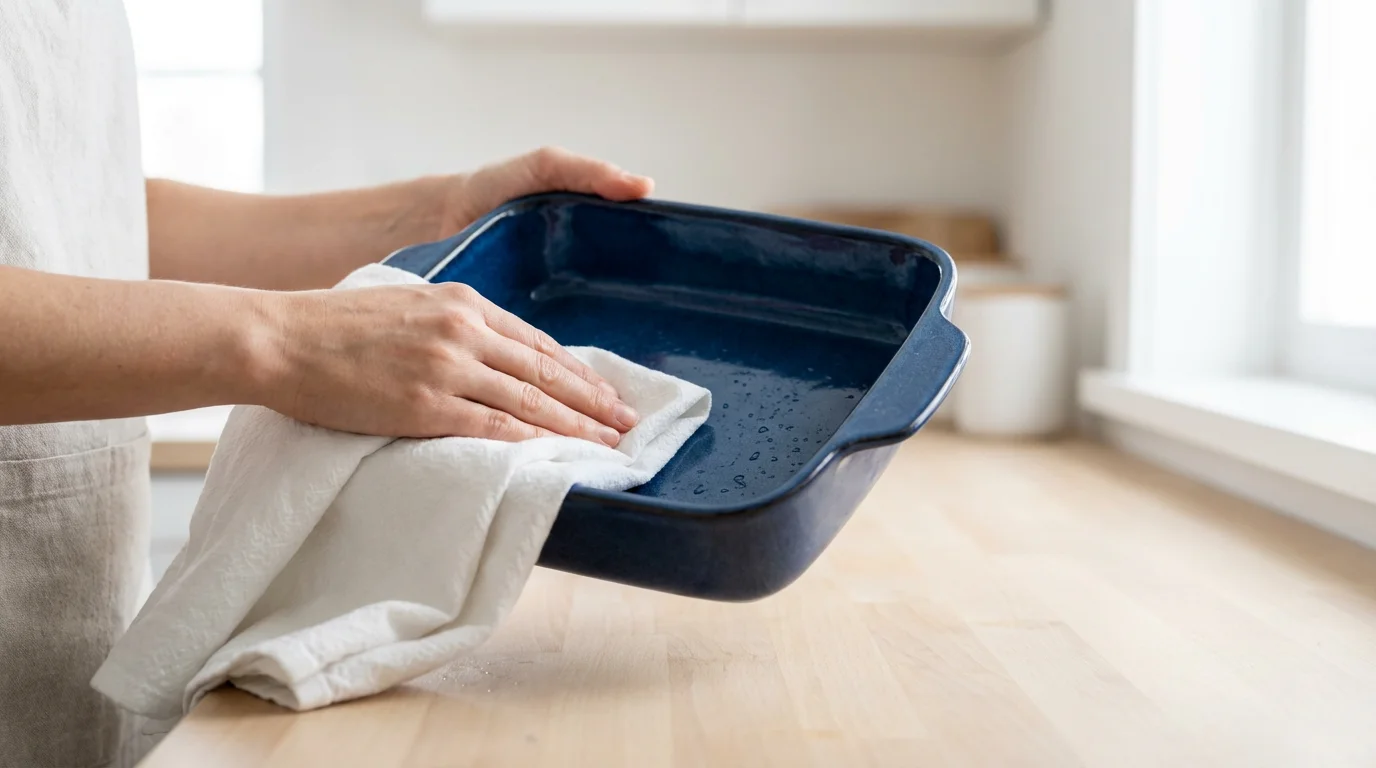
Proper care significantly extends the life of your casserole dishes, protecting your investment and ensuring consistent performance. Here is material-specific advice:
- Glass:
- Cool Down: Allow hot glass dishes to cool on a wire rack or trivet before cleaning. Avoid direct contact with cold water or surfaces.
- Cleaning: Dishwasher safe. For stubborn baked-on food, soak with warm soapy water before scrubbing. Use non-abrasive scrubbers.
- Storage: Store carefully to prevent chipping, especially around the rims.
- Ceramic and Stoneware:
- Thermal Shock: Avoid extreme temperature changes. Do not place a frozen dish directly into a hot oven unless the manufacturer explicitly states it is safe.
- Cleaning: Most are dishwasher safe, but handwashing with warm soapy water is often recommended to preserve glazes and extend life. For stuck-on food, soak thoroughly. Avoid abrasive cleaners or metal scouring pads, which can scratch the glaze.
- Storage: Handle with care to prevent chipping. Stack with protectors between pieces if needed.
- Bare Cast Iron:
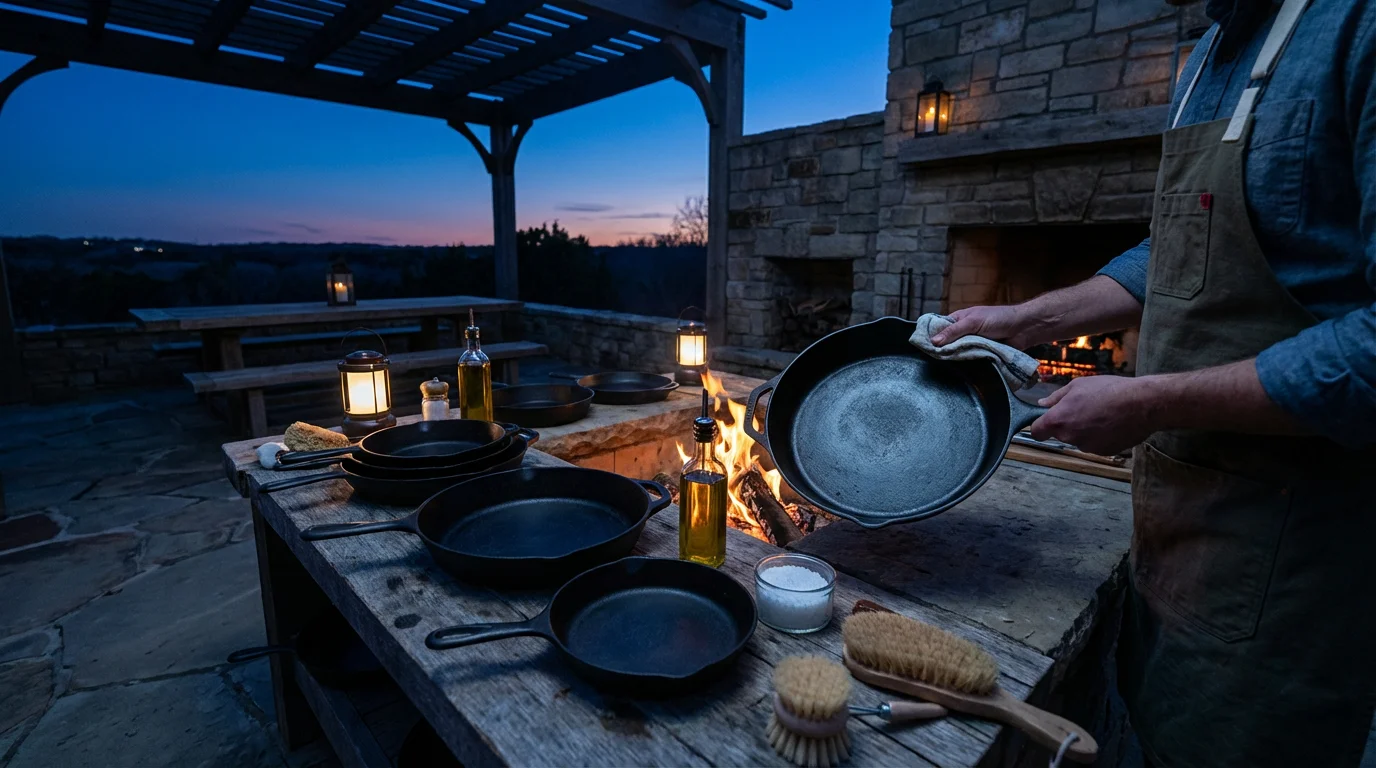
- Cleaning: Wash immediately after use with hot water and a stiff brush, avoiding soap if possible. Scrape off stuck-on food. Dry thoroughly on the stovetop over low heat to prevent rust.
- Seasoning: Regularly re-season by applying a thin layer of cooking oil and heating it in the oven or on the stovetop until it smokes. This maintains the non-stick surface and prevents rust.
- Storage: Store in a dry place.
- Enameled Cast Iron:
- Cleaning: Handwash with warm soapy water and a non-abrasive sponge or brush. For stubborn stains, fill the dish with water, bring to a simmer, and scrape with a wooden spoon. Avoid metal utensils or harsh scrubbers that can scratch the enamel.
- Thermal Shock: While more resistant than glass, still avoid extreme temperature changes to protect the enamel.
- Storage: Store carefully to prevent chipping the enamel.
- Metal (Aluminum/Stainless Steel):
- Cleaning: Handwash with warm soapy water. For baked-on residue, soak and use a non-abrasive scrub pad. Many are dishwasher safe, but handwashing preserves finishes.
- Prevent Sticking: Always grease and flour or line with parchment paper when baking to prevent sticking, especially with non-coated pans.
- Storage: Stack carefully to avoid scratching non-stick coatings.
You ensure your casserole dishes remain functional and beautiful for years by following these simple maintenance guidelines.
Choosing Your Casserole Dish: Individual Pieces Versus Sets
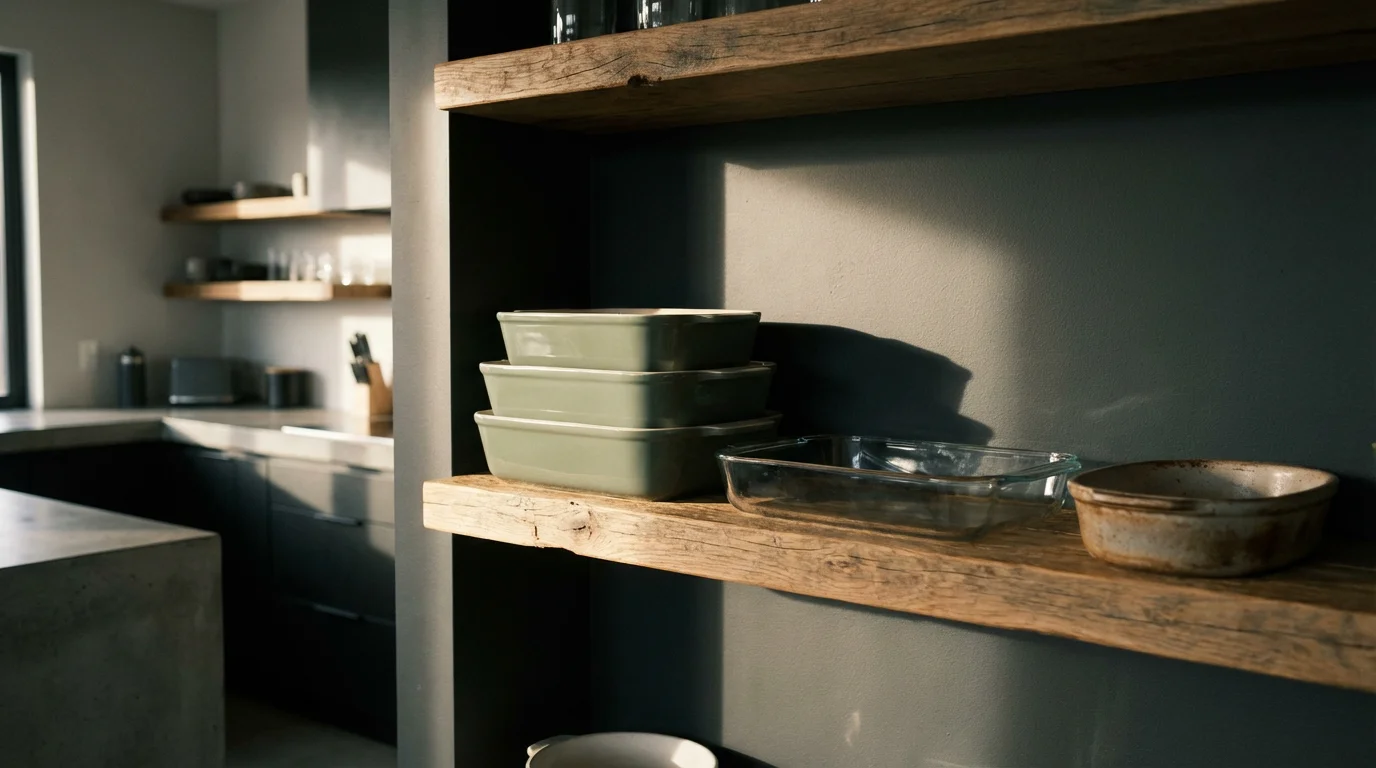
When building your kitchen, you face the choice: buy individual casserole dishes as needed or invest in a coordinated set. Both approaches have merits.
Buying Individual Pieces:
- Tailored to Your Needs: You select the exact sizes, shapes, and materials you use most frequently. This avoids redundant items you might never touch.
- Higher Quality for Less: You can invest in a premium 9×13-inch enameled cast iron dish or a high-quality glass dish without buying an entire brand collection. This allows you to prioritize quality where it matters most for your cooking style.
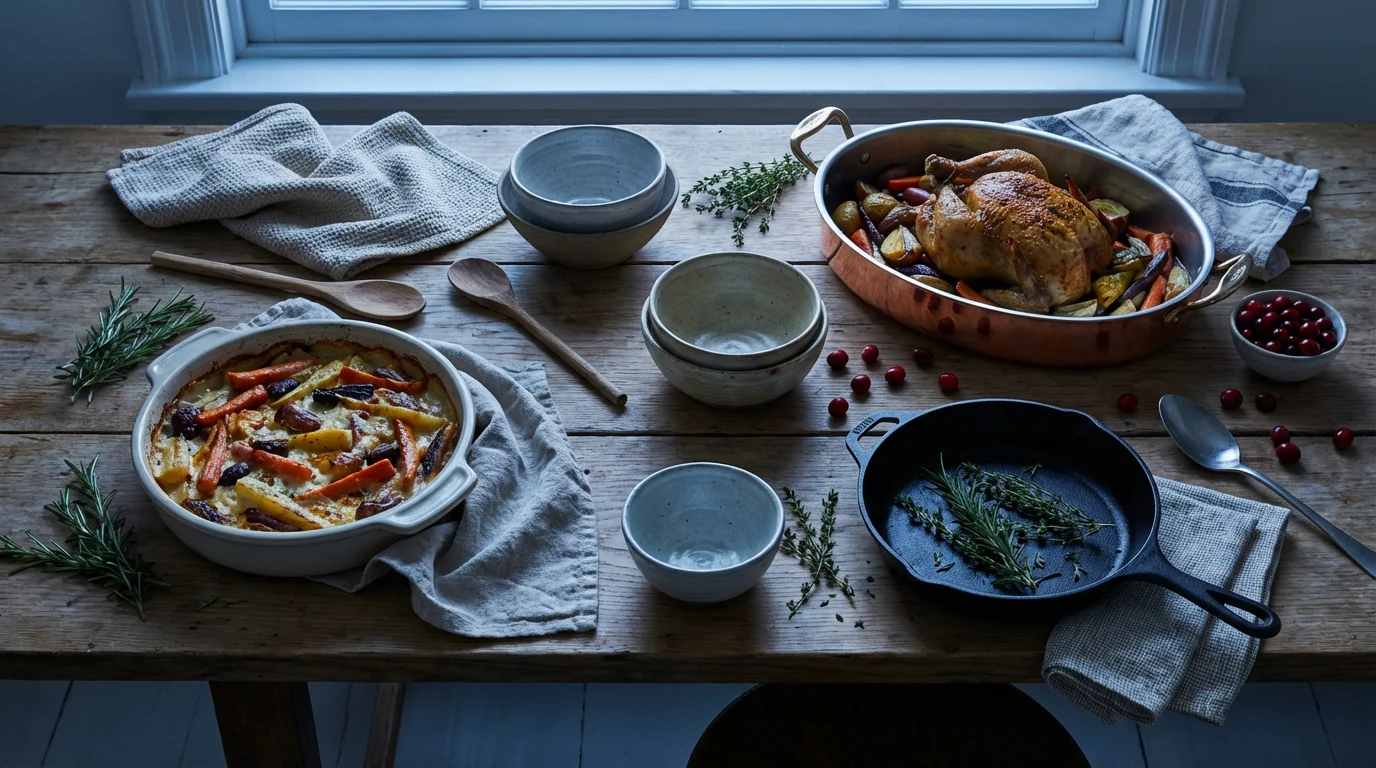
- Diverse Materials: You can mix and match materials. For example, you might choose a ceramic dish for gratins, a glass dish for lasagna, and a metal roasting pan for poultry.
Buying Casserole Dish Sets:
- Cost Savings: Often, a set costs less than buying each piece individually, especially for entry-level or mid-range brands.
- Coordinated Look: Sets provide a uniform aesthetic, which appeals to many.
- Convenience: You get a range of sizes right away, potentially covering many common needs without much thought.
- Gift Option: Casserole dish sets make popular housewarming or wedding gifts.
For most home cooks upgrading or building a functional kitchen, a hybrid approach often works best. Start with a couple of essential individual pieces, like a versatile 9×13-inch glass baking dish and a smaller 8×8-inch ceramic dish. You can then add specialized pieces, such as a large roasting pan or a beautiful enameled cast iron Dutch oven, as your needs and budget allow. This strategy ensures you acquire high-quality, relevant tools without unnecessary clutter or expense.
Brand Spotlight and Budget-Friendly Alternatives
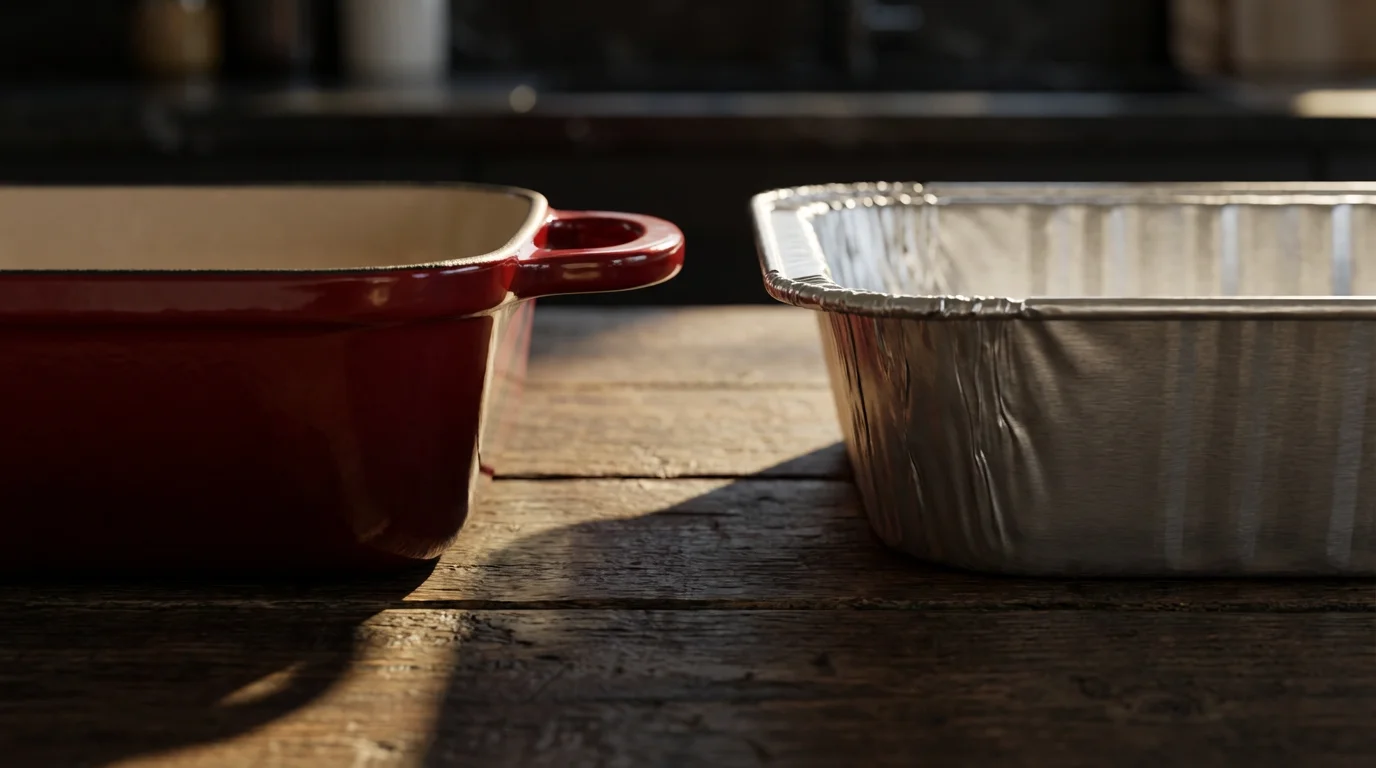
The market for casserole dishes features a wide range of brands, from luxury stalwarts to dependable budget options. Understanding what each offers helps you make informed choices.
Premium Brands:
- Le Creuset: A benchmark for enameled cast iron, Le Creuset offers superb heat retention, durability, and a stunning array of colors. Their stoneware baking dishes also perform beautifully, though they carry a premium price tag. Expect to pay hundreds for their signature Dutch ovens and proportionally less for stoneware.
- Staub: Another top-tier French brand, Staub competes directly with Le Creuset in enameled cast iron. Known for their self-basting lids and slightly heavier construction, they offer similar performance and price points.
- Emile Henry: This French brand specializes in high-fired ceramic bakeware. Their dishes are praised for even baking, excellent thermal shock resistance (within limits), and beautiful finishes. They are a significant investment but typically less than premium enameled cast iron.
Mid-Range and Dependable Brands:
- Pyrex: Synonymous with glass bakeware, Pyrex offers reliable, affordable, and durable glass casserole dishes in all common sizes. They are a go-to for everyday baking and represent excellent value.
- CorningWare: Best known for its ceramic-glass material, which is highly resistant to thermal shock. While newer CorningWare dishes are typically stoneware or ceramic, they maintain a reputation for durability and practicality.
- Lodge: While primarily known for bare cast iron skillets, Lodge also produces cast iron Dutch ovens and casserole dishes. Their enameled cast iron line provides a more budget-friendly alternative to Le Creuset or Staub, offering good performance at a significantly lower cost.
- Cuisinart: Offers a range of bakeware, including stainless steel roasting pans and ceramic baking dishes. Their products generally provide good quality and performance at accessible prices, serving as a reliable alternative to higher-end brands.
Budget Alternatives:
- Anchor Hocking: A strong competitor to Pyrex in glass bakeware, offering similar quality and affordability.
- Various Store Brands: Many kitchenware retailers and big-box stores offer their own lines of ceramic or glass baking dishes. While quality can vary, these often provide very economical options for basic needs. Look for sturdy construction and good weight.
When considering budget options, prioritize function over brand name. A heavy-gauge aluminum roasting pan from a store brand can perform just as well as a branded one for many tasks. For everyday glass or ceramic, ensure the material feels substantial and the glaze appears even. For enameled cast iron, while premium brands offer superior quality and longevity, Lodge’s enameled options provide a fantastic entry point without breaking the bank. Wirecutter often recommends specific products across various price points, giving consumers practical recommendations for different budgets.
Building Your Essential Casserole Dish Collection
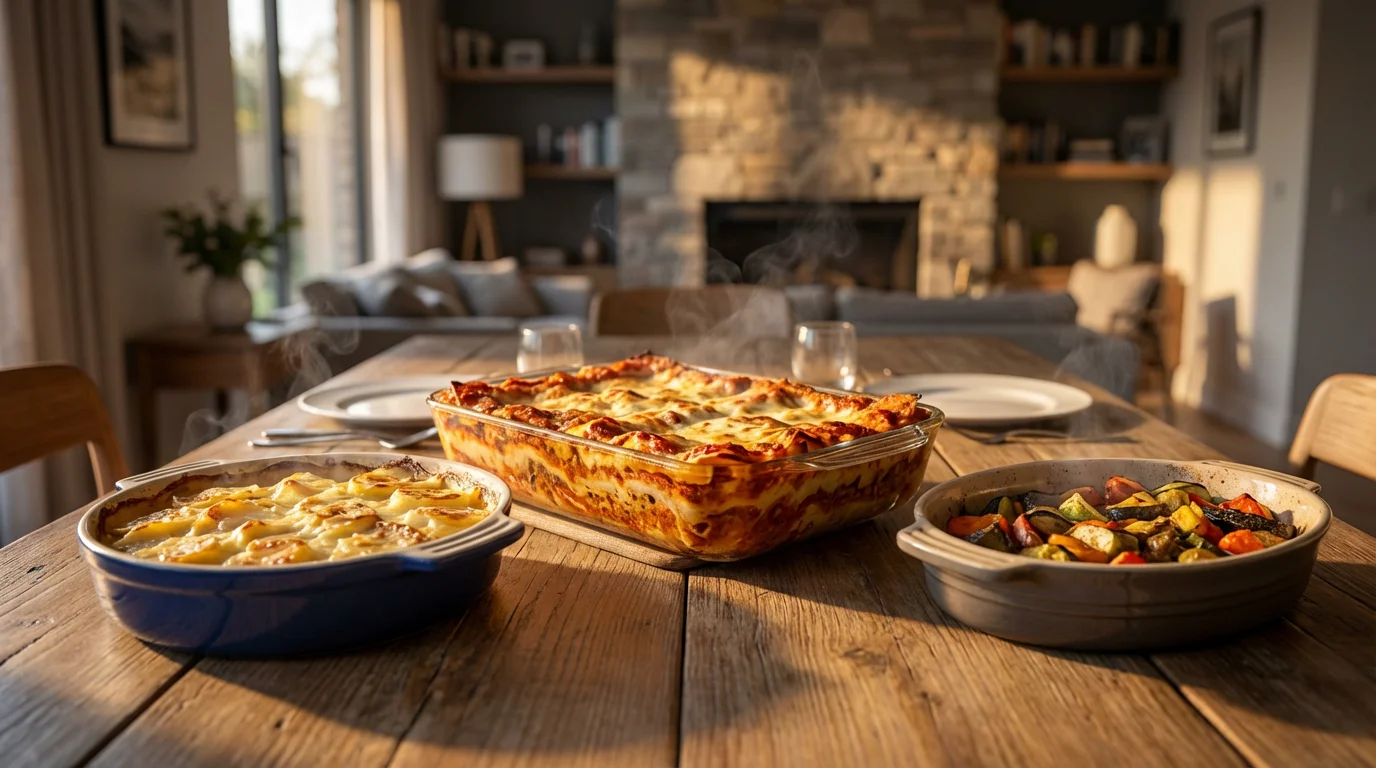
You do not need every type of casserole dish to create a functional kitchen. Focus on versatility and the types of dishes you cook most often. Here is a practical approach to building an essential collection:
- The Workhorse: 9×13-inch Glass Baking Dish.
- Why: Inexpensive, transparent, bakes evenly, cleans easily. This is your go-to for lasagna, sheet cakes, roasted vegetables, and most family-sized casseroles. Look for brands like Pyrex or Anchor Hocking.
- Best for Lasagna: Absolutely, the 9×13-inch glass dish is the best casserole dish for lasagna because it conducts heat slowly, ensuring the center cooks through before the edges overbake.
- The Smaller Companion: 8×8-inch or 9×9-inch Ceramic or Glass Dish.
- Why: Perfect for side dishes, smaller meals for 2-4 people, or desserts. Ceramic adds a touch of elegance for serving.
- Consider: A smaller glass dish for versatility or a vibrant ceramic piece from Cuisinart or a good store brand.
- The Roaster: Heavy-Duty Metal Roasting Pan (14×11-inch or 16×13-inch).
- Why: Essential for roasting whole chickens, turkeys, or larger cuts of meat. The high sides contain juices, and metal ensures good browning. Look for stainless steel or heavy-gauge aluminum.
- Tip: A rack insert is invaluable for lifting meat out of its drippings.
- The Deep Baker (Optional but Recommended): 5-6 Quart Enameled Cast Iron Dutch Oven.
- Why: While an investment, a good Dutch oven functions as an unparalleled deep casserole dish. It moves from stovetop searing to long, slow oven braises with ease, retaining heat magnificently. Excellent for bread baking, stews, and large, hearty casseroles.
- Consider: Lodge for value, Le Creuset or Staub for premium quality and heirloom potential.
This collection covers a vast majority of baking and roasting needs. You can expand later with individual ramekins for desserts, or specialty dishes as your culinary interests grow.
Frequently Asked Questions
Can I use any baking dish as a casserole dish?
Generally, yes, if it is oven safe. The terms “baking dish” and “casserole dish” are often used interchangeably. The key factor is that the dish is designed to withstand oven temperatures, which most glass, ceramic, stoneware, cast iron, and metal pans are. Always verify the manufacturer’s maximum oven-safe temperature.
What size casserole dish do I need for a family of four?
For a family of four, a 9×13-inch (3-quart) casserole dish is often perfect for main dishes like lasagna or substantial casseroles. For side dishes or smaller portions, an 8×8-inch or 9×9-inch (2-quart) dish works well. Having both sizes provides maximum flexibility.
Is it safe to put a frozen casserole dish directly into a hot oven?
Generally, no. This practice creates a significant risk of thermal shock, which can cause glass, ceramic, or stoneware dishes to crack or shatter. Always allow frozen dishes to thaw in the refrigerator for several hours or overnight, or at least come closer to room temperature, before placing them in a preheated oven. Some manufacturers, particularly for specific stoneware lines, explicitly state their products can go from freezer to oven, but this is an exception, not the rule. Check your specific dish’s instructions.
What is the difference between stoneware and ceramic casserole dishes?
Stoneware is a type of ceramic, specifically a dense, non-porous ceramic fired at high temperatures. While all stoneware is ceramic, not all ceramic is stoneware. Ceramic is a broader category that also includes earthenware and porcelain. Stoneware tends to be very durable, excellent at retaining heat, and often has a rustic, earthy feel, while other ceramics might be lighter or more delicate depending on their composition and firing.
Can I put my casserole dish on the stovetop?
No, almost all typical casserole dishes, including glass, ceramic, and most stoneware, are designed for oven use only. Placing them directly on a stovetop burner, especially electric coil or gas, creates intense direct heat that can cause cracking or shattering due to thermal shock or uneven heating. The only exceptions are specific pieces designed for both stovetop and oven use, such as enameled cast iron Dutch ovens or certain specialty metal roasting pans with stovetop compatibility.
Disclaimer: Product prices and availability change frequently. Prices shown were accurate at time of writing but may have changed. We may earn a small commission from purchases made through links on this site, at no extra cost to you. Always verify current pricing on the retailer’s website before purchasing.
Leave a Reply