

The air fryer has transformed kitchens, promising crispy, delicious results with significantly less oil than traditional deep frying. From French fries and chicken wings to roasted vegetables and even baked goods, these versatile appliances handle a surprising range of tasks. However, the market offers a dizzying array of models, making your purchasing decision challenging. You want to choose an air fryer that genuinely fits your cooking style, kitchen space, and budget, avoiding common pitfalls like underestimating capacity or overpaying for features you will never use. This guide cuts through the clutter, providing practical, actionable insights on what to prioritize when you are shopping for your next kitchen essential.
Understanding Air Fryer Types: Basket, Oven, and Lid Models
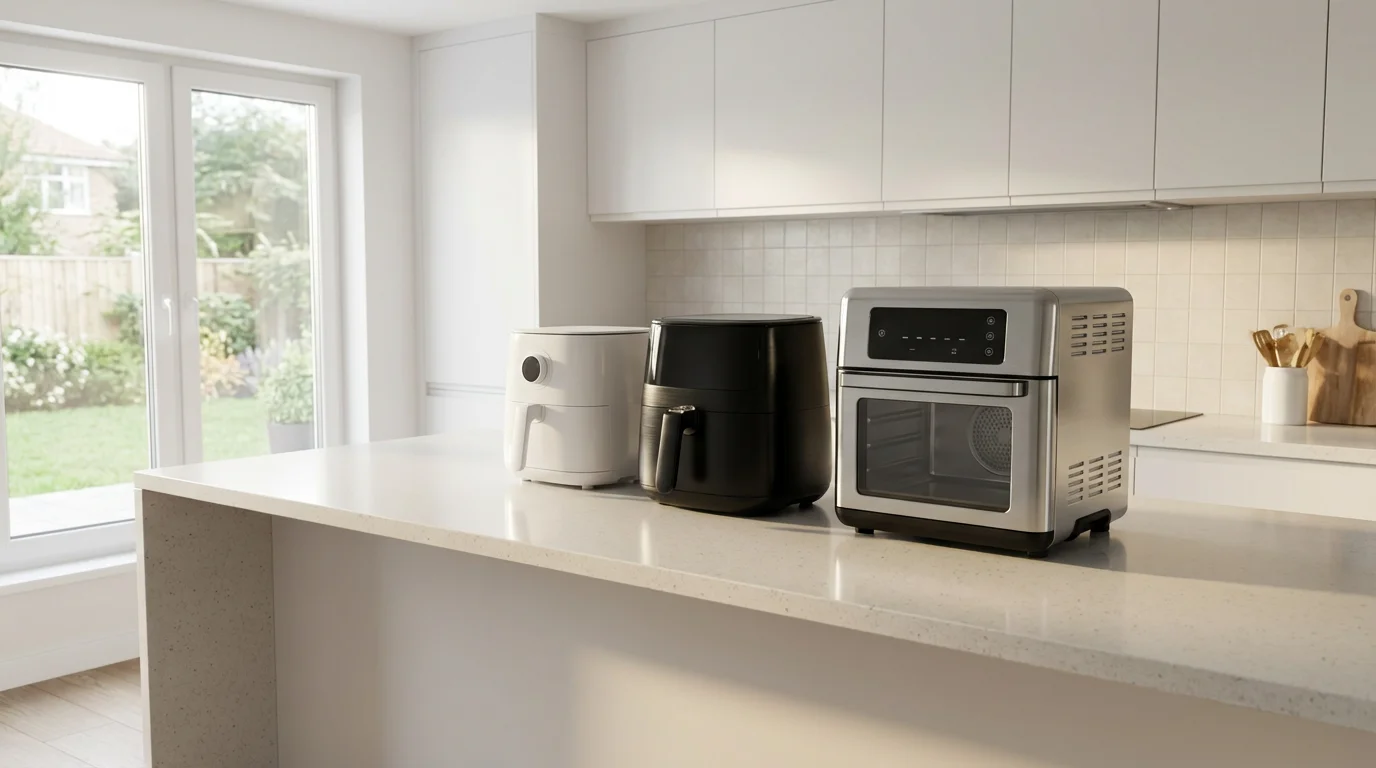
Air fryers come in several primary configurations, each with distinct advantages and disadvantages. Understanding these differences helps you select the model that best suits your cooking habits and the types of food you prepare most often.
Basket-Style Air Fryers: The Classic Choice
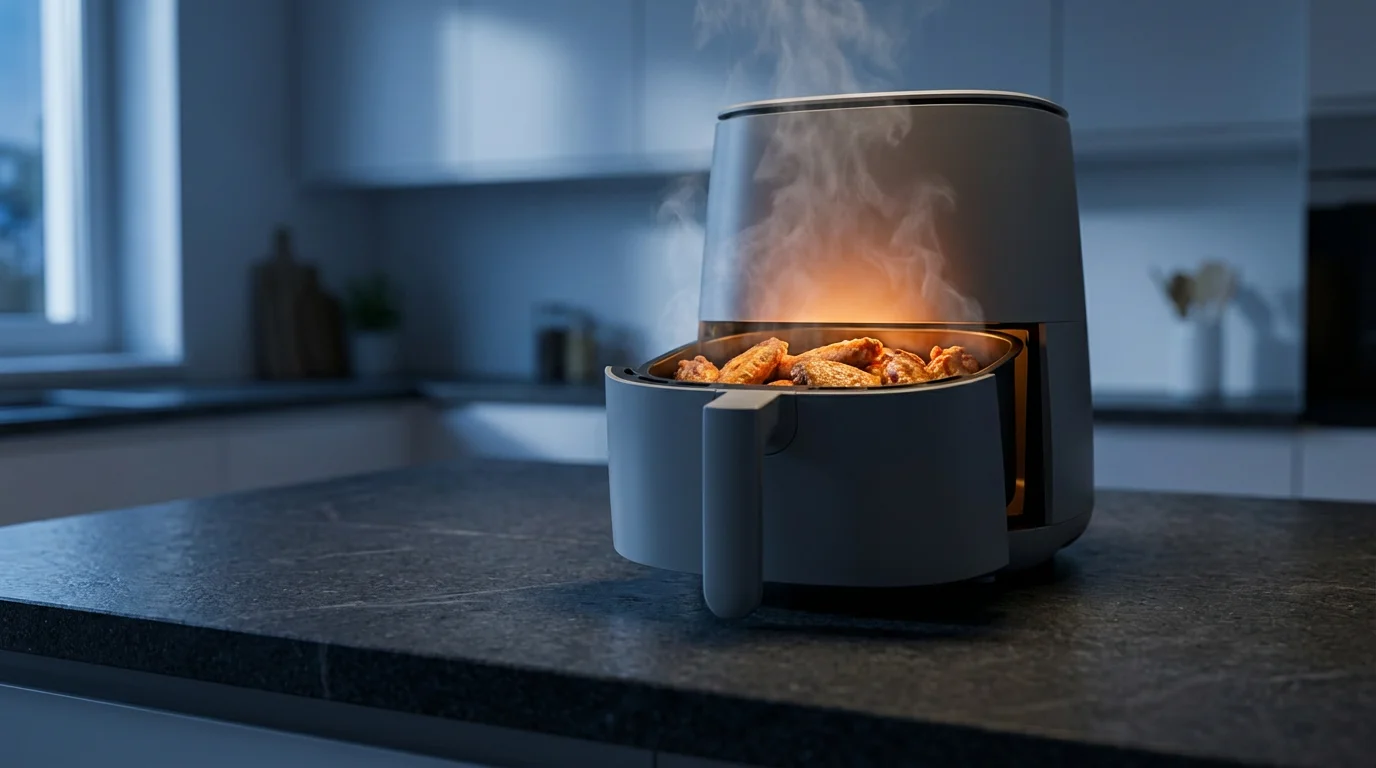
The most common and recognizable air fryer type features a pull-out basket. These models excel at quick cooking for single servings or small batches of food. They generally offer a compact footprint, meaning they take up less counter or storage space, and often heat up faster due to their smaller internal volume.
- Pros: Fast preheating, excellent for crispy small foods, relatively compact, user-friendly.
- Cons: Limited capacity, challenging for irregularly shaped items or larger meals, usually requires shaking or flipping food for even cooking.
- Best For: Singles, couples, small families, reheating leftovers, making sides like fries, wings, or roasted vegetables.
Air Fryer Oven Models: Versatility and Volume
Air fryer ovens resemble compact toaster ovens. They typically offer a larger capacity and come with multiple racks, rotisserie attachments, and sometimes dehydrating functions. These units circulate hot air much like their basket counterparts but provide more cooking flexibility. According to Consumer Reports’ extensive testing, oven-style air fryers often handle larger quantities and offer broader cooking options.
- Pros: High capacity, accommodates whole chickens or multiple dishes, often includes advanced features like rotisserie and dehydration, clear viewing window.
- Cons: Larger footprint, longer preheating times, potentially more expensive.
- Best For: Families, entertaining, cooking larger meals, experimenting with diverse recipes, replacing a toaster oven.
Multi-Cookers with Air Fryer Lids: The Space Saver
Some multi-cookers, such as certain Instant Pot models, now offer an air fryer lid accessory. This transforms your pressure cooker into an air fryer, saving significant counter space by combining two appliances into one. It is an excellent option if you already own a compatible multi-cooker or want to maximize utility from a single appliance.
- Pros: Excellent space-saving, dual functionality, leverages existing multi-cooker base.
- Cons: Capacity limited by the multi-cooker pot size, separate lid storage required, not as dedicated or powerful as standalone units.
- Best For: Small kitchens, minimalists, those who already own a compatible multi-cooker.
Capacity and Footprint: Matching Size to Your Kitchen and Family
When selecting an air fryer, carefully consider both its internal capacity and its external footprint. Capacity refers to how much food the appliance can hold or process at once, usually measured in quarts (qt) or liters (L). Footprint describes the amount of counter or storage space the air fryer occupies. These two factors directly impact convenience and utility in your kitchen.
Choosing the Right Capacity
- 2-3 Quarts (Small): Ideal for individuals or couples preparing single servings or small side dishes. You can crisp up a single chicken breast or a small batch of fries. A good choice for limited counter space.
- 4-6 Quarts (Medium): Our recommended value pick for most users. This size adequately serves 2-4 people, handling items like four chicken thighs or a pound of French fries. It strikes a balance between usable capacity and a manageable footprint. For example, a 5-quart model efficiently cooks enough food for a small family dinner without overwhelming your countertop.
- 7-10+ Quarts (Large): Best for families of 4+, entertaining, or those who frequently cook larger items like a whole roast chicken or multiple servings of proteins and vegetables simultaneously. These larger units typically fall into the air fryer oven category. A 10-quart oven-style model, for instance, can often accommodate a 5-pound chicken or multiple racks of snacks.
Consider your typical meal sizes. If you often cook for one or two, a compact 4-quart model offers plenty of utility without consuming too much space. Larger families or those who meal prep will benefit significantly from the increased volume of an oven-style air fryer, despite its larger footprint.
Assessing the Footprint
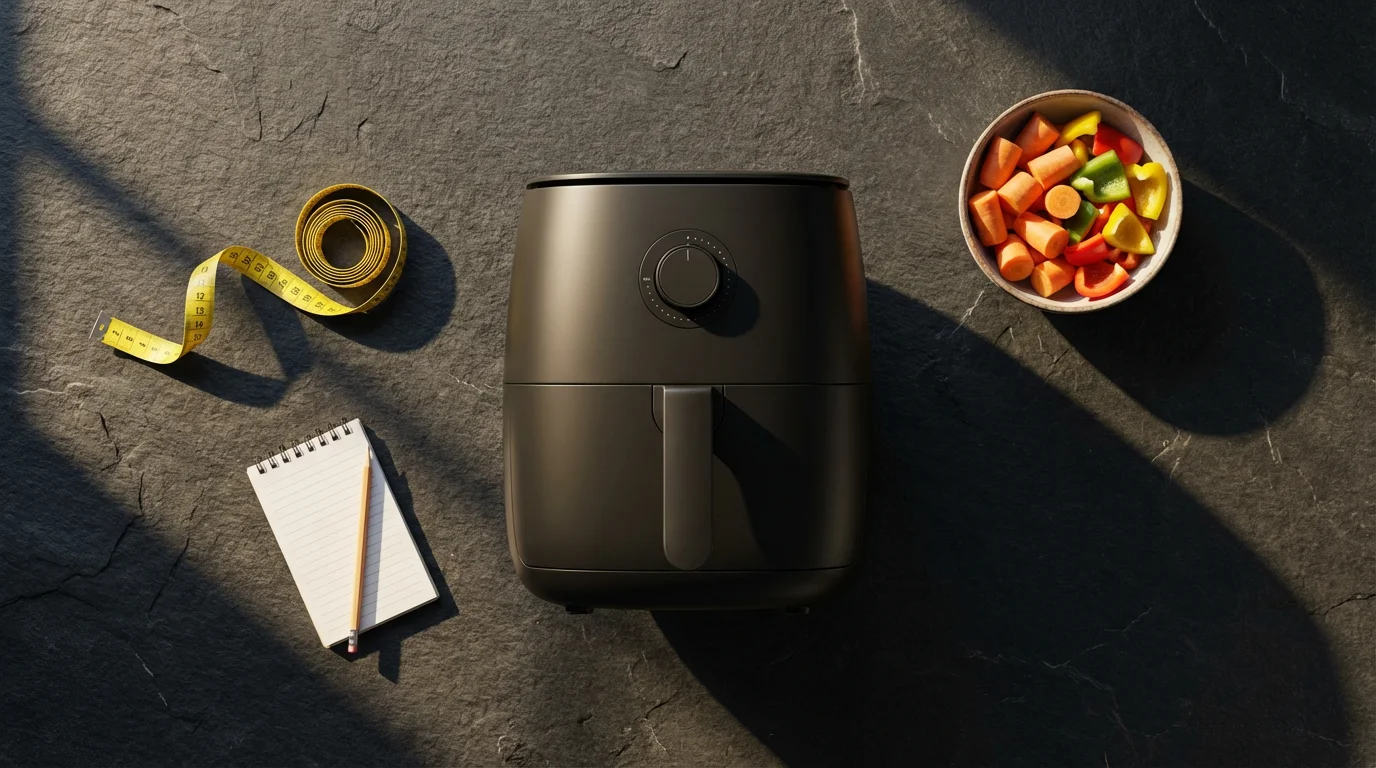
Before purchasing, measure the available counter space where your air fryer will reside. Also, consider storage space if you plan to tuck it away after each use. Oven-style air fryers, while versatile, tend to be significantly wider and taller than basket models. Ensure there is enough clearance from overhead cabinets and surrounding appliances for proper ventilation and safe operation. A common mistake is buying a large capacity unit that then becomes an obstacle on a small kitchen counter.
Essential Features to Prioritize in Your Air Fryer
Beyond the basic function of hot air circulation, air fryers come with a range of specs and features that enhance performance, convenience, and versatility. Knowing which features genuinely matter to your cooking style helps you make a confident choice.
Temperature Range and Controls
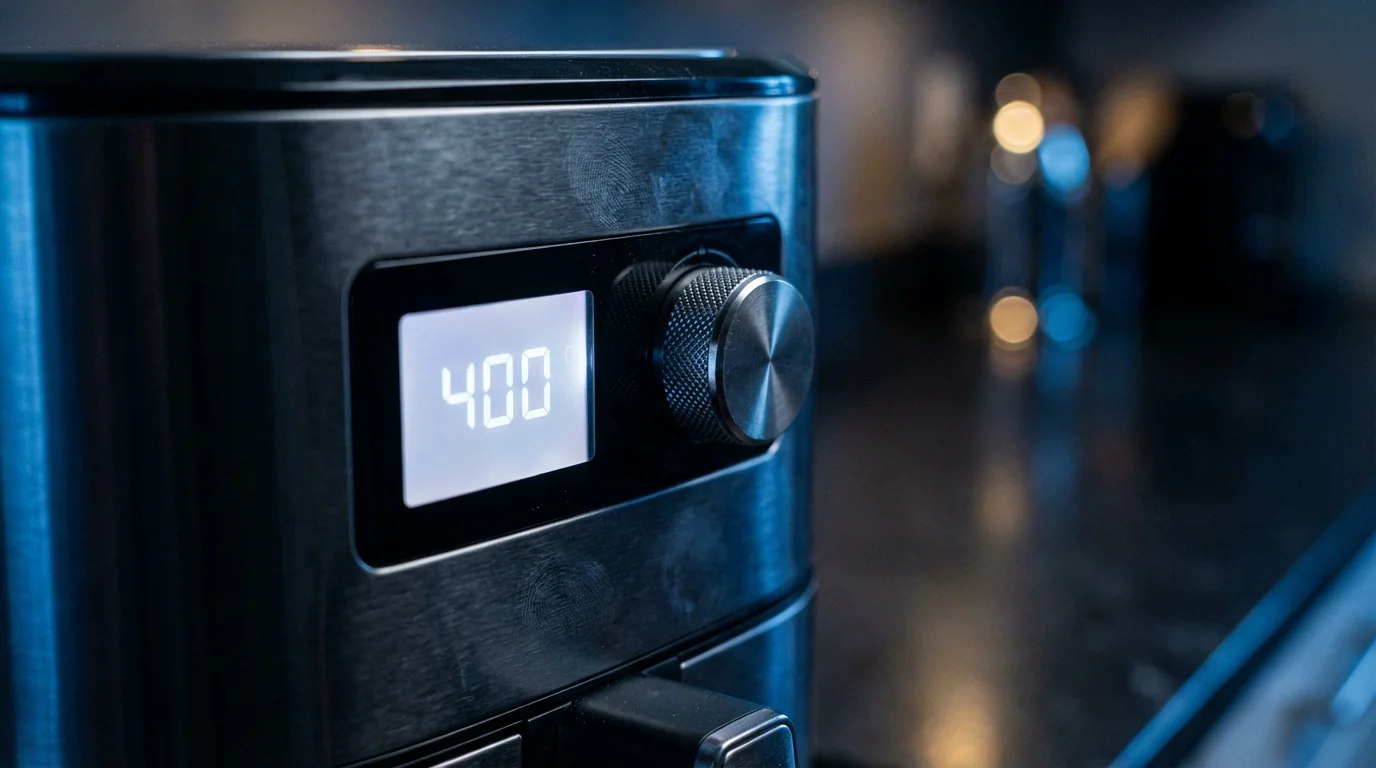
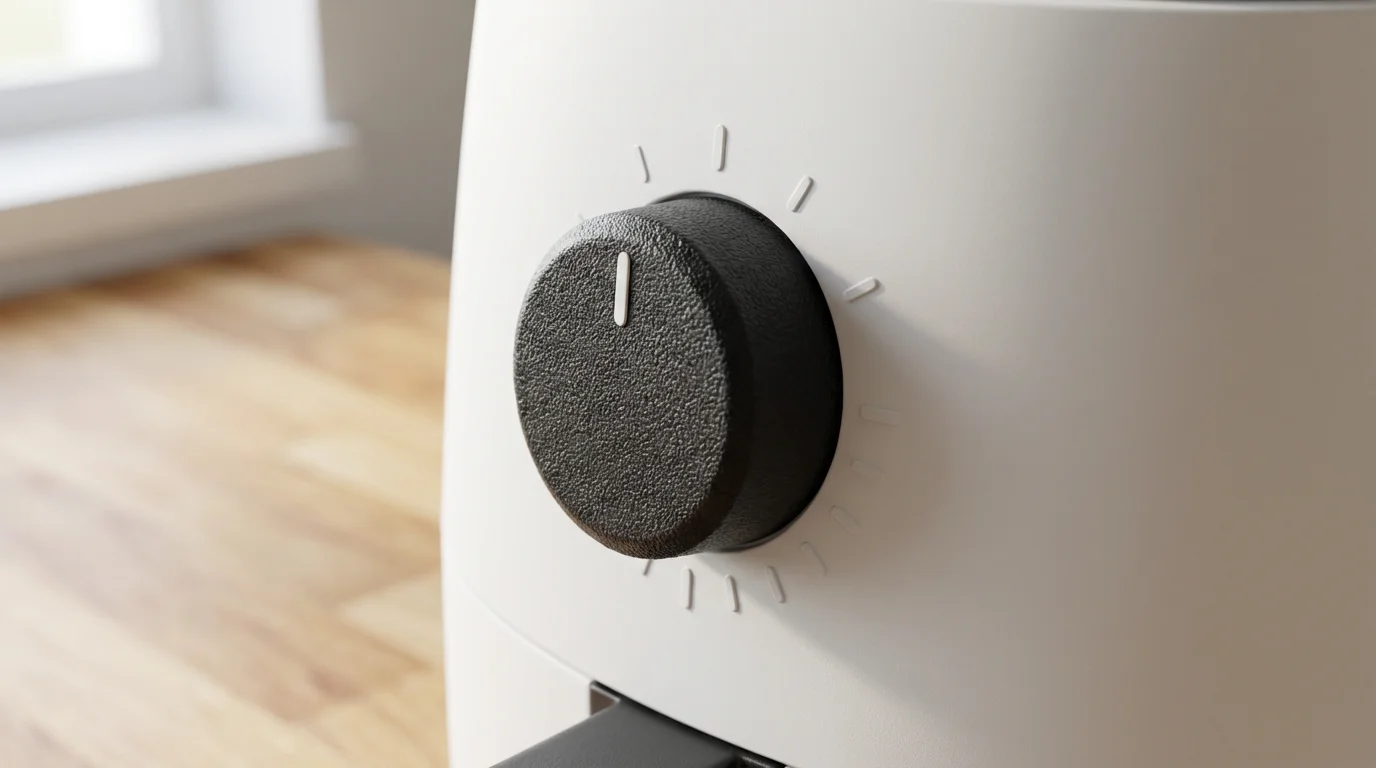
Most air fryers operate within a temperature range of 175°F to 400°F (80°C to 200°C), which covers the sweet spot for air frying. However, some models offer lower temperatures for dehydrating or proofing, and higher temperatures for searing. Digital controls generally provide more precise temperature and time settings compared to analog dials. Look for models with clear displays and intuitive buttons.
Wattage and Power
Higher wattage (e.g., 1500W-1800W) typically means faster preheating and more consistent cooking, as the appliance can maintain its set temperature more effectively. While a higher wattage is often desirable for performance, ensure your kitchen outlets can handle the load. Most standard household circuits in the USA can support up to 1500W appliances without issue, but pairing multiple high-wattage devices on the same circuit can trip a breaker. A 1700W model usually represents a strong value pick for power and efficiency.
Pre-set Programs and Smart Features
Many air fryers include pre-set programs for common foods like fries, chicken, or fish. These are convenient starting points but remember that results can vary, requiring some manual adjustment. More advanced models offer smart features like app control, Wi-Fi connectivity, and guided cooking. These can be useful for tech-savvy users or those who appreciate remote monitoring, but they often add to the cost. If you prioritize simplicity, you can skip these extras.
Shake Reminder
For basket-style air fryers, a “shake reminder” is a highly beneficial feature. It prompts you to shake the basket halfway through cooking, ensuring even crisping and browning. This prevents one side of your food from burning while the other remains undercooked. This simple feature significantly improves cooking consistency and ease of use.
Visibility: Internal Light and Clear Window
Some air fryer ovens and a few basket models include an internal light or a transparent window. This allows you to monitor your food’s progress without opening the basket or door, which otherwise causes a temperature drop and extends cooking time. This feature is particularly helpful for delicate items where precise browning is key, or for simply satisfying your curiosity.
Auto-Shutoff and Safety Features
Most modern air fryers include an auto-shutoff feature that powers down the unit after cooking completes or if the basket is removed. This enhances safety and prevents overcooking. Look for models with cool-touch exteriors and sturdy handles for safe operation.
Noise Level
Air fryers use powerful fans, so they generate some noise. Quieter models are available, often indicated by a lower decibel rating in product specs. If your kitchen is open concept or you are sensitive to noise, reading reviews that specifically mention noise levels will prove helpful.
The table below summarizes key features and their typical availability across different price points:
| Feature | Budget Pick (Under $80) | Value Pick ($80-$150) | Upgrade Pick ($150-$250) | Splurge (Over $250) |
|---|---|---|---|---|
| Capacity | 2-4 quarts | 4-7 quarts | 7-10+ quarts | 10+ quarts |
| Controls | Analog dials, basic digital | Digital with presets | Advanced digital, precise control | Intuitive touchscreen, app integration |
| Wattage | 1200-1500W | 1500-1700W | 1700-1800W+ | 1800W+ |
| Shake Reminder | Rare | Common | Standard | Standard |
| Viewing Window | Rare | Some oven models | Common in oven models | Standard in oven/premium models |
| Smart Features | No | Basic apps on some | Integrated app control | Advanced connectivity, recipe integration |
| Dishwasher-Safe Parts | Basket/tray only | Basket/tray, some accessories | Multiple components | Full suite of dishwasher-safe parts |
Cleaning and Maintenance: Keeping Your Air Fryer Ready
Ease of cleaning significantly impacts how often you use your air fryer. Nobody wants to spend more time scrubbing than cooking. Prioritize models designed for simple maintenance to ensure a positive long-term experience.
Dishwasher-Safe Components
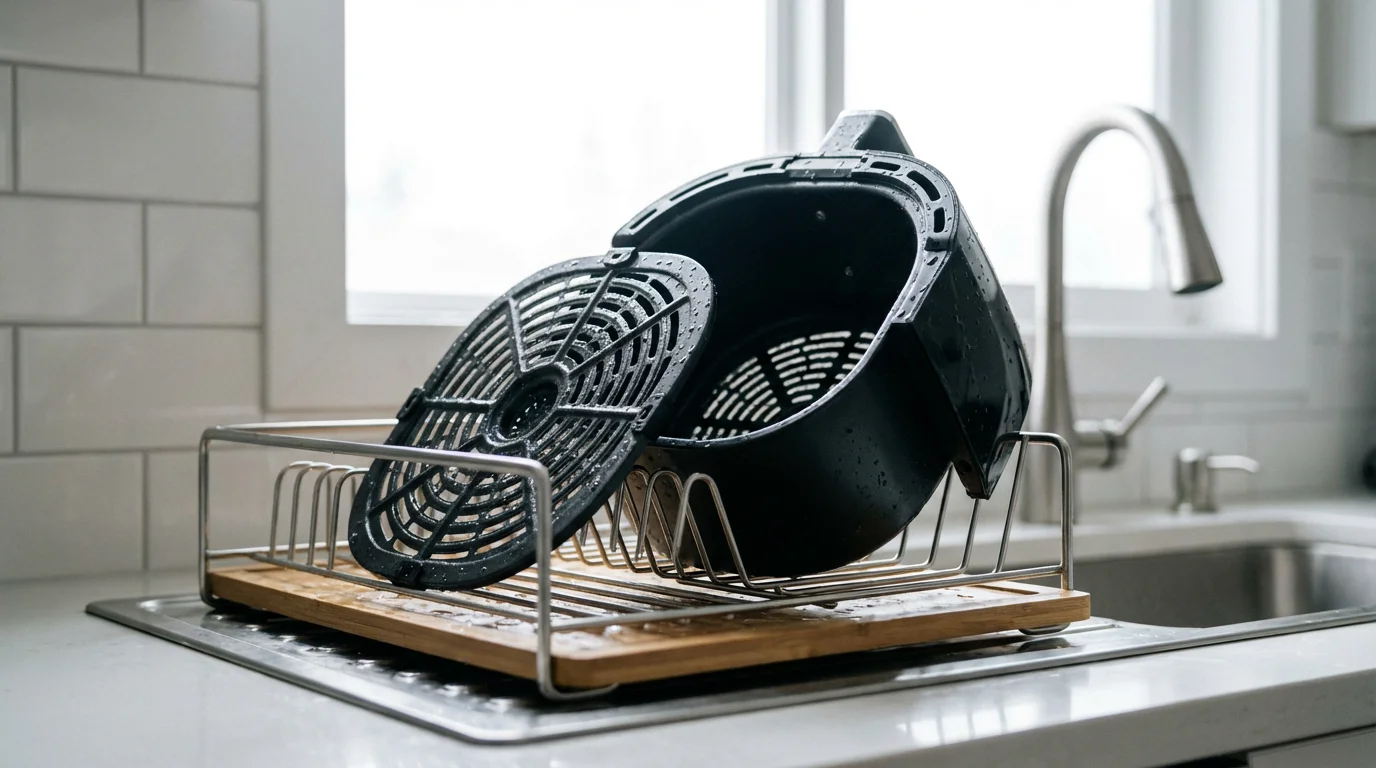
The best air fryers feature baskets, trays, and inner components that are safe for your dishwasher. This convenience drastically reduces cleanup time. Always verify specific parts are dishwasher-safe by checking the product specs or manual. Many models will have a non-stick coating on the basket and crisper plate, which generally makes hand washing easy as well. As Good Housekeeping recommends, regular, gentle cleaning extends the life of these non-stick surfaces.
Non-Stick Coating Quality
A high-quality, durable non-stick coating on the cooking surfaces prevents food from sticking and simplifies cleaning. Cheaper models might use less robust coatings that degrade over time, leading to sticking and a more difficult cleanup. Ensure the coating is PFOA-free, a common standard for modern non-stick cookware.
Design for Easy Cleaning
Look for air fryers with smooth interior surfaces and minimal crevices where grease and food particles can accumulate. Some oven-style models feature removable doors or inner panels for easier access to the cooking chamber. For basket-style models, a simple, seamless basket design is easier to wipe down. Avoid complex designs with hard-to-reach corners.
Common Cleaning Mistakes to Avoid
- Using abrasive scrubbers: These can damage non-stick coatings. Opt for soft sponges or brushes.
- Forgetting to clean the heating element: Over time, grease splatter can accumulate on the heating coil. Unplug the unit, let it cool completely, and gently wipe down the visible heating element with a damp cloth if necessary.
- Not cleaning after every use: Food residue hardens and becomes more difficult to remove. A quick clean after each use keeps your air fryer pristine.
Price Points and Value: What to Expect at Every Budget
Air fryers span a wide price range, from under $50 to over $300. Your budget largely dictates the available features, capacity, and overall build quality. Understanding the trade-offs at each price point ensures you get the most out of your investment.
If you are looking to save even more on a high-end model, it’s worth timing your purchase around holiday kitchen deals.
Budget Pick (Under $80)
At this price, you typically find smaller, basket-style air fryers, usually in the 2-4 quart range. These are often basic, with analog dial controls for time and temperature. While they perform the core function of air frying effectively for small portions, they might lack advanced features like pre-sets, shake reminders, or dishwasher-safe parts. The build quality may also be less robust, and the warranty might be shorter. This is a good entry point if you are experimenting with air frying or have very limited space and needs.
“Don’t buy the ‘best’ product. Buy the best product for how YOU cook.” — Kitchen Equipment Expert
Value Pick ($80-$150)
This mid-range category offers the best balance of quality, features, and price for most people. You will find 4-7 quart basket models and smaller air fryer ovens. Expect digital controls, multiple pre-set functions, and often a shake reminder. Many models in this range include dishwasher-safe baskets and trays, simplifying cleanup. This price point represents an excellent value pick, providing reliable performance and essential conveniences without breaking the bank. For many households, this is the sweet spot for an everyday air fryer.
Upgrade Pick ($150-$250)
Moving into this tier, you gain larger capacities, more robust construction, and enhanced features. This category includes larger air fryer ovens with rotisserie or dehydrating capabilities, as well as premium basket models with intuitive touchscreens and smart connectivity. You can expect higher wattage for faster cooking, superior non-stick coatings, and longer warranty periods. These models are designed for heavy users, larger families, or those who appreciate a more comprehensive set of cooking functions.
Splurge (Over $250)
The top-tier air fryers are typically larger, multi-functional appliances from premium brands. They boast advanced features like precise temperature control, multiple cooking elements, sophisticated smart home integration, and superior durability. These are often combination units, acting as an air fryer, convection oven, dehydrator, and sometimes even a toaster or slow cooker. While the performance is excellent, the investment is substantial. A splurge is justified for cooking enthusiasts, large families, or those seeking a true multi-appliance replacement.
Warranty and Customer Service
Always check the manufacturer’s warranty and reputation for customer service. A standard warranty for an air fryer is typically one year, but some brands offer longer coverage. A good warranty provides peace of mind, protecting your investment against manufacturing defects. Reviews on retailer sites often highlight customer service experiences, which helps gauge a company’s responsiveness to issues.
Considering Last Year’s Models
A smart shopping strategy involves looking at last year’s models. Manufacturers frequently update their product lines with minor aesthetic changes or small feature additions. The previous year’s version often offers nearly identical performance at a significantly reduced price, representing an excellent value pick.

Common Buying Mistakes to Avoid
Navigating the air fryer market can be tricky, and some common missteps lead to buyer’s remorse. Avoiding these pitfalls ensures you choose an appliance you will genuinely love and use.
Underestimating Capacity Needs
Many first-time buyers choose an air fryer that is too small for their household or cooking habits. A 2-quart air fryer, while compact, struggles to cook enough for a family dinner. You end up cooking in multiple batches, which negates the convenience. Always size up if you are unsure, particularly if you cook for more than two people. An air fryer with a 4-6 quart capacity is generally a safer bet for most.
Ignoring the Footprint
The sleek photos online often do not convey the actual size of an air fryer. A large air fryer oven, while versatile, can dominate a small kitchen counter. Measure your available space before purchasing. Many people find their air fryer relegated to a cupboard because it takes up too much precious counter space. Consider your storage solutions if you do not plan to leave it out permanently.
Overpaying for Unused Features
Shiny digital displays, Wi-Fi connectivity, and a dozen pre-set functions might seem appealing. However, if you will only use your air fryer for basic tasks like making fries and chicken, these extra features add unnecessary cost and complexity. Evaluate your actual cooking needs. A simpler, more affordable model focusing on core air frying performance can be a much better value pick than a feature-rich splurge that goes mostly unused.
Neglecting Ease of Cleaning
An air fryer that is a nightmare to clean quickly becomes a dust collector. Sticky, hard-to-reach crevices or non-stick coatings that degrade rapidly lead to frustration. Prioritize models with dishwasher-safe components and a simple, accessible design. Investing in an air fryer with easy cleanup features saves you time and encourages more frequent use.
Not Checking Warranty or Return Policy
Appliances can have defects. A good warranty protects your investment. Always check the length of the warranty and what it covers. Also, understand the retailer’s return policy. A 30-day return window allows you to test the air fryer in your home and ensure it meets your expectations before you are stuck with it.
Not Reading User Reviews Beyond Initial Hype
While initial reviews can be glowing, look for comprehensive user feedback that details long-term performance, durability, and specific pain points. Reviews often highlight real-world issues like noise levels, uneven cooking, or problems with the non-stick coating over time. Sites like Wirecutter’s extensive testing provide in-depth analysis from expert reviewers, offering a more nuanced perspective than basic product ratings.
The Bottom Line: Finding Your Ideal Air Fryer
Choosing the right air fryer involves a thoughtful assessment of your specific needs, kitchen space, and budget. Avoid the temptation to buy the biggest or most feature-packed model without considering whether those attributes align with your cooking style.
- For most individuals and small families (2-4 people), a 4-6 quart basket-style air fryer with digital controls and a shake reminder offers the best balance of performance, versatility, and ease of use. This category represents our strongest value pick, delivering excellent results for common air frying tasks without excessive cost or counter space demands. Look for models with at least 1500W for efficient cooking and dishwasher-safe parts for convenient cleanup.
- If you frequently cook for larger groups, entertain, or want to replace multiple appliances, an air fryer oven with a 7-10+ quart capacity becomes a compelling upgrade pick. These units excel at cooking whole chickens, multiple racks of food, and often include rotisserie or dehydrating functions. Be prepared for a larger footprint and potentially a higher price.
- For those with extremely limited space or who already own a compatible multi-cooker, a multi-cooker with an air fryer lid offers a clever, space-saving solution. This option is a great budget pick if you can leverage existing equipment.
By focusing on practical considerations like capacity, ease of cleaning, and essential features over flashy extras, you will confidently select an air fryer that genuinely enhances your cooking and brings crispy, delicious meals to your table for years to come.
Frequently Asked Questions
What is the ideal wattage for an air fryer?
Most experts agree that an air fryer with 1500 watts or more offers optimal performance, ensuring fast preheating and consistent cooking temperatures. Models around 1700-1800 watts are particularly efficient, making them an excellent value pick for power.
Can I use aluminum foil in an air fryer?
Yes, you can safely use aluminum foil in most air fryers, but with some precautions. Do not cover the entire bottom of the basket, as this can impede air circulation. Leave space for air to flow. Also, avoid using it with highly acidic foods, as acid can react with aluminum. Always ensure the foil does not touch the heating element.
How often should I clean my air fryer?
You should clean your air fryer after every use, especially the basket and crisper plate, to prevent grease buildup and food residue from hardening. For the heating element and interior, a deeper clean every few uses, or when you notice splatter, is sufficient. Always unplug the unit and allow it to cool completely before cleaning.
Are air fryers noisy?
Air fryers use a powerful fan to circulate hot air, so they do produce noise, similar to a dishwasher or a loud microwave. The noise level varies by model, with some premium splurge options designed to be quieter. If noise is a significant concern, look for reviews that specifically address this aspect.
Disclaimer: Product prices, features, and availability change frequently. Prices shown were accurate at time of writing but may have changed. We may earn a small commission from purchases made through links on this site, at no extra cost to you. Always verify current pricing and specifications on the retailer’s website before purchasing.
These safety mechanisms also make air fryers some of the best kitchen tools for seniors who want to cook safely without a stove.






Leave a Reply