
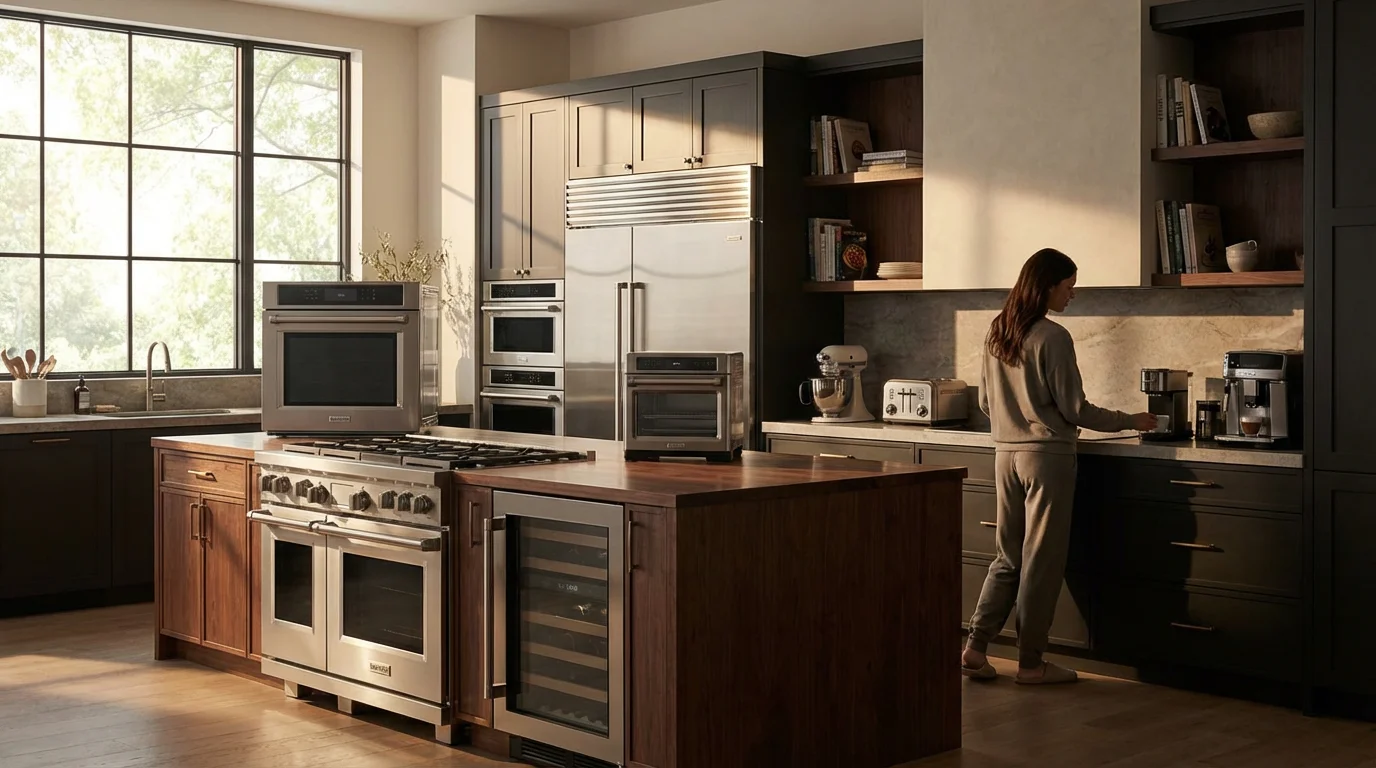
Navigating the vast world of kitchen appliances can feel overwhelming. You face countless options, from sleek refrigerators to powerful blenders, and each comes in various sizes. Choosing the correct appliance size is crucial for both functionality and kitchen aesthetics. It impacts everything from how efficiently you cook to how much counter space remains free for meal prep. This comprehensive guide helps you determine the ideal appliance sizing for your specific needs, ensuring your selections align with your lifestyle, cooking habits, and kitchen layout. Make confident purchasing decisions with practical, actionable insights.
Understanding Your Kitchen and Lifestyle Needs
Before you select any appliance, carefully assess your kitchen layout and your household’s cooking habits. This initial kitchen planning step saves you from buying items too large to fit or too small to be useful. Consider your available counter space, the amount of storage you have, and the number of people you regularly cook for. The term `footprint` refers to the amount of counter or storage space an appliance occupies. Understanding the footprint is especially critical for `appliance sizes for small kitchen` setups where every inch counts.
Consider these factors for effective space planning:
- Household Size: A single person cooks differently than a family of five. Your needs for capacity, the amount a product can hold or process at once, directly correlate with how many people you feed.
- Cooking Frequency: Do you cook every day, or do you mostly reheat leftovers? Frequent cooks often benefit from larger, more robust appliances.
- Type of Cuisine: Do you bake extensively, entertain often, or prefer quick, one-pot meals? Specific cooking styles can dictate appliance choices.
- Storage Availability: Measure your cabinets, pantry, and counter space. An appliance might fit on the counter, but can you store it away easily when not in use?
- Kitchen Flow: Ensure new appliances do not obstruct walkways or make your kitchen feel cramped.
Refrigerator Sizing: Keeping Your Cool Efficiently
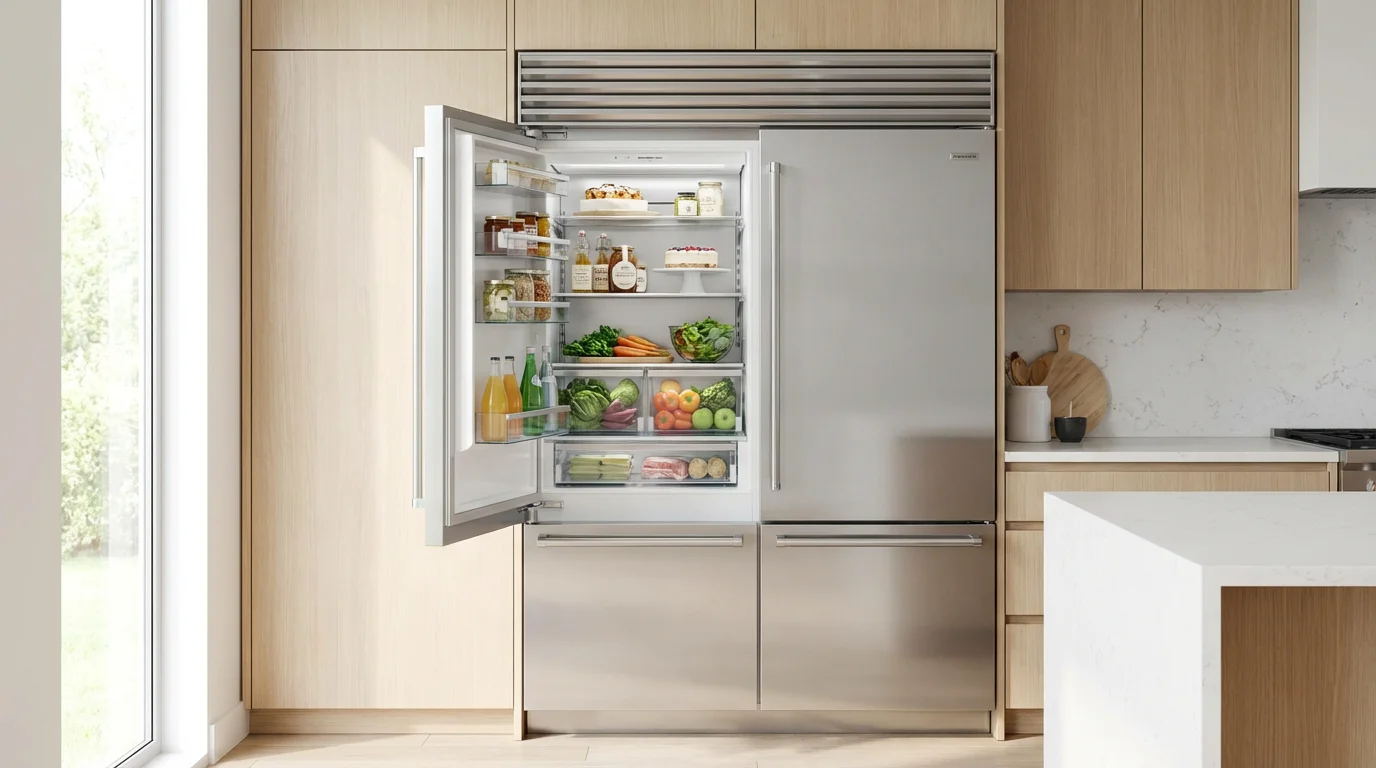
The refrigerator often serves as the centerpiece of your kitchen, and its `appliance sizing` significantly impacts your grocery shopping and storage. Refrigerators are measured by their total internal `capacity` in cubic feet (cu. ft.). Standard widths are typically 30, 33, or 36 inches, with heights ranging from 67 to 70 inches.
* For a Single Person or Couple (1-2 people):
Finding the right fridge is a top priority for those following a kitchen registry guide when setting up a new home together.
A refrigerator with 10 to 18 cu. ft. capacity often suffices. Top-freezer or bottom-freezer models are common `value pick` options in this range, balancing price and adequate storage.
* For a Small Family (3-4 people): Look for models between 18 and 25 cu. ft. French door or side-by-side refrigerators become popular here, offering better organization for bulkier items.
* For a Large Family or Frequent Entertainers (5+ people): Consider 25 cu. ft. or more. Larger French door models, often with advanced features, are excellent choices, though they represent an `upgrade pick` or `splurge` depending on the brand and features.
Pay attention to `counter-depth` versus `standard-depth` models. Counter-depth refrigerators align more closely with your cabinetry, creating a seamless look, but they typically offer less internal `capacity` than standard-depth models of the same width. They also carry a higher price point. If you have a `small kitchen`, an 18-inch wide column refrigerator or a compact bottom-freezer model could be your solution, sacrificing some capacity for a smaller `footprint`. According to a Consumer Reports analysis, understanding the true usable space within a refrigerator is more critical than just raw cubic footage.
Range and Oven Sizing: Heating Up Your Cooking Game
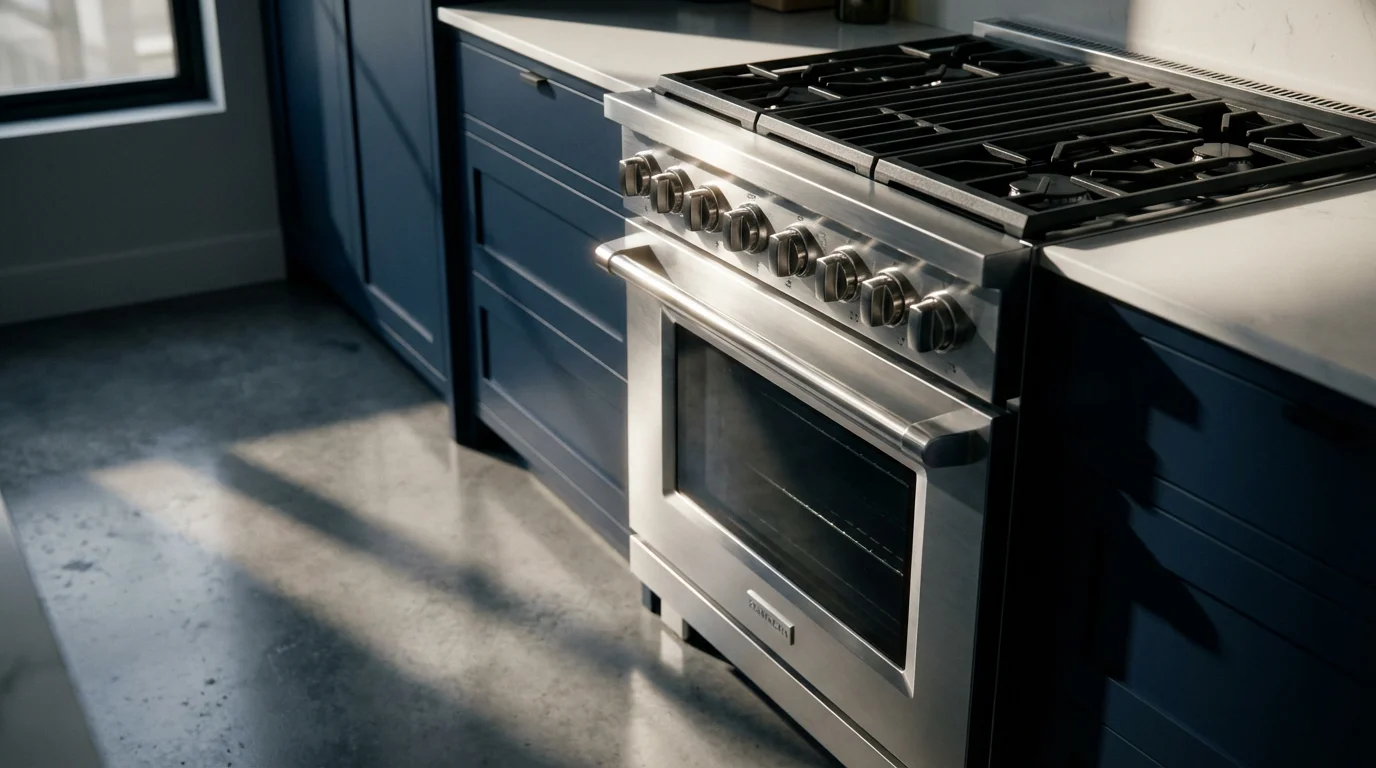
Ranges, which combine a cooktop and an oven, come in standard widths. The most common is 30 inches, fitting neatly into standard kitchen layouts. For larger kitchens or those who cook extensively, 36-inch or even 48-inch professional ranges are available.
Oven `capacity` is also measured in cubic feet. A standard 30-inch range typically offers an oven capacity of 4.5 to 6.5 cu. ft. This proves sufficient for most families, accommodating a large turkey or multiple casserole dishes. Larger professional ranges can feature dual ovens or a single, extra-large oven cavity, sometimes exceeding 7 cu. ft., catering to serious home cooks or those who entertain frequently.
Consider these aspects:
- Cooktop Configuration: Standard ranges offer four burners. Larger 36-inch ranges might have five or six burners, a griddle, or a grill, providing more flexibility for multi-dish cooking.
- Freestanding vs. Slide-in vs. Drop-in: Freestanding ranges have finished sides and a backguard, suitable for any placement. Slide-in and drop-in models offer a more integrated, custom look by fitting between cabinets. Slide-in models overlap the countertop for a seamless transition, while drop-ins sit on a cabinet base.
- Double Ovens: If you frequently bake or host, a double oven configuration, either as a freestanding unit or separate wall ovens, allows you to cook dishes at different temperatures simultaneously. This can be a significant `upgrade pick` for avid home bakers.
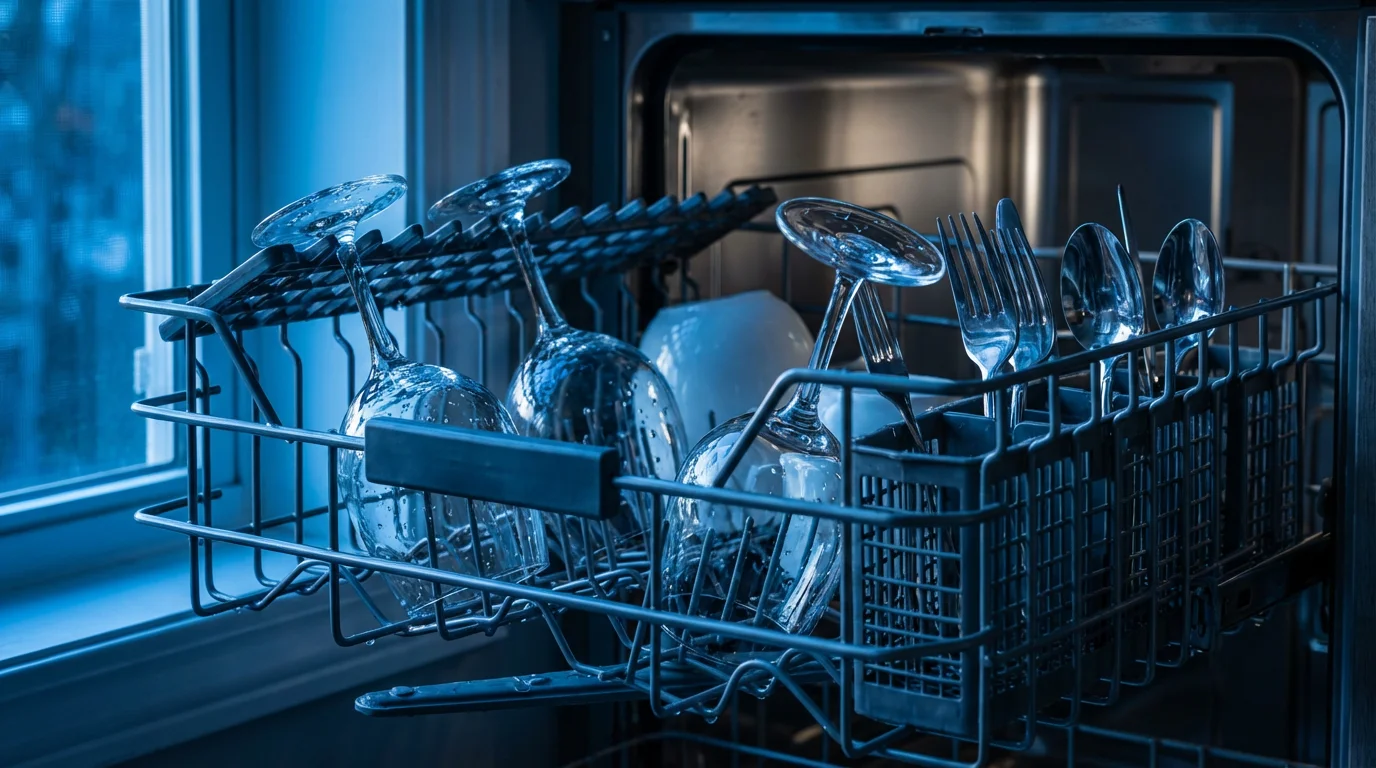
Dishwasher Dimensions: Clean Dishes, Clear Counters
Dishwashers boast highly standardized `appliance sizing`. Most full-size dishwashers are 24 inches wide, 24 inches deep, and typically 34-35 inches tall, fitting perfectly under standard countertops. This size usually accommodates 12-16 place settings, ideal for families and regular use.
If you have a `small kitchen` or a compact living space, an 18-inch wide compact dishwasher provides a practical alternative. These models fit into tighter spots and usually hold 8-10 place settings, suitable for singles or couples. While they offer less `capacity`, they significantly reduce the `footprint` in limited spaces.
When choosing, consider the following:
- Panel-Ready Models: These dishwashers accept a custom panel that matches your cabinetry, creating a completely integrated look. This enhances the seamlessness of your kitchen design.
- Noise Level: Dishwashers range from 38 dBA (decibels, an industry standard measure of loudness) for very quiet models to over 60 dBA for noisier ones. A quieter model, often a `splurge` or `upgrade pick`, is valuable in open-concept living spaces.
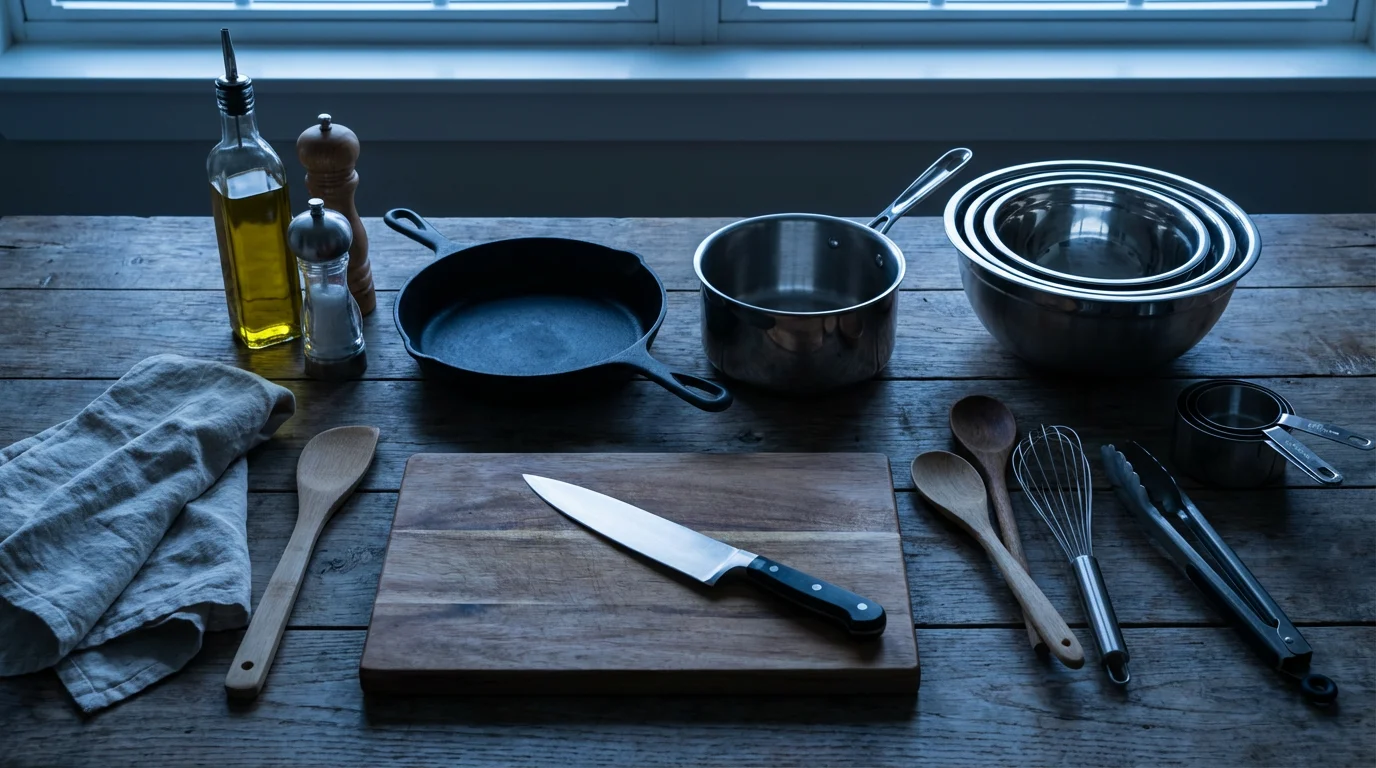
A reliable cleaning solution is one of the first kitchen essentials that every home cook should consider.
A quality dishwasher, properly sized, makes daily cleanup effortless.
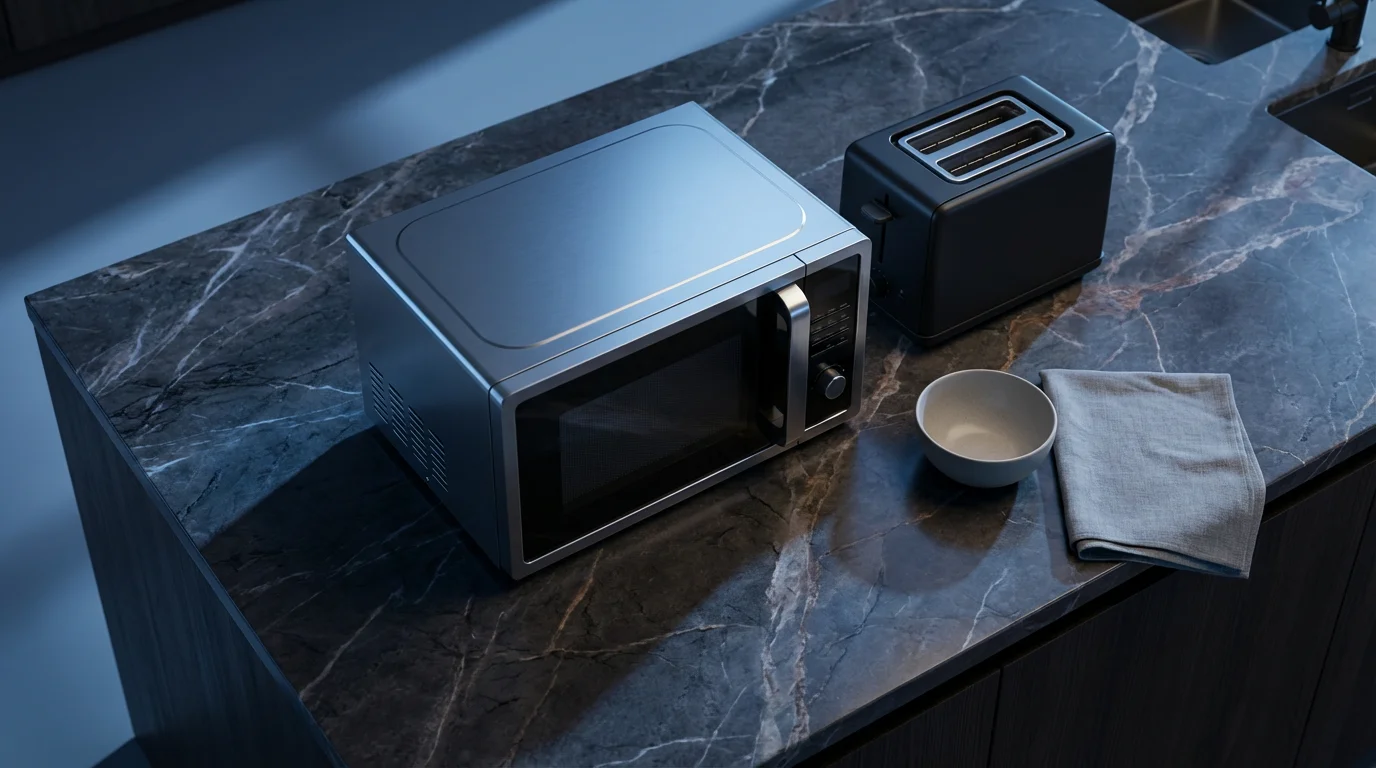
Microwave Oven Sizing: Quick Heat for Every Kitchen
Microwave ovens come in a variety of sizes and configurations, impacting both your available counter space and your cooking workflow. `Capacity` is measured in cubic feet, typically ranging from 0.7 cu. ft. to over 2.0 cu. ft. Power, measured in watts, usually falls between 700 and 1,200 watts. Higher wattage means faster, more even cooking.
Common types and their sizing considerations:
- Countertop Microwaves: These are the most flexible, ranging from compact (0.7-1.0 cu. ft., 700-900 watts) to large (over 1.5 cu. ft., 1000-1200 watts). A compact model is a solid `budget pick` for heating small portions or for a `small kitchen` where `footprint` is a concern. A mid-size (1.2-1.6 cu. ft.) offers versatility for most families.
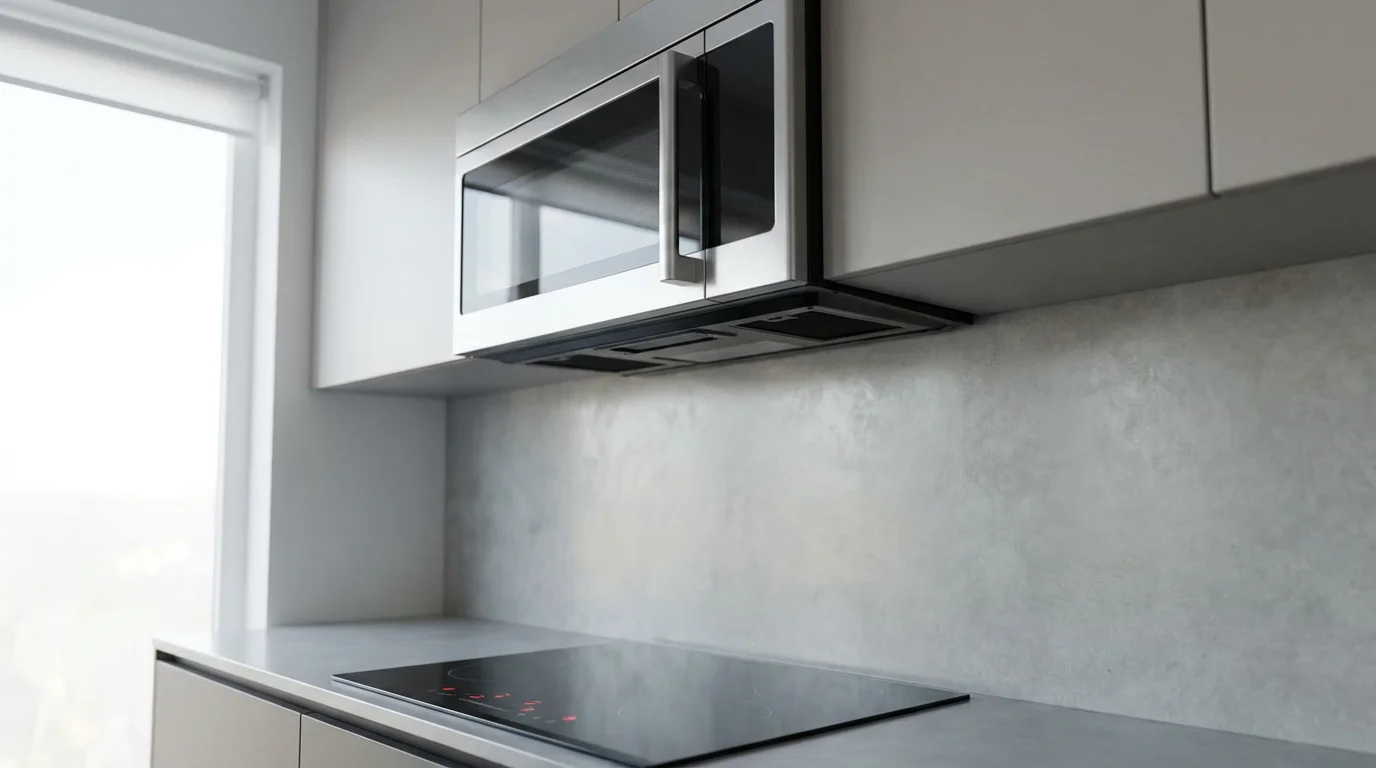
- Over-the-Range (OTR) Microwaves: These units mount above your range, saving counter space. They typically offer 1.5 to 2.0 cu. ft. of `capacity` and include a built-in ventilation system. Standard widths are 30 inches, matching most range sizes.
- Built-in Microwaves: Designed to install into a cabinet or wall, these offer a sleek, integrated look. They often come with trim kits to create a custom finish. Sizes vary, but they often mirror the `capacity` of large countertop models.
- Drawer Microwaves: These unique models install under a counter or in an island, pulling out like a drawer. They are an `upgrade pick` for those prioritizing an uncluttered countertop and ergonomic access. Capacities typically range from 1.0 to 1.2 cu. ft.
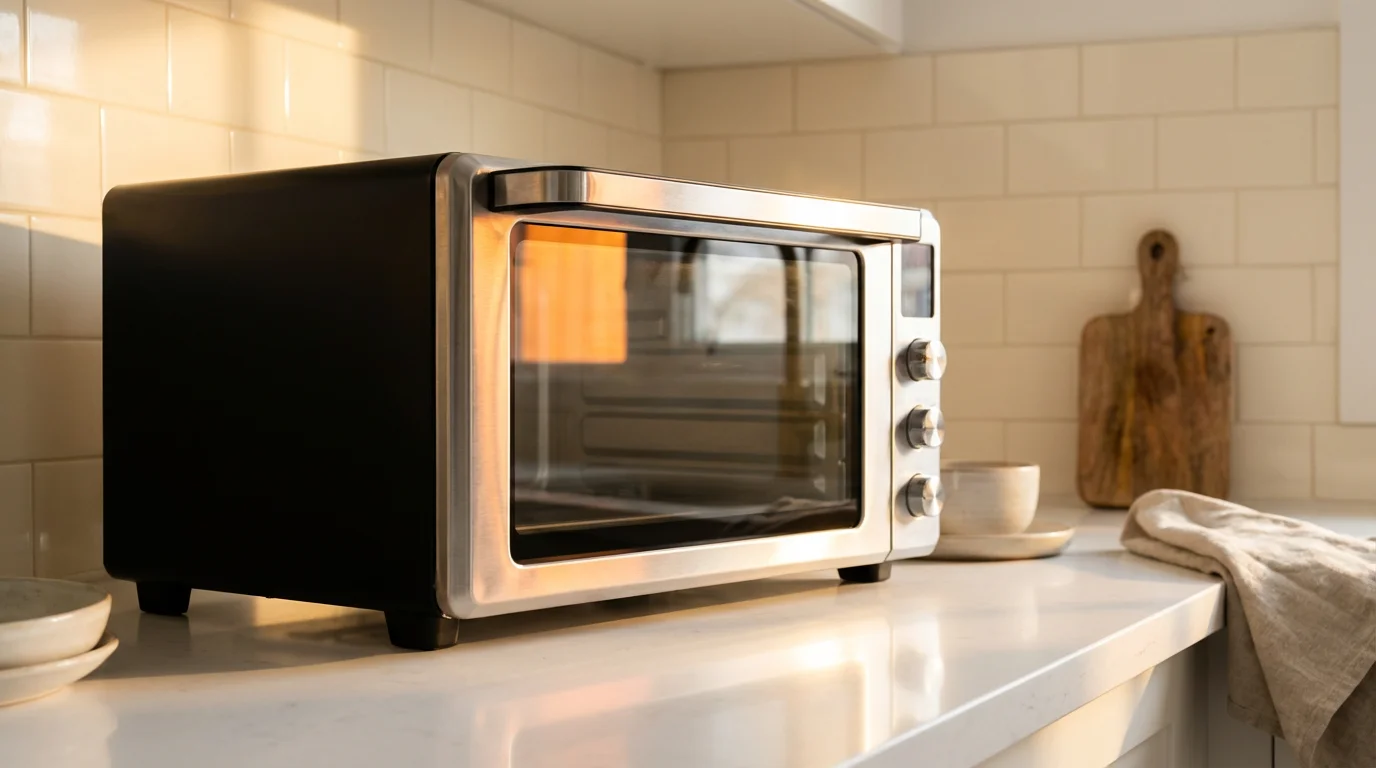
Air Fryer and Toaster Oven Sizing: Countertop Powerhouses
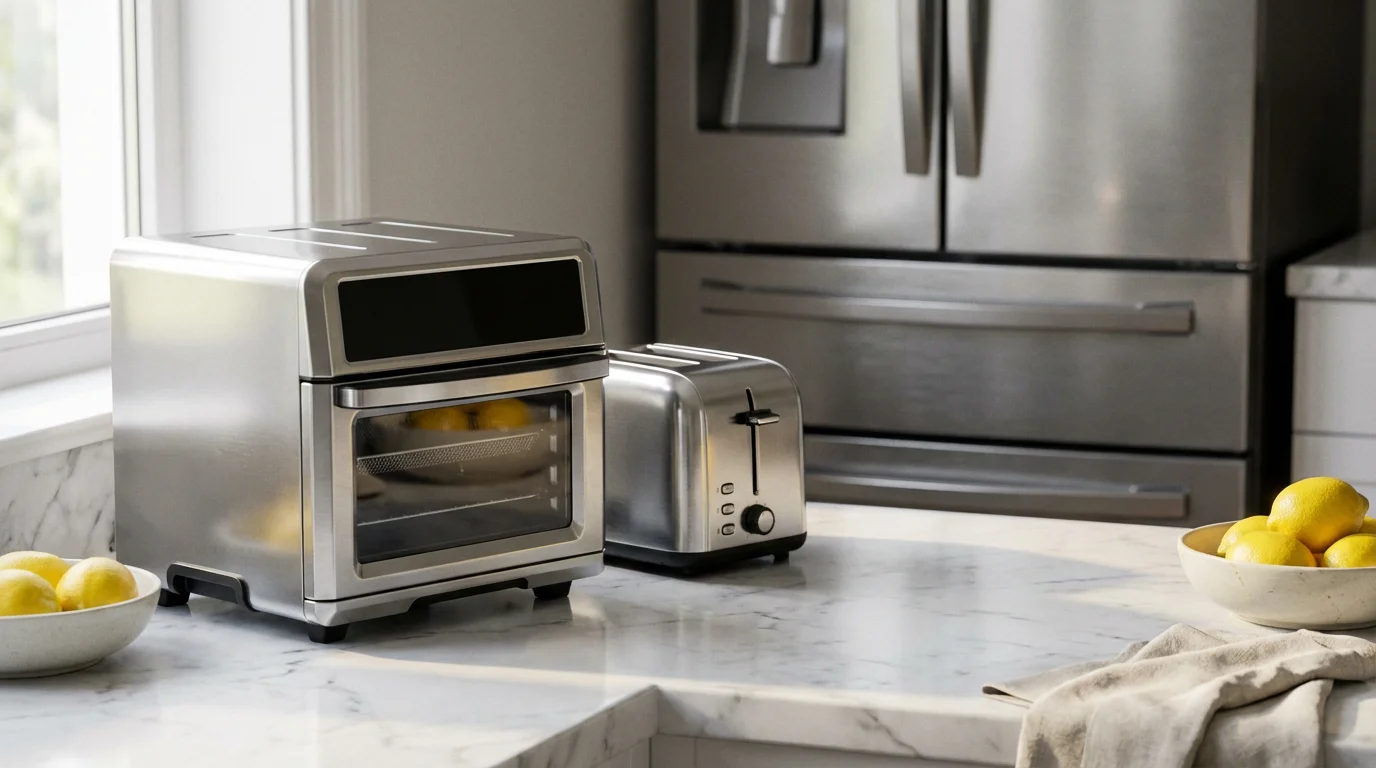
Air fryers and toaster ovens have become essential countertop appliances, offering quick cooking and baking without heating up a full-size oven. Their `footprint` varies significantly, so choose wisely for your counter space.
“The best countertop appliance is one you actually use. Don’t let an oversized footprint deter you from delicious meals.” — Wirecutter Kitchen Expert
Air Fryers:
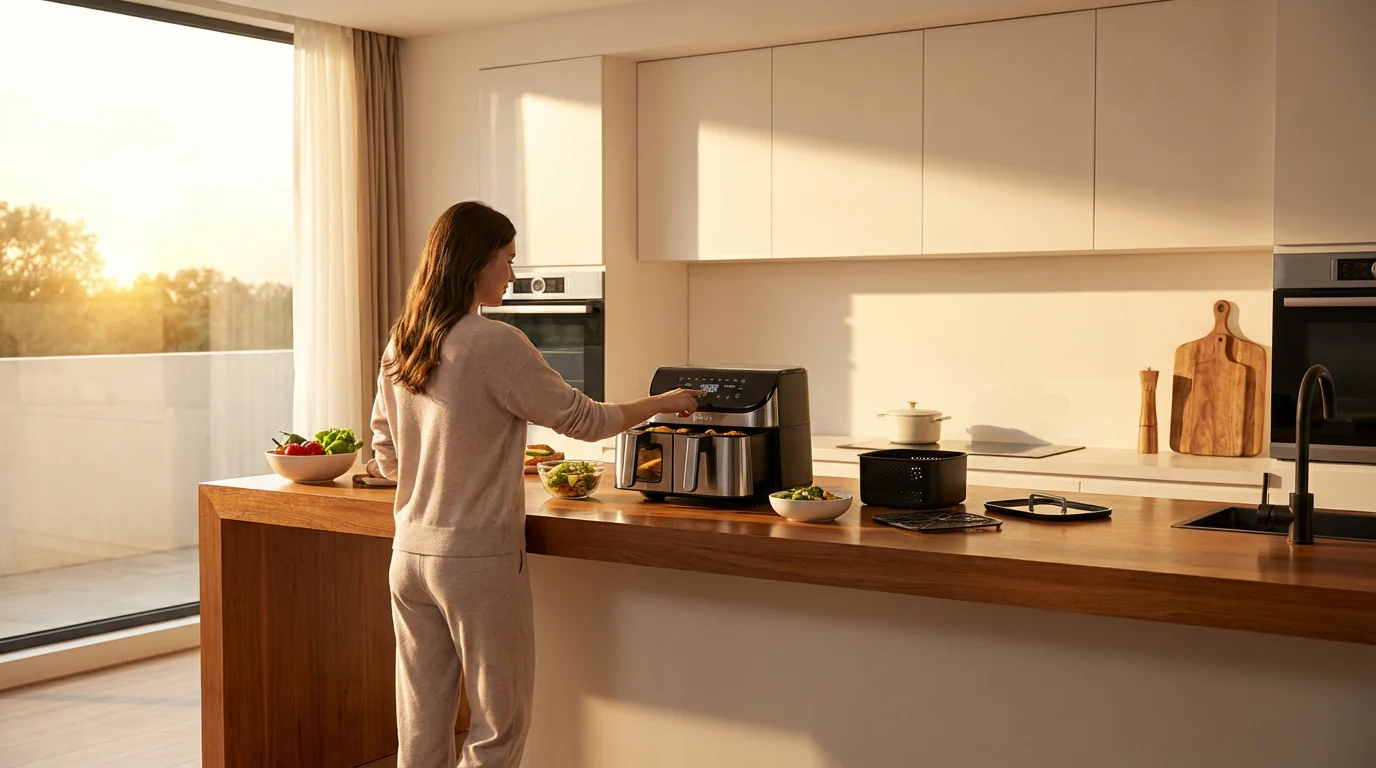
Air fryers cook by circulating hot air, producing crispy results with less oil. Their `capacity` is often measured in quarts or by the pound of food they can hold.
* 1-3 Quarts (Small): Ideal for a single person or occasional use. Holds about 0.5-1 lb of food, perfect for a single serving of fries or chicken wings. This is a practical `budget pick` for individuals.
* 3-5 Quarts (Medium): Suitable for couples or small families (2-3 people). You can cook 1-2 lbs of food, fitting 2-3 chicken breasts or a small batch of vegetables. This size addresses `what size air fryer do I need for family` for smaller households.
* 5-8 Quarts (Large): Best for families of 3-5 people. Holds 3-4 lbs of food, sufficient for a whole small chicken or a larger family meal. Many air fryers in this range are a strong `value pick`.
* 8+ Quarts (Extra-Large/Oven-style): Designed for large families or those who entertain frequently. Some air fryer ovens offer dual baskets or a rotisserie function, acting as an `upgrade pick` for versatile cooking. This size easily answers `what size air fryer do I need for family` for larger groups.
Toaster Ovens:
Toaster ovens are incredibly versatile, capable of toasting, baking, broiling, and reheating. Their `capacity` is often described by the number of slices of toast they can hold, or in cubic feet.
* 4-Slice Capacity: Compact models, good for singles or couples, or a `small kitchen`.
* 6-8 Slice Capacity: Standard size for most families, fits a 9×13-inch pan or a small pizza.
* 10+ Slice Capacity/Convection Toaster Ovens: Larger models often include convection fans for faster, more even cooking. These are an `upgrade pick` and can sometimes double as an air fryer.
Here’s a comparison for common family sizes:
| Family Size | Recommended Air Fryer Capacity (Quarts) | Recommended Toaster Oven Capacity (Slices/Pans) | Considerations |
|---|---|---|---|
| 1-2 People | 1-3 Quarts | 4 Slices | Compact `footprint` is key; focus on single servings. |
| 3-4 People | 3-5 Quarts | 6-8 Slices (fits 9×13 pan) | Balance `capacity` with counter space; versatile for meals. |
| 5+ People | 5-8+ Quarts (or Air Fryer Oven) | 8-10+ Slices (fits multiple pans) | Larger models for batch cooking; consider combo units for efficiency. |
Skip if… you rarely cook for more than one or two people and have limited counter space, a large air fryer or toaster oven might consume too much room for its utility.
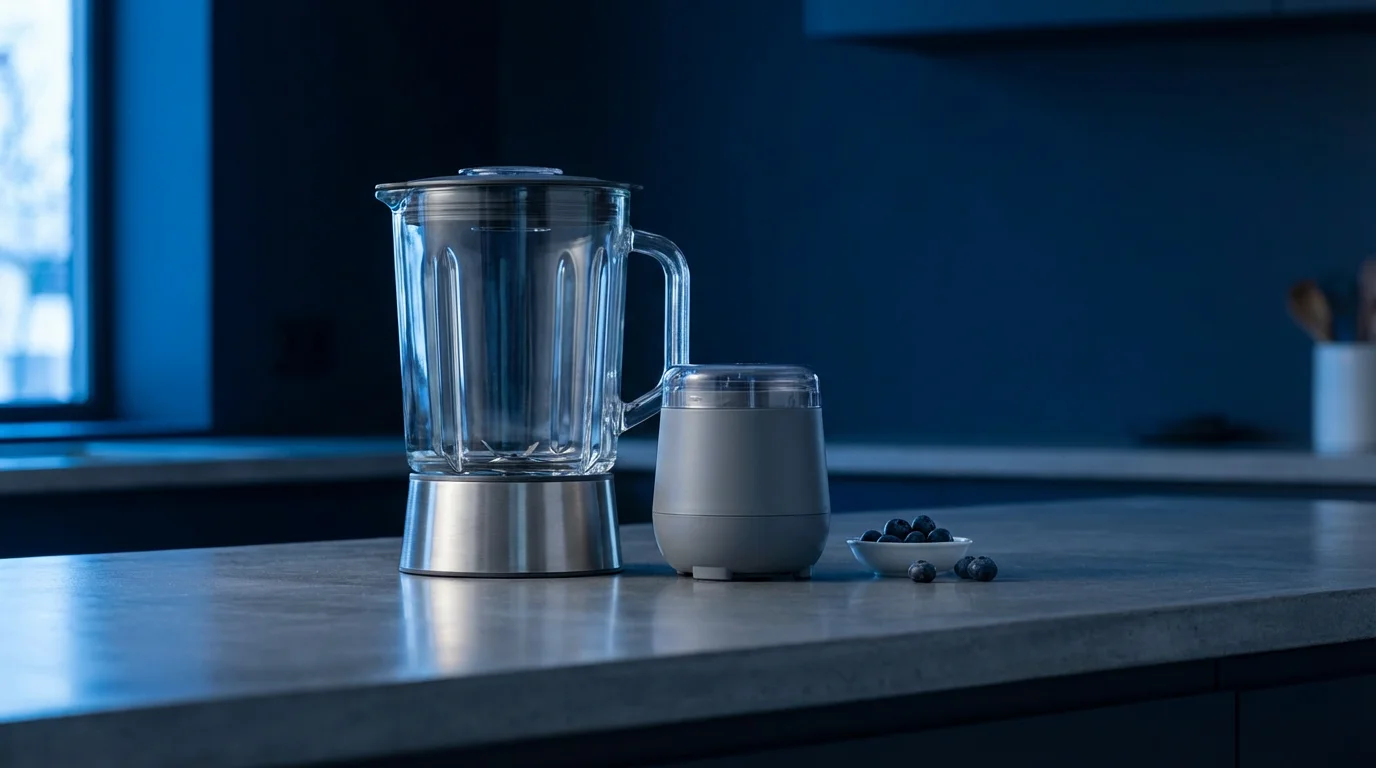
Blender and Food Processor Sizing: Powering Your Prep
Blenders and food processors are invaluable for food preparation, and choosing the right `capacity` ensures you can tackle your culinary tasks efficiently.
Blenders:
Blenders vary widely in size, from personal smoothie makers to high-power, large-pitcher models. `Capacity` is typically measured in ounces or cups.
* Personal Blenders (12-24 oz): Designed for single servings, such as smoothies or protein shakes. They have a small `footprint` and are a great `budget pick` for individuals.
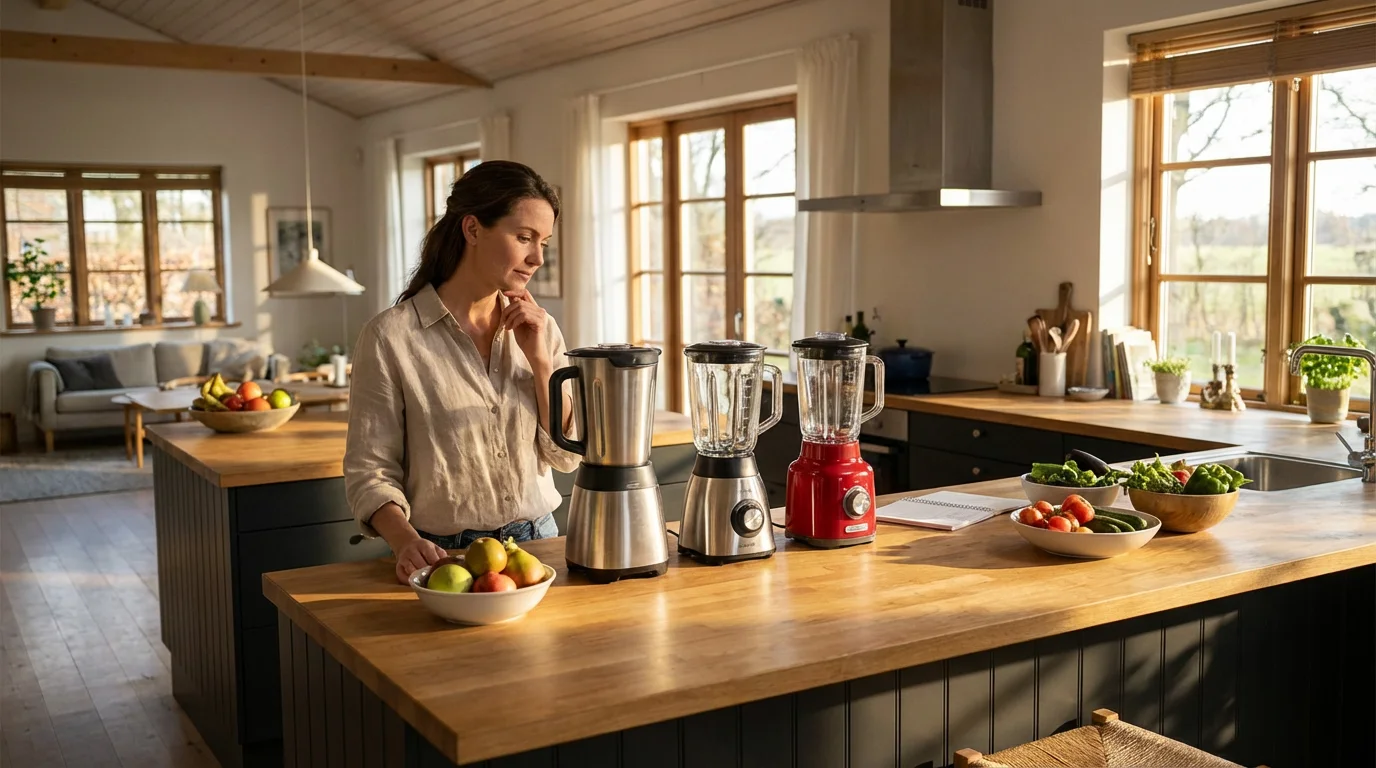
* Mid-size Countertop Blenders (48-64 oz): These are the most common, suitable for most families. They handle larger batches of smoothies, soups, and sauces. Many are `value pick` options for daily use.
* High-Performance Blenders (64+ oz): These `splurge` or `upgrade pick` blenders offer powerful motors and large pitchers, perfect for crushing ice, making nut butter, or blending large quantities for entertaining. They often have a substantial `footprint`.
Food Processors:
Food processors excel at chopping, slicing, shredding, and pureeing. Their `capacity` is measured in cups.
* Mini Food Processors (3-5 cups): Excellent for small tasks like chopping herbs, nuts, or making dressings. They have a minimal `footprint` and store easily, making them a good `budget pick` for light use.
* Mid-size Food Processors (8-12 cups): This is the ideal `capacity` for most home cooks and families. They handle tasks from slicing vegetables for a salad to kneading dough for a loaf of bread. A strong `value pick` for versatility.
* Large Food Processors (12-16+ cups): If you do a lot of batch cooking, canning, or entertaining, a large processor is an `upgrade pick`. It minimizes the need to process ingredients in multiple batches.
Skip if… you only need a quick smoothie, a large countertop blender can be overkill, taking up valuable counter space. Similarly, a full-size food processor is unnecessary if your primary need is just chopping garlic.
Coffee Maker Sizing: Brewing for One or Many
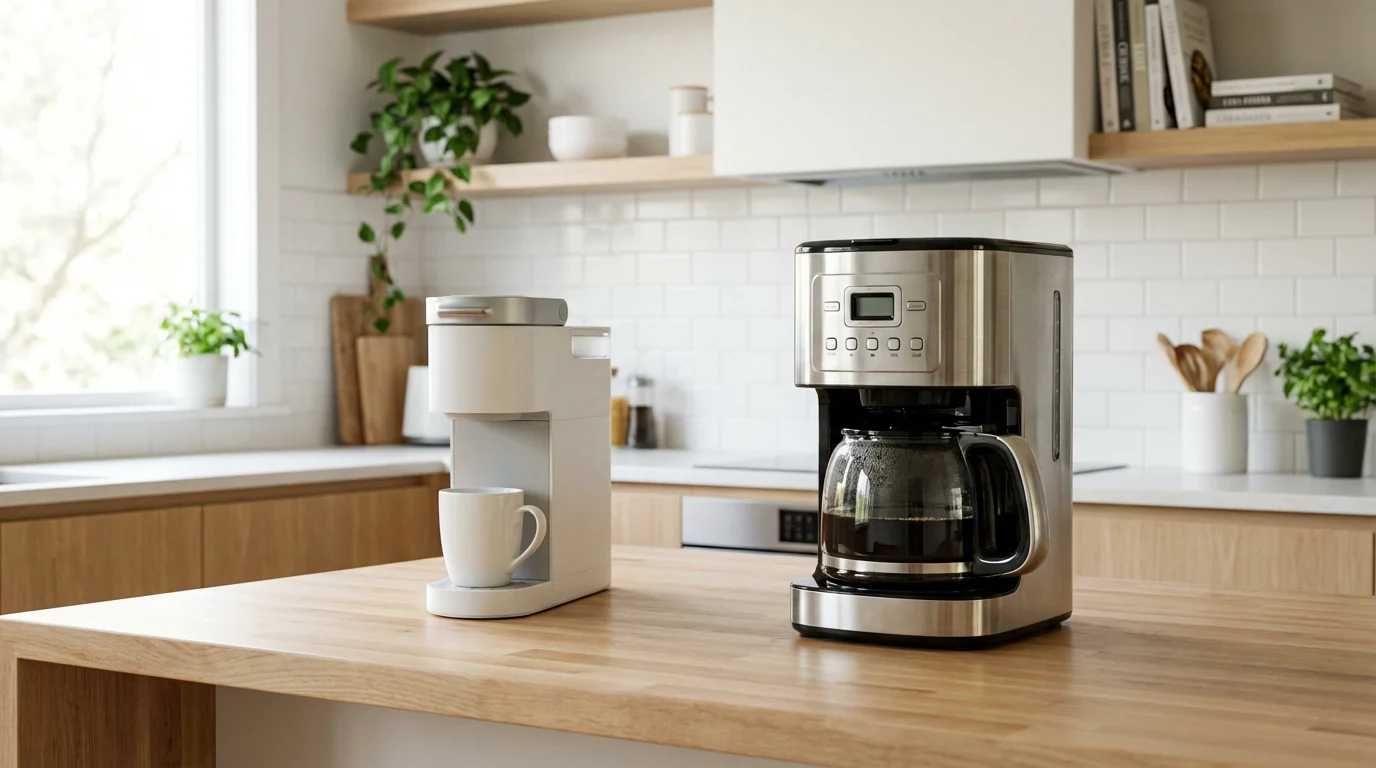
The right coffee maker size ensures you brew enough java without waste or constant refills. The `capacity` is usually measured in cups, with a standard cup typically equating to 5 ounces.
* Single-Serve Coffee Makers: These are ideal for individuals or households where everyone drinks different types of coffee or brews at different times. They have a small `footprint` and are efficient for one cup at a time. Many consider these a `value pick` for convenience.
* Drip Coffee Makers (8-12 cups): Most common for families or those who drink multiple cups throughout the day. An 8-cup model suits a couple, while a 10-12 cup model serves a larger family or guests.
* Large-Capacity Drip Coffee Makers (14+ cups): An `upgrade pick` for frequent entertainers or large households that consume a lot of coffee.
* Espresso Machines: These vary greatly in `footprint`, from compact single-serve pod machines to large, semi-automatic `splurge` models. Consider how often you make espresso and for how many people.
Skip if… you only drink one cup of coffee a day, a large 12-cup drip coffee maker will waste coffee and energy. A single-serve option is more practical.
Key Considerations Beyond Size: Specs, Budget, and Warranty
Once you narrow down the ideal size, consider other crucial factors that influence your purchasing decision. These include technical `specs`, your `budget`, and the manufacturer’s `warranty`.
* Specs: These are the technical details of a product. For refrigerators, this might include energy efficiency ratings. For blenders, it means motor wattage. For ovens, look at specific cooking modes. Always review the `specs` to ensure the appliance meets your performance expectations.
* Budget: Appliances come at various price points. A `budget pick` offers good quality at the lowest price point, often with fewer features. A `value pick` strikes the best balance of quality and price for most people. An `upgrade pick` is a premium option for those willing to spend more for enhanced features or performance. A `splurge` denotes a top-tier option for enthusiasts or heavy users who demand the best and are willing to pay for it. Be honest about your financial limits, but remember that a slightly higher upfront cost for a durable, efficient appliance can save you money in the long run.
* Warranty: This is the manufacturer’s promise to repair or replace defective products within a specified period. Most major appliances offer a one-year `warranty` on parts and labor. Some premium brands offer longer warranties or extended coverage on specific components like compressors. Always understand the warranty terms, as it protects your investment.
* Energy Efficiency: Look for Energy Star certifications on major appliances like refrigerators and dishwashers. These ratings indicate the appliance meets strict energy efficiency guidelines set by the EPA, saving you money on utility bills.
* Brand Reputation and Customer Service: Research brands known for reliability and good customer support. This becomes critical if you encounter issues down the line. Reviews from trusted sources, such as America’s Test Kitchen, often provide insight into product durability and manufacturer support.
Common Buying Mistakes to Avoid:
- Ignoring Measurements: Always measure your available space precisely, including doorways and hallways for large appliances, before purchasing.
- Prioritizing Features Over Needs: Do not pay for features you will never use. Focus on functionality that genuinely benefits your cooking style.
- Overlooking Installation Requirements: Some appliances require specific electrical outlets, gas lines, or ventilation. Confirm these before buying.
- Neglecting Reviews: While not the sole factor, honest user reviews and expert assessments provide valuable insight into real-world performance. Serious Eats offers in-depth `equipment reviews` that can guide your choices.
Bottom Line Summaries:
Your ideal appliance size balances your household’s needs, your cooking habits, and your kitchen’s physical constraints. Invest in appliances that fit both your space and your lifestyle, ensuring a more enjoyable and efficient cooking experience. Carefully review `specs` and `warranty` information, and avoid common pitfalls by planning thoroughly.
Frequently Asked Questions
What if I have a small kitchen but cook for a large family?
You face a common challenge. Focus on compact, multi-functional appliances. Consider an 18-inch dishwasher, a compact over-the-range microwave to save counter space, and a toaster oven or air fryer oven that offers versatile cooking capabilities. You might also prioritize a larger refrigerator, as food storage is often non-negotiable for big families, and compensate by choosing smaller countertop appliances.
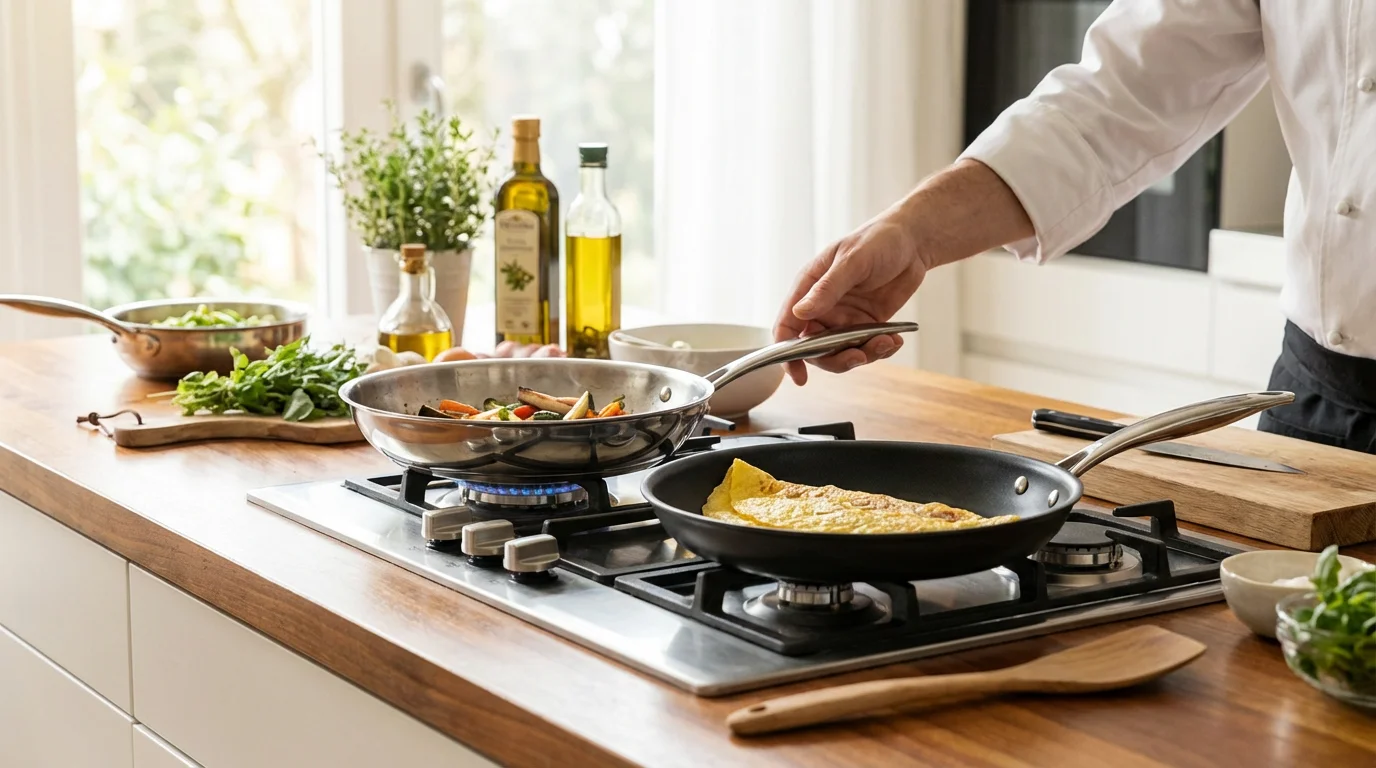
Whether you are starting from scratch or upgrading your kitchen, choosing dimensions that fit your workflow is key.
Is it worth buying last year’s model for a better value?
Absolutely. Appliance technology often sees incremental updates year-to-year. Last year’s model, if it meets your sizing and feature requirements, can be an excellent `value pick`, often available at a significantly reduced price. Check the `specs` to ensure no critical features are missing for your needs, and confirm the `warranty` remains valid.
How do I know if an appliance will fit through my doorway?
Measure the width and height of all doorways, hallways, and stairwells the appliance must pass through, including any tight turns. Compare these measurements to the appliance’s total dimensions, not just its functional width. Remove door hinges if necessary for larger items like refrigerators.
What does “capacity” truly mean for different appliances?
`Capacity` indicates how much a product can hold or process at once. For refrigerators and ovens, it’s cubic feet. For blenders, it’s ounces or cups. For air fryers, it’s quarts or pounds of food. For dishwashers, it’s place settings. Always check these specific units to understand the true volume or quantity an appliance handles.
Disclaimer: Product prices, features, and availability change frequently. Prices shown were accurate at time of writing but may have changed. We may earn a small commission from purchases made through links on this site, at no extra cost to you. Always verify current pricing and specifications on the retailer’s website before purchasing.




Leave a Reply