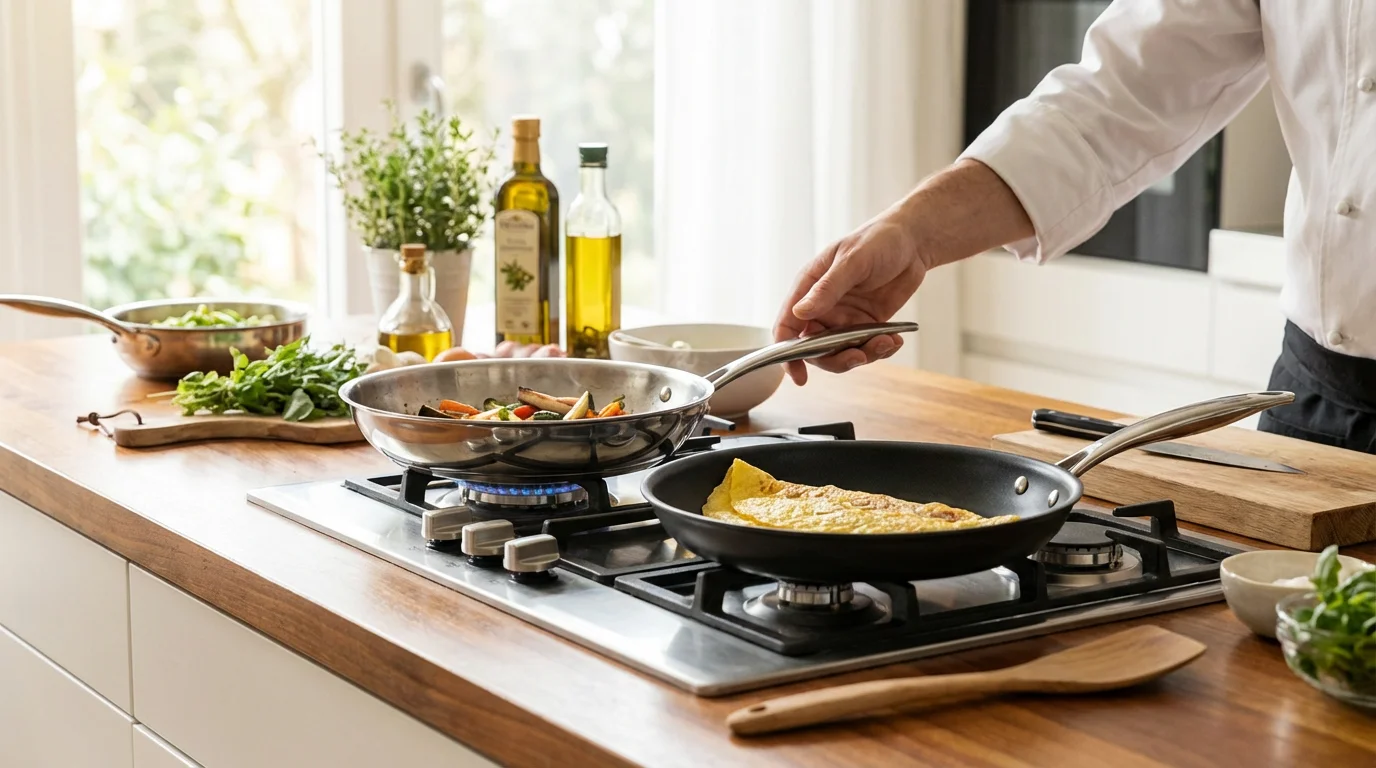
Deciding between stainless steel and non-stick cookware presents a common dilemma for home cooks. Both materials offer distinct advantages and disadvantages, making the choice dependent on your cooking style, priorities, and budget. This comprehensive guide cuts through the confusion, providing practical insights and clear recommendations to help you make an informed purchasing decision. We explore the strengths and weaknesses of each, helping you understand which material best suits your kitchen and culinary ambitions.
Learning how to spot quality kitchen tools ensures that you invest in pieces that offer both performance and longevity.
Understanding Cookware Materials: Your Foundation for Informed Choices
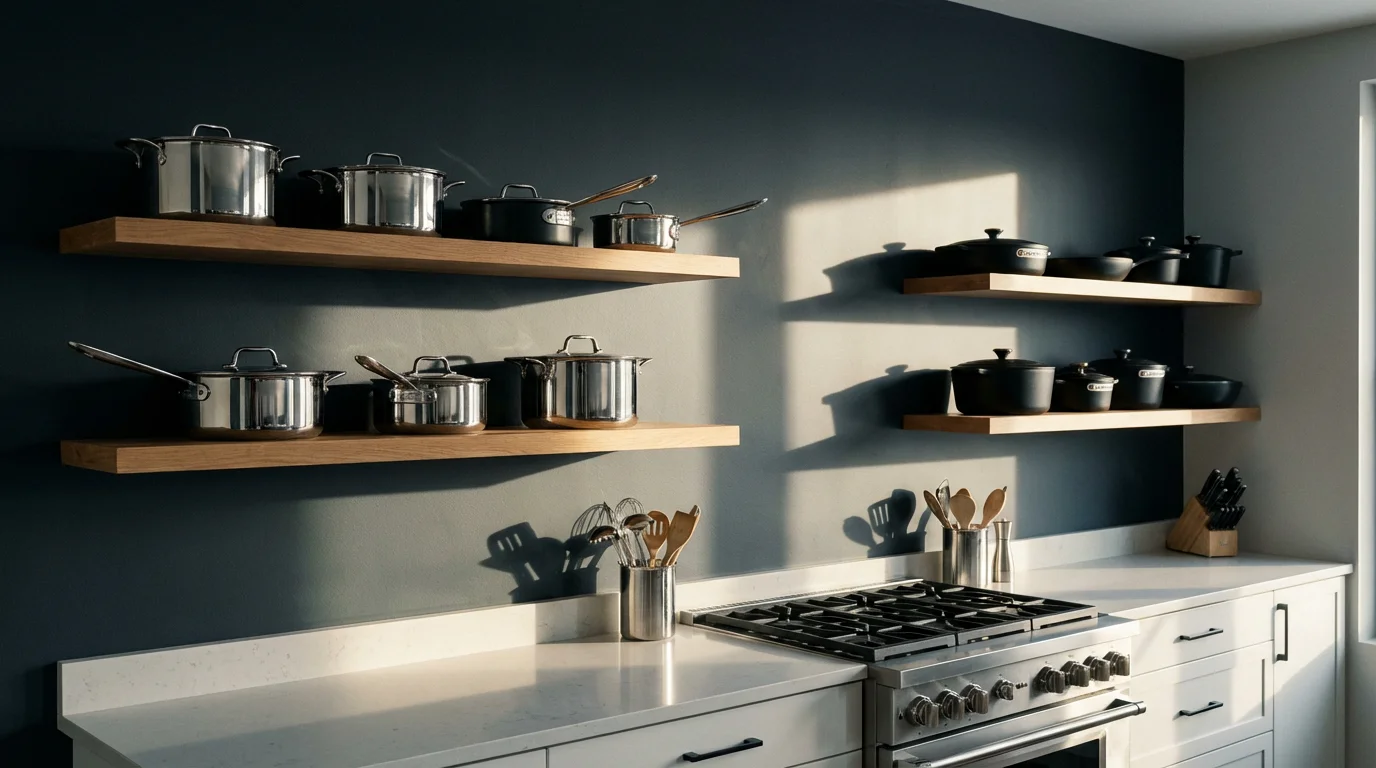
Your cookware forms the backbone of your kitchen. The material of your pots and pans significantly impacts cooking performance, durability, and maintenance. Understanding the fundamental differences between stainless steel and non-stick pans empowers you to choose the right tools for specific tasks and build a versatile collection. You need cookware that supports your culinary endeavors, whether that means achieving a perfect sear or effortlessly flipping pancakes.
Stainless Steel Cookware: The Durable Workhorse
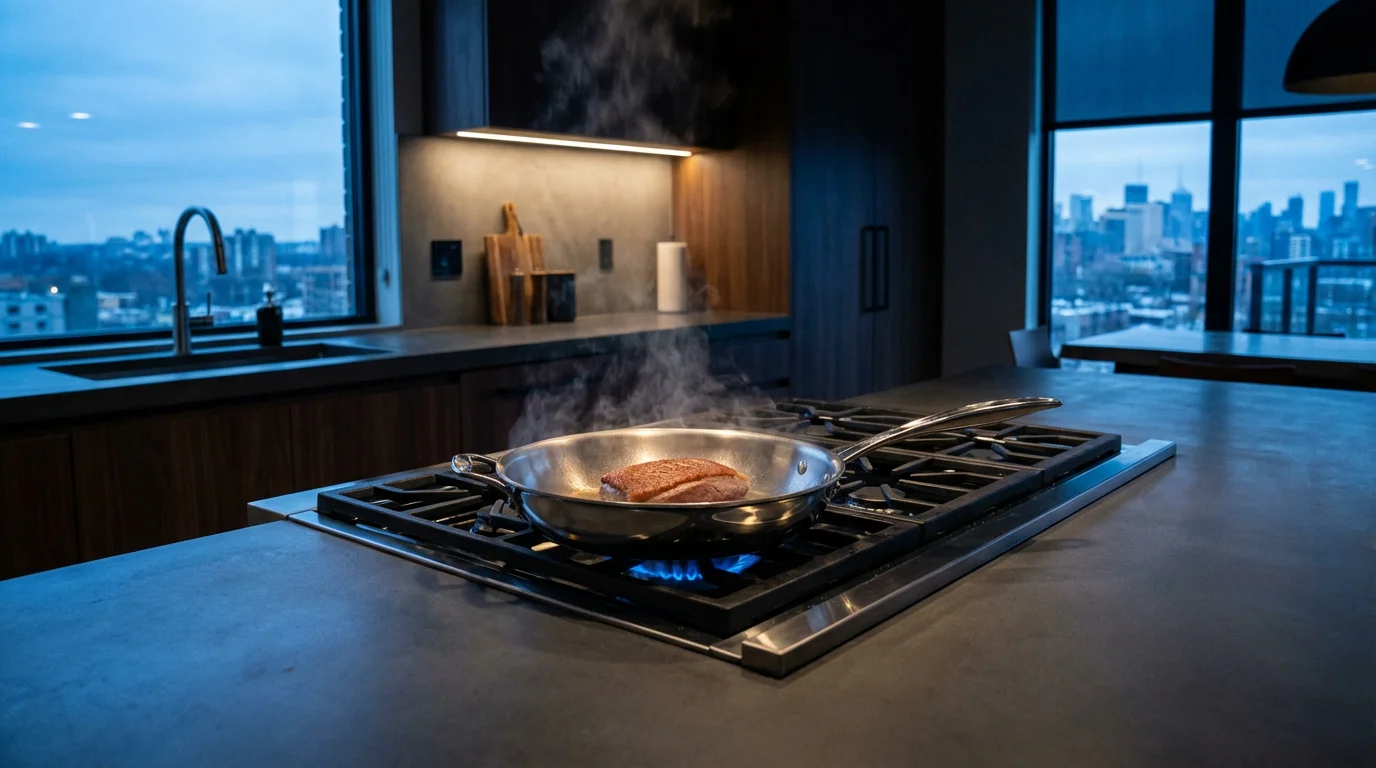
Stainless steel stands as a cornerstone in both home and professional kitchens. This alloy of iron, chromium, and nickel offers exceptional durability and versatility. You recognize it by its polished, silvery appearance. While stainless steel itself does not conduct heat as efficiently as copper or aluminum, quality stainless steel cookware incorporates layers of these highly conductive metals in its core. This construction, often referred to as tri-ply or 5-ply, refers to the number of bonded layers, typically stainless steel on the exterior for durability and a core of aluminum or copper for superior heat distribution.
Advantages of Stainless Steel
- Durability: Stainless steel resists scratches, dents, and corrosion. You can use metal utensils without worry and clean it aggressively.
- High Heat Tolerance: It handles high temperatures, making it ideal for searing, browning, and oven use. You will often find stainless steel pans oven-safe up to 500°F or higher.
- Versatility: Use it on any cooktop, including induction, and transfer it directly from stovetop to oven. It excels for pan-frying, sautéing, roasting, and simmering.
- Flavor Development: Stainless steel allows for fond to develop, the browned bits at the bottom of the pan that add deep flavor to sauces and gravies.
- Longevity: A well-maintained stainless steel pan can last decades, often becoming a generational kitchen item.
- Non-Reactive: It does not react with acidic foods like tomatoes or wine, preserving the true flavor of your dishes.
Disadvantages of Stainless Steel
- Sticking: Foods, especially delicate ones like eggs or fish, can stick if you do not use enough fat or preheat the pan properly. This requires a learning curve.
- Cleaning: While durable, stuck-on food can require more effort to clean compared to non-stick surfaces. Deglazing helps, but scrubbing might still be necessary.
- Weight: High-quality, multi-ply stainless steel cookware can be heavier than basic non-stick aluminum.
- Price: Premium stainless steel sets, especially those with thicker aluminum or copper cores, carry a higher initial cost.
“Stainless steel is the workhorse of the kitchen. It might not be as effortless to clean as non-stick, but its ability to handle high heat and develop rich flavors makes it indispensable for serious cooks.” — Kitchen Equipment Expert
When to Use Stainless Steel Cookware
You should reach for your stainless steel pans when:
- Searing meats to achieve a beautiful, flavorful crust.
- Browning vegetables or developing fond for pan sauces.
- Deglazing a pan after cooking.
- Cooking acidic foods like tomato sauces or wine reductions.
- You need a pan that can go from stovetop to oven.
- You want cookware built for longevity and heavy use.
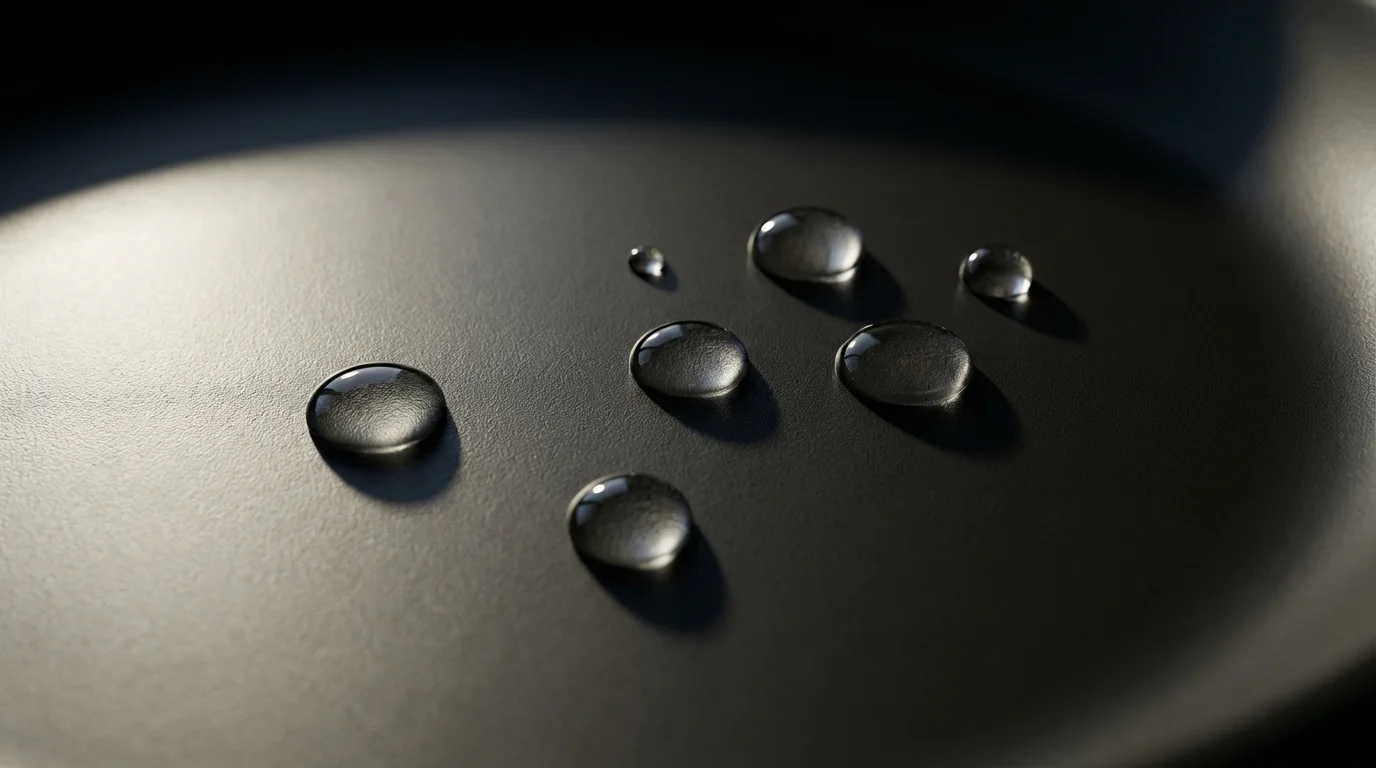
Non-Stick Pans: The Convenience Champion
Non-stick pans prioritize ease of use and cleaning. These pans typically feature an aluminum base coated with a non-stick material, most commonly Polytetrafluoroethylene (PTFE), often recognized by the brand name Teflon, or ceramic-based coatings. The key characteristic is their slick surface, which prevents food from adhering to the pan. This makes cooking and cleanup significantly simpler, particularly for delicate foods.
Advantages of Non-Stick Pans
- Effortless Food Release: Foods slide off easily, requiring minimal oil or butter. This makes cooking eggs, pancakes, and delicate fish a breeze.
- Easy Cleanup: A quick wipe with a sponge usually suffices to clean non-stick surfaces, saving you time and effort.
- Healthier Cooking: The ability to cook with less fat appeals to those mindful of dietary intake.
- Affordability: Many non-stick pans offer an excellent budget pick for quality cooking at a lower price point.
- Lightweight: Typically lighter than stainless steel, they are easy to maneuver.
Disadvantages of Non-Stick Pans
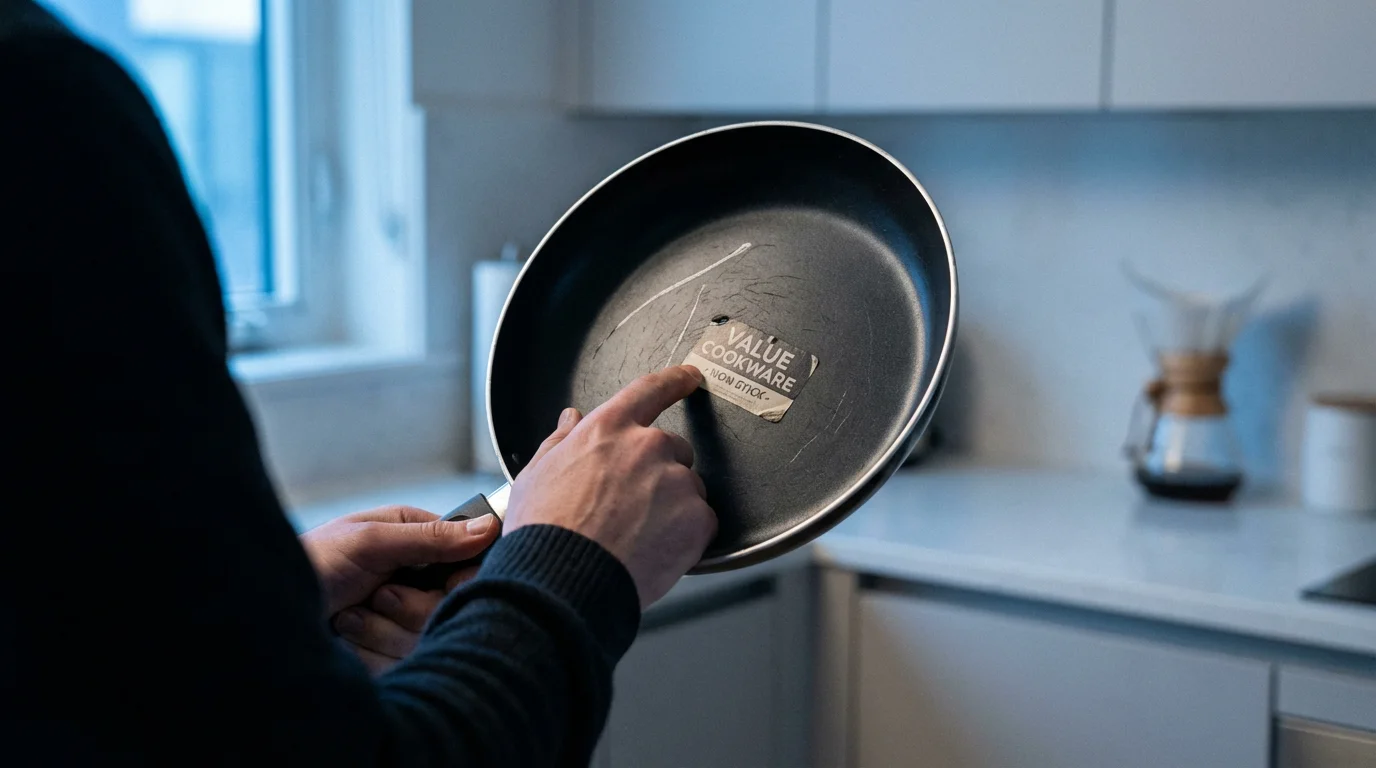
- Durability: The non-stick coating is susceptible to scratches from metal utensils, abrasive cleaners, or even high heat. Once scratched, the non-stick properties diminish rapidly.
- Heat Limitations: Most non-stick coatings tolerate lower maximum temperatures compared to stainless steel. Excessive heat can damage the coating, releasing fumes, and shortening the pan’s lifespan. You generally avoid using them above medium-high heat.
- Searing Limitations: You cannot achieve the same level of browning or fond development as with stainless steel, which limits their utility for certain cooking techniques.
- Shorter Lifespan: Due to coating degradation, non-stick pans generally require replacement every few years, even with careful use.
- Chemical Concerns: While modern non-stick coatings are considered safe for normal use, concerns persist regarding the chemicals used in their manufacture and potential off-gassing at very high temperatures. Always follow manufacturer instructions for heat limits.
According to Consumer Reports, proper care, including avoiding metal utensils and extreme heat, significantly extends the life of non-stick cookware.
When to Use Non-Stick Pans
You should opt for your non-stick pans when:
- Cooking delicate foods like eggs, fish fillets, or crepes.
- Frying foods that tend to stick, such as pancakes or cheese crisps.
- You prefer cooking with minimal oil or butter.
- You prioritize quick and easy cleanup.
- You are making sauces or gravies that you do not want to stick.
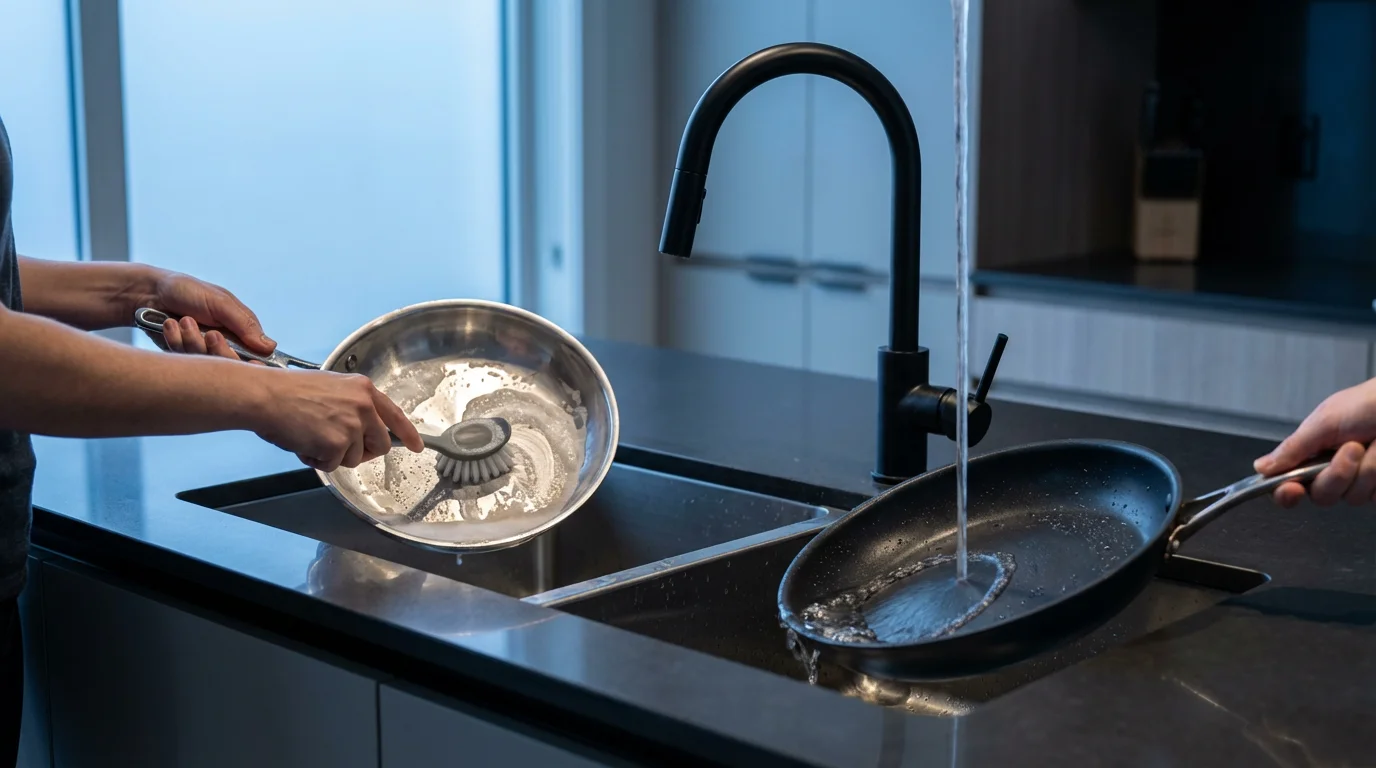
Cookware Comparison: Stainless Steel vs Non-Stick Head-to-Head
To help you decide whether you should buy stainless steel or non-stick, let us break down their performance across key metrics. This table provides a clear overview of where each material excels and where it falls short, guiding your cookware comparison for specific needs.
| Feature | Stainless Steel | Non-Stick Pans |
|---|---|---|
| Durability | Excellent. Resists scratches, dents, and corrosion. Designed for heavy use and metal utensils. | Poor. Coating scratches easily. Requires careful handling and silicone/wood utensils. |
| Heat Tolerance | Very High. Safe for searing, browning, and oven use up to 500°F+. | Low to Medium. Coatings degrade at high temperatures. Max 350-450°F typically. |
| Food Release | Moderate. Requires proper preheating and fat to prevent sticking. Allows fond development. | Excellent. Food slides off effortlessly, minimal fat needed. No fond development. |
| Cleaning Ease | Moderate. Can require scrubbing for stuck-on bits. Dishwasher safe, but handwashing extends life. | Excellent. Wipes clean easily. Handwashing recommended to preserve coating. |
| Versatility | High. Ideal for searing, sautéing, deglazing, oven use. Induction compatible. | Moderate. Best for delicate foods. Not ideal for high-heat searing or oven use. |
| Lifespan | Decades, with proper care. Often comes with lifetime warranty. | 1-5 years, depending on use and care. Coating wears out over time. |
| Price Range | Mid-range to High for quality multi-ply options. | Low to Mid-range. More affordable to replace regularly. |
When to Use Which: Matching Cookware to Your Cooking Tasks
The question of “when to use stainless vs non-stick” boils down to the specific dish you prepare. Optimize your cooking by choosing the right tool for the job.
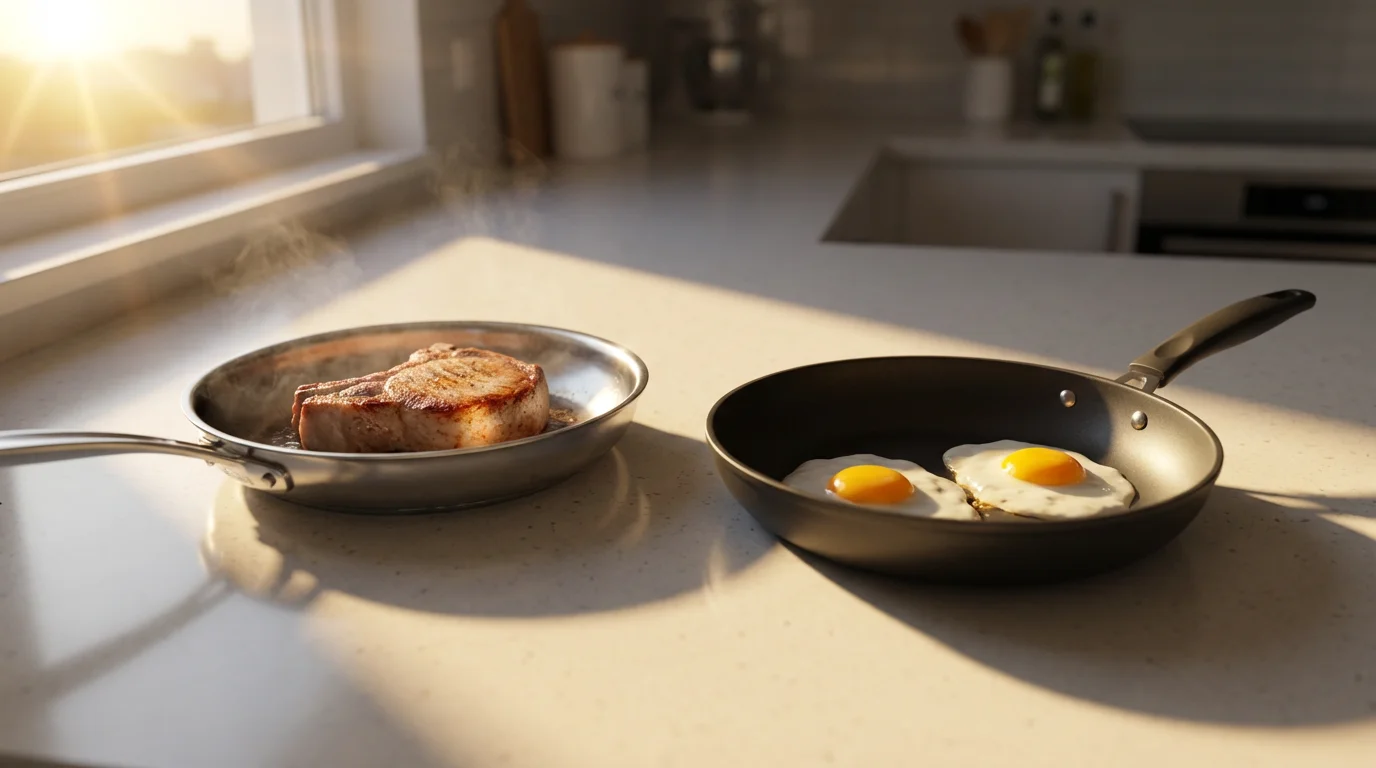
- Searing Steak or Chicken: Always choose stainless steel. Its ability to withstand high heat creates the Maillard reaction, producing a deep brown crust and rich flavor. Non-stick pans cannot achieve this.
- Frying Eggs or Pancakes: A non-stick pan is the clear winner here. The effortless release ensures perfect, unbroken eggs and golden pancakes without excessive fat or sticking.
- Sautéing Vegetables: Both can work, but for a vibrant stir-fry that needs some browning, stainless steel excels. If you just want to gently cook vegetables with minimal oil, non-stick works well.
- Making Pan Sauces: Stainless steel is essential. The fond that forms on the bottom of a stainless steel pan becomes the flavor base for deglazing and creating delicious sauces. Non-stick pans prevent fond from forming.
- Cooking Delicate Fish: A non-stick pan prevents the fish from sticking and tearing, preserving its delicate texture.
- Boiling Pasta or Simmering Soups: Stainless steel stockpots and saucepans are perfect for these tasks due to their durability and non-reactivity with acidic ingredients. Non-stick coatings offer no particular advantage here and could be damaged by prolonged high heat.
- Baking/Roasting in the Oven: Stainless steel oven-safe pans are ideal. Non-stick oven-safe pans exist, but their heat limits are generally lower, and the coating can degrade faster with prolonged high heat.
As Serious Eats equipment reviews frequently emphasize, a kitchen equipped with both types of cookware offers the greatest flexibility.
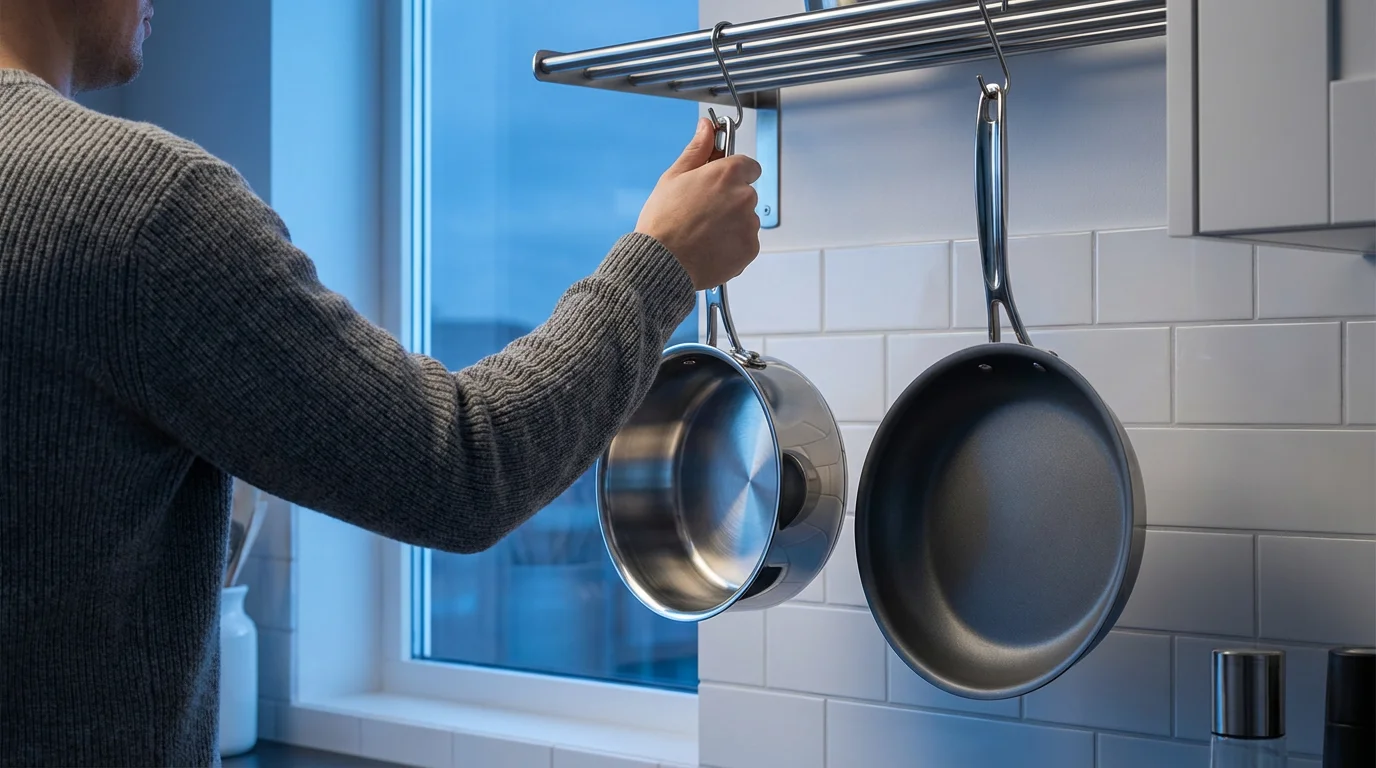
Building Your Cookware Collection: The Best of Both Worlds
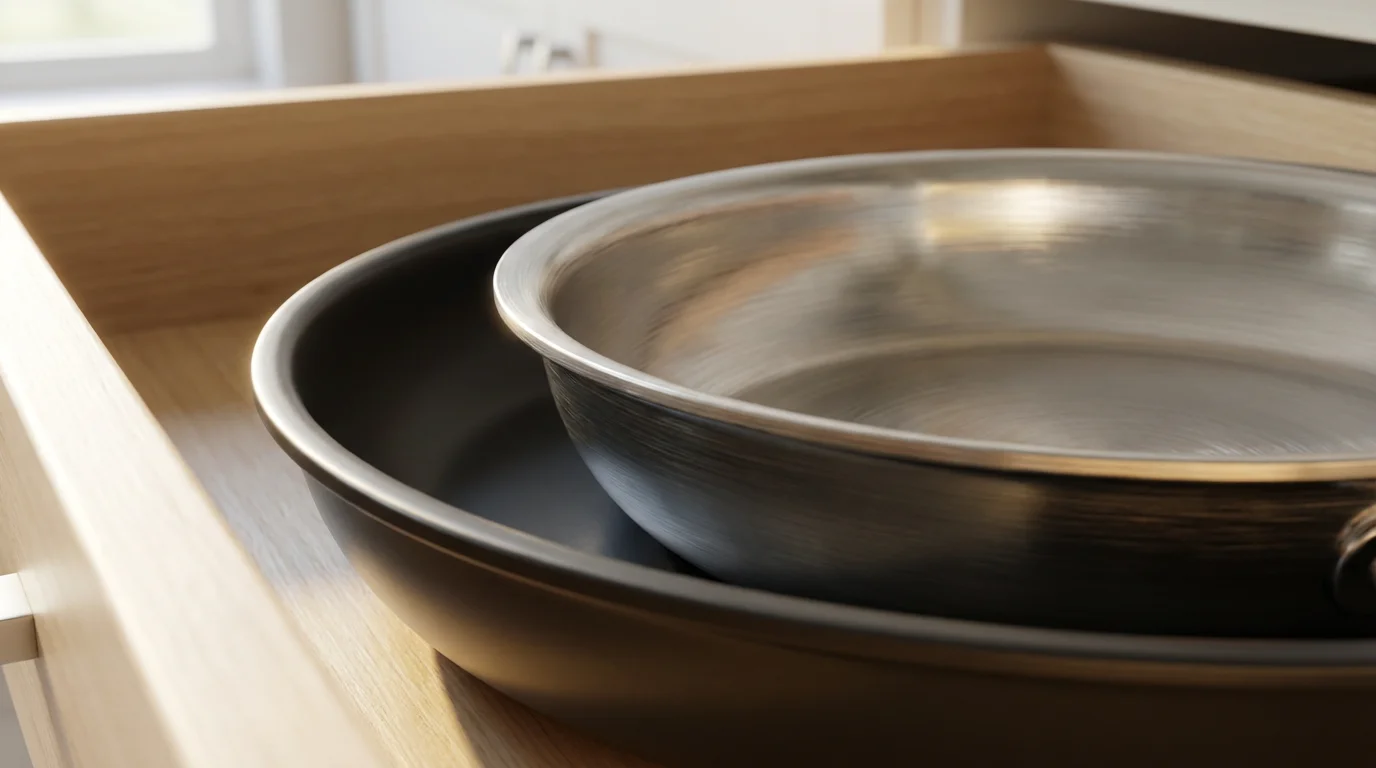
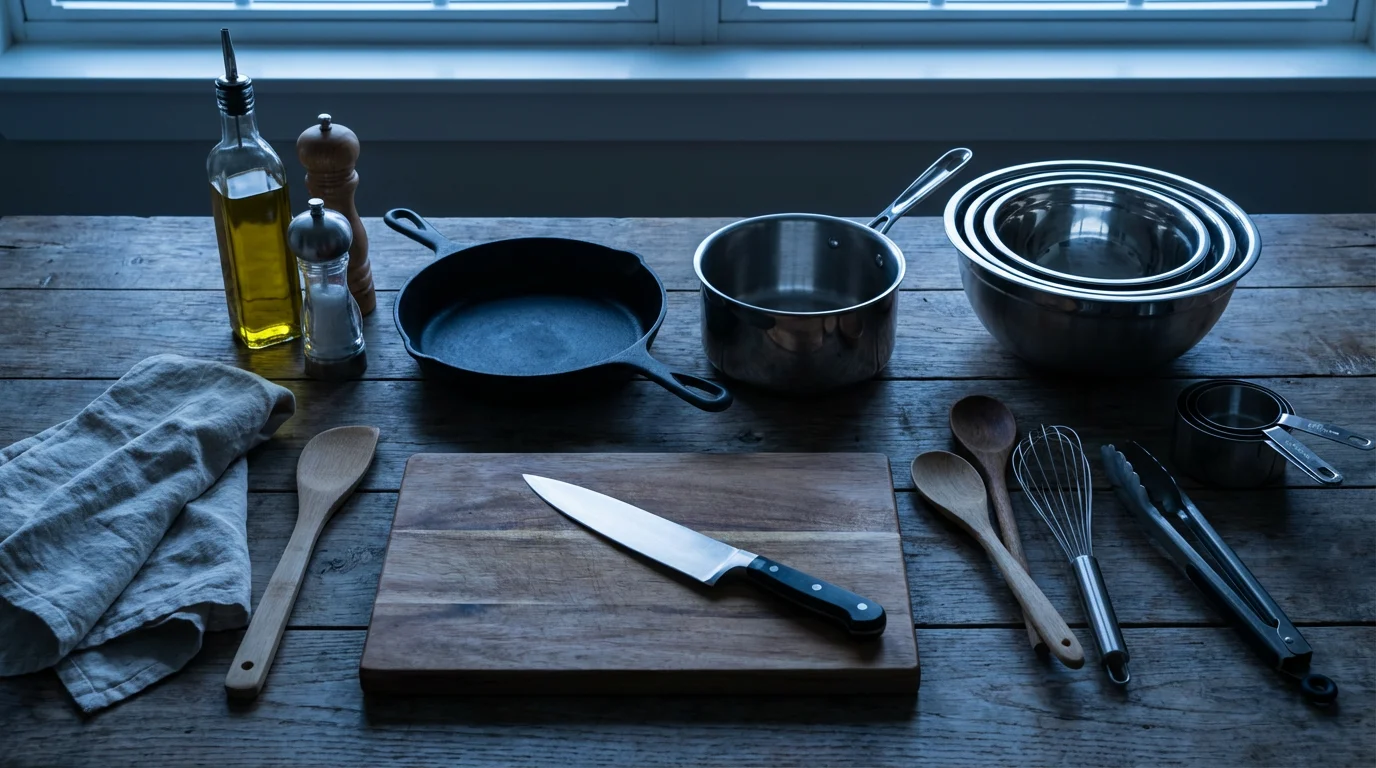
For most home cooks, the ideal solution involves incorporating both stainless steel and non-stick pans into your kitchen. This creates a versatile collection that handles a wide range of cooking tasks efficiently. You do not need to choose one or the other exclusively; instead, build a complementary set.
Planning a wedding? Our kitchen registry guide for new couples helps you choose the perfect balance of pots and pans.
The Recommended Approach: A Hybrid Collection
A smart strategy involves investing in a few key pieces of each type. This provides you with the best attributes of both materials without overspending or cluttering your kitchen.
- Your Stainless Steel Foundation:
- 10 or 12-inch Sauté Pan/Frying Pan: This is your go-to for searing meats, browning vegetables, and making pan sauces. Look for a tri-ply or 5-ply construction for even heat distribution.
- 2-3 Quart Saucepan: Essential for simmering sauces, boiling small amounts of water, or heating leftovers.
- 6-8 Quart Stockpot: Perfect for soups, stews, and pasta.
- Your Non-Stick Essentials:
- 8 or 10-inch Non-Stick Frying Pan: Your absolute must-have for eggs, pancakes, and delicate fish. This is often an excellent value pick.
- Optional: Small Non-Stick Saucepan: Useful for heating milk or making small batches of sticky sauces like caramel.
Budget, Value, and Upgrade Picks for a Mixed Set
When curating your collection, consider your budget and needs:
- Budget Pick: Prioritize a decent 10-inch stainless steel frying pan with an aluminum core and an 8-inch non-stick frying pan. You can find these individually for around $30-$50 each. Look for brands known for basic but functional quality.
- Value Pick (Best for Most People): Invest in a reputable mid-range stainless steel set from brands like Cuisinart or Tramontina, which offer good specs and performance without breaking the bank. Supplement this with a high-quality non-stick pan, perhaps an upgrade pick from a brand like All-Clad’s non-stick line or a reputable ceramic non-stick.
- Upgrade Pick/Splurge: For enthusiasts or heavy users, consider premium brands like All-Clad or Demeyere for stainless steel. Their multi-ply construction offers superior heat distribution and durability. For non-stick, look for options with reinforced coatings or advanced ceramic formulations that promise extended lifespan, though remember non-stick remains a consumable item.
Common Buying Mistakes to Avoid
Navigating the cookware market requires vigilance. Avoid these common pitfalls to make a confident purchasing decision.
Strategic upgrading your kitchen involves knowing which items deserve a splurge and where you can safely cut costs.
- Buying a Full Set Blindly: Many cookware sets include pieces you rarely use. Instead, identify the specific pots and pans you need, focusing on a few versatile sizes for both stainless steel and non-stick. You might save money and counter space by buying open stock.
- Ignoring Heat Distribution: For stainless steel, a thin base means hot spots and uneven cooking. Always look for pans with a thick, encapsulated aluminum or copper core that extends up the sides for superior heat distribution.
- Overlooking Handle Comfort and Construction: Ergonomic, stay-cool handles make a significant difference in usability. Riveted handles are generally more durable than welded ones.
- Disregarding Oven Safety: If you plan to transfer pans from stovetop to oven, check the maximum oven-safe temperature. This is especially crucial for non-stick pans.
- Skipping the Warranty: Quality stainless steel often comes with a lifetime warranty. While non-stick warranties are typically shorter due to the nature of the coating, understanding the manufacturer’s commitment to their product gives you peace of mind.
- Not Considering Cooktop Compatibility: If you have an induction cooktop, ensure your cookware explicitly states it is induction compatible. Stainless steel with a magnetic base usually is.
- Prioritizing Price Over Quality for Stainless Steel: A very cheap stainless steel pan often means a thin, single-ply construction that performs poorly. This is one area where spending a bit more upfront yields better results and longevity.
According to Wirecutter’s extensive testing, focusing on quality individual pieces rather than full sets often leads to greater satisfaction and better performance.
Frequently Asked Questions
Can I use metal utensils on stainless steel pans?
Yes, you can safely use metal utensils on stainless steel pans. Stainless steel is highly durable and resistant to scratches and dents, making it robust enough for metal spatulas and spoons without damaging the cooking surface.
How long do non-stick pans typically last?
Non-stick pans generally last between one and five years, depending on their quality, frequency of use, and how well you care for them. The non-stick coating degrades over time, especially with exposure to high heat or abrasive cleaning, necessitating replacement.
Is non-stick cookware safe?
Modern non-stick cookware, particularly those with PTFE coatings, is considered safe for normal home cooking when used according to manufacturer instructions. The primary concern arises from overheating the pan, which can cause the coating to break down and release fumes. Avoid extreme high temperatures and never leave an empty non-stick pan on a hot burner.
What is “fond” and why is it important for stainless steel?
“Fond” refers to the browned, caramelized bits of food that stick to the bottom of a pan after searing or sautéing meats and vegetables. On stainless steel, this fond contains concentrated flavors that you can then deglaze with liquid like wine or broth, creating rich and delicious pan sauces. Non-stick pans prevent fond from forming, which limits flavor development for these types of dishes.
Can I put stainless steel cookware in the dishwasher?
Most stainless steel cookware is dishwasher safe. However, handwashing often helps preserve its polished appearance and prevents potential dulling or spotting that can occur in dishwashers. Always consult the manufacturer’s specific cleaning instructions for your cookware.
The Bottom Line: Making Your Decision
The choice between stainless steel and non-stick pans is not an either/or proposition for most home cooks; it is about building a functional and versatile kitchen. You need the durability, high-heat capability, and flavor development that stainless steel offers for searing, browning, and creating pan sauces. At the same time, you benefit immensely from the convenience and effortless food release of non-stick for delicate items like eggs and fish. Prioritize quality in your stainless steel pieces, as they represent a long-term investment. For non-stick, choose a good value pick and accept that you will likely replace it every few years. By understanding their unique strengths and weaknesses, you equip yourself to tackle any recipe with confidence and achieve excellent results every time.
Disclaimer: Product prices, features, and availability change frequently. Prices shown were accurate at time of writing but may have changed. We may earn a small commission from purchases made through links on this site, at no extra cost to you. Always verify current pricing and specifications on the retailer’s website before purchasing.
If you are setting up your home for the first time, check out our guide on first kitchen essentials to complete your setup.
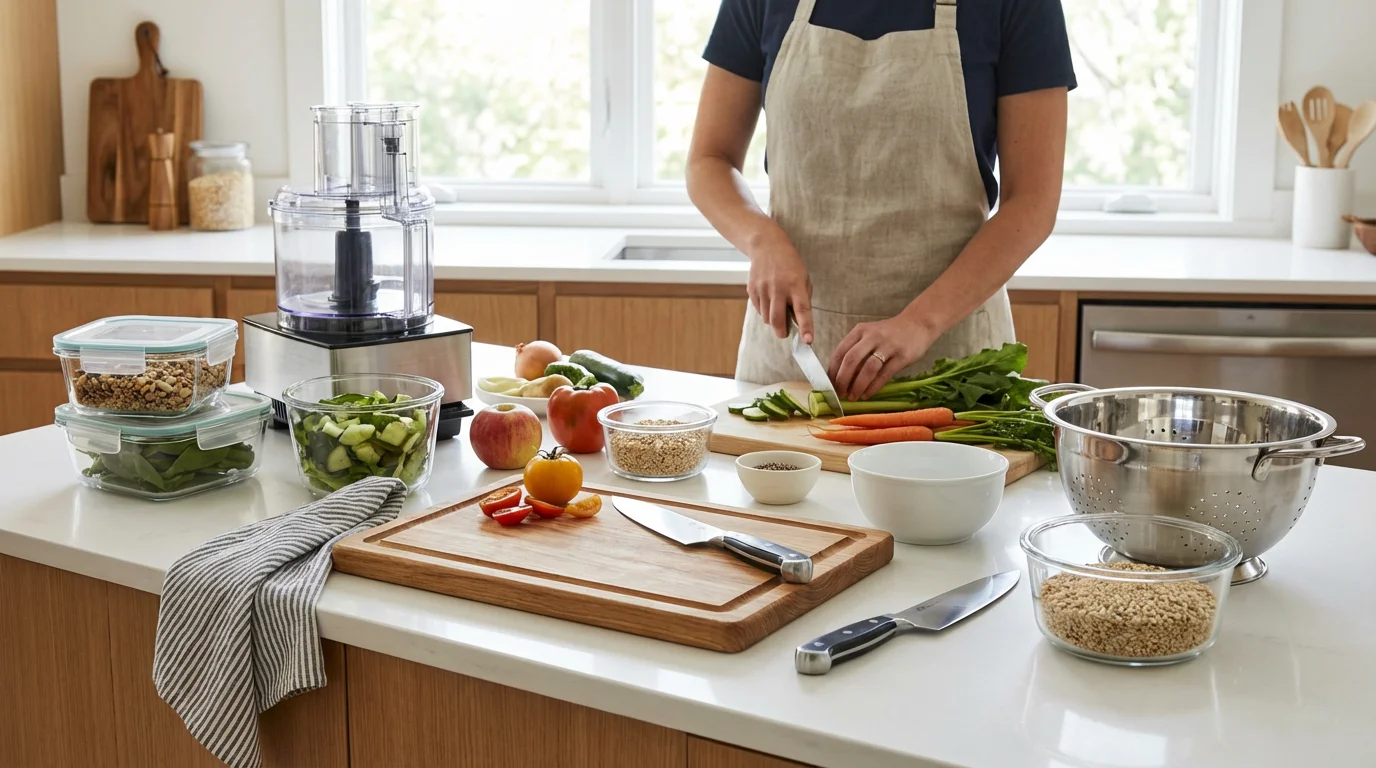
Non-stick surfaces are among the best kitchen tools for meal prep because they simplify the cleanup process for large batches.
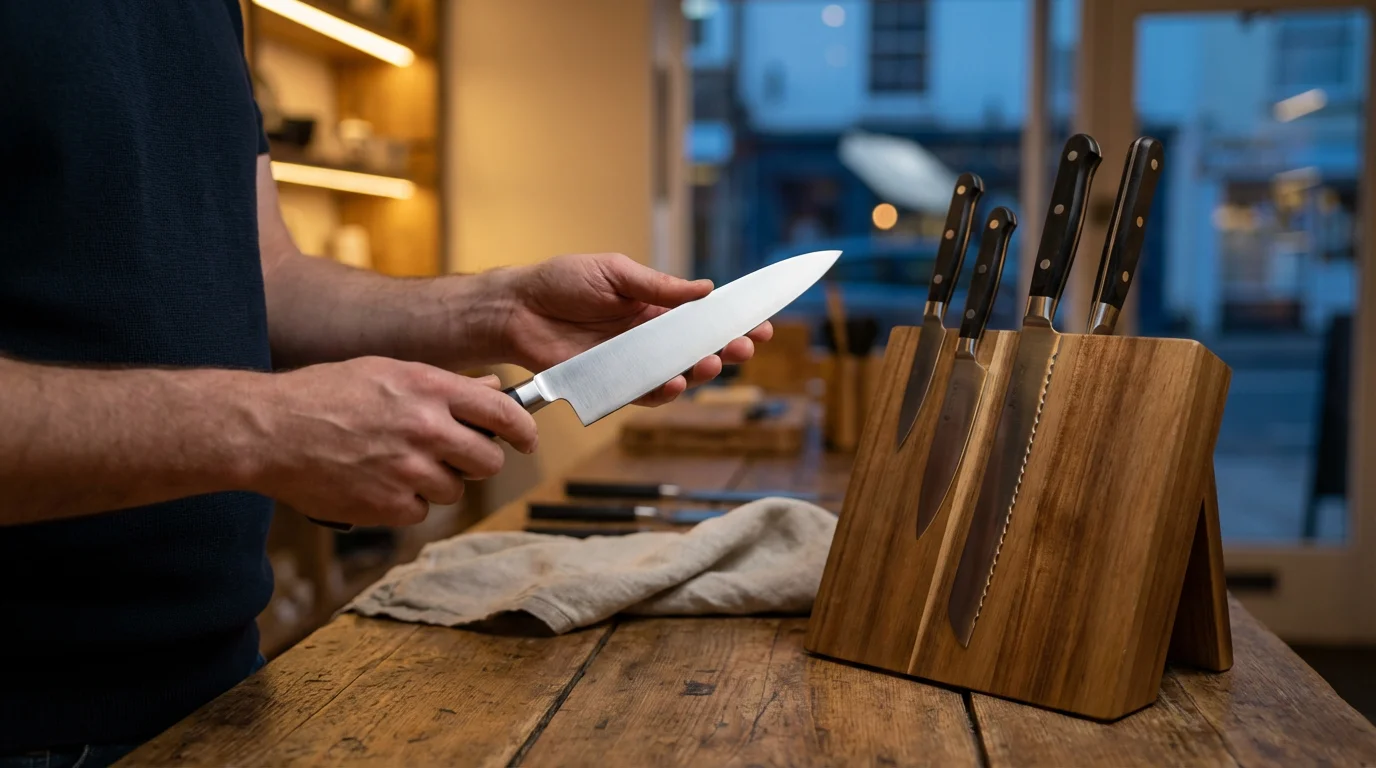
While selecting the right pans is crucial, buying kitchen knives that fit your hand and style is equally important for a functional kitchen.
For more strategies on saving money without sacrificing performance, see our guide on how to build a cookware set on a budget.
Leave a Reply