

Investing in quality kitchen tools transforms your cooking experience. You prepare meals more efficiently, enjoy better results, and avoid the frustration of tools that break, bend, or fail prematurely. However, navigating the vast array of options, from budget-friendly gadgets to high-end professional equipment, overwhelms many home cooks. This guide empowers you to confidently identify well-made, durable kitchen essentials that offer excellent value and performance.
Understanding how to identify high-quality construction is the first step in upgrading your kitchen with tools that offer lasting performance.
You do not need to spend a fortune to equip your kitchen with reliable items. Understanding key quality indicators, material science, and construction methods allows you to make informed decisions. Learn to differentiate between a lasting investment and a disposable novelty. Your kitchen deserves tools that stand the test of time and perform every task with precision.

Understanding Materials: The Foundation of Quality
The material composition of a kitchen tool dictates its durability, performance, and longevity. Do not overlook this fundamental aspect. High-quality materials resist corrosion, wear, and extreme temperatures, ensuring your tools remain functional and safe for years.
When choosing between surface types, it is helpful to weigh the benefits of stainless steel vs non-stick based on your most frequent cooking tasks.
Stainless Steel: Versatility and Durability
For most kitchen utensils, cookware, and appliance components, stainless steel is a gold standard. Look for 18/8 or 18/10 surgical-grade stainless steel. The “18” refers to 18% chromium, which provides corrosion resistance, and the “8” or “10” refers to 8% or 10% nickel, which enhances shine and adds further corrosion resistance. Lower quality stainless steel, like 18/0, contains no nickel, making it less resistant to rust and pitting over time. You will notice high-quality stainless steel feels substantial and exhibits a smooth, polished finish, free from rough edges or blemishes.
Cast Iron: Heat Retention and Longevity
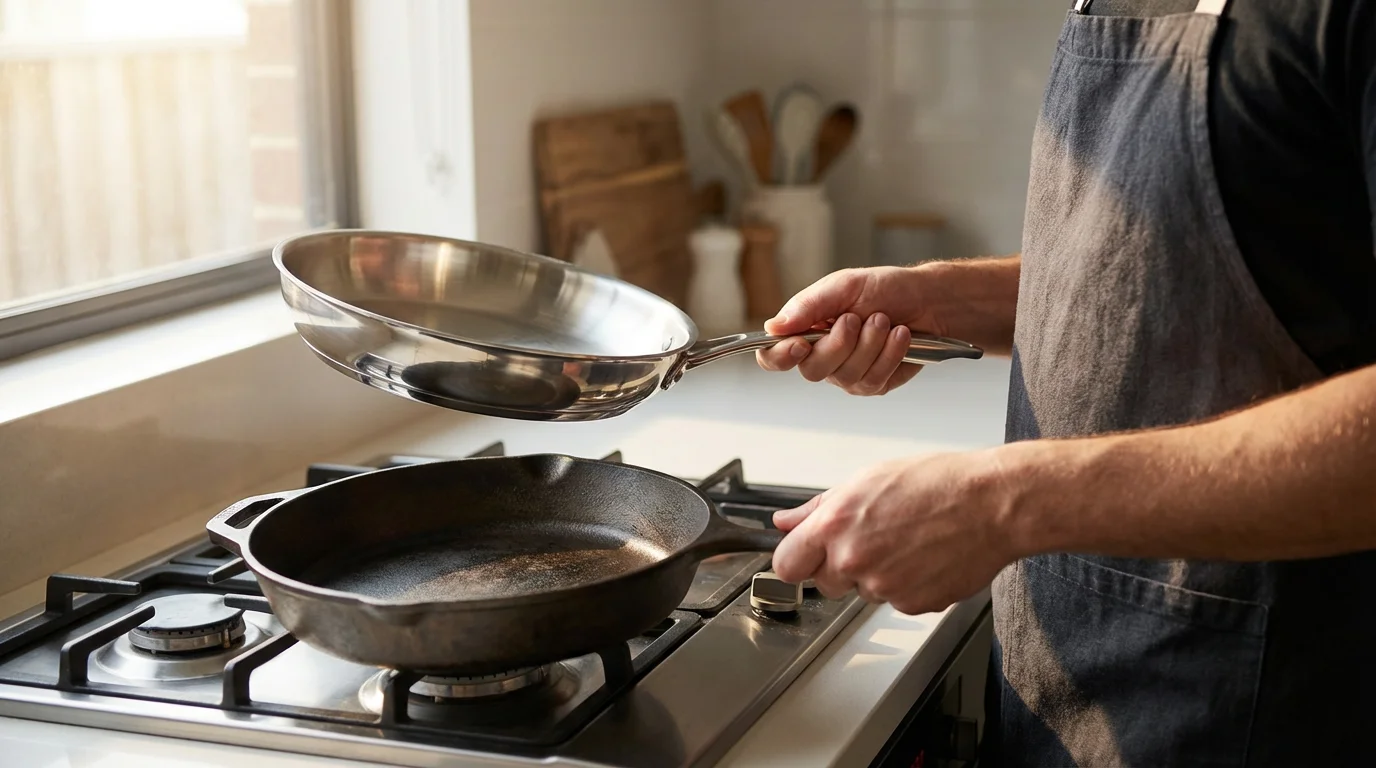
Cast iron cookware excels at heat retention and even heating. Quality cast iron, whether seasoned or enameled, possesses a weighty, solid feel. For traditional cast iron, the surface should be relatively smooth, not overly pebbled, indicating a finer casting process. Enameled cast iron should feature a thick, chip-resistant enamel coating, uniformly applied both inside and out. Inspect for thin spots, bubbles, or cracks in the enamel, as these indicate potential failure points. According to Serious Eats’ equipment reviews, well-maintained cast iron cookware can last for generations, emphasizing the importance of initial material quality.
Nonstick Coatings: Performance and Safety
When selecting nonstick cookware, understand that all nonstick coatings degrade over time. However, higher quality coatings offer better durability and performance. Look for multiple layers of PFOA-free nonstick material, often reinforced with ceramic or titanium particles. These enhancements improve scratch resistance and extend the pan’s lifespan. Avoid pans with thin, flimsy coatings that scratch easily or peel after only a few uses. Always check the manufacturer’s recommendations for safe use and cleaning, as high heat or abrasive scrubbers shorten the life of even the best nonstick surfaces.
Silicone: Flexibility and Heat Resistance
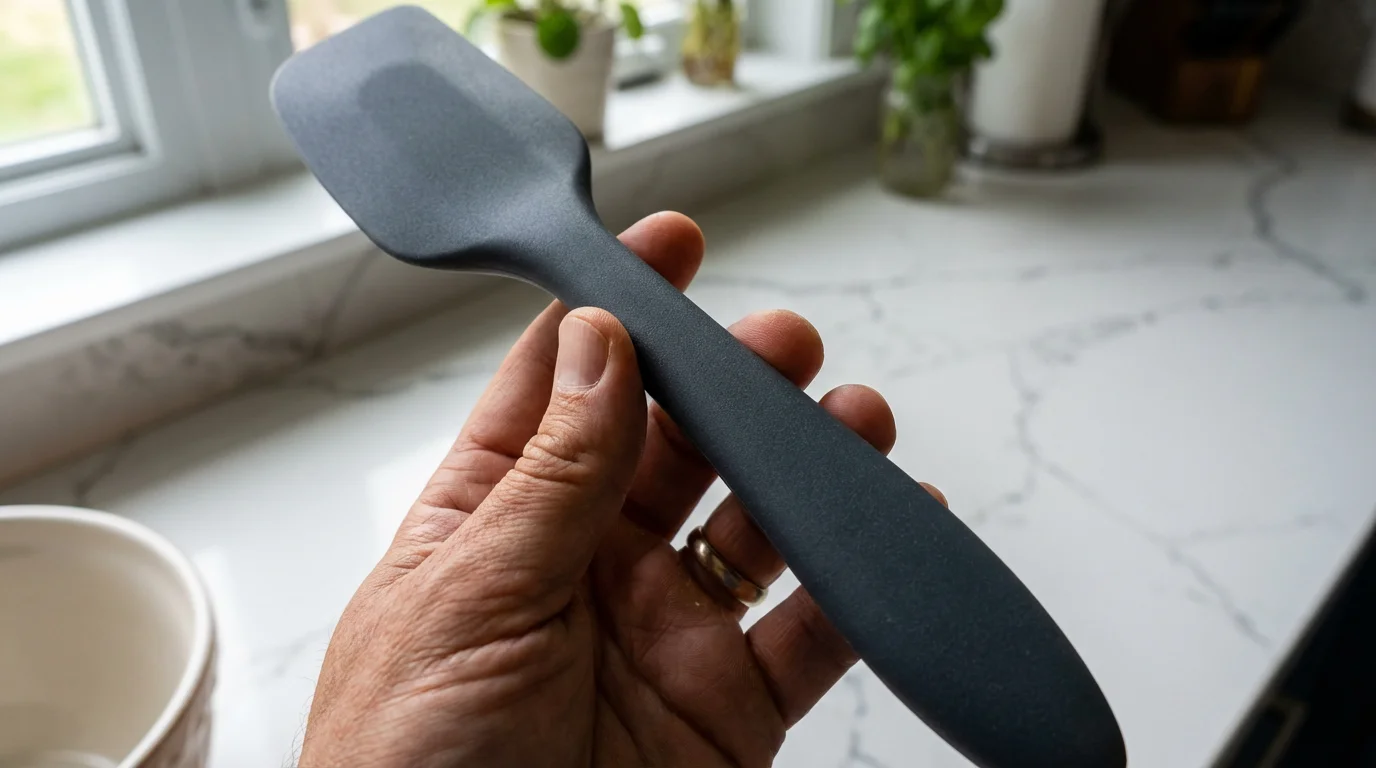
Quality silicone kitchen tools, such as spatulas, baking mats, and oven mitts, offer excellent heat resistance and flexibility. Food-grade silicone should feel soft yet sturdy, not flimsy. It should not have a strong chemical odor. Look for tools with a solid core, often nylon or stainless steel, encased in silicone for added rigidity and durability. This prevents the tool from bending excessively under pressure. Check the temperature rating; high-quality silicone handles temperatures up to 500°F (260°C) or more without melting or warping.
Wood and Bamboo: Natural Appeal and Care
Wood and bamboo offer natural beauty and are gentle on cookware. Quality wooden utensils, cutting boards, and rolling pins should feel smooth, sealed, and free of splinters or rough patches. Look for dense, closed-grain woods like maple, cherry, or olive, which resist absorbing odors and moisture. Bamboo products should be well-glued, without visible seams or gaps. Proper care, including handwashing and occasional oiling, extends the life of these natural materials significantly.
Evaluating Construction and Craftsmanship
Beyond the raw materials, how manufacturers assemble and finish a tool critically impacts its quality. Superior craftsmanship means attention to detail, secure fastenings, and a thoughtful design that prevents premature wear and tear.
Recognizing signs of quality allows you to build a cookware set on a budget by investing in durable individual pieces over time.
Secure Fastenings and Joints
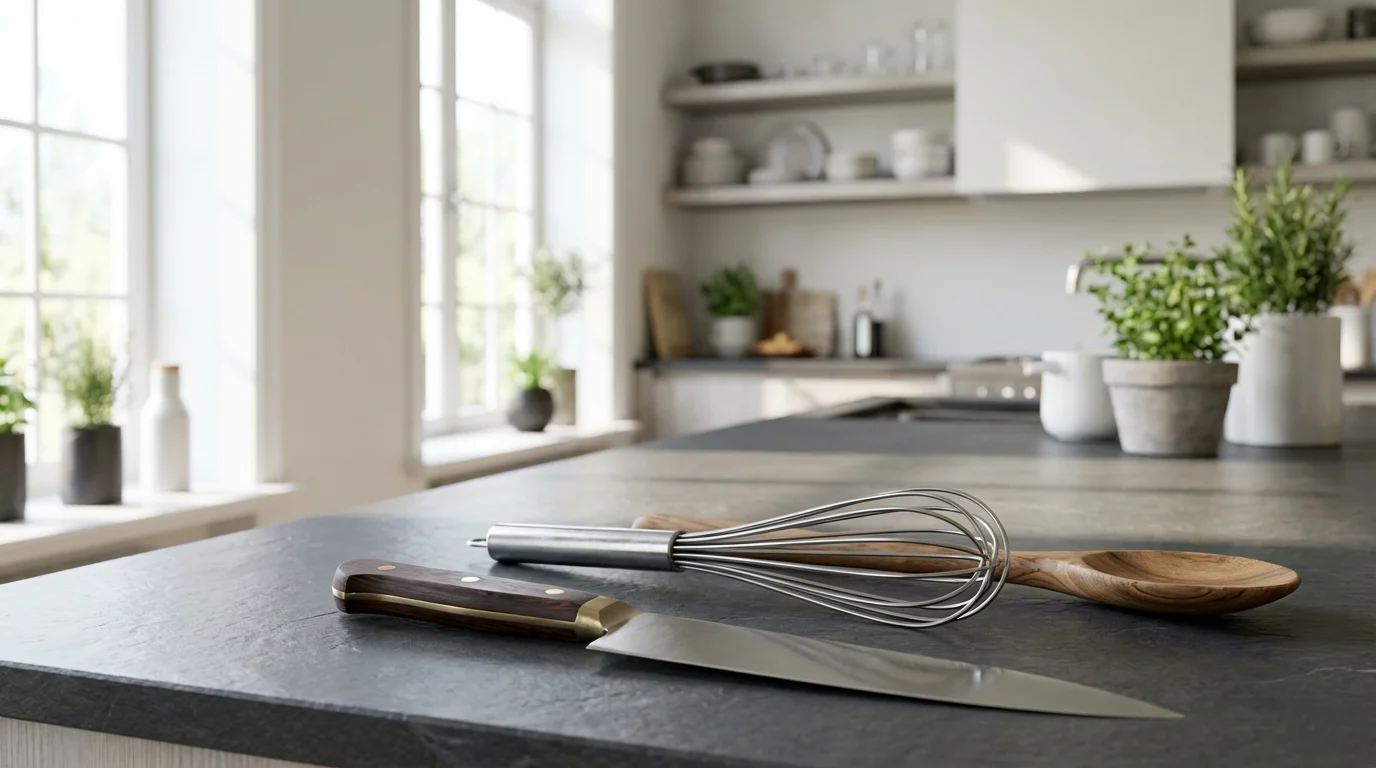
Inspect how different parts of a tool connect. Handles on pots, pans, and utensils should be riveted, welded, or securely bolted, not simply glued or friction-fitted. Rivets should be flush and smooth on both sides, indicating a strong bond without snagging points. Welds should appear clean and seamless. For items like whisks or tongs, ensure the individual components connect firmly without excessive play or wobbling. A loose handle or joint signifies a weak point prone to failure.
Weight and Balance
Quality kitchen tools often possess a noticeable weight. This weight typically correlates with thicker, more durable materials. A cheap, flimsy feel usually indicates thin, low-grade components that bend or break easily. However, balance is equally important. A well-balanced knife feels like an extension of your hand, not top-heavy or handle-heavy. A sturdy spatula or ladle feels substantial enough to handle heavy tasks without feeling unwieldy. Pick up the tool and assess its feel; it should feel comfortable and robust in your grip.
Finishing and Edges
Run your fingers along the edges and surfaces of the tool. Quality items feature smooth, polished finishes with no sharp burrs, rough seams, or unfinished areas. This not only indicates superior manufacturing but also improves safety and makes cleaning easier. Poor finishing often appears on cheaper tools and suggests a lack of attention to detail that could extend to the internal components. For example, a quality peeler has a smooth swivel and sharp blade, not a rough, sticky mechanism.
Ergonomics and Design: Comfort Meets Efficiency
An often-overlooked aspect of quality is how a tool feels and functions in your hand. Good ergonomics and thoughtful design reduce fatigue, improve safety, and make cooking more enjoyable. You want tools that work with you, not against you.
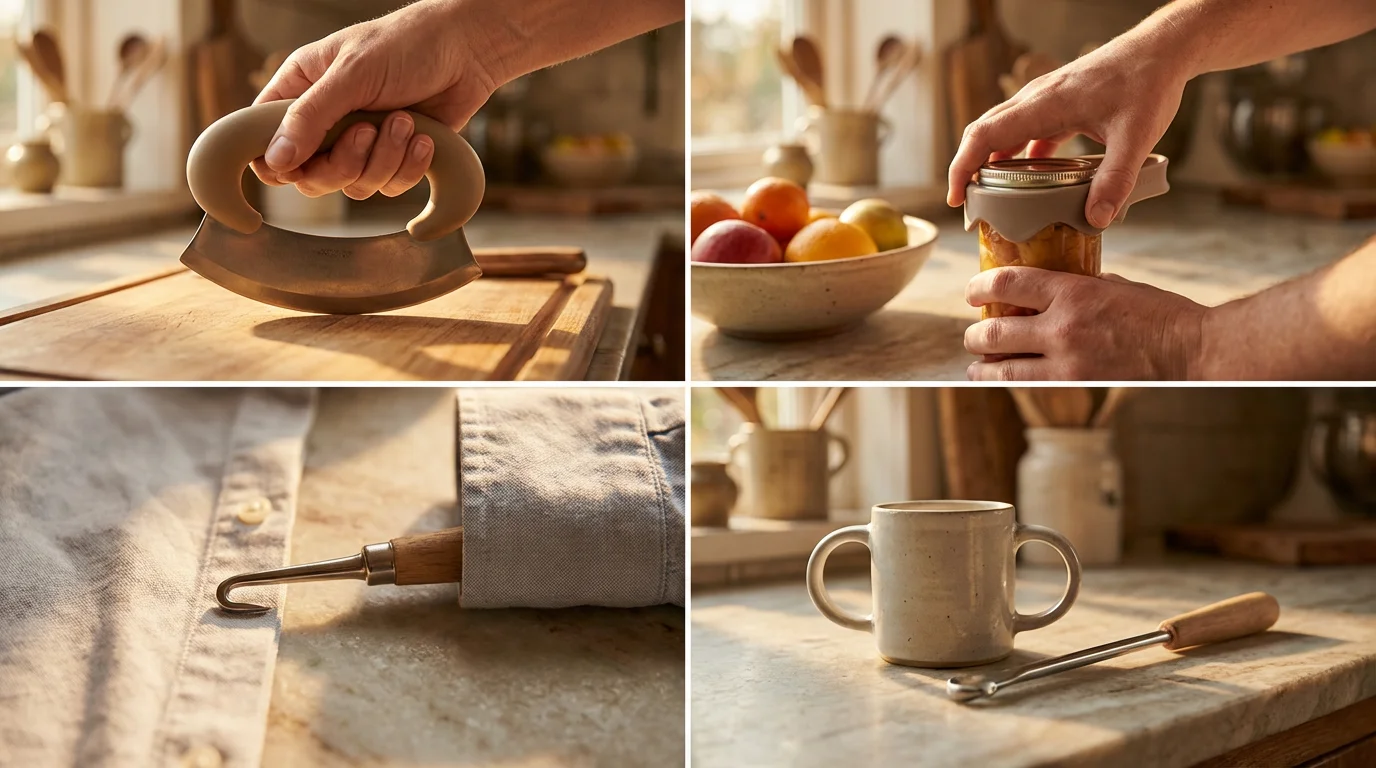
High-quality ergonomic design is a critical factor when selecting the best kitchen tools for seniors and those with limited hand strength.
Comfortable Grip and Handle Design
The handle of any kitchen tool should fit comfortably in your hand, offering a secure grip. Handles made from silicone, heat-resistant plastic, or textured wood provide better purchase than slick metal or poorly finished wood. Consider the size and shape of the handle relative to your hand. A handle that is too thin or too bulky leads to discomfort during prolonged use. Look for handles that stay cool to the touch when the working end of the tool is hot, a critical feature for stovetop utensils and cookware.
Intuitive Functionality
Quality design means a tool performs its intended function effectively and efficiently. A can opener should grip the can securely and cut smoothly without excessive force. Tongs should spring back reliably and offer a firm grasp. A whisk should have wires spaced and sized appropriately for efficient aeration. Avoid tools with overly complicated mechanisms or unnecessary features that complicate simple tasks. Simplicity often correlates with robust design and fewer points of failure.
“Do not buy the ‘best’ product. Buy the best product for how YOU cook. Assess your needs, then find the tool that meets those specific requirements for quality and function.” — QuickKitchenTools.com Advisor

Beyond the Initial Look: Brand Reputation and Warranties
While physical inspection reveals much about a tool’s quality, considering the manufacturer’s reputation and warranty provides an extra layer of assurance. These factors speak to a company’s confidence in its products and commitment to customer satisfaction.
Reputable Brands: A Track Record of Quality
Established brands often have a reputation for consistent quality, backed by years of manufacturing expertise and customer feedback. While you sometimes find hidden gems from lesser-known companies, sticking with recognized names in kitchenware reduces your risk. These brands typically invest more in research, development, and quality control. Review independent tests and consumer feedback from sources like Consumer Reports or Wirecutter, as they provide unbiased assessments of performance and durability across various products.
Understanding Warranties and Customer Service
A strong warranty indicates a manufacturer’s belief in its product’s longevity. Lifetime warranties, while not always truly “lifetime” in practice, usually cover manufacturing defects for an extended period. Shorter warranties, such as 1-5 years, are common for small appliances and electronics. Always read the warranty terms carefully to understand what it covers, what it excludes, and the process for making a claim. Excellent customer service from a manufacturer provides reassurance that if an issue arises, you will receive support and resolution.
Warranty: A manufacturer’s promise to repair or replace defective products within a specified period, often reflecting their confidence in the item’s quality.
Quality in Specific Tool Categories
While general principles apply, specific considerations arise when evaluating different types of kitchen tools. Focus on these particular quality indicators for key categories.
If you are starting your collection, our guide to buying kitchen knives focuses on identifying the essential blades every home cook needs.
Cookware: Spotting Quality
Your pots and pans are the workhorses of your kitchen. High-quality cookware distributes heat evenly, withstands high temperatures, and resists warping.
- Material Thickness: Thicker gauge metal in stainless steel or aluminum pans means better heat distribution and resistance to warping. Avoid flimsy, lightweight pans.
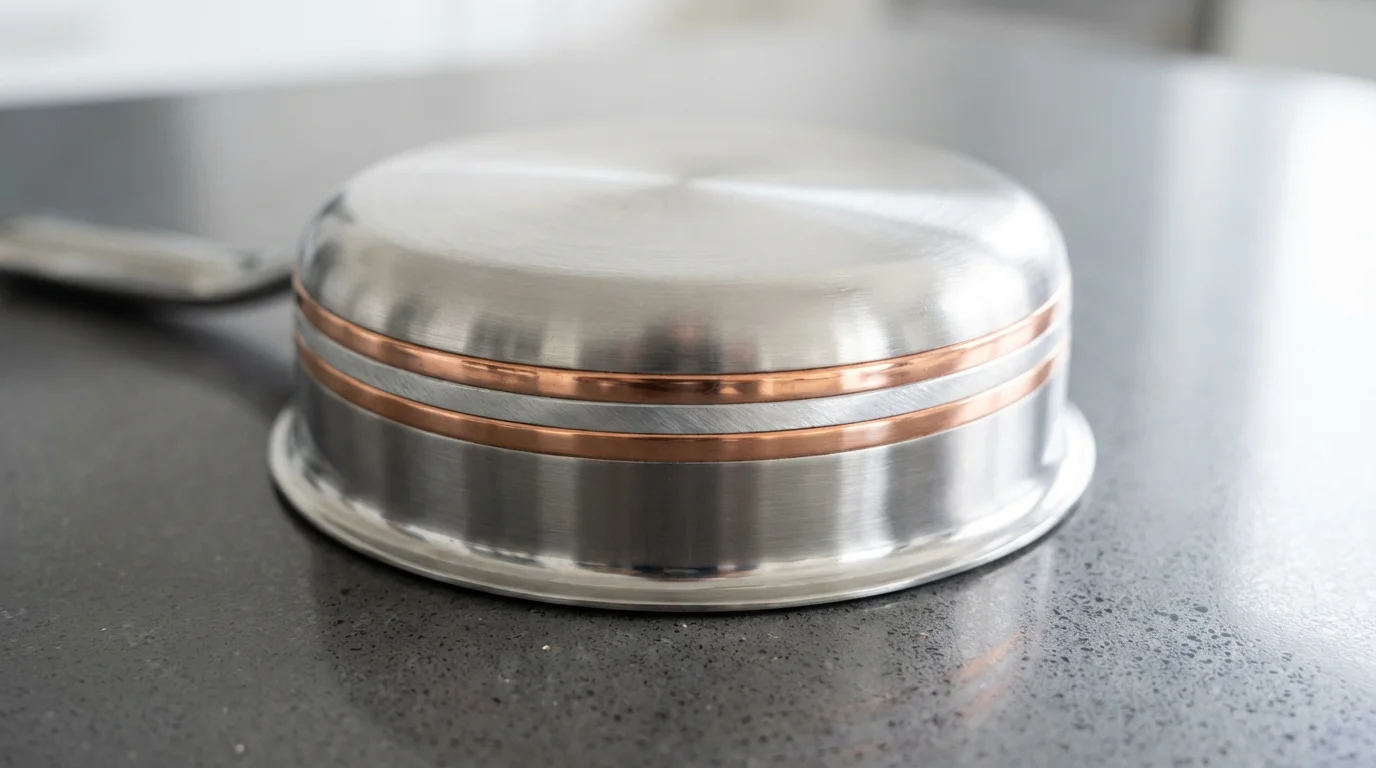
- Clad Construction: For stainless steel, look for “tri-ply” or “5-ply” clad construction. This involves layers of aluminum or copper sandwiched between stainless steel, providing superior heat conductivity and even cooking. A fully clad pan extends these layers up the sides, not just on the base.
- Base Design: Flat, heavy bases are crucial for stability and efficient heat transfer, especially on induction cooktops. Warped bases lead to uneven heating.
- Handle Attachment: As mentioned, securely riveted or welded handles are paramount.
- Induction Compatibility: If you have or plan to get an induction cooktop, ensure your cookware is induction compatible, usually indicated by a symbol on the bottom or in the product specs.
Here is a comparison table for common cookware materials:
| Material Type | Key Quality Indicators | Pros | Cons |
|---|---|---|---|
| Stainless Steel (Clad) | Multi-ply layers (3-5+), magnetic base, securely riveted handles. | Excellent durability, even heating, non-reactive, versatile. | Can stick without proper technique, often higher upfront cost. |
| Cast Iron (Seasoned) | Smooth, fine casting, pre-seasoned finish, solid weight. | Superior heat retention, natural nonstick with seasoning, lasts generations. | Requires specific care, heavy, can rust if not maintained. |
| Enameled Cast Iron | Thick, chip-resistant, uniform enamel coating; heavy, solid construction. | Non-reactive, versatile, attractive, easy to clean. | Very heavy, susceptible to chipping if dropped or overheated, expensive. |
| Hard-Anodized Aluminum | Thick, dark grey/black finish, heavy gauge aluminum, often nonstick. | Good heat conductivity, durable exterior, often includes nonstick. | Not induction compatible unless specified, interior nonstick degrades. |
| Copper (Lined) | Thick copper exterior, tin or stainless steel lining, heavy. | Exceptional heat control and responsiveness, beautiful. | Very expensive, high maintenance, tin lining wears out. |

Knives: The Essential Cut
A good knife is an extension of your hand. Focus on blade material, construction, and balance.
Blade Material: Sharpness and Edge Retention
High-carbon stainless steel offers a good balance of sharpness, edge retention, and corrosion resistance. German steel (e.g., X50CrMoV15) and Japanese steel (e.g., VG-10, AUS-8) are common indicators of quality. A higher carbon content generally means a harder blade that holds an edge longer but can be more brittle. Inspect the blade for any visible imperfections, nicks, or uneven grinding lines, which indicate poor manufacturing.
Full Tang Construction
For chef’s knives and other full-size knives, look for a “full tang.” This means the blade extends in one continuous piece through the entire length of the handle. You often see it sandwiched between two handle scales secured with rivets. A full tang provides superior balance, strength, and durability, preventing the blade from separating from the handle. Avoid knives with partial tangs, where the blade stops halfway into the handle, as these are significantly weaker.
Full Tang: A knife construction where the blade extends as a single piece of metal through the entire length of the handle, offering superior strength and balance.
Bolster and Heel
A well-defined bolster, the thick junction between the blade and the handle, protects your fingers and adds balance. It should transition smoothly from the blade to the handle. The heel of the blade should be sharp and usable for fine cutting tasks. Look for precision in these areas.
Small Appliances: Power and Precision
Small appliances require a different set of quality checks, focusing on motor strength, material durability, and user interface.
Motor and Power (Specs)
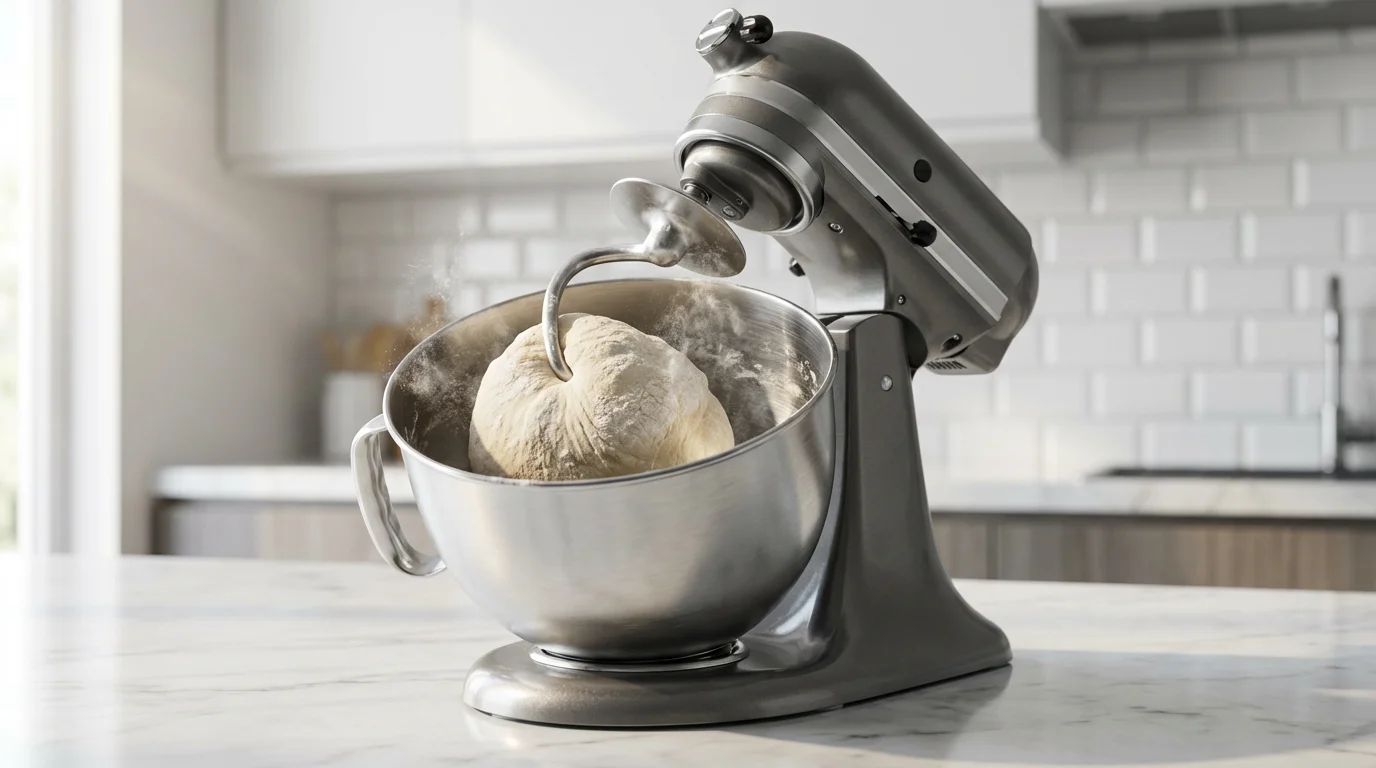
For blenders, food processors, and stand mixers, the motor’s wattage provides a key indicator of power and durability. Higher wattage generally means the appliance handles tougher tasks, such as crushing ice or kneading dough, without straining or overheating. For blenders, look for 1000 watts or more for serious blending. Stand mixers benefit from powerful DC motors. Do not simply equate higher wattage with better quality, but consider it alongside robust construction. Always check the machine’s “specs,” or specifications, which detail these technical capabilities.
Specs: Short for specifications, these are the technical details of a product, such as wattage, capacity, material type, and dimensions.
Construction and Housing
Inspect the housing of the appliance. Is it made of durable, impact-resistant plastic or sturdy metal? Avoid flimsy plastics that crack or scratch easily. Buttons and dials should feel solid, not wobbly, and operate smoothly. Cords should be thick and securely attached. Look for non-slip feet to ensure stability during operation. According to Good Housekeeping’s appliance reviews, well-built small appliances feature seamless construction and robust components designed for repetitive use.
Capacity and Footprint
Consider the appliance’s “capacity,” or how much it can hold or process at once, and its “footprint,” which is how much counter or storage space it occupies. A quality appliance offers appropriate capacity for your needs without an unnecessarily large footprint. For example, a quality 12-cup food processor should have a motor powerful enough to handle that volume effectively.
Capacity: How much a product can hold or process at once.
Footprint: How much counter or storage space a product occupies.
Ease of Cleaning and Maintenance
Quality appliances prioritize ease of use and cleaning. Removable parts should detach and reattach easily. Dishwasher-safe components are a plus. Avoid appliances with intricate crevices where food can get trapped and become difficult to clean.

Common Buying Mistakes to Avoid
Even with good intentions, buyers make common errors that lead to dissatisfaction. Avoid these pitfalls to ensure you select truly quality tools.
- Buying Based Solely on Price: A low price often reflects low quality materials and poor construction. While budget picks exist, excessively cheap tools rarely offer long-term value. Conversely, an exorbitant price does not always guarantee superior quality.
- Ignoring Ergonomics: A tool might look great, but if it feels awkward or uncomfortable in your hand, you will not use it. Always prioritize how a tool feels and functions for you personally.
- Falling for Gimmicks: Be wary of tools with excessive, unnecessary features. Often, these add complexity without improving core functionality and introduce more points of potential failure. Simple, well-designed tools often perform best.
- Not Checking Reviews (Carefully): While online reviews offer insight, discern between genuine, detailed reviews and generic, unhelpful ones. Look for common themes regarding durability, specific material issues, or customer service.
- Neglecting Warranty Information: A short or non-existent warranty raises a red flag about the manufacturer’s confidence in their product.
Making Your Final Decision: A Checklist
Before you commit to a purchase, use this checklist to ensure you are selecting a quality kitchen tool that meets your needs.
This quality checklist is also an excellent resource for anyone building a kitchen registry guide for new couples to ensure lifelong utility.
- Evaluate Materials: Is the primary material appropriate and high-grade (e.g., 18/10 stainless steel, full tang high-carbon steel, thick enamel)?
- Assess Construction: Are all joints, fastenings, and welds secure? Are there any rough edges or imperfections?
- Test Ergonomics: Does the tool feel comfortable and balanced in your hand? Is it easy to grip and use?
- Consider Design: Does the tool effectively perform its intended function? Is it intuitive and easy to clean?
- Research Brand and Reviews: Does the brand have a good reputation? Do independent reviews confirm its durability and performance?
- Check Warranty: Does the manufacturer offer a reasonable warranty, providing peace of mind?
- Match to Your Needs: Does the tool’s size, capacity, and features align with your specific cooking habits and kitchen space?
By diligently applying these quality indicators, you move beyond mere aesthetics or price tags. You gain the power to select kitchen tools that genuinely enhance your culinary journey, offering durability, efficiency, and lasting satisfaction. Equip your kitchen with confidence, knowing you have chosen wisely.
Frequently Asked Questions
What is the most important factor when judging kitchen tool quality?
The most important factor is the material composition, followed closely by construction quality. Durable, food-safe materials like high-grade stainless steel, thick cast iron, or robust high-carbon steel for knives form the foundation. Strong, secure fastenings and a flawless finish then ensure these materials perform as intended and last for years without failing.
Does a higher price always mean better quality?
No, a higher price does not automatically guarantee superior quality. While premium materials and meticulous craftsmanship often come at a higher cost, some brands inflate prices based on marketing or perceived prestige. Always evaluate a tool based on its materials, construction, ergonomics, and independent reviews rather than relying solely on the price tag.
How can I tell if a nonstick pan is good quality?
Look for nonstick pans with multiple layers of PFOA-free coating, often reinforced with ceramic or titanium, which improve durability and scratch resistance. The pan itself should have a substantial weight, indicating a thicker base and sides that resist warping and distribute heat evenly. Avoid thin, lightweight pans with flimsy coatings, as these degrade quickly.
What does “full tang” mean for a knife, and why is it important?
“Full tang” means the knife blade extends in one continuous piece of metal through the entire length of the handle. This construction method provides superior strength, balance, and durability for the knife, preventing the blade from separating from the handle over time. It is a critical indicator of a high-quality, long-lasting knife.
Should I prioritize professional brands for home kitchen tools?
Professional brands often offer excellent quality, but they sometimes feature industrial-level robustness and price points unnecessary for most home cooks. Many consumer-focused brands produce high-quality, durable tools perfectly suited for home use at more accessible prices. Balance brand reputation with your specific needs and budget, using the quality indicators discussed in this guide.
Disclaimer: Product prices, features, and availability change frequently. Prices shown were accurate at time of writing but may have changed. We may earn a small commission from purchases made through links on this site, at no extra cost to you. Always verify current pricing and specifications on the retailer’s website before purchasing.





Leave a Reply