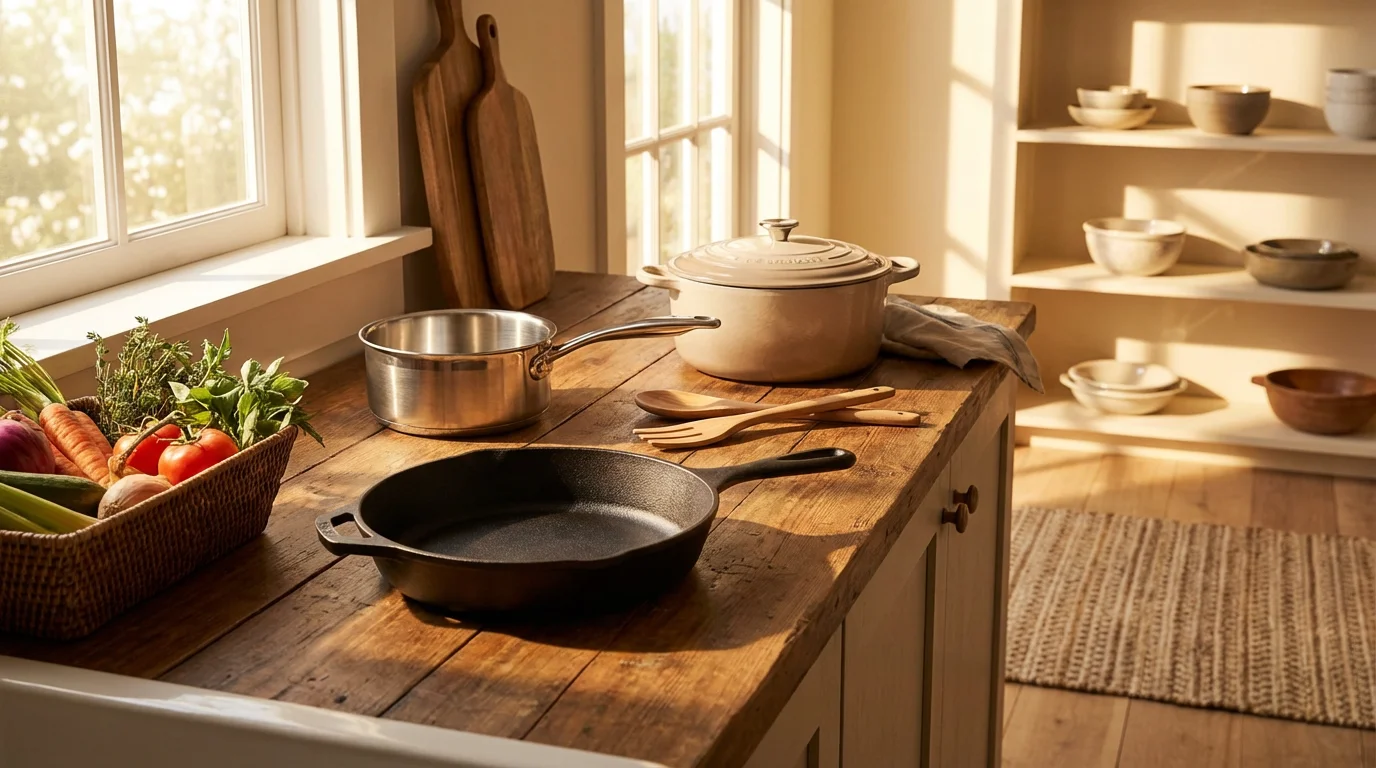
Building a functional, durable cookware set does not require a large investment. Many home cooks feel overwhelmed by the sheer number of options and the high prices of premium brands. You can achieve excellent cooking results with affordable pots and pans, provided you make informed choices. This guide helps you navigate the options, focusing on value and performance, ensuring you build an effective kitchen arsenal without draining your wallet. We empower you to make confident purchasing decisions for your specific needs, emphasizing smart choices over expensive impulse buys.
Understanding Your Cookware Needs and Priorities
Before you buy anything, assess your current cooking habits and future aspirations. Do you primarily cook for one or two people, or do you regularly feed a family? Do you bake frequently, or do you mostly pan-fry and sauté? Understanding your specific needs prevents overspending on items you rarely use. Consider the types of dishes you prepare most often. A busy weeknight cook has different requirements than someone who enjoys elaborate weekend projects. This initial evaluation guides your choices, focusing your budget on the pieces that deliver the most value for you.
When considering `cookware set` options, think about the stove type you use. Induction cooktops require magnetic cookware, typically stainless steel or cast iron. Gas and electric coil stoves accommodate almost any material. Prioritizing your needs helps you avoid unnecessary purchases and truly build a `budget cookware` collection that serves you well.
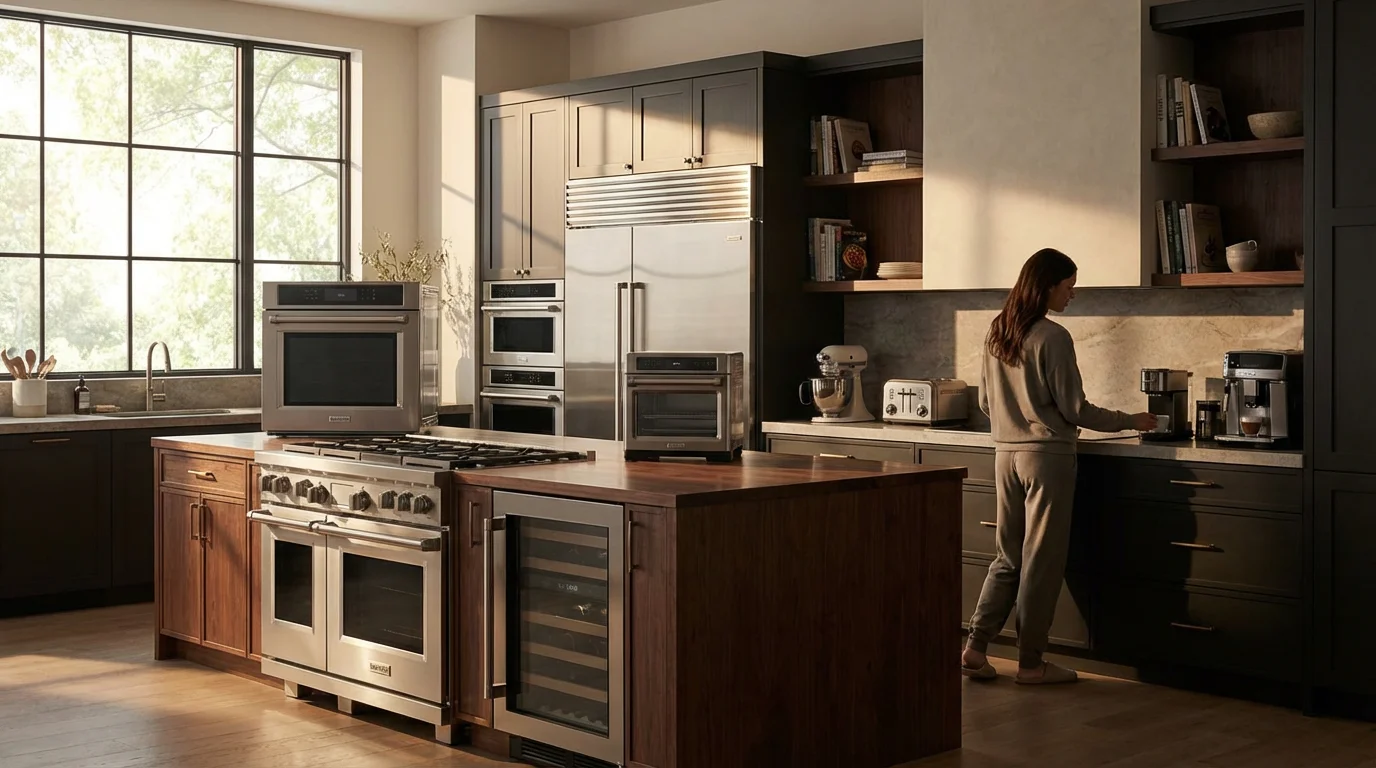
Determining what size kitchen appliances you need is also a great starting point for understanding the scale of the cookware required for your home.
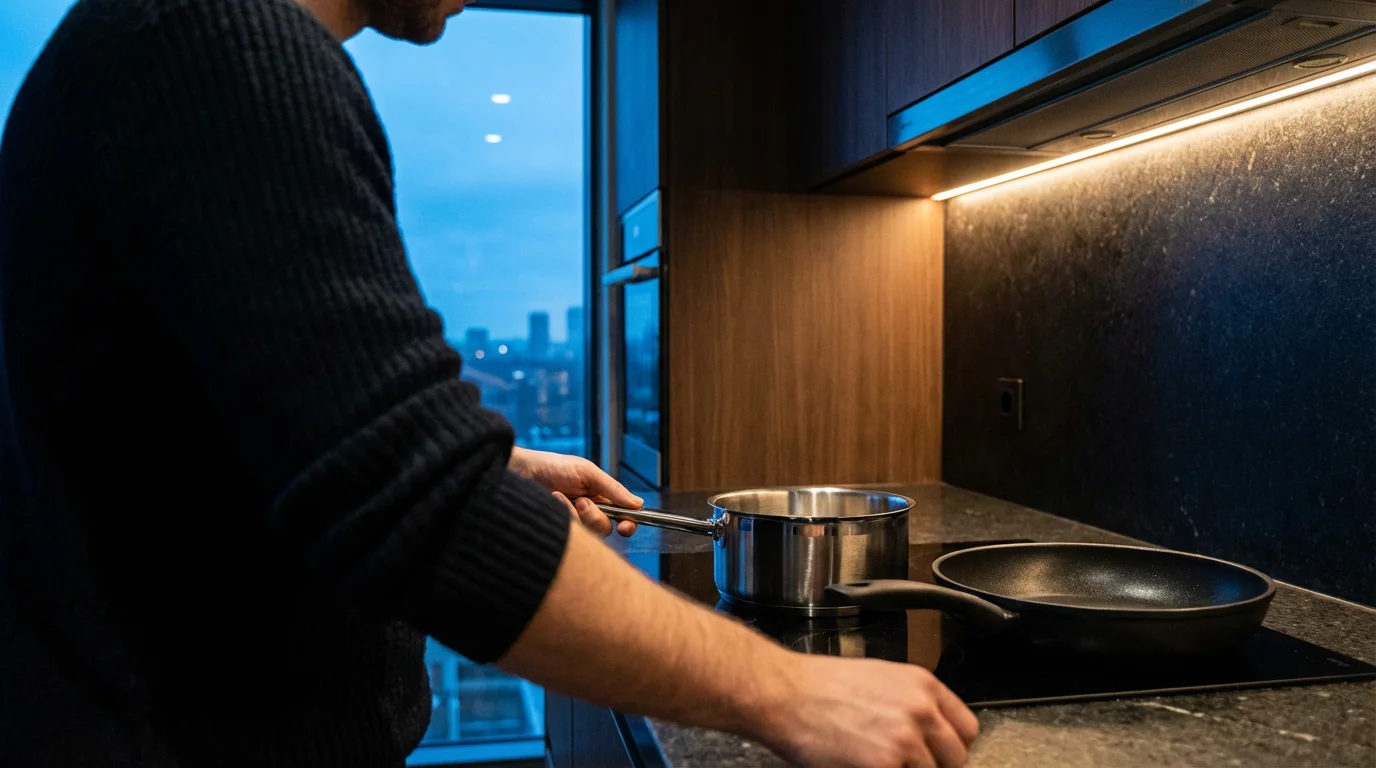
The Essential Pieces for Your Budget Cookware Set
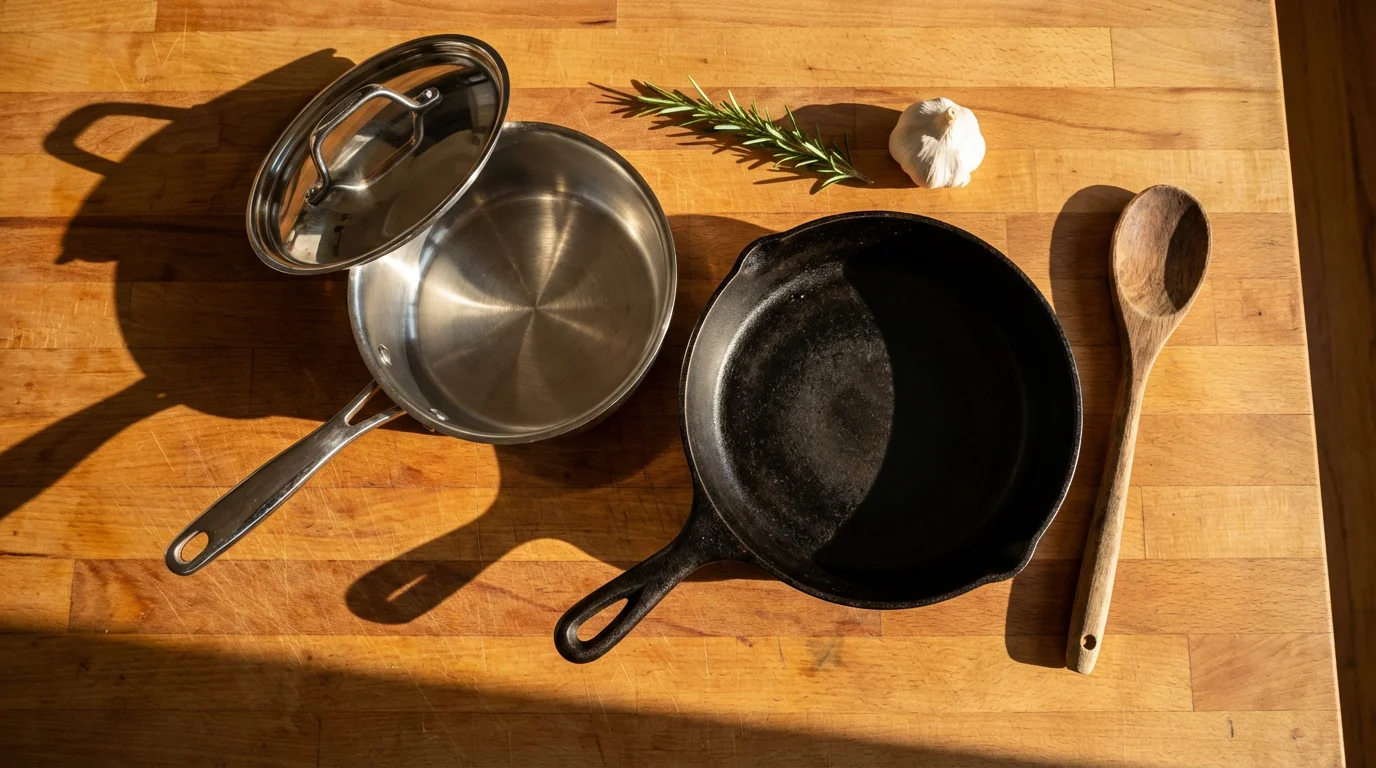
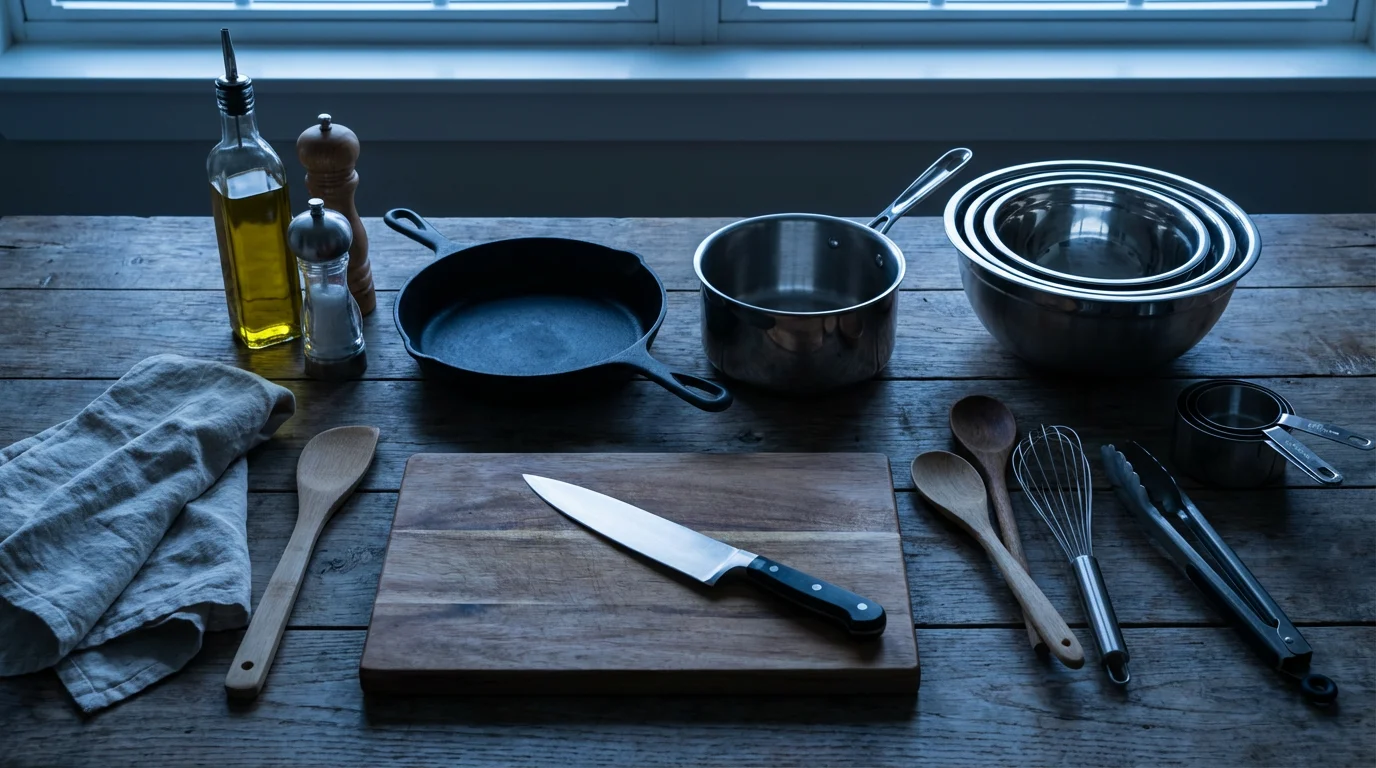
Many complete `cookware set` options come with numerous pieces you might not use. Building a set piece by piece allows you to focus your `budget cookware` investment on the truly essential items, saving money and storage space. You can start with these core components and expand as your needs evolve:
- 10-inch Frying Pan or Skillet: This is your workhorse for eggs, searing meats, sautéing vegetables, and general frying. A nonstick option offers convenience for delicate foods, while stainless steel handles higher heat and provides better browning.
- 3-quart Saucepan with Lid: Ideal for cooking grains, heating sauces, boiling vegetables, and making smaller batches of soup. A tight-fitting lid is crucial for simmering and retaining moisture.
- 6-quart Stockpot with Lid: Essential for pasta, larger batches of soup, chili, and blanching vegetables. This larger `capacity` pot becomes indispensable for family meals or meal prepping.
- Cast Iron Skillet (optional but highly recommended): A well-seasoned cast iron skillet offers superior heat retention and distribution, making it excellent for searing steaks, frying chicken, and even baking cornbread. You can often find these for a very `budget pick` price point and they last forever.
If you’re setting up a new home, comparing these pieces with a broader list of first kitchen essentials can ensure you have a complete and functional workspace.
This minimalist approach ensures you cover the most common cooking tasks without accumulating clutter or exceeding your `affordable pots pans` budget. As you cook more, you can strategically add specialized pieces like a smaller saucepan, a wok, or an oven-safe casserole dish.
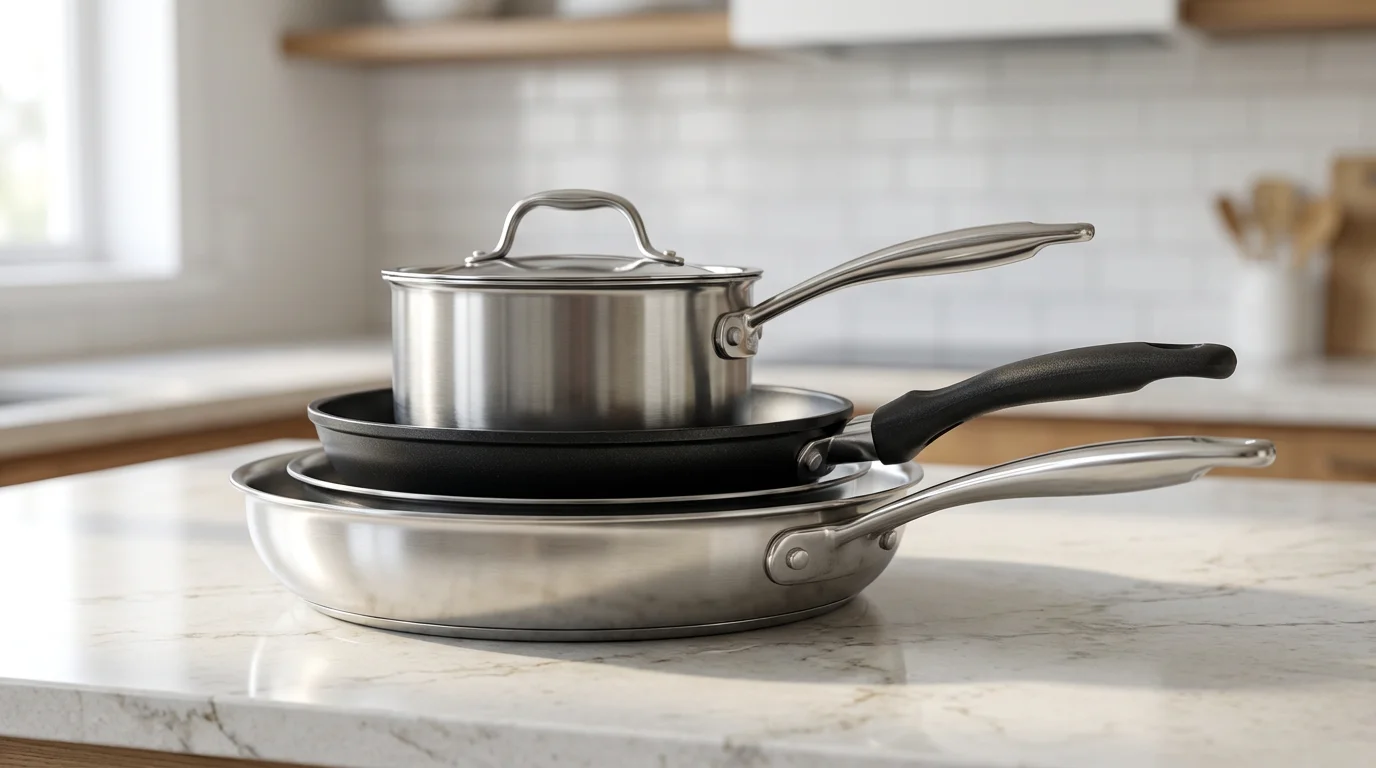
Budget Cookware Material Breakdown: Pros, Cons, and Cost
The material of your `cookware set` significantly impacts its performance, durability, and price. Understanding the trade-offs helps you choose wisely when building your `budget cookware` collection.
Stainless Steel
For a deeper comparison of these two popular surfaces, read our full breakdown of stainless steel vs non-stick to determine which belongs in your cabinet.
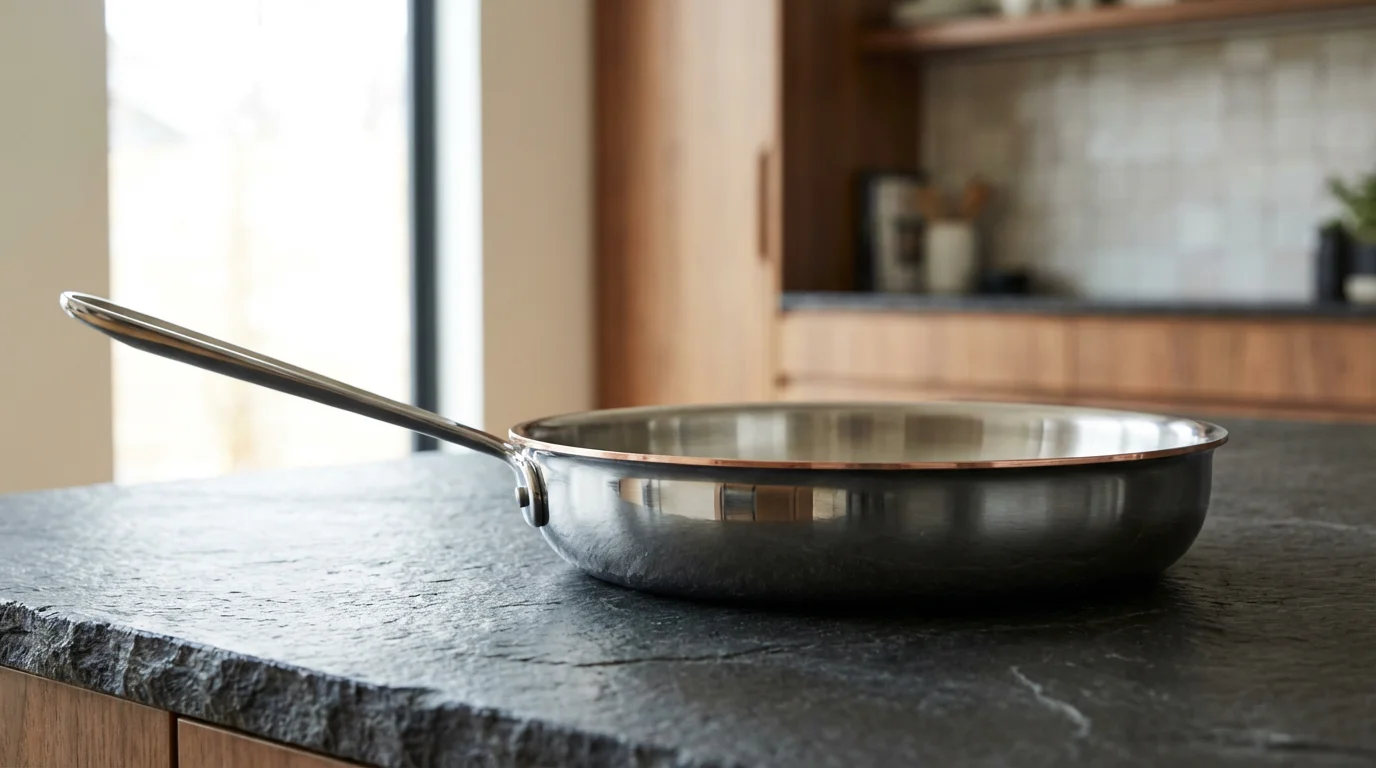
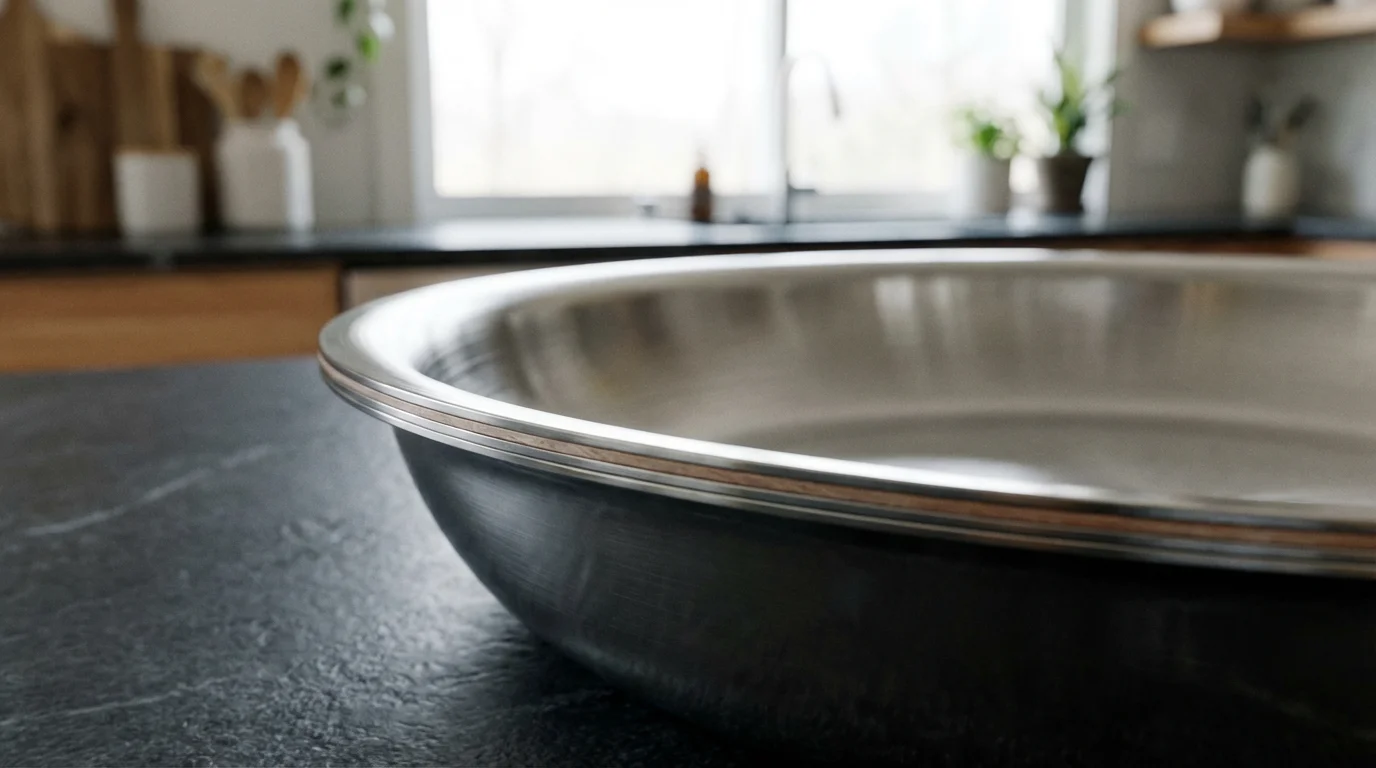
Stainless steel is a durable, non-reactive material known for its versatility. It handles high heat well and is suitable for searing, browning, and deglazing. Many stainless steel pans feature an aluminum or copper core sandwiched between layers of stainless steel, a design referred to as “clad” or “tri-ply.” This layering improves heat conductivity, preventing hot spots and ensuring even cooking. While 18/8 or 18/10 grades indicate the chromium and nickel content, which relates to rust resistance and shine, the construction quality, particularly the thickness of the core, dictates performance. Budget stainless steel options might use thinner layers or disc-bottoms, where only the base is clad.
Learning how to spot quality kitchen tools ensures that even your budget purchases will stand the test of time.
- Pros: Highly durable, non-reactive, oven-safe, dishwasher-safe (check manufacturer `specs`), generally lasts for decades.
- Cons: Can stick if not properly preheated, not as naturally nonstick as other options, generally requires more oil/fat.
- Cost: Mid-range for good quality, but `budget pick` options are plentiful for disc-bottom or thinner clad designs. Expect to spend $30-$70 for a good 10-inch skillet.
For those prioritizing longevity and versatility, stainless steel offers excellent value. According to Consumer Reports, a well-made stainless steel pan can be a workhorse in any kitchen, offering reliability for years.
Nonstick (PTFE/Teflon)
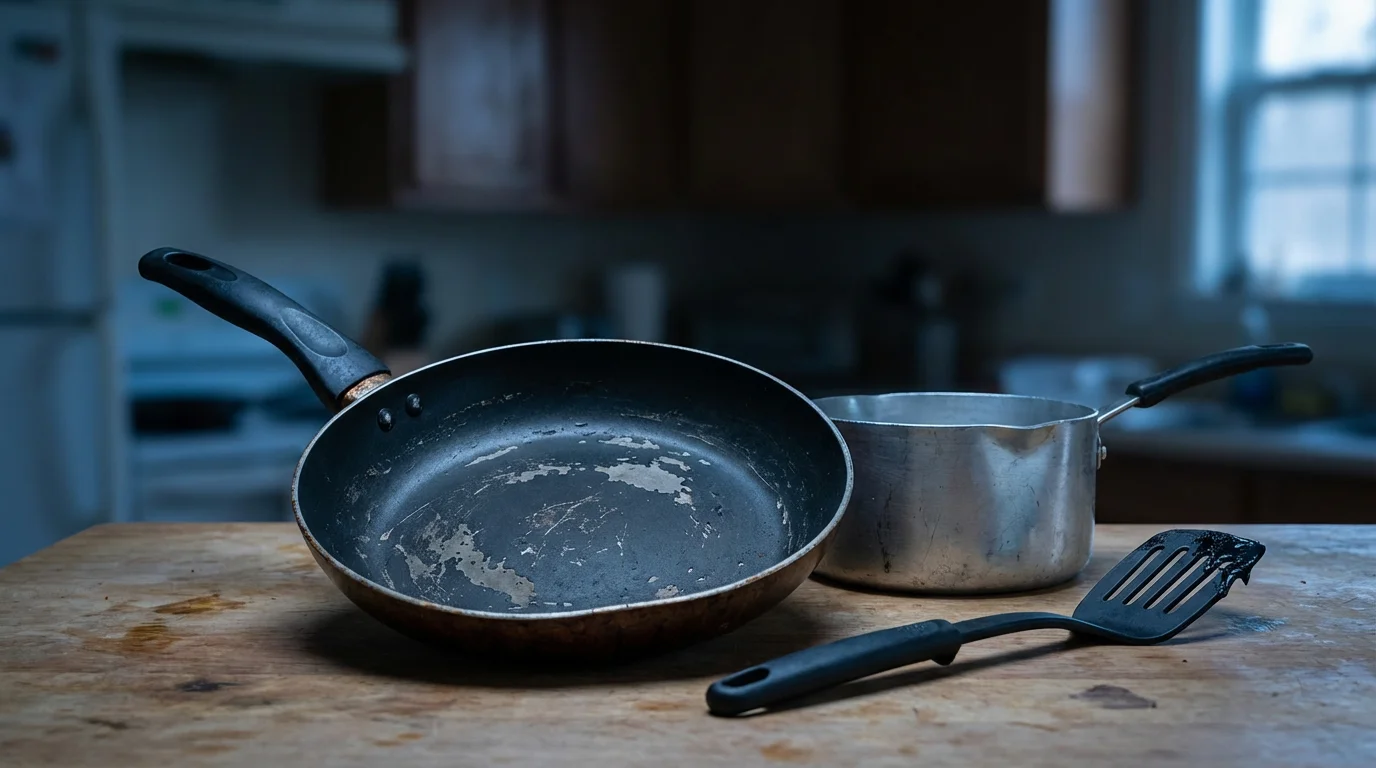
Nonstick coatings, typically made from PTFE (polytetrafluoroethylene), prevent food from sticking, making them ideal for delicate foods like eggs, pancakes, and fish. They are easy to clean and require less oil or fat for cooking. However, nonstick coatings are less durable than other materials. High heat or metal utensils can damage the surface, reducing its lifespan. Ceramic nonstick, a newer alternative, boasts higher heat tolerance and is often marketed as “PFOA-free” but tends to be even less durable than traditional PTFE.
- Pros: Excellent food release, easy cleanup, requires less cooking oil.
- Cons: Less durable, can scratch or chip, limited heat tolerance (often not recommended for oven use above 400°F/200°C), typically needs replacement every few years.
- Cost: Very `affordable pots pans` options are widely available, ranging from $20-$50 for a 10-inch skillet.
Cast Iron
Cast iron is an incredibly durable and versatile material that retains and distributes heat exceptionally well. A properly seasoned cast iron pan develops a natural nonstick surface over time. It excels at searing, frying, baking, and can go from stovetop to oven. While heavy and requiring specific care (no harsh soaps, regular re-seasoning), its longevity is unmatched, often lasting generations.
- Pros: Extreme durability, superior heat retention, natural nonstick properties (with seasoning), versatile (stovetop, oven, grill), can last a lifetime.
- Cons: Heavy, requires specific seasoning and care, reactive to acidic foods, takes longer to heat up.
- Cost: Often the most `budget pick` option, with a good 10-inch skillet costing $20-$40.
Carbon Steel
Carbon steel pans offer a middle ground between cast iron and stainless steel. They are lighter than cast iron but develop a similar natural nonstick seasoning over time. They heat up faster than cast iron and are highly responsive to temperature changes, making them popular in professional kitchens. Like cast iron, they require seasoning and specific care.
- Pros: Excellent heat control, develops natural nonstick, lighter than cast iron, very durable.
- Cons: Requires seasoning and care similar to cast iron, can rust if not maintained, not naturally nonstick initially.
- Cost: Generally comparable to good stainless steel, $40-$80 for a 10-inch skillet. For an `affordable pots pans` approach, it’s a worthwhile consideration.
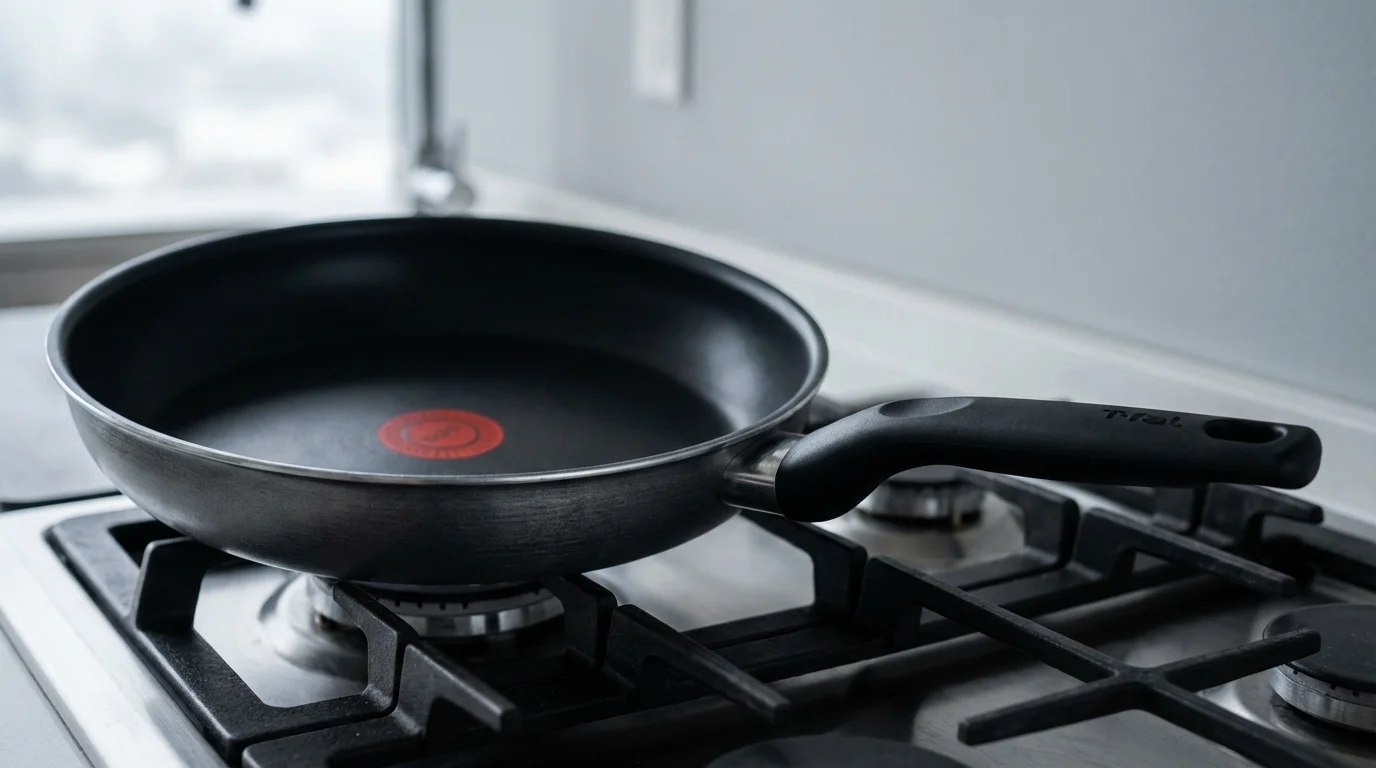
Our Top Recommendations for Budget-Friendly Cookware
Finding `best cookware set under 100 dollars` can be challenging, but focusing on individual, high-value pieces rather than pre-assembled sets often yields better results. Here are our top picks for building an `affordable pots pans` collection piece by piece, offering significant bang for your buck. These are carefully chosen for their performance, durability, and cost-effectiveness.
Value Pick: T-fal Ultimate Hard Anodized Nonstick 10-inch Fry Pan
T-fal consistently delivers reliable nonstick performance at an accessible price. This 10-inch pan, often available for under $40, features a hard anodized exterior for durability and even heat distribution. Its Thermo-Spot heat indicator helps you know when the pan is perfectly preheated, a useful feature for beginners. The silicone-wrapped handle stays cool on the stovetop. This pan is suitable for most stovetops, excluding induction, and is oven-safe up to 400°F (200°C).
- Why it’s a value pick: It offers excellent nonstick properties and decent durability for its price point. You get reliable performance for everyday cooking tasks like eggs, pancakes, and delicate fish without spending a lot.
- Specs: Hard anodized aluminum, nonstick interior, riveted handle, oven-safe to 400°F.
- Price: Around $35-$45.
- Skip if: You need induction compatibility, frequently cook at very high temperatures (searing), or prefer a pan that lasts a lifetime.
- Bottom Line: This pan excels for daily nonstick cooking. Its performance-to-price ratio makes it an exceptional `value pick` for those building a `budget cookware` collection.
Budget Pick: Lodge 10.25-inch Cast Iron Skillet
Lodge has been producing high-quality cast iron cookware in the USA for over a century, and their 10.25-inch skillet remains a staple for `affordable pots pans`. This pan arrives pre-seasoned, ready to use out of the box. Its robust construction means it handles extremely high temperatures, goes from stovetop to oven, and lasts for generations with proper care. You can often find it for under $30.
- Why it’s a budget pick: Unmatched durability and versatility at an incredibly low price. It provides superior heat retention and can perform nearly any cooking task, from searing to baking. Its `footprint` is compact for its cooking surface.
- Specs: Cast iron, pre-seasoned, loop helper handle, oven-safe.
- Price: Around $20-$30.
- Skip if: You prefer lightweight cookware, dislike the maintenance requirements of cast iron, or need a pan that heats up very quickly.
- Bottom Line: For sheer cooking power and longevity on a tight budget, the Lodge cast iron skillet is unrivaled. It represents the ultimate `budget pick` for building a resilient `cookware set`. As Serious Eats frequently highlights in their equipment reviews, cast iron is a foundational piece.
Value Pick: Cuisinart MultiClad Pro Stainless Steel 3-Quart Saucepan with Lid
While often a bit above the “extreme budget” for a single piece, Cuisinart’s MultiClad Pro line offers `upgrade pick` quality at a still reasonable price point. This 3-quart saucepan features a full tri-ply construction, meaning the aluminum core extends up the sides, not just the bottom. This ensures incredibly even heating and prevents hot spots, crucial for delicate sauces and perfectly cooked grains. It is induction-compatible and oven-safe up to 500°F (260°C). Expect to find this for $60-$80.
- Why it’s a value pick: It provides professional-grade performance and durability without the premium brand price tag. The tri-ply construction offers excellent heat control, making it a reliable performer for years.
- Specs: Tri-ply (stainless steel, aluminum core, stainless steel), riveted handles, tight-fitting lid, induction compatible, oven-safe to 500°F.
- Price: Around $60-$80.
- Skip if: Your absolute top priority is the lowest possible price point for a saucepan, or you need a pan primarily for nonstick applications.
- Bottom Line: This Cuisinart saucepan is an excellent `value pick` for anyone serious about cooking. Its robust construction and even heating capability make it a long-term investment that elevates your `affordable pots pans` collection.
Budget Pick: Amazon Basics Stainless Steel Saucepan with Lid, 3-Quart
For an absolute `budget pick` for a saucepan, Amazon Basics offers a competent 3-quart stainless steel option. It features an encapsulated aluminum disc on the bottom for decent heat distribution. While it lacks the full tri-ply construction of premium options, it performs well for boiling, simmering, and heating. The tempered glass lid allows you to monitor cooking without lifting it, and it’s induction compatible.
- Why it’s a budget pick: It meets the basic needs for a saucepan at a very low price point. It is sturdy enough for everyday use and cleans easily.
- Specs: Stainless steel with encapsulated aluminum disc base, tempered glass lid, riveted handle, induction compatible.
- Price: Around $25-$35.
- Skip if: You need superior heat distribution for delicate sauces, or prefer a pan designed for high-heat searing.
- Bottom Line: This Amazon Basics saucepan is a reliable entry-level `affordable pots pans` choice. It performs the essential functions of a saucepan without breaking your `best cookware set under 100 dollars` budget.
Comparison Table: Essential Budget Cookware Picks
This table summarizes key `specs`, prices, and considerations for the recommended `budget cookware` pieces, helping you compare at a glance.
| Product | Type | Material | Key Feature | Approx. Price | Oven Safe | Induction Compatible | Bottom Line |
|---|---|---|---|---|---|---|---|
| T-fal Ultimate Hard Anodized | 10-inch Fry Pan | Hard Anodized Aluminum, Nonstick | Thermo-Spot Indicator | $35-$45 | Up to 400°F | No | Best for everyday nonstick cooking. |
| Lodge Cast Iron Skillet | 10.25-inch Skillet | Cast Iron | Pre-seasoned, extreme durability | $20-$30 | Yes, any temp | Yes | Unmatched value, lasts a lifetime. |
| Cuisinart MultiClad Pro | 3-Quart Saucepan | Tri-Ply Stainless Steel | Full clad construction, even heat | $60-$80 | Up to 500°F | Yes | Premium performance without premium price. |
| Amazon Basics Saucepan | 3-Quart Saucepan | Stainless Steel, Disc Base | Tempered glass lid, budget-friendly | $25-$35 | Up to 350°F | Yes | Solid basic saucepan for a low cost. |
Tips for Maximizing Your Budget Cookware Investment
Once you invest in `affordable pots pans`, taking proper care of them ensures they last as long as possible. Smart buying habits also extend your budget.
- Follow Care Instructions: Different materials have different needs. Nonstick requires gentle cleaning and avoiding metal utensils. Cast iron needs seasoning and immediate drying to prevent rust. Stainless steel often tolerates dishwashers but hand washing prolongs its life and finish.
- Proper Storage: Protect nonstick surfaces by placing a paper towel or felt protector between pans when stacking. Hang skillets or use pot racks to minimize scratching.
- Look for Sales: Holidays like Black Friday, Cyber Monday, and even seasonal sales offer excellent opportunities to find `cookware set` pieces at discounted prices. Sign up for email lists from retailers to get alerts.
- Consider Last Year’s Models: Retailers often discount perfectly good cookware when new versions are released. A previous year’s model might offer the same performance as the current one at a significantly reduced price, making it an excellent `value pick`.
- Buy Open Box or Refurbished: Some retailers offer “open box” items at a discount. These are often returns with minor cosmetic damage or simply undamaged items whose packaging was opened. Always verify the return policy for such purchases.
- Utilize `Warranty` and Customer Service: Understand the `warranty` that comes with your cookware. Even `budget cookware` often includes limited warranties against manufacturer defects. Keep your proof of purchase.
Learning where to spend and save on equipment allows you to prioritize high-quality pieces where they matter most.
“Don’t buy the ‘best’ product. Buy the best product for how YOU cook and how YOU live.” — Kitchen Equipment Expert
This quote reinforces the idea that your specific needs dictate the best choice, especially when building a `cookware set` on a budget.
Common Mistakes to Avoid When Buying Budget Cookware
Navigating the world of `affordable pots pans` means you must be aware of potential pitfalls. Avoiding these common mistakes helps you make smarter purchases.
- Buying a Full Set You Don’t Need: Many “complete” `cookware set` options include pieces you will rarely, if ever, use, such as specialized egg poachers or very small saucepans. You pay for items that take up valuable storage space. Instead, build your set with individual `budget cookware` pieces you know you will utilize consistently.
- Prioritizing Price Over Quality Entirely: While this guide focuses on `how to buy cookware on budget`, there is a floor to quality. Extremely cheap cookware often uses thin materials that warp easily, conduct heat poorly, and have flimsy handles. This leads to frustrating cooking experiences and premature replacement, costing you more in the long run. Invest enough to get decent performance and durability.
- Ignoring Heat Source Compatibility: Always check if a pan is compatible with your stovetop, especially if you have an induction cooktop. Non-magnetic materials simply will not work on induction.
- Overheating Nonstick Pans: Using nonstick cookware over very high heat significantly shortens its lifespan and can potentially release fumes. Most nonstick pans are designed for low to medium heat applications.
- Neglecting Proper Care: Failing to follow care instructions for any cookware material, especially cast iron and nonstick, reduces its longevity. A well-cared-for `affordable pots pans` piece lasts much longer than a neglected premium one.
- Buying for Aesthetics Only: A beautiful design does not guarantee performance. Focus on material quality, handle ergonomics, and heat distribution.
Skip if: You see a `cookware set` with more than 5-7 pieces for under $50. It likely signals very low quality materials that will disappoint you quickly. Your `best cookware set under 100 dollars` strategy thrives on targeted, quality purchases, not quantity.
Understanding Cookware Warranties and Customer Service
Even when purchasing `budget cookware`, understanding the `warranty` and knowing how to access customer service remains important. While cheaper items might have shorter or more limited warranties, they still offer a degree of protection.
Most reputable manufacturers, even for their `affordable pots pans` lines, provide a limited `warranty` against defects in materials and workmanship. This usually covers issues like faulty handles, severe warping (not due to misuse), or defects in the cooking surface that appear with normal use. It typically does not cover normal wear and tear, cosmetic damage, or damage from improper use (e.g., using metal utensils on nonstick, extreme overheating).
* Check the Manufacturer’s Website: Always visit the manufacturer’s website for specific `warranty` details. They outline what is covered, for how long, and the process for filing a claim.
* Keep Your Receipt: Your proof of purchase is essential for any `warranty` claim. Store it safely.
* Understand Exclusions: Many warranties exclude commercial use, damage from dishwashers for hand-wash-only items, or using abrasive cleaners.
* Contact Customer Service: If you encounter an issue, contact the manufacturer’s customer service. Be prepared to provide photos of the defect and your purchase information. Even if a replacement is not possible, they might offer troubleshooting tips or discounts on future purchases.
A robust `warranty` and accessible customer service department can add significant `value pick` to even an inexpensive purchase, providing peace of mind that your investment is protected. Good Housekeeping regularly reviews kitchen products and often comments on the reliability of brands and their customer support.
Frequently Asked Questions
What is the difference between a full-clad and disc-bottom pan?
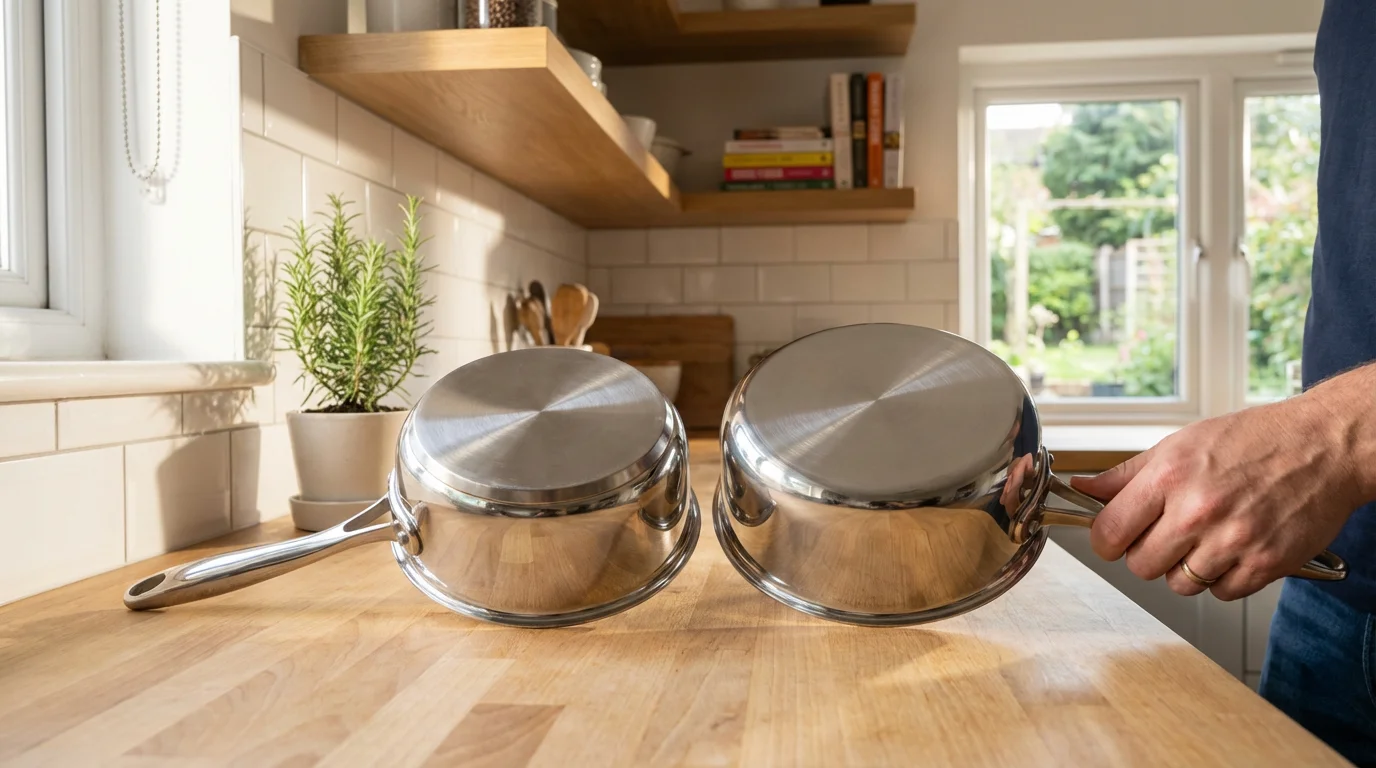
A full-clad pan features layers of different metals, typically stainless steel around an aluminum or copper core, extending from the base all the way up the sides. This construction ensures extremely even heating throughout the entire pan. A disc-bottom pan has an encapsulated layer of conductive metal, like aluminum or copper, only at the bottom, bonded to a stainless steel body. Disc-bottom pans are often more `budget pick` friendly but heat less evenly up the sides compared to fully clad options.
Can I use metal utensils on budget cookware?
For nonstick `budget cookware`, avoid metal utensils entirely. Even small scratches can damage the nonstick coating, leading to sticking and a reduced lifespan. Stick to silicone, wood, or plastic utensils. For stainless steel and cast iron, metal utensils are generally fine, but always check manufacturer instructions if you are unsure.
How do I re-season a cast iron skillet?
To re-season a cast iron skillet, first clean it thoroughly with hot water and a stiff brush, avoiding soap if possible. Dry it completely on the stovetop over low heat. Once dry, apply a very thin layer of high smoke point oil, such as vegetable oil, grapeseed oil, or flaxseed oil, to all surfaces of the pan. Wipe off any excess oil. Then, place the skillet upside down in an oven preheated to 400-450°F (200-230°C) for one hour. Turn off the oven and let the pan cool inside. Repeat this process a few times for a robust seasoning. Regular cooking with oil also helps maintain the seasoning.
Is it worth buying a cheap full cookware set?
Generally, buying a very cheap, large `cookware set` is not a `value pick`. These sets often include many low-quality pieces made from thin materials that warp easily, heat unevenly, and have short lifespans. You get more value by purchasing fewer, higher-quality individual pieces that cover your essential needs, even if they are still `affordable pots pans`. A targeted `budget cookware` approach gives better results and longevity.
What does “PFOA-free” or “PTFE-free” mean for nonstick cookware?
“PFOA-free” indicates that the cookware was manufactured without perfluorooctanoic acid, a chemical previously used in the production of some nonstick coatings, which has been linked to health concerns. Most nonstick cookware produced today is PFOA-free. “PTFE-free” means the coating does not use polytetrafluoroethylene (Teflon), often signifying ceramic-based nonstick coatings. While PTFE-free options are often marketed as “greener,” they tend to be even less durable than traditional PTFE nonstick.
Disclaimer: Product prices, features, and availability change frequently. Prices shown were accurate at time of writing but may have changed. We may earn a small commission from purchases made through links on this site, at no extra cost to you. Always verify current pricing and specifications on the retailer’s website before purchasing.
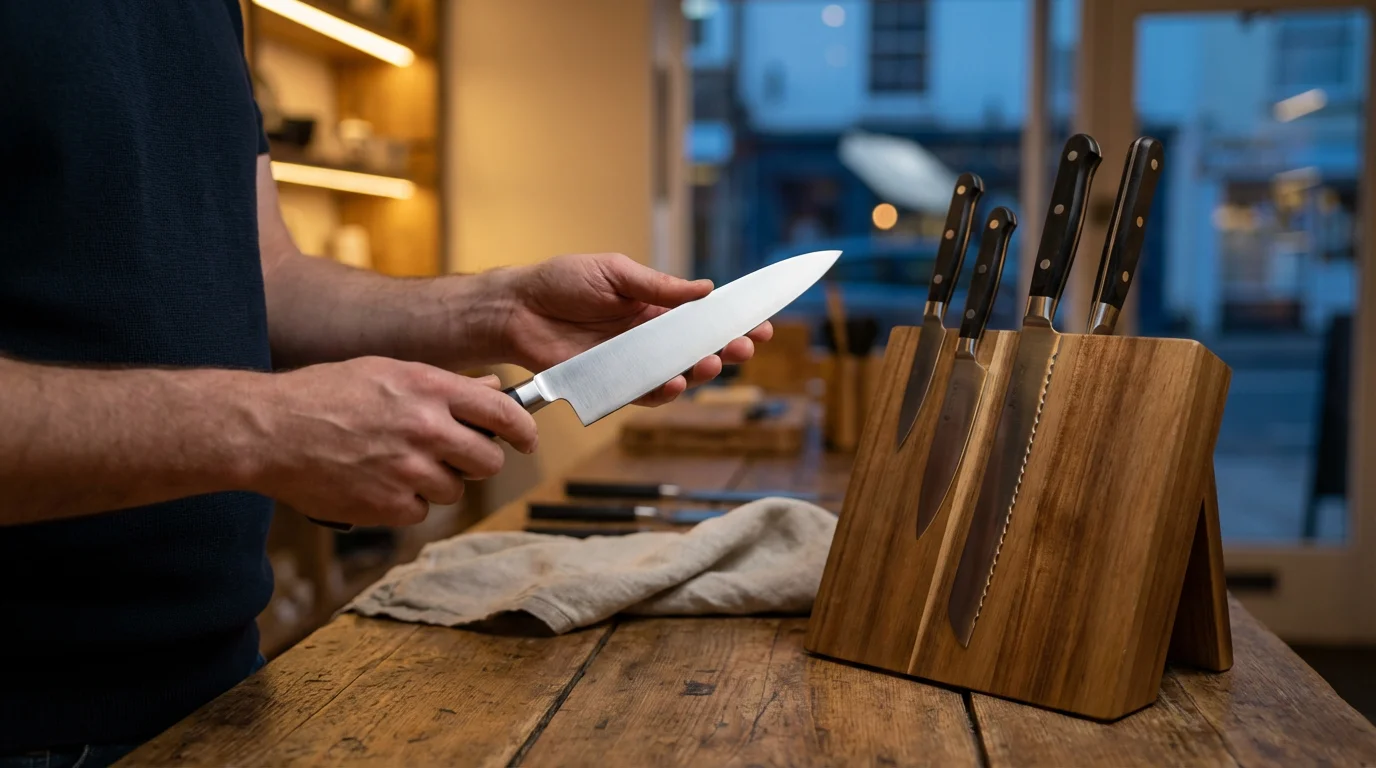
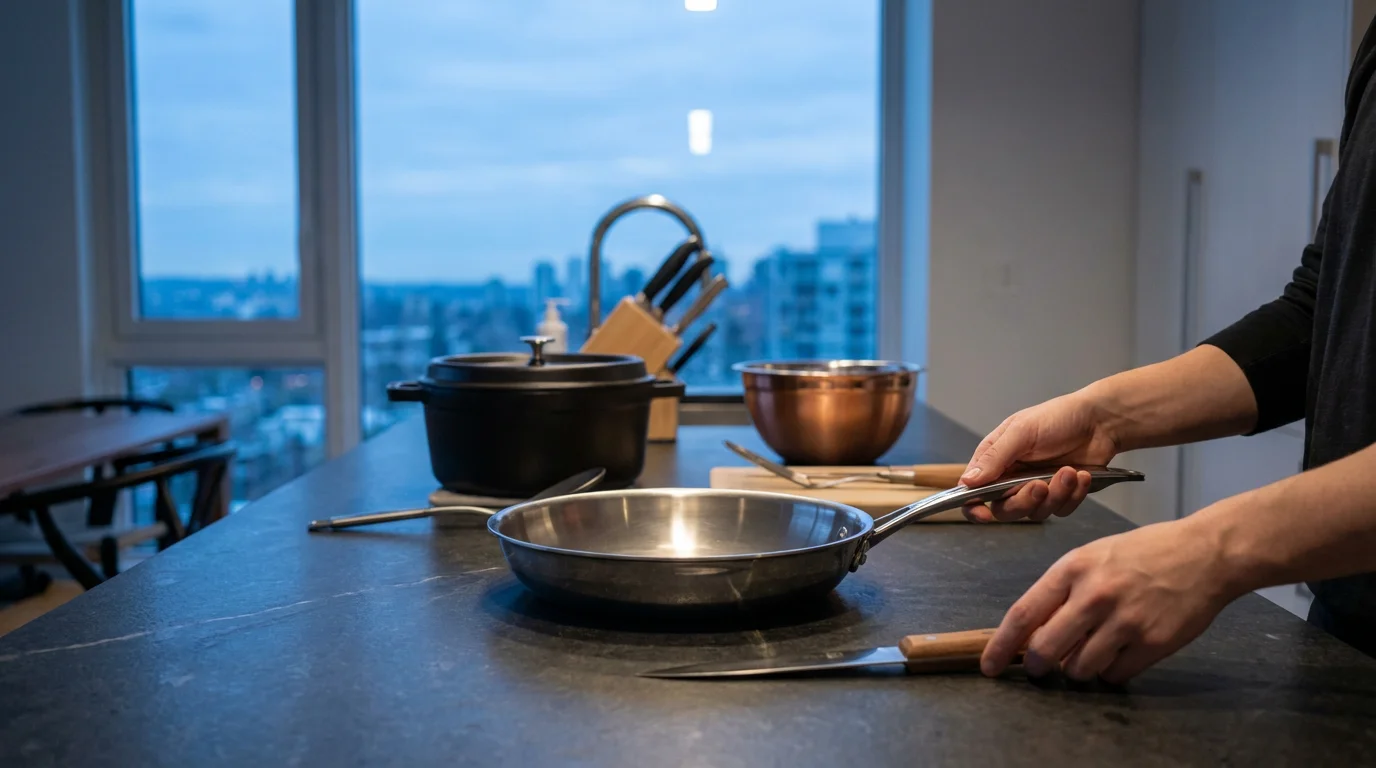
While focusing on pans, remember that buying kitchen knives that match your cooking style is just as vital as having the right skillet.
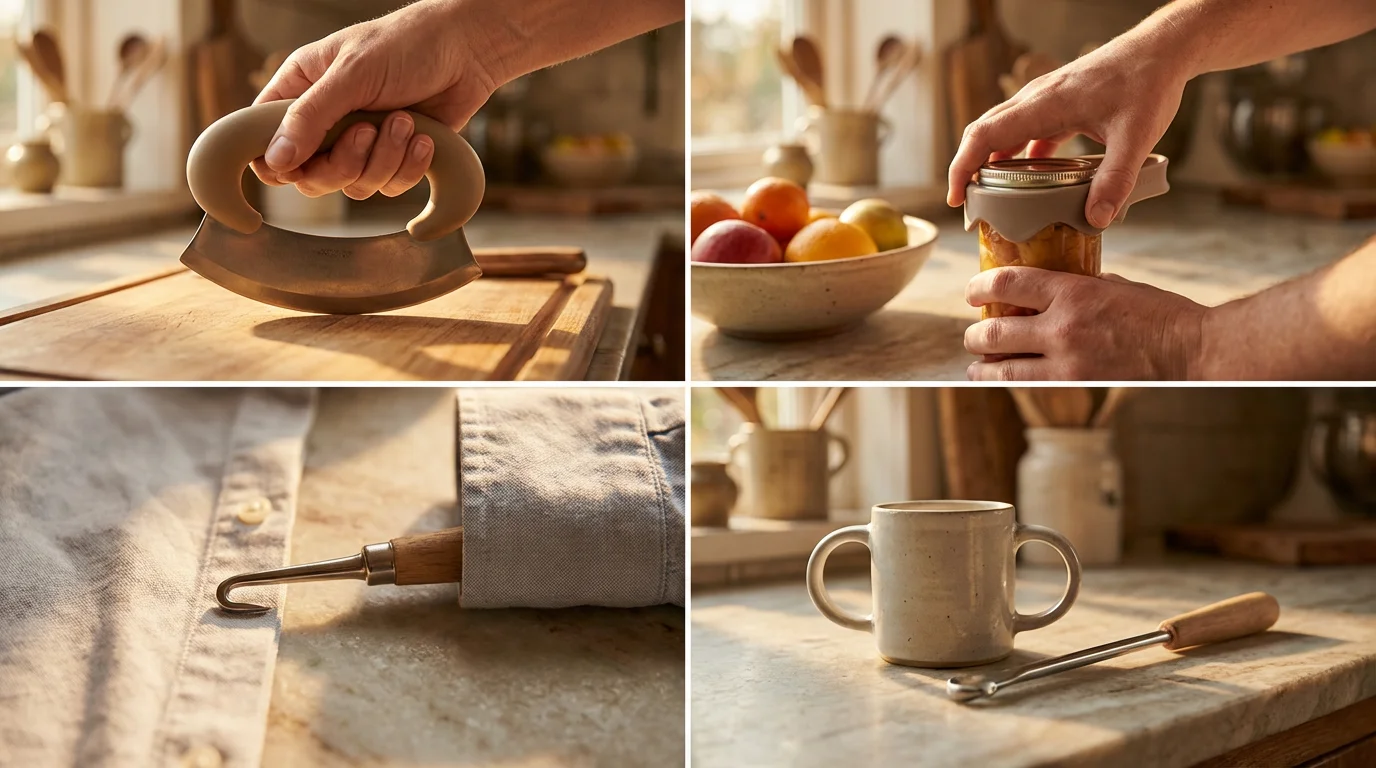
For those who find heavy cast iron difficult to handle, exploring kitchen tools for seniors and accessibility can lead to lighter, more manageable alternatives.

Leave a Reply