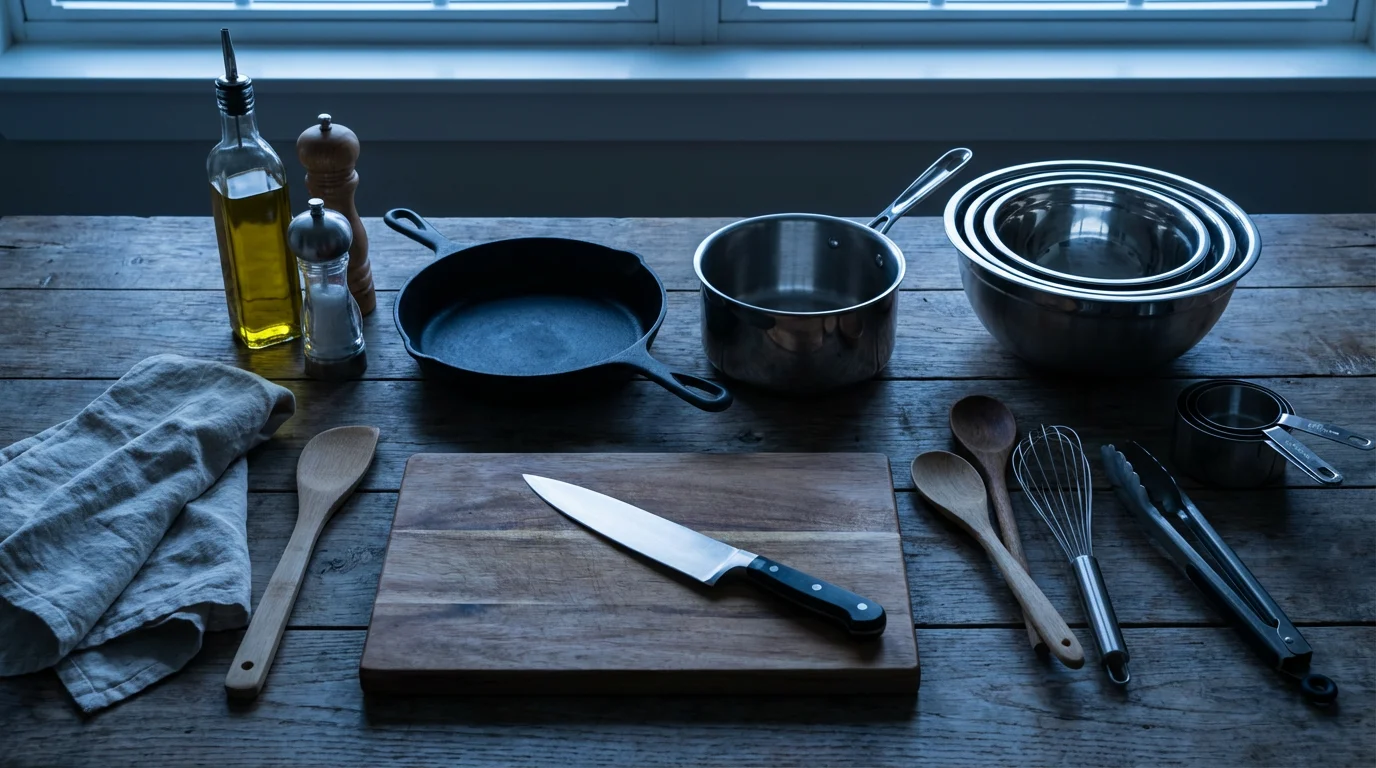
Setting up your first kitchen feels both exciting and daunting. You want to equip your space effectively without overspending on unnecessary gadgets. This comprehensive guide cuts through the clutter, offering practical, actionable advice on the truly essential kitchen items every new cook needs. We provide research-driven recommendations, backed by expertise, to help you make confident purchasing decisions.
Many of these essentials also make perfect additions to a kitchen registry if you are moving into a new home with a partner.
Why Your First Kitchen Matters
Your first kitchen is more than just a place to eat; it’s where you cultivate independence, explore culinary creativity, and nourish yourself and your loved ones. Starting with the right tools ensures you enjoy the cooking process and achieve successful results, rather than struggling with inadequate equipment. Our goal is to guide you toward essential items that offer versatility, durability, and excellent performance, setting you up for years of enjoyable cooking.
Understanding where to spend and save on your first setup ensures you get the most value for your money.
You do not need every shiny gadget or elaborate set. Focus on multi-purpose items that tackle a variety of tasks efficiently. Prioritize quality for foundational pieces, as these will withstand frequent use and prove more economical over time than constantly replacing cheap, flimsy alternatives. We define a value pick as the best balance of quality and price for most people. A budget pick offers good quality at the lowest price point, while an upgrade pick provides a premium option for those willing to spend more for enhanced features or longevity. A splurge represents a top-tier option, often for enthusiasts or heavy users who demand the absolute best performance.
Essential Cookware: Pots and Pans for Every Meal
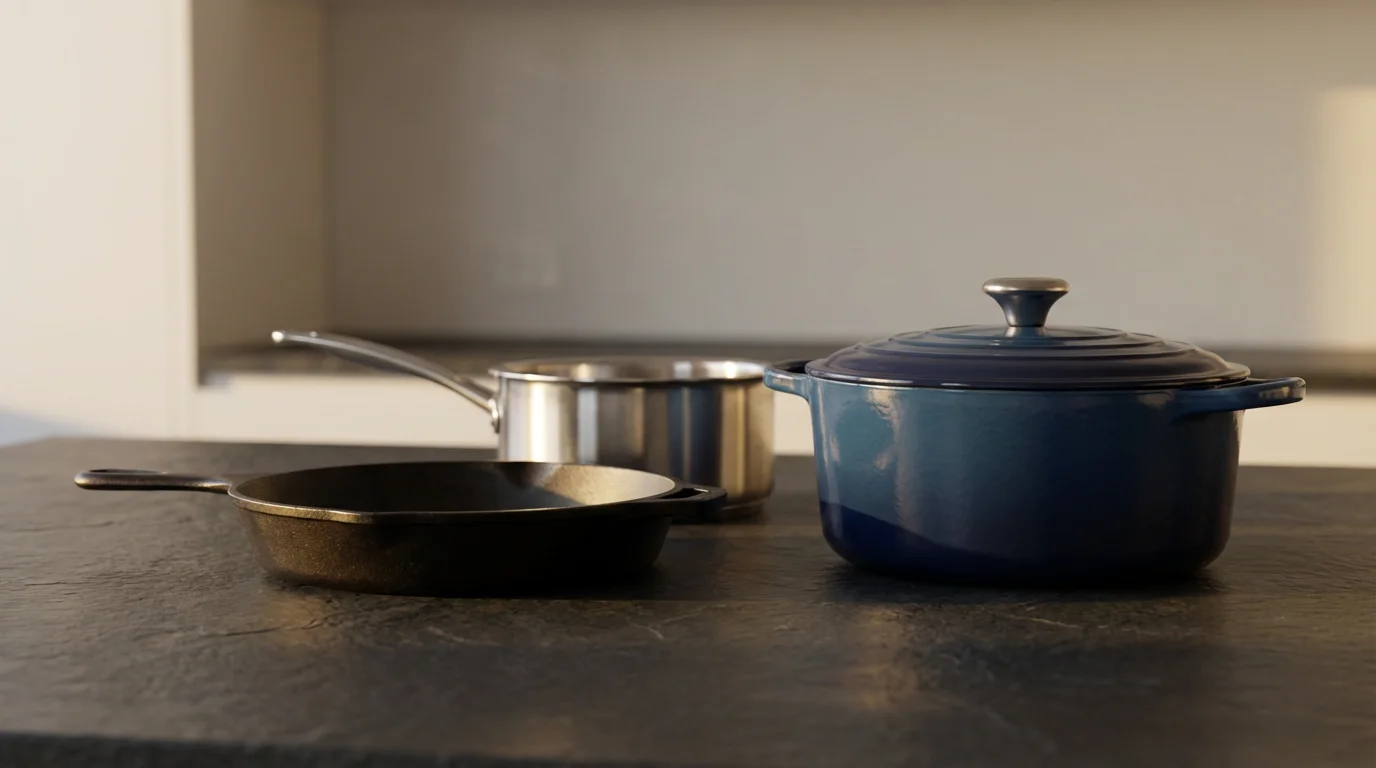
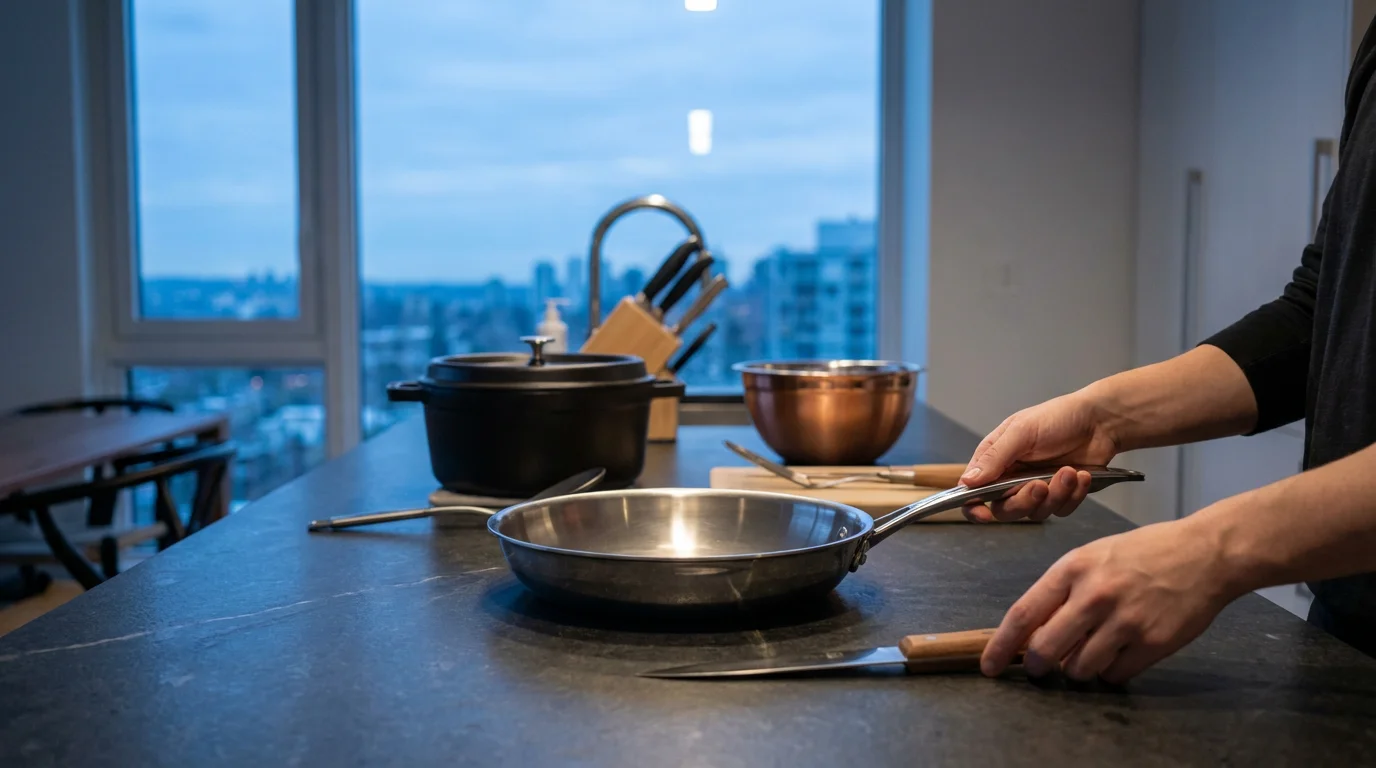
Cookware forms the backbone of any kitchen. You need a few key pieces that handle everything from boiling pasta to searing steaks. Resist the urge to buy a massive, cheap set. Instead, invest in three to five high-quality pieces that cover most cooking needs.
Best Overall Cookware Strategy: Mix and Match
Rather than a single set, build your collection with individual pieces tailored to specific functions. This approach maximizes utility and allows you to prioritize quality where it matters most.
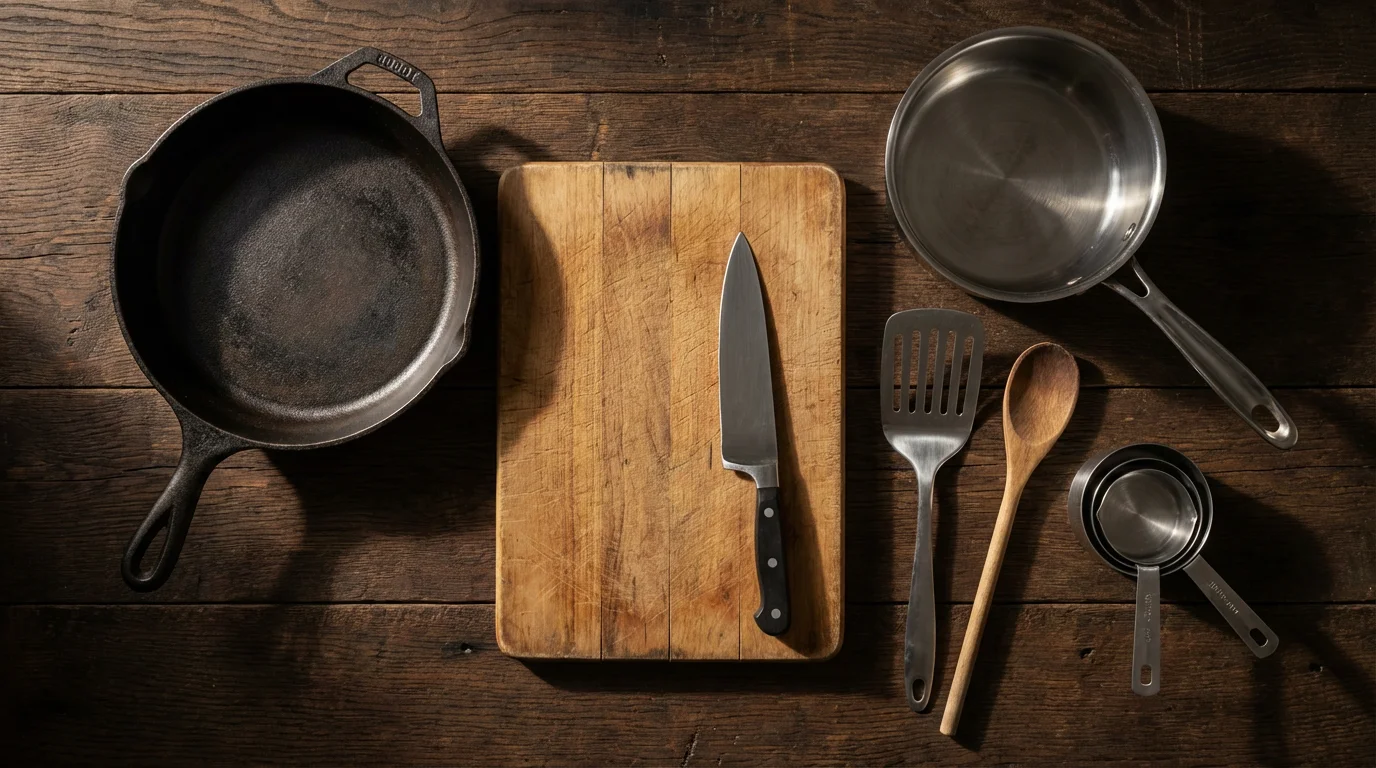
1. 10-12-inch Skillet (Non-Stick or Cast Iron)
A good skillet is indispensable for frying eggs, searing meats, sautéing vegetables, and making pan sauces. You have two primary choices: non-stick for convenience or cast iron for versatility and durability.
- Non-Stick Pan (Value Pick): The T-fal Unlimited Titanium Nonstick Fry Pan, 10-inch, offers exceptional non-stick performance and durability for its price. Its titanium-reinforced coating withstands metal utensils, and its Thermo-Spot indicator tells you when the pan is perfectly preheated. The specs, or technical details, include a riveted handle for a secure grip and oven safety up to 400°F (200°C). Expect to pay around $40-$50.
- Bottom Line: This pan handles daily tasks like eggs and delicate fish with ease, requiring minimal oil and making cleanup a breeze.
- Skip if: You prefer searing at very high temperatures or want a pan that lasts a lifetime. Non-stick coatings, even durable ones, eventually degrade.
- Cast Iron Skillet (Upgrade Pick): The Lodge 10.25-inch Cast Iron Skillet is a kitchen icon for good reason. It offers incredible heat retention and even heating, perfect for searing, frying, baking, and even campfire cooking. This skillet costs around $25-$35. Its longevity is legendary; many cooks pass cast iron down through generations. You gain natural non-stick properties over time with proper seasoning, a layer of polymerized oil baked onto the surface.
- Bottom Line: This pan is a workhorse, offering superior searing and durability. It requires a bit more care (seasoning, hand-washing) but delivers unmatched performance.
- Skip if: You dislike the weight or the maintenance associated with cast iron. It can also react with acidic foods if not well-seasoned.
2. 3-Quart Saucepan with Lid
Essential for boiling water, cooking grains, making sauces, and reheating leftovers. A capacity of 3 quarts, meaning it holds 3 quarts of liquid, provides enough volume without being cumbersome.
- Value Pick: The Cuisinart MultiClad Pro Stainless Steel 3-Quart Saucepan with Cover provides excellent heat distribution thanks to its tri-ply construction (aluminum core bonded between two layers of stainless steel). This ensures even cooking and prevents hot spots. It usually costs around $70-$90.
- Bottom Line: This pan is durable, heats evenly, and handles a wide range of tasks. Its stainless steel surface is non-reactive and easy to clean.
- Skip if: You need an absolute budget option; there are cheaper, less durable alternatives available.
3. 6-Quart Dutch Oven or Stockpot
For soups, stews, boiling pasta, or making large batches of chili, a larger pot is crucial. A 6-quart size hits the sweet spot for most home cooks.
- Budget Pick: A good quality stainless steel stockpot from brands like Farberware or Cuisinart (around $40-$60) serves well for boiling and simmering.
- Upgrade Pick/Splurge: A Le Creuset Round Dutch Oven, 5.5-Quart (around $300-$400) or a Staub Cast Iron Round Cocotte, 5.5-Quart offers superior heat retention and distribution, making it ideal for slow cooking, braising, and baking bread. Enameled cast iron is also incredibly durable and beautiful, acting as a serving dish.
- Bottom Line: A versatile kitchen investment, especially for larger meals or slow cooking. The enameled cast iron options are heirloom quality.
- Skip if: You only cook for one and rarely make large quantities. A basic stockpot might suffice.
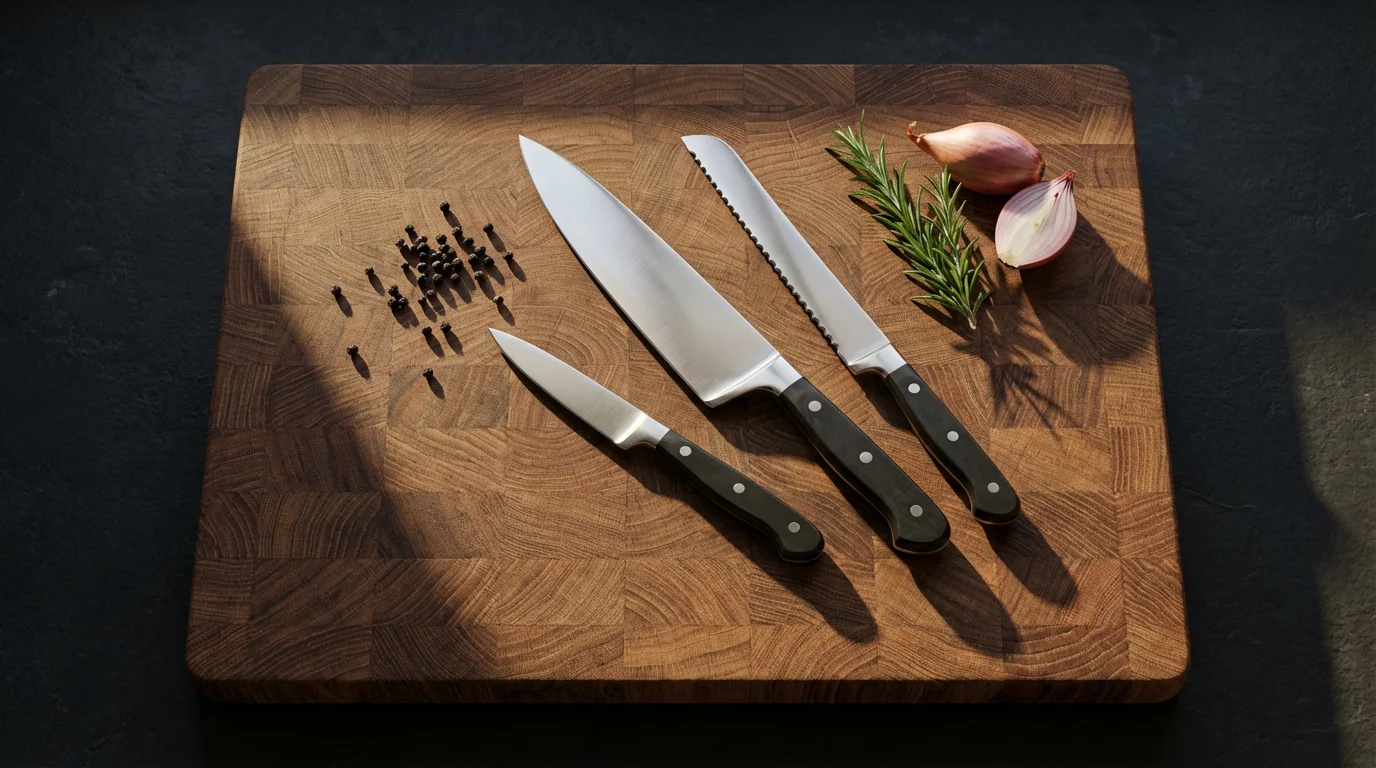
Sharp Choices: Knives You Actually Need
A sharp knife makes cooking safer, faster, and more enjoyable. You do not need a block full of specialized blades. Start with two or three essential knives and a good sharpening tool.
Essential Knife Picks
1. 8-inch Chef’s Knife
The workhorse of the kitchen, ideal for chopping, slicing, dicing, and mincing. A comfortable grip and a sharp blade are paramount.
- Value Pick: The Victorinox Fibrox Pro 8-inch Chef’s Knife consistently earns top marks for its incredible sharpness, comfortable non-slip handle, and excellent value. It offers professional-grade performance at an approachable price point, typically $45-$60. According to Wirecutter’s extensive testing, this knife outperforms many more expensive options for everyday use.
- Bottom Line: This is arguably the best entry-level chef’s knife available, durable and easy to maintain.
- Skip if: You prefer a heavier, forged knife or a more traditional Western or Japanese aesthetic.
- Upgrade Pick: A Wüsthof Classic 8-inch Chef’s Knife (around $150-$200) or a Shun Classic 8-inch Chef’s Knife (around $180-$250) offers superior balance, edge retention, and craftsmanship. Wüsthof provides a robust Western-style blade, while Shun offers a sharper, lighter Japanese-style blade.
- Bottom Line: These knives are investments that will last decades with proper care, offering precision and comfort for discerning cooks.
- Skip if: Your budget is tight, as the Victorinox delivers 90% of the performance for a fraction of the cost.
2. Paring Knife (3-4 inches)
Perfect for delicate tasks like peeling fruits and vegetables, deveining shrimp, or mincing small aromatics.
- Budget Pick: A simple Opinel No. 112 Paring Knife (around $10-$15) or a comparable inexpensive brand offers good sharpness for small tasks.
- Value Pick: The Victorinox 3.25-inch Paring Knife (around $10-$12) matches the quality of its chef’s knife counterpart, offering excellent sharpness and control.
- Bottom Line: An inexpensive but vital tool for precision work.
3. Serrated Utility Knife or Bread Knife
For slicing tomatoes, crusty bread, or pastries without crushing them. A 6-inch serrated utility knife provides more versatility for general kitchen tasks than a full-size bread knife.
- Value Pick: The Wüsthof Classic 6-inch Serrated Utility Knife (around $60-$80) or the Victorinox Fibrox Pro 8-inch Bread Knife (around $45-$55) provides excellent sawing action.
- Bottom Line: Prevents squishing soft foods and effortlessly cuts through tough crusts.
Maintain Your Edges: Sharpening and Storage
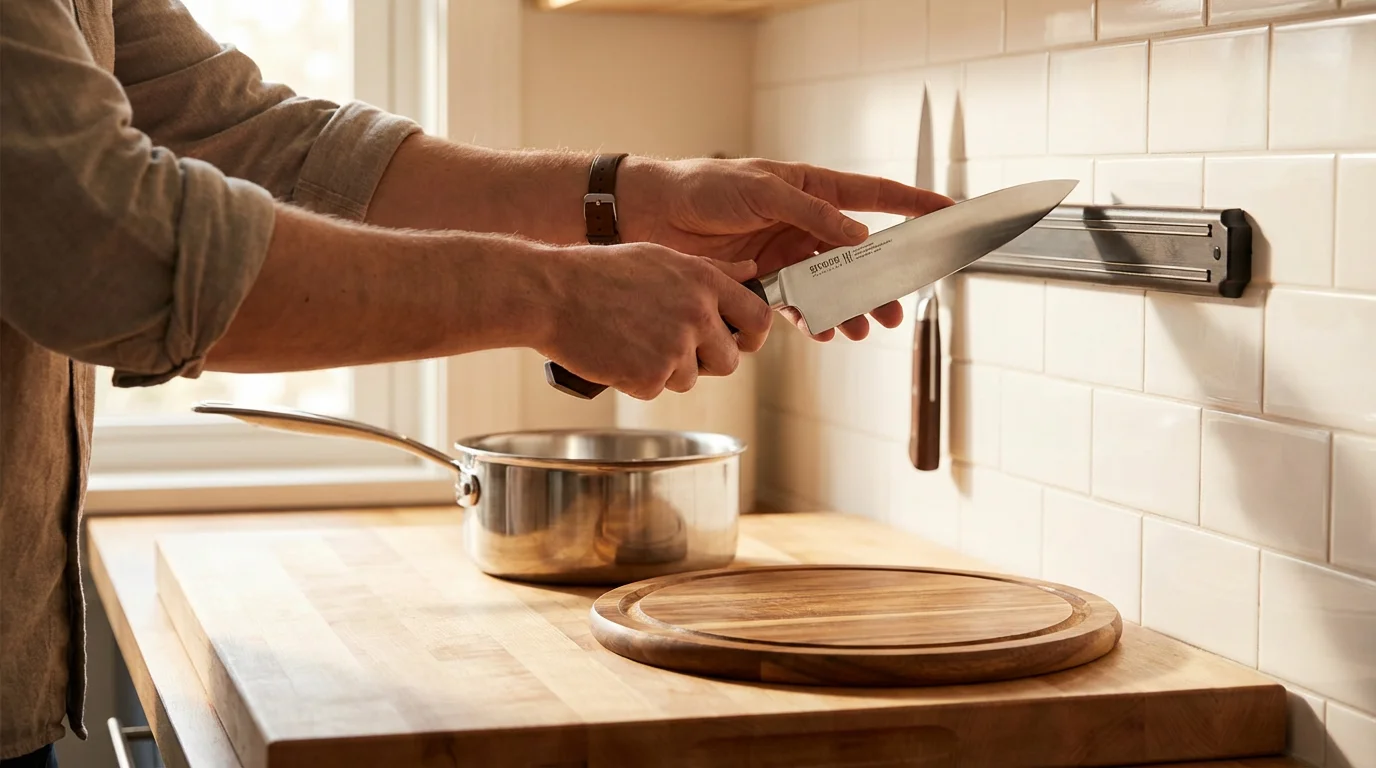
A dull knife is dangerous. Invest in a simple sharpening tool. A pull-through sharpener like the Chef’sChoice ProntoPro Manual Knife Sharpener (around $40-$50) works well for beginners. Store knives in a knife block, magnetic strip, or knife sheath to protect the blades and your hands.
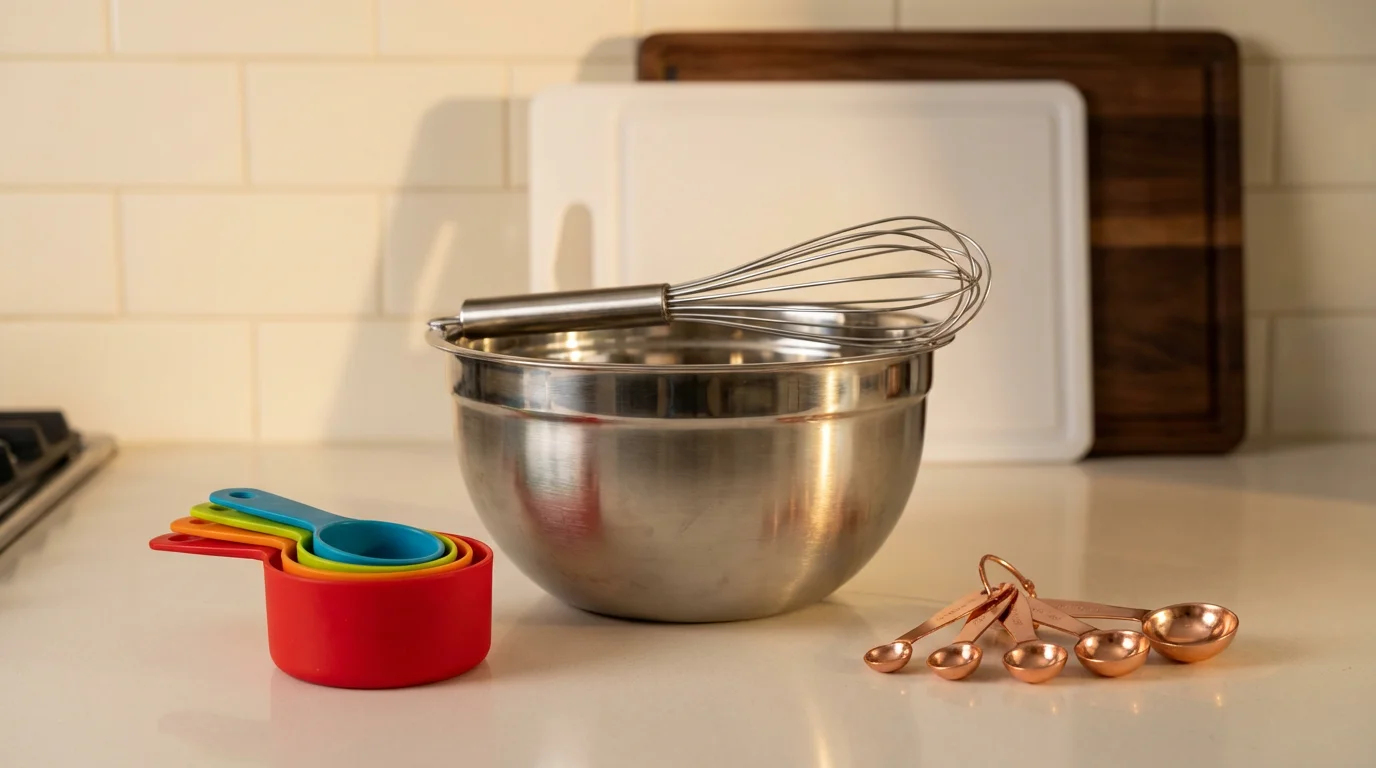
Mixing and Measuring: Prep Tools for Precision
Accurate measurements and efficient prep are key to successful cooking and baking. These items form your essential toolkit for food preparation.
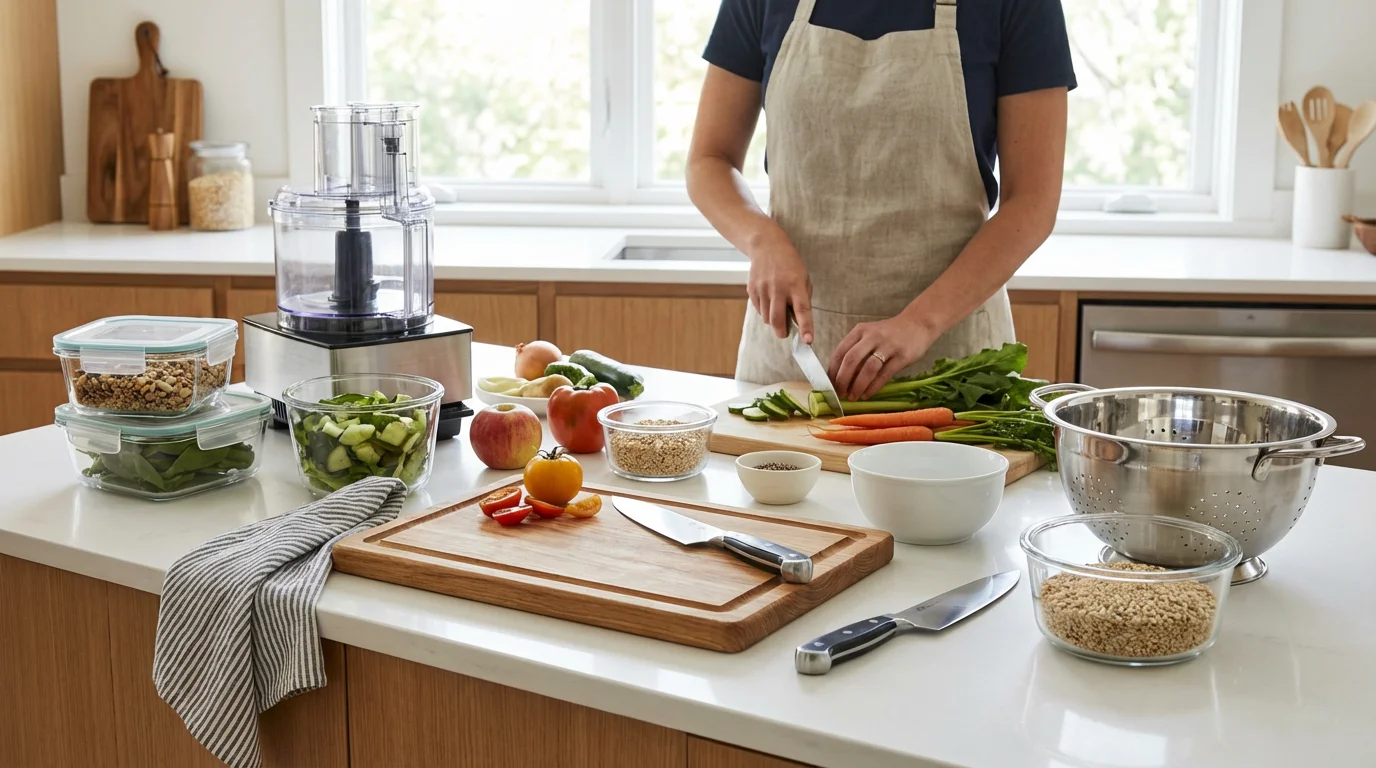
If you plan on batch cooking to save time, consider picking up some specific tools for meal prep to streamline your routine.
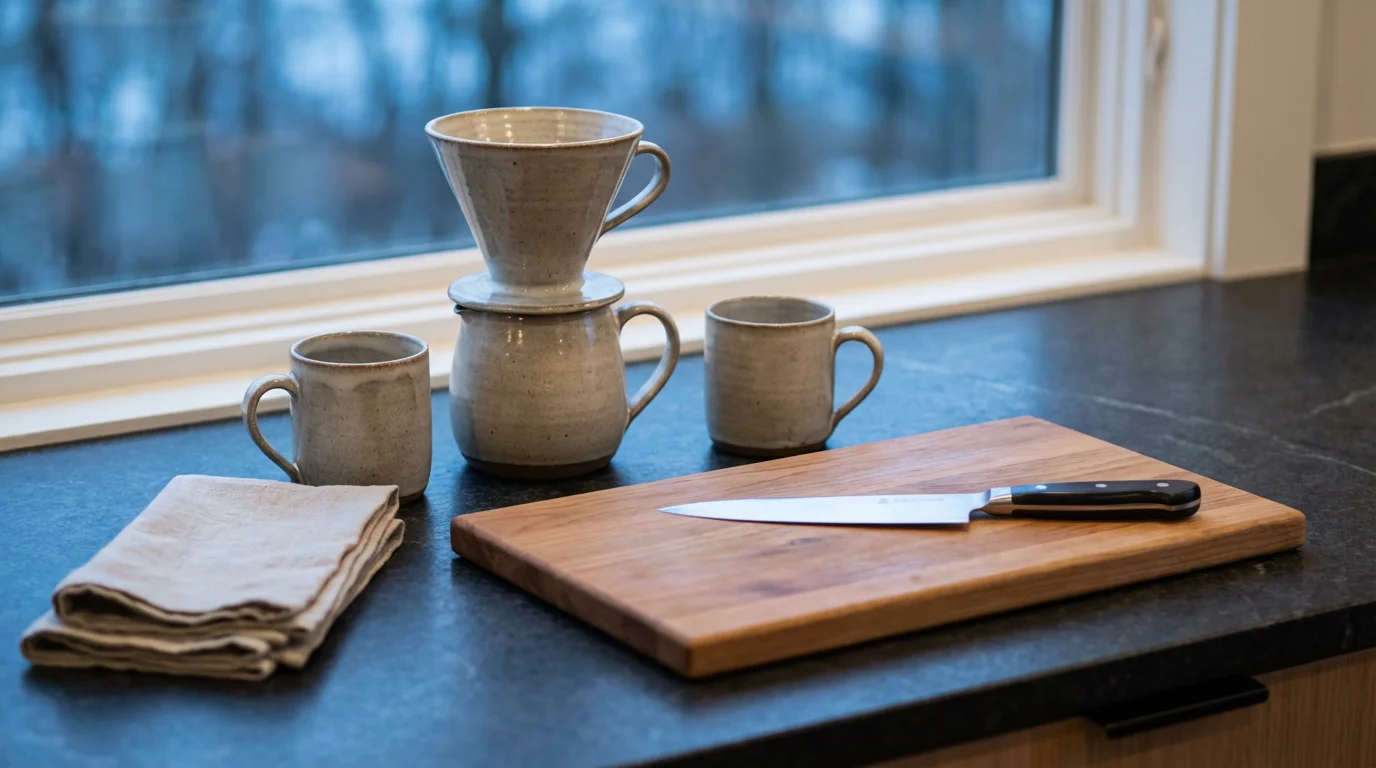
1. Cutting Board
Protect your countertops and keep your knives sharp. You need at least two: one for raw meats and one for produce and cooked foods to prevent cross-contamination.
- Value Pick: A set of two sturdy, dishwasher-safe plastic cutting boards (e.g., Epicurean, OXO Good Grips) for raw meats and general use. These cost around $20-$40 for a good set.
- Upgrade Pick: A large, thick wooden or bamboo cutting board (e.g., John Boos, Teakhaus) provides a beautiful, knife-friendly surface for daily prep. These can range from $50-$150. Wood requires occasional oiling but offers superior knife edge protection.
- Bottom Line: Essential for hygiene and knife longevity. Plastic for raw meat, wood for everything else.
2. Measuring Cups and Spoons
Precision matters in recipes, especially baking. You need both dry and liquid measuring cups.
- Value Pick: A set of stainless steel dry measuring cups and spoons (e.g., OXO Good Grips, Bellemain) ensures durability and accuracy. A Pyrex glass liquid measuring cup (2-cup capacity) is a classic for liquids, allowing you to view measurements at eye level. Expect to pay $25-$40 for a comprehensive set.
- Bottom Line: Non-negotiable for consistent recipe results.
3. Mixing Bowls (Set of 3-5)
For combining ingredients, marinating, or serving. Stainless steel or glass bowls are durable and non-reactive.
- Value Pick: A nested set of stainless steel mixing bowls with non-slip bases (e.g., OXO Good Grips) offers versatile sizes and easy storage, typically $30-$50.
- Bottom Line: Facilitates prep work and keeps your kitchen organized.
4. Colander
For draining pasta, washing produce, or rinsing grains.
- Value Pick: A sturdy stainless steel colander (e.g., RSVP International) is durable and dishwasher-safe, around $15-$25.
- Bottom Line: A simple tool that you will use almost daily.
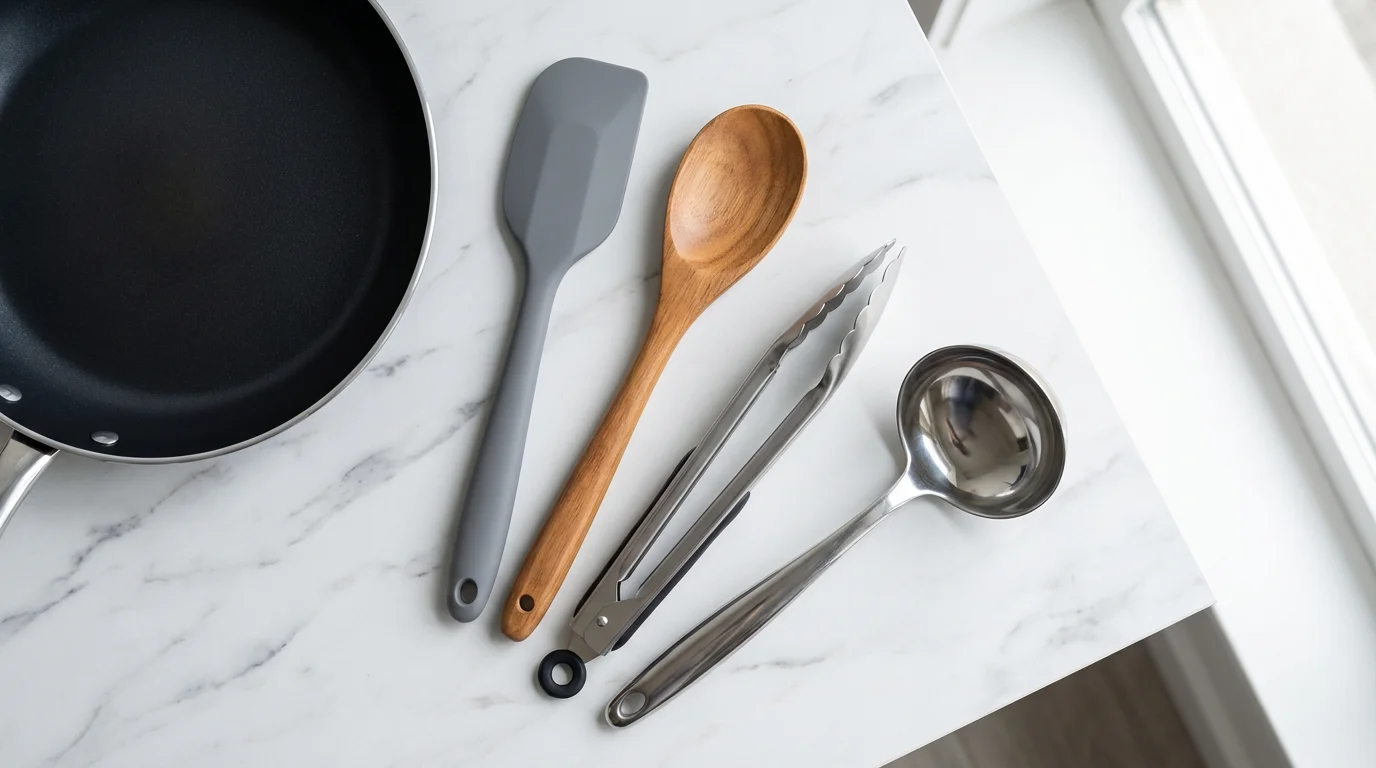
Everyday Utensils: Stir, Flip, and Serve
These are the handheld tools you use constantly for cooking, serving, and eating. Focus on versatility and materials appropriate for your cookware.
Essential Utensil Kit
- Spatulas (2-3 types):
- Turner/Slotted Spatula: For flipping pancakes, eggs, and burgers. A sturdy metal one with a thin edge (for stainless steel or cast iron pans) and a silicone or nylon one (for non-stick pans) are essential.
- Rubber/Silicone Spatula: For scraping bowls clean and folding delicate mixtures. Silicone is heat-resistant.
- Whisk: For blending sauces, beating eggs, or whipping cream. A balloon whisk is the most versatile.
- Tongs: Your extended fingers for turning food, serving salads, or grabbing hot items. A 9-inch and a 12-inch locking tong (e.g., OXO Good Grips) are perfect.
- Ladle: For serving soups, stews, and sauces.
- Large Spoon (Slotted and Solid): For stirring, serving, and skimming.
- Can Opener: A sturdy, reliable manual can opener (e.g., OXO Good Grips) prevents frustration.
- Vegetable Peeler: A Y-peeler is often preferred for its ergonomic grip and efficiency.
When selecting utensils, consider materials. Stainless steel is durable and heat-resistant but can scratch non-stick surfaces. Silicone is heat-safe and non-scratching. Wood is gentle on all surfaces but requires hand washing. Investing in individual high-quality pieces rather than a large, cheap set means you get better performance and longevity. A good warranty often indicates a manufacturer’s confidence in their product’s durability.
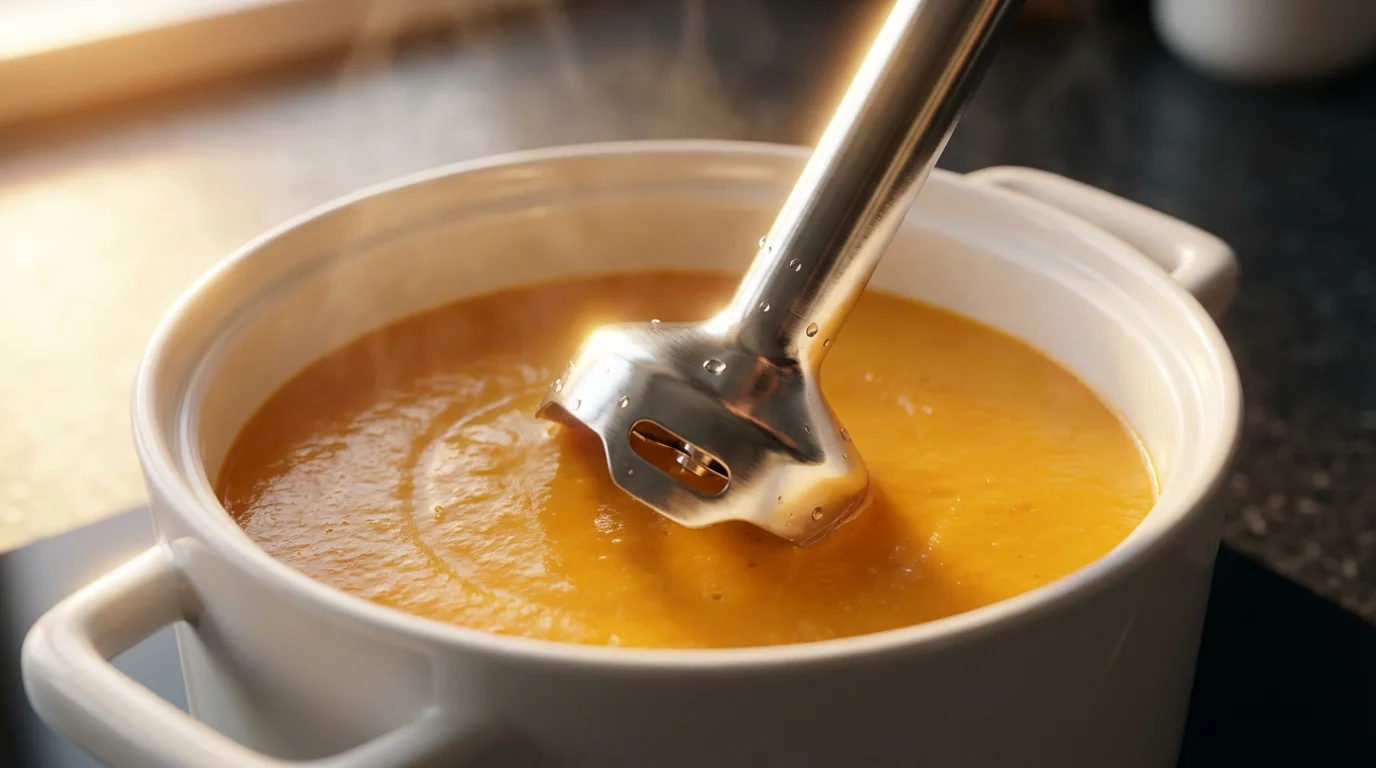
Small Appliances: Smart Investments for Efficiency
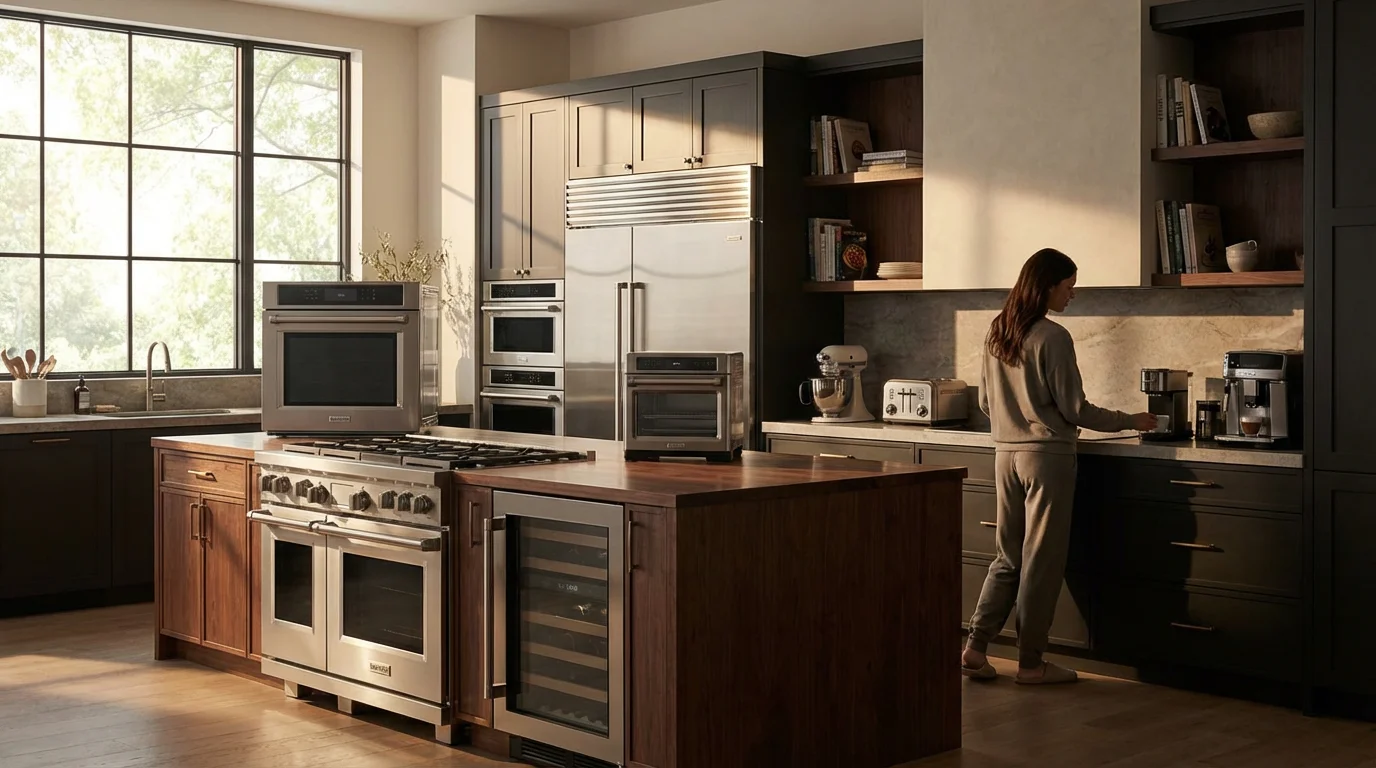
While not strictly necessary for basic cooking, certain small appliances significantly enhance efficiency and expand your culinary repertoire. Prioritize multi-functional items that save time and effort.
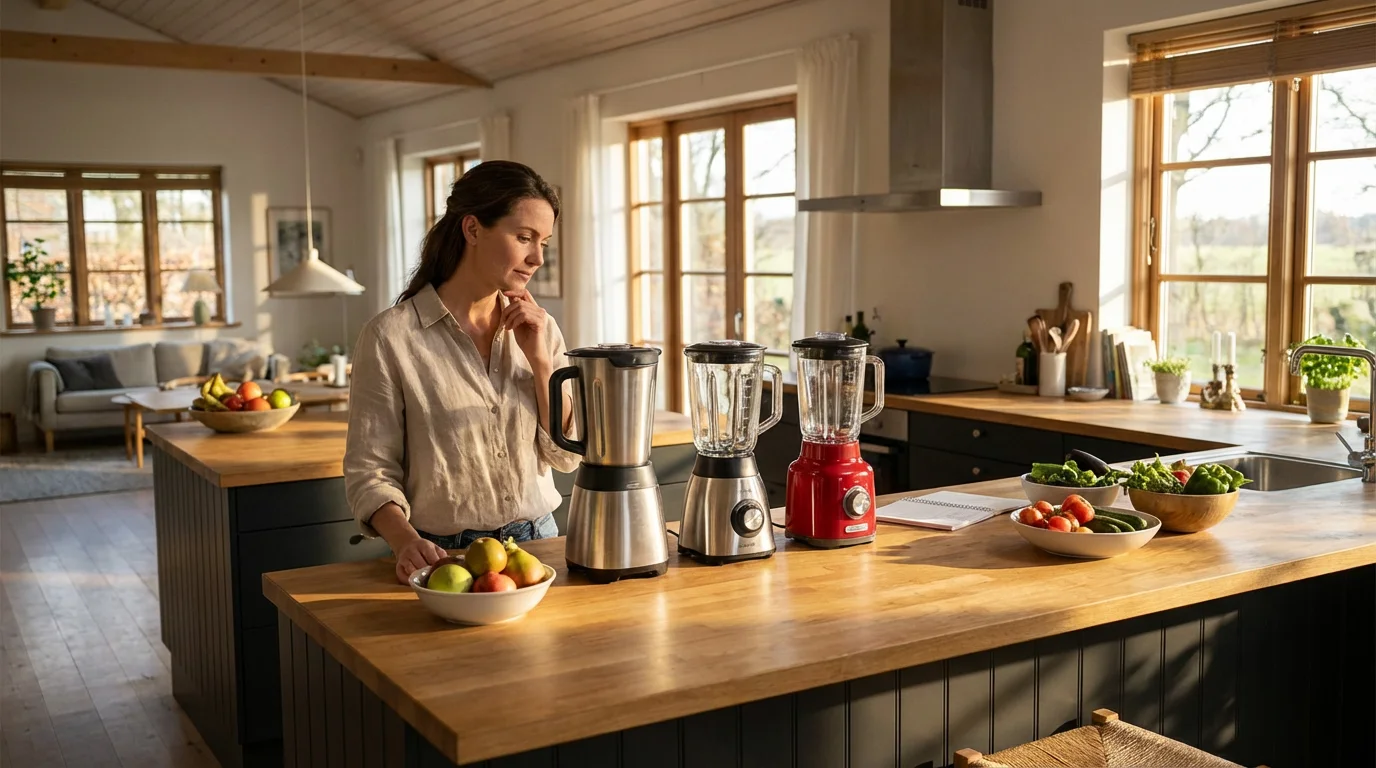
1. Immersion Blender (Hand Blender)
Far more versatile and space-saving than a full-size blender for many tasks.
- Value Pick: The Cuisinart Smart Stick Immersion Hand Blender (CSB-175) (around $50-$60) is a powerful, reliable choice. It purees soups directly in the pot, makes smoothies in a tall glass, and even whips cream with an attachment. Its compact footprint, meaning the amount of counter or storage space it occupies, makes it ideal for small kitchens. Consumer Reports consistently rates immersion blenders as a highly practical small appliance for diverse kitchen tasks.
- Bottom Line: A space-saving powerhouse for soups, sauces, and smoothies. Highly recommended.
- Skip if: You need to crush large quantities of ice or blend very thick batters regularly; a traditional blender offers more power for those specific tasks.
2. Toaster (2-Slice)
For perfectly toasted bread, bagels, or frozen waffles.
- Budget Pick: A basic 2-slice toaster from a reputable brand like Hamilton Beach or Proctor Silex (around $20-$30) works well for simple toasting needs.
- Value Pick: The Cuisinart CPT-180 Metal Classic 4-Slice Toaster (around $70-$90, a 2-slice version is also available) offers wider slots, multiple settings, and consistent toasting performance.
- Bottom Line: A daily convenience item, choose based on how much toast you make.
3. Coffee Maker (Drip or French Press)
For daily caffeine rituals.
- Budget Pick: A French Press (e.g., Bodum Chambord, around $30-$40) offers excellent coffee with minimal equipment and no electricity, except for boiling water.
- Value Pick: A basic drip coffee maker like the Capresso 5-Cup Mini Drip Coffee Maker (around $40-$50) or a Bonavita Connoisseur 8-Cup One-Touch Coffee Maker (around $150-$180 for superior brew quality) provides convenience for daily brewing.
- Bottom Line: Essential for coffee lovers; choose based on desired brew quality and convenience.
Storage and Organization: Keeping Your Kitchen Tidy
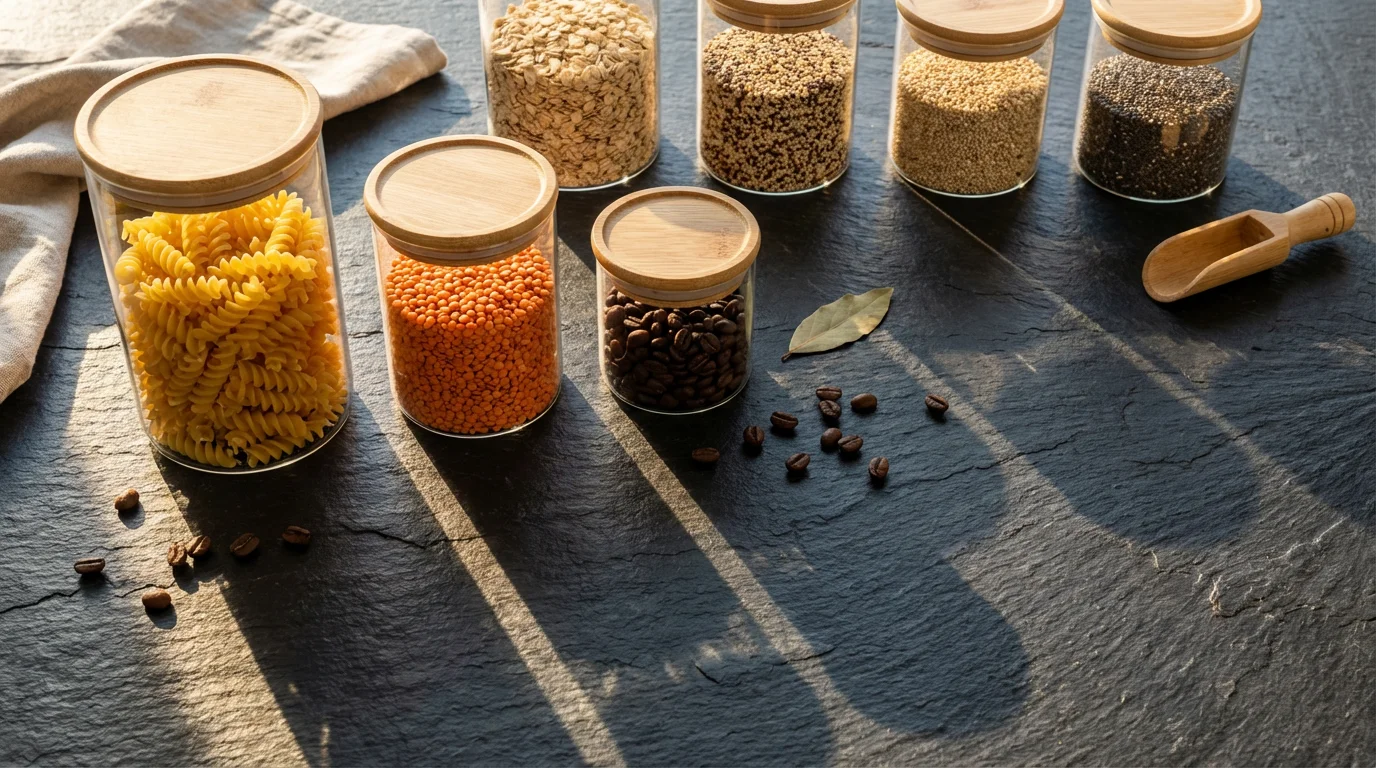
A well-organized kitchen makes cooking more enjoyable and efficient. Proper storage extends the life of your food and keeps your space clutter-free.
Key Storage Essentials
- Food Storage Containers: A nested set of airtight glass or BPA-free plastic containers for leftovers and meal prep. Glass containers offer durability and can go from fridge to oven.
- Pantry Storage Jars: Clear jars for storing dry goods like pasta, rice, flour, and sugar. This keeps them fresh, visible, and protects them from pests.
- Oven Mitts and Potholders: Essential for safety when handling hot cookware.
- Kitchen Towels: Absorbent towels for cleaning up spills, drying dishes, and handling hot items.
- Basic Cleaning Supplies: Dish soap, sponges, scrub brushes, and an all-purpose cleaner.
“Organizing your kitchen is not about perfection, it’s about making your space functional for how you actually cook. Start with the most frequently used items.” — Kitchen Organization Expert
Common First Kitchen Mistakes to Avoid
New cooks often fall into traps that lead to wasted money and frustration. You can sidestep these common pitfalls by making informed choices.
- Buying a Massive Cookware Set: Many large sets include unnecessary pieces or compromise on quality to hit a low price point. You end up with flimsy pans you rarely use. Focus on quality individual pieces for better long-term value.
- Ignoring Knife Quality: A dull knife is inefficient and dangerous. Spending a little more on a good chef’s knife and learning to maintain it pays dividends in safety and enjoyment.
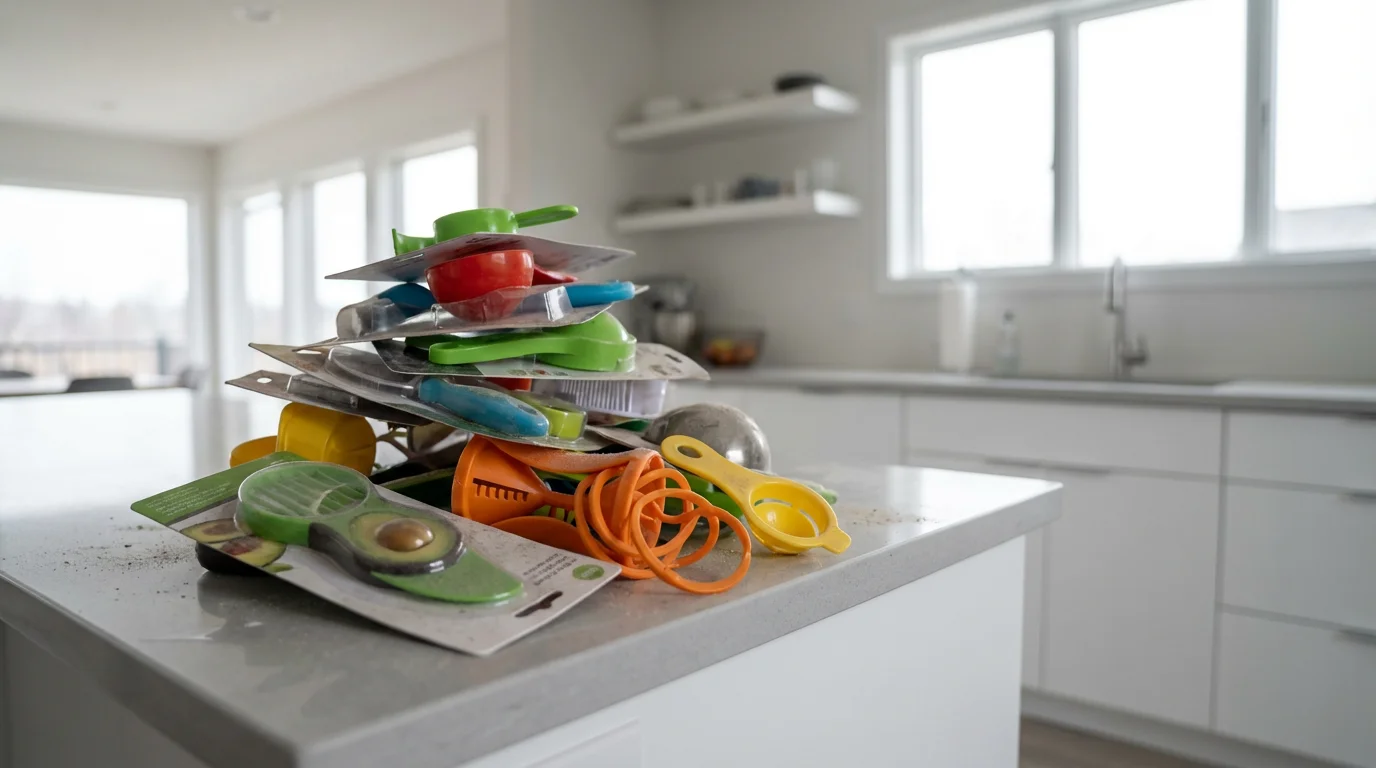
- Overspending on Single-Use Gadgets: Resist the urge to buy a strawberry huller, avocado slicer, or banana holder. Most tasks can be accomplished with a good knife and cutting board.
- Neglecting Storage Solutions: Your beautiful new tools will quickly become a messy pile without proper storage for food and equipment. This leads to food waste and a cluttered environment.
- Not Considering Your Cooking Habits: If you rarely bake, you do not need an expensive stand mixer right away. If you mostly eat takeout, start with truly minimal essentials. Buy for your current needs, not an aspirational chef you might become.
- Forgetting Safety Essentials: Oven mitts, a fire extinguisher, and proper knife storage are not exciting purchases, but they are critical for a safe kitchen.
Building Your Kitchen on a Budget
You can create a highly functional kitchen without breaking the bank. Smart budgeting involves prioritizing, looking for sales, and considering second-hand options for certain items.
Budget-Friendly Strategies
- Prioritize Core Essentials: Focus your spending on the non-negotiables: a good chef’s knife, one versatile skillet, and one saucepan. These are the tools you use daily.
- Embrace Stainless Steel and Cast Iron: These materials often offer excellent durability and performance at accessible prices compared to high-end non-stick or specialty cookware.
- Buy Individually, Not in Sets: While a set might look like a deal, you typically get a few good pieces and several mediocre ones. Buying individual items allows you to allocate your budget to the pieces that matter most.
- Look for Sales and Discounts: Major retailers frequently offer sales on kitchenware. Timing your purchases around holidays or promotional events can save you significant money.
- Consider Refurbished or Open-Box Items: For small appliances, look into reputable sellers of refurbished goods. Often, these items come with a warranty and offer substantial savings.
- Don’t Be Afraid of Basics: Simple items like a sturdy wooden spoon or a basic whisk perform just as well as their fancier counterparts.
| Category | Recommended Item (Budget/Value) | Approx. Price Range | Why It’s Essential |
|---|---|---|---|
| Cookware | Lodge 10.25-inch Cast Iron Skillet | $25 – $35 | Versatile for searing, frying, baking. Extremely durable. |
| Cookware | T-fal Unlimited Titanium Nonstick Fry Pan, 10-inch | $40 – $50 | Easy cooking and cleanup for eggs, delicate foods. |
| Cookware | Cuisinart MultiClad Pro Stainless Steel 3-Quart Saucepan | $70 – $90 | Essential for sauces, grains, boiling. Even heating. |
| Knives | Victorinox Fibrox Pro 8-inch Chef’s Knife | $45 – $60 | The single most important knife. Sharp, comfortable, great value. |
| Knives | Victorinox 3.25-inch Paring Knife | $10 – $12 | For small, precise tasks like peeling. |
| Prep Tools | Pyrex 2-Cup Measuring Cup & SS Measuring Spoons/Cups | $25 – $40 | Accurate measurements for successful recipes. |
| Prep Tools | Plastic Cutting Boards (set of 2) | $20 – $40 | Protects counters, prevents cross-contamination. |
| Utensils | OXO Good Grips Tongs (9-inch & 12-inch) | $20 – $30 | Your versatile “extra hands” in the kitchen. |
| Utensils | Silicone Spatula & Slotted Turner | $15 – $25 | For scraping, mixing, and flipping. Protects non-stick pans. |
| Small Appliance | Cuisinart Smart Stick Immersion Hand Blender | $50 – $60 | Purees soups, makes smoothies, saves space. |
Frequently Asked Questions
What is the absolute bare minimum I need for a first kitchen?
For the absolute bare minimum, you need one sharp chef’s knife, one cutting board, one versatile 10-inch pan (like cast iron or non-stick), one 3-quart saucepan, a large spoon, a spatula, and measuring cups/spoons. This allows you to prepare most simple meals.
Should I buy a knife set or individual knives?
We recommend buying individual knives. While sets seem convenient, they often include unnecessary knives and compromise on the quality of the essential ones. Invest in a high-quality chef’s knife, a paring knife, and a serrated utility knife separately for much better performance and longevity.
How much should I budget for first kitchen essentials?
A basic, functional first kitchen with quality essential items can range from $300 to $600. Opting for more premium versions or additional small appliances can push this to $800-$1,500. Focus on getting the best quality you can afford for core items like knives and primary cookware.
What’s the difference between “value pick” and “budget pick”?
A budget pick prioritizes the lowest possible price while still offering acceptable quality for a new cook. A value pick offers the best balance of quality, performance, and durability for its price, making it an excellent investment for most people, even if it costs a bit more than the cheapest option.
Disclaimer: Product prices, features, and availability change frequently. Prices shown were accurate at time of writing but may have changed. We may earn a small commission from purchases made through links on this site, at no extra cost to you. Always verify current pricing and specifications on the retailer’s website before purchasing.

Leave a Reply