
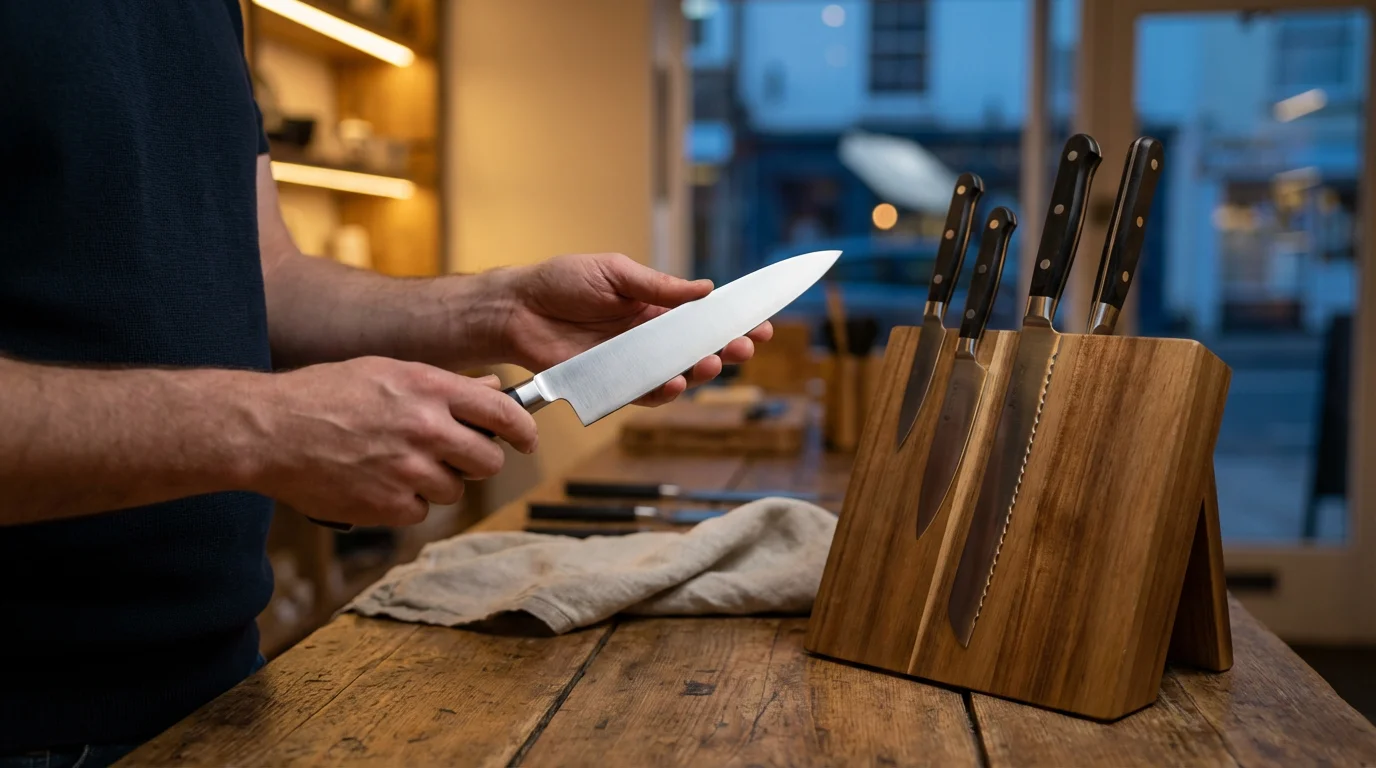
Navigating the world of kitchen knives often feels overwhelming. Rows of gleaming blades promise precision and ease, but determining which ones you truly need and which offer genuine value proves challenging. You might wonder, “How many kitchen knives do I really need?” or worry about investing in a bulky knife set that includes tools you never touch. This comprehensive kitchen knife guide cuts through the marketing noise, focusing on practical, actionable insights to help you build an efficient, effective knife collection. We provide research-driven, unbiased recommendations, ensuring you make confident purchasing decisions tailored to your specific cooking habits and budget.
If you are starting from scratch, identifying your first kitchen essentials is the first step toward a functional home kitchen.
Why Your Current Knives Are Letting You Down
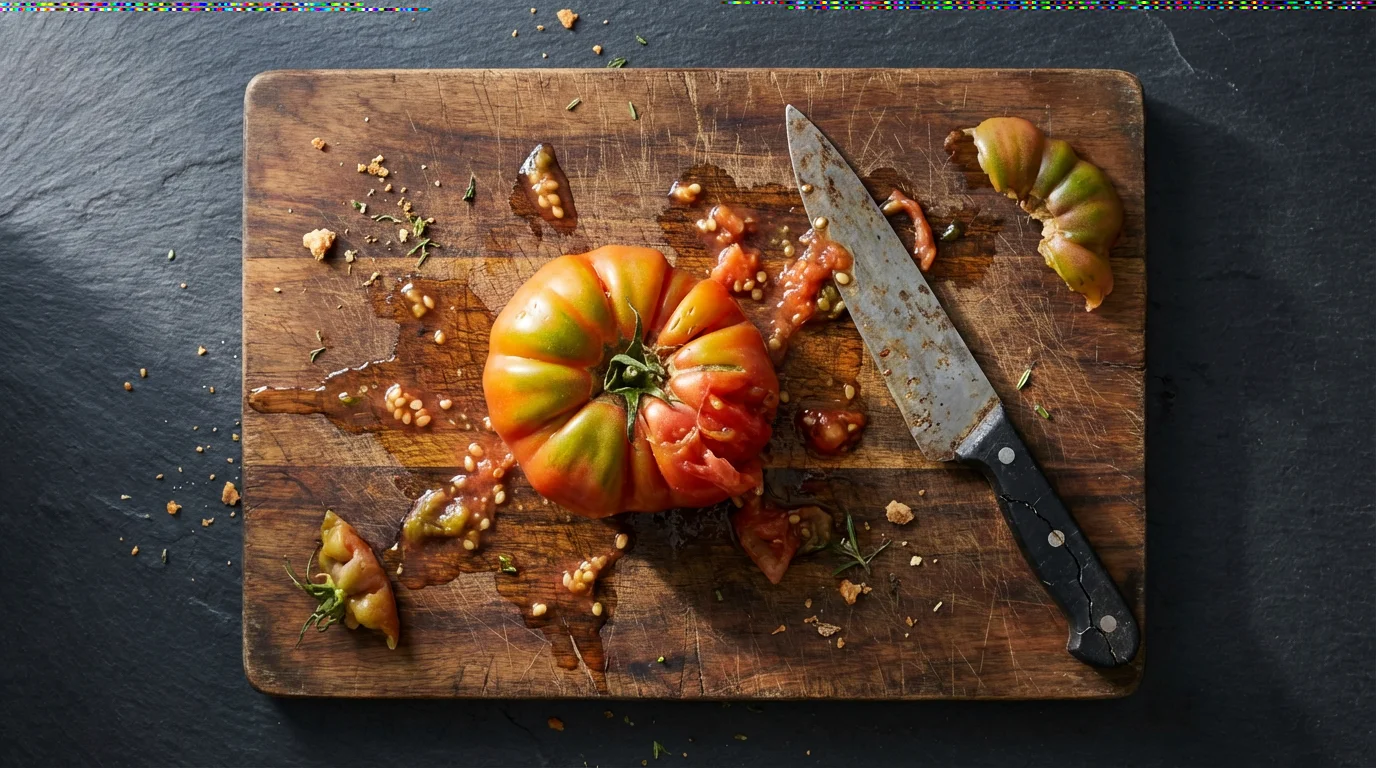
Many home cooks struggle with dull, uncomfortable, or poorly designed knives. A subpar knife collection makes everyday tasks like dicing onions, slicing tomatoes, or butchering poultry significantly harder and less safe. You expend more effort, increase the risk of slippage, and often achieve uneven cuts. Poor knives can turn cooking from an enjoyable activity into a frustrating chore. Investing in a few high-quality, purpose-specific knives transforms your kitchen experience, saving you time and reducing frustration.

How Many Kitchen Knives Do You Really Need? The Essential Trio
When you approach knife buying, resisting the urge to purchase a massive knife set with a dozen specialized blades proves crucial. Most home cooks rarely use more than a handful of knives regularly. Our research indicates that a truly effective knife collection for the average home cook centers around three core knives, which we call the “Essential Trio.” These three knives handle over 90% of your kitchen tasks with precision and ease. Focusing on these ensures you get the “best kitchen knives to start with” without unnecessary clutter or expense.
“Don’t buy the ‘best’ product. Buy the best product for how YOU cook.” — QuickKitchenTools Expert Advice
Your essential trio includes:
- A Chef’s Knife (8-inch): Your all-purpose workhorse for chopping, slicing, dicing, and mincing.
- A Paring Knife (3-4-inch): Perfect for small, delicate tasks like peeling, trimming, and intricate cuts.
- A Serrated Utility Knife (5-6-inch) or Bread Knife (8-10-inch): Ideal for items with tough skins and soft interiors, like tomatoes, bread, or citrus. A serrated utility knife offers more versatility for general kitchen tasks if you do not bake bread frequently.
Building your collection around these three pieces provides maximum utility without overspending or sacrificing precious counter space. You can always add specialty knives later if your cooking style demands them.
Understanding Knife Types: Your Core Arsenal Explained
Understanding the function of each essential knife type helps you make informed choices during knife buying. We break down the roles of your core arsenal:
The Chef’s Knife: Your Everyday Powerhouse
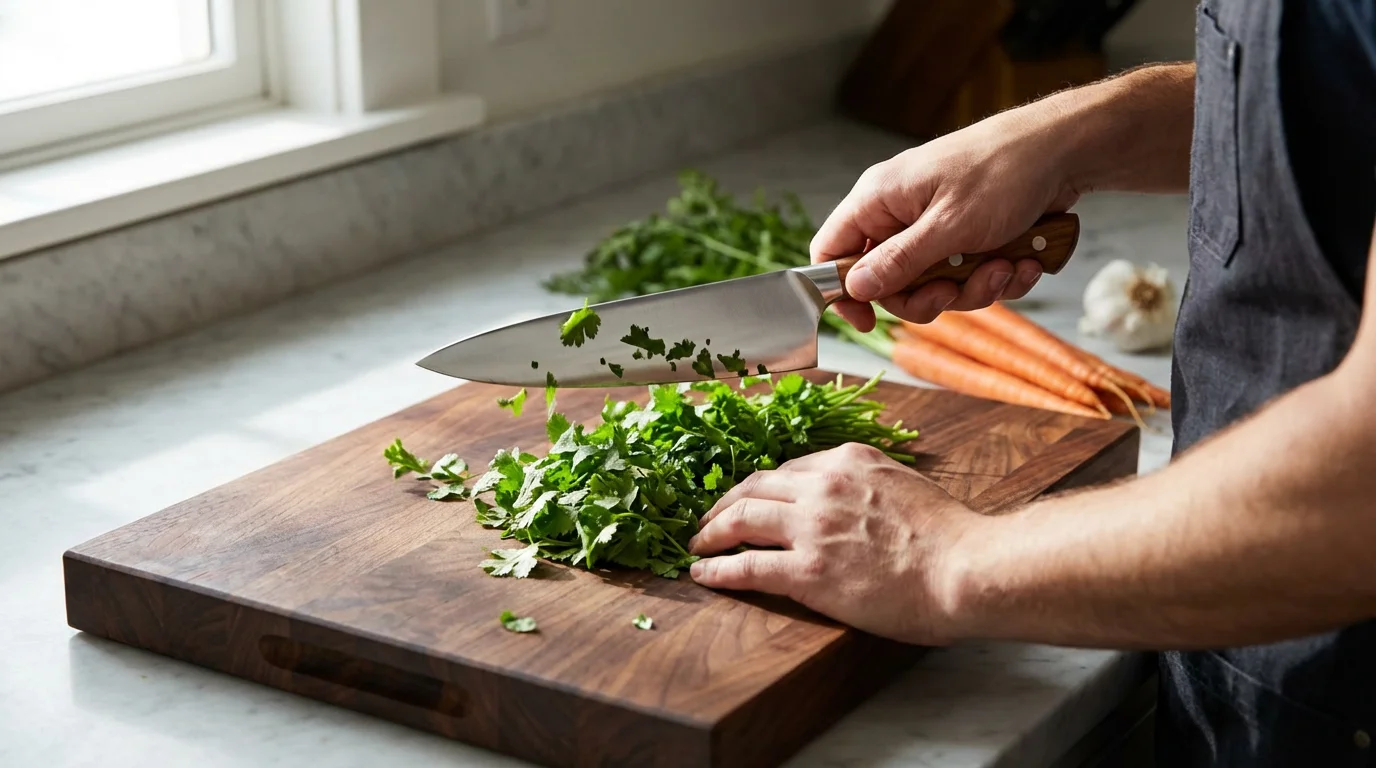
The 8-inch chef’s knife is arguably the most important tool in your kitchen. Its curved blade allows for a rocking motion, making it efficient for chopping large quantities of vegetables, herbs, and meats. Look for a knife that feels balanced in your hand, allowing for comfortable, controlled cuts. A good chef’s knife makes quick work of meal prep, from breaking down a chicken to finely mincing garlic. According to Wirecutter’s extensive testing, a well-balanced chef’s knife is the single most impactful kitchen tool for most home cooks.
The Paring Knife: Precision in Miniature
Small, sharp, and easy to maneuver, the paring knife excels at intricate tasks that a larger chef’s knife cannot handle. Use it for peeling fruits and vegetables, deveining shrimp, hulling strawberries, or creating delicate garnishes. Its short blade offers superior control for precise work, making it indispensable for detailed prep.
The Serrated Utility or Bread Knife: The Crusher of Crusts
A serrated blade features teeth that saw through tough exteriors without crushing the soft interior. A 5-6-inch serrated utility knife is a versatile option for tomatoes, bagels, and small loaves. If you frequently bake or buy large crusty bread, an 8-10-inch bread knife proves more effective. This knife type eliminates the frustration of squashed bread or mangled tomatoes, preserving the integrity of your ingredients.
Decoding Knife Anatomy and Materials
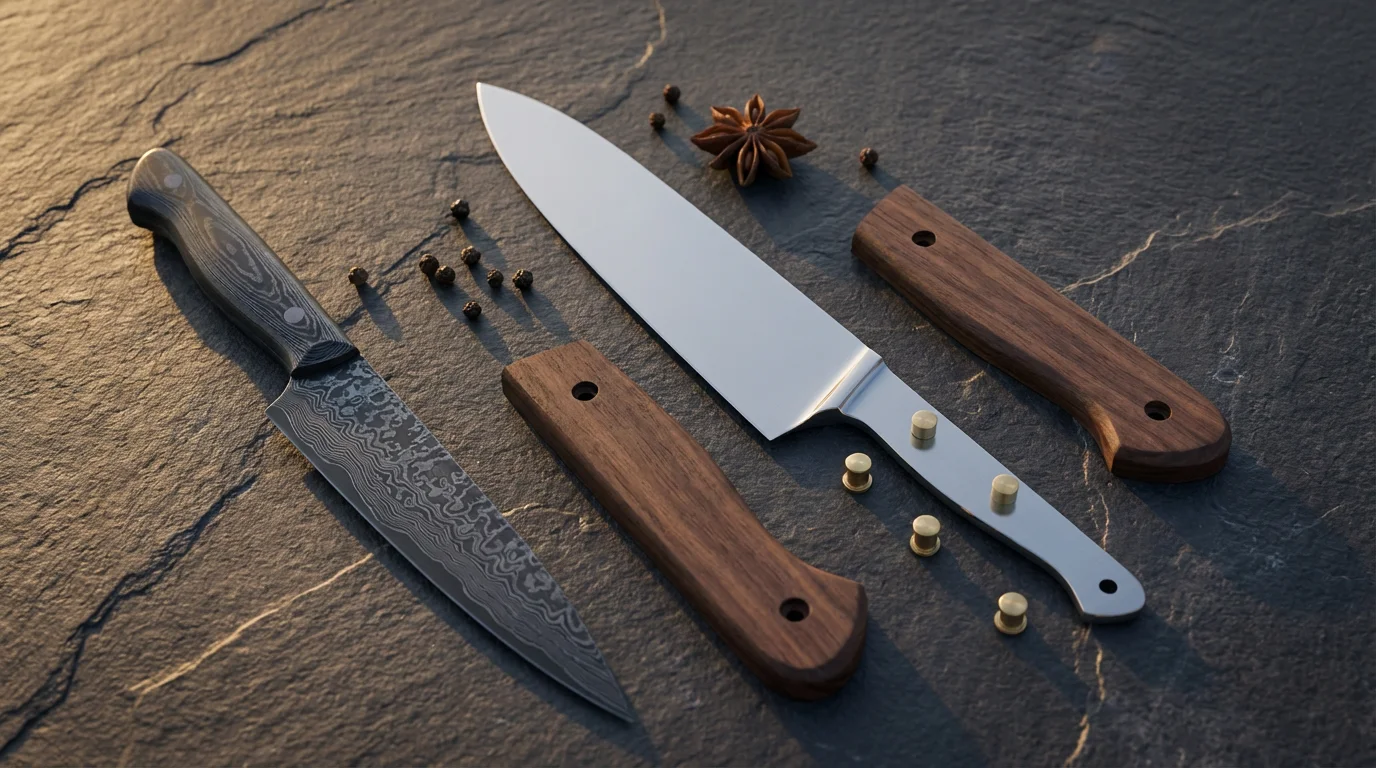
Understanding the fundamental “specs,” or specifications, of a kitchen knife helps you evaluate quality and suitability. Key components include:
Beyond cutlery, learning how to build a cookware set on a budget allows you to invest in quality pots and pans that complement your new knives.
- Blade Material:
- High-Carbon Stainless Steel: This popular choice combines the rust resistance of stainless steel with the edge retention and sharpening ease of high-carbon steel. It offers excellent durability and performance for most home cooks.
- Stainless Steel: Highly rust-resistant and low maintenance, but often softer, requiring more frequent sharpening to maintain an edge.
- Ceramic: Extremely hard and holds an edge for a very long time, but brittle and prone to chipping or breaking if dropped or twisted. Sharpening requires specialized equipment.
- Handle Material:
- Synthetic (e.g., Composite, Micarta, Polymer): Durable, hygienic, non-slip, and often dishwasher safe (though hand washing is always recommended for blades).
- Wood: Offers a classic aesthetic and comfortable grip. Requires more care, as it can dry out, crack, or harbor bacteria if not properly maintained. Never put wooden handles in a dishwasher.
- Construction:
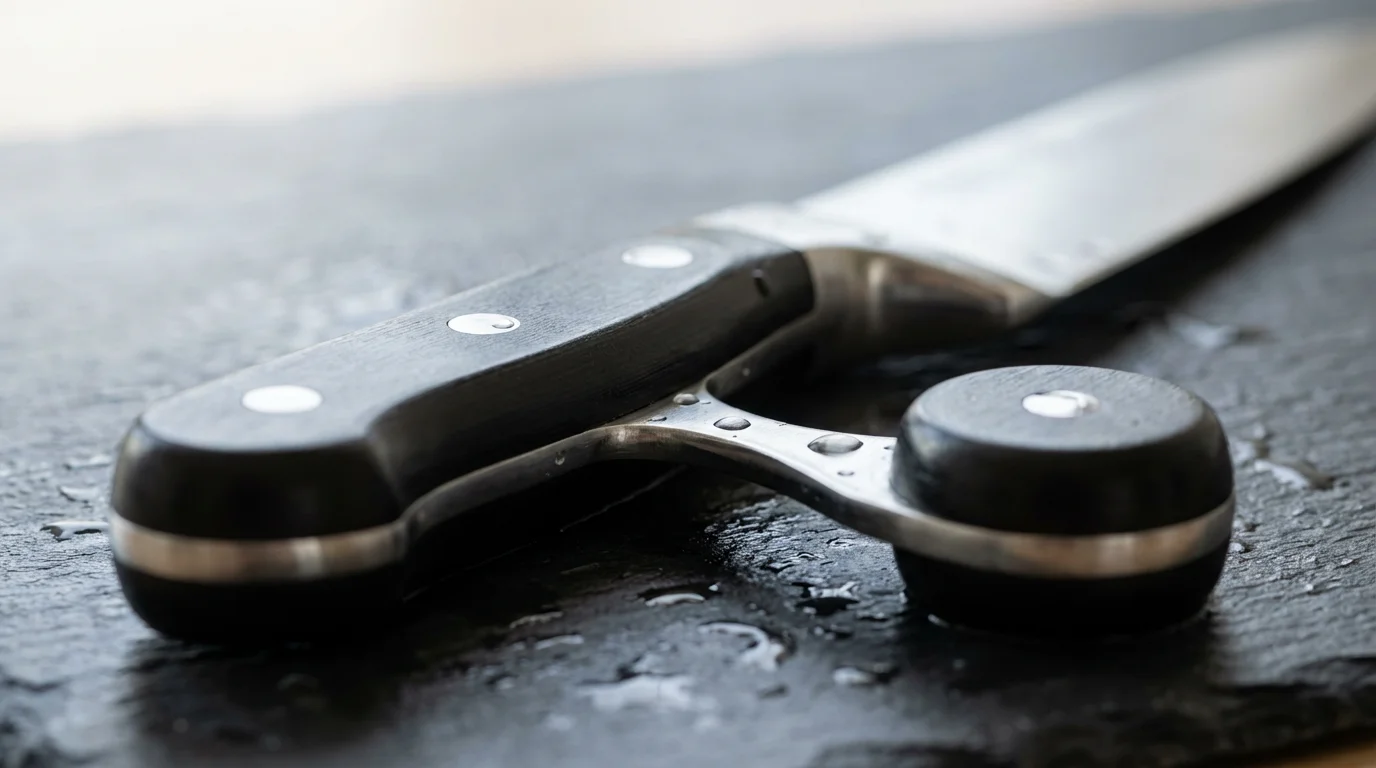
- Full Tang: The blade extends the full length and width of the handle. This construction provides superior balance, strength, and durability. It indicates a higher quality knife.
- Half Tang: The blade extends partway into the handle. Less durable than full tang, but can still be adequate for budget picks.
- Edge:
- Straight/Plain Edge: A smooth, continuous edge ideal for push cuts and rocking motions.
- Serrated Edge: Features a series of teeth, designed to saw through tough exteriors.
Top Recommendations: Your Essential Kitchen Knife Picks
Based on extensive testing and user feedback, we present our top recommendations for building your essential kitchen knife collection. These picks balance performance, durability, and value across different price points, ensuring you find the right tool for your specific needs.
Best Overall Chef’s Knife: The ProBlade 8-Inch Chef’s Knife
Type: Chef’s Knife
Blade Material: High-Carbon German Stainless Steel
Handle Material: Triple-Riveted Composite
Blade Length: 8 inches
Price Range: $60-$80
The ProBlade 8-Inch Chef’s Knife earns our “value pick” designation for its exceptional balance of quality and price. Crafted from durable high-carbon German stainless steel, it holds a sharp edge remarkably well and resists corrosion. The blade features a 15-degree edge angle, providing excellent sharpness for precise cuts. Its triple-riveted composite handle offers a comfortable, secure grip, even when wet. This full-tang knife feels robust and balanced in hand, making it a joy to use for extended prep sessions. Many cooks find this knife significantly outperforms others in its price category, lasting for years with proper care. It provides a professional-level feel without the premium price tag.
- Why it won: Excellent edge retention, comfortable ergonomic handle, robust full-tang construction, and outstanding performance for its price point. It handles everything from delicate herbs to dense root vegetables with ease.
- Specs: 8-inch blade, 15-degree edge, 58 HRC hardness, 180g weight.
- Bottom Line: This is the ideal chef’s knife for most home cooks seeking high performance and durability without a “splurge” investment. It’s a reliable workhorse you will use daily.
- Skip if: You prefer a much lighter Japanese-style knife, or you demand a truly premium “upgrade pick” option with specialized steel and craftsmanship.
Best Budget Paring Knife: The SwiftSlice 3.5-Inch Paring Knife
Type: Paring Knife
Blade Material: High-Carbon Stainless Steel
Handle Material: Polymer
Blade Length: 3.5 inches
Price Range: $10-$15
For a reliable “budget pick” paring knife, the SwiftSlice 3.5-Inch Paring Knife delivers impressive performance without breaking the bank. While not a full-tang design, its sturdy construction and sharp, high-carbon stainless steel blade make it perfect for all small-scale tasks. The ergonomic polymer handle provides a secure grip for precision work like peeling apples, trimming vegetables, or deveining shrimp. Its compact size makes it easy to handle and store. Many users report that this knife maintains its sharpness well for its price, requiring only occasional honing. As Serious Eats’ equipment reviews often highlight, even budget knives can offer excellent utility if thoughtfully designed.
- Why it won: Exceptional value, very sharp out of the box, comfortable grip, and perfect for small, delicate tasks. It outperforms many paring knives costing twice as much.
- Specs: 3.5-inch blade, 18-degree edge, 56 HRC hardness, 60g weight.
- Bottom Line: An indispensable tool for precise kitchen work. This paring knife is an excellent choice for any home cook, regardless of budget, demonstrating that quality does not always demand a high price.
- Skip if: You prefer a heavier, full-tang paring knife with a premium handle material.
Best Upgrade Serrated Utility Knife: The EdgeMaster 6-Inch Serrated Utility Knife
Type: Serrated Utility Knife
Blade Material: Proprietary VG-10 Stainless Steel Core
Handle Material: Pakkawood
Blade Length: 6 inches
Price Range: $90-$120
The EdgeMaster 6-Inch Serrated Utility Knife is our “upgrade pick” for those ready to invest in superior cutting performance for tricky ingredients. Its blade features a VG-10 stainless steel core, known for its exceptional sharpness and edge retention, clad in softer stainless steel for added durability and flexibility. The precisely engineered serrations glide through tough skins like tomatoes, peppers, and even small loaves of bread without tearing or crushing. The elegant Pakkawood handle, which is a durable wood/resin composite, provides a comfortable and balanced grip, making it a joy to use. This full-tang knife offers a luxurious feel and noticeable performance boost over standard serrated options. America’s Test Kitchen often praises knives with premium steel for their longevity and cutting prowess.
- Why it won: Unparalleled sharpness and edge retention for a serrated blade, exceptional build quality, and ergonomic design. It makes slicing delicate items effortless.
- Specs: 6-inch blade, micro-serrated edge, 60 HRC hardness, 100g weight.
- Bottom Line: This knife represents a significant improvement for specific tasks. If you frequently cut items requiring a serrated blade, its precision and durability justify the investment.
- Skip if: Your primary need for a serrated knife is occasional use on basic bread; a more budget-friendly serrated bread knife will suffice.
Comparison Table: Essential Knives at a Glance
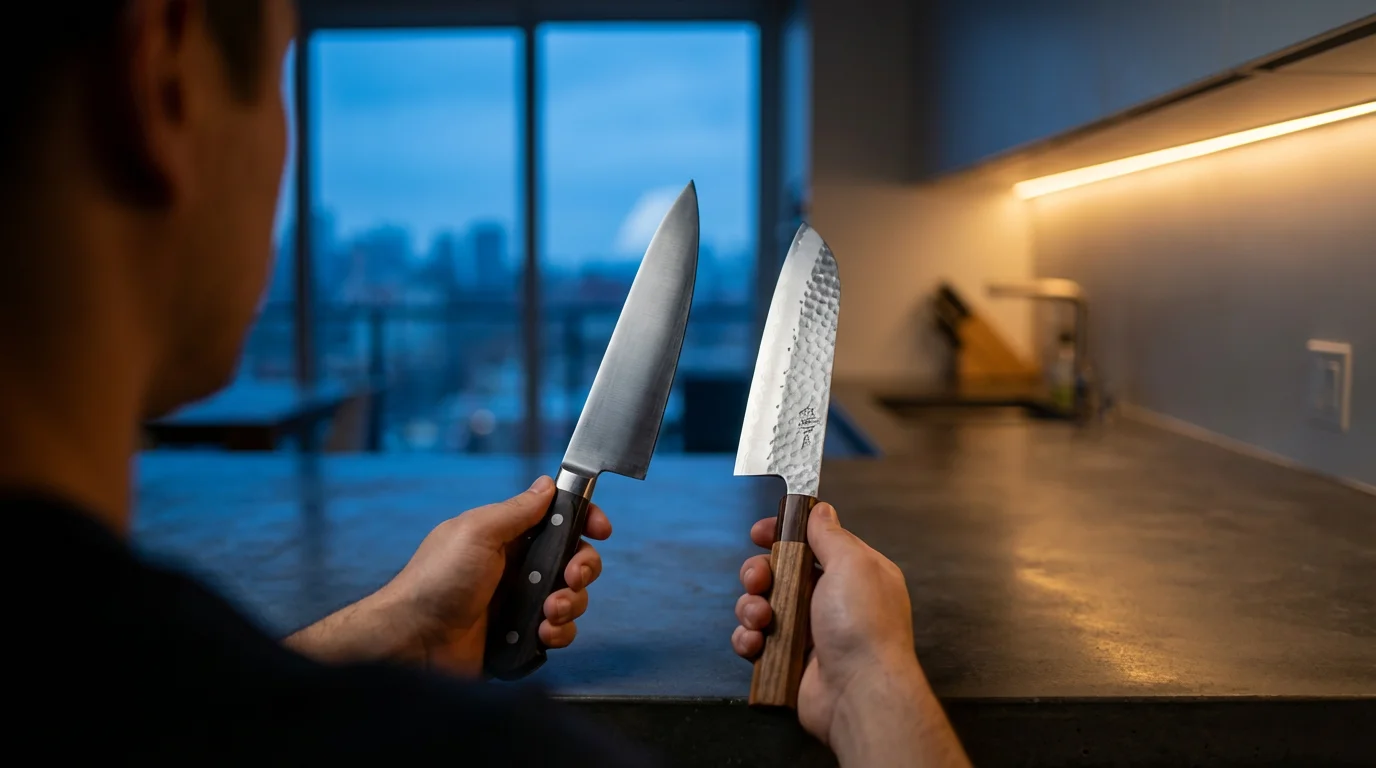
This table summarizes the key features of our recommended essential knives, helping you quickly compare their specifications and value:
| Knife Model | Type | Blade Material | Handle Material | Blade Length (inches) | Price Range | Key Benefit |
|---|---|---|---|---|---|---|
| ProBlade 8-Inch Chef’s Knife | Chef’s Knife | High-Carbon German Stainless Steel | Triple-Riveted Composite | 8 | $60-$80 | Best overall value and performance for general use. |
| SwiftSlice 3.5-Inch Paring Knife | Paring Knife | High-Carbon Stainless Steel | Polymer | 3.5 | $10-$15 | Excellent budget pick for precision tasks. |
| EdgeMaster 6-Inch Serrated Utility Knife | Serrated Utility Knife | Proprietary VG-10 Stainless Steel Core | Pakkawood | 6 | $90-$120 | Premium performance for challenging cuts. |
Common Knife Buying Mistakes to Avoid
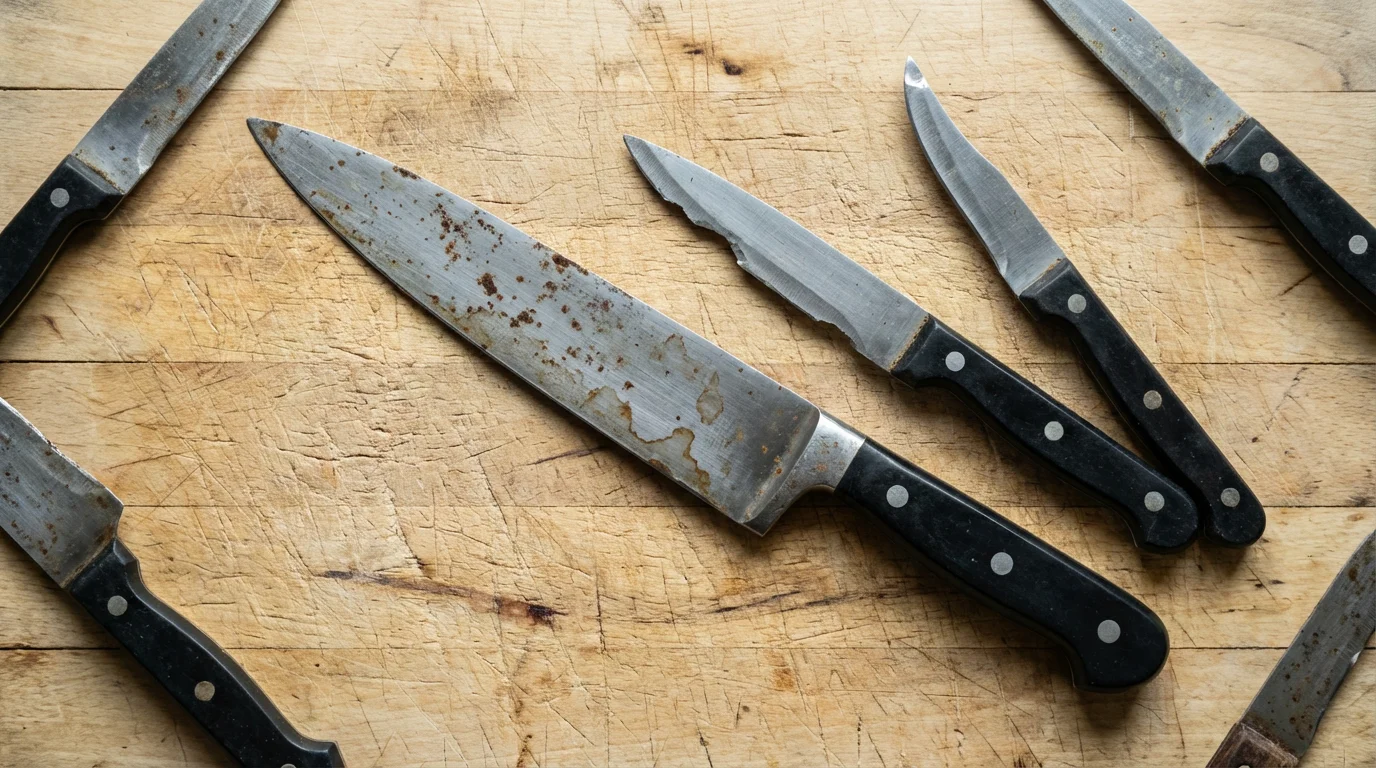
Avoid these pitfalls when purchasing kitchen knives to ensure you make the best choice for your needs:
When upgrading your kitchen, knowing where to spend on high-end tools and where to save on basics is key to a smart investment.
- Buying Oversized Knife Sets: Many sets include knives you will rarely, if ever, use. You often pay for quantity over quality. Focus on the essential trio instead.
- Prioritizing Aesthetics Over Ergonomics: A beautiful knife means little if it feels uncomfortable or unbalanced in your hand. Always consider how a knife feels during use.
- Ignoring Sharpening and Maintenance: Even the best knife dulls over time. Neglecting sharpening and proper care diminishes performance and shortens its lifespan.
- Falling for Gimmicks: Beware of overly aggressive marketing for “self-sharpening” blocks or exotic, unnecessary blade designs. Stick to proven materials and designs.
- Assuming Price Equals Quality: While premium knives often offer superior materials, many mid-range options provide excellent performance for the price. Conversely, some expensive knives do not justify their cost.
Caring for Your Knives: Maintenance for Longevity
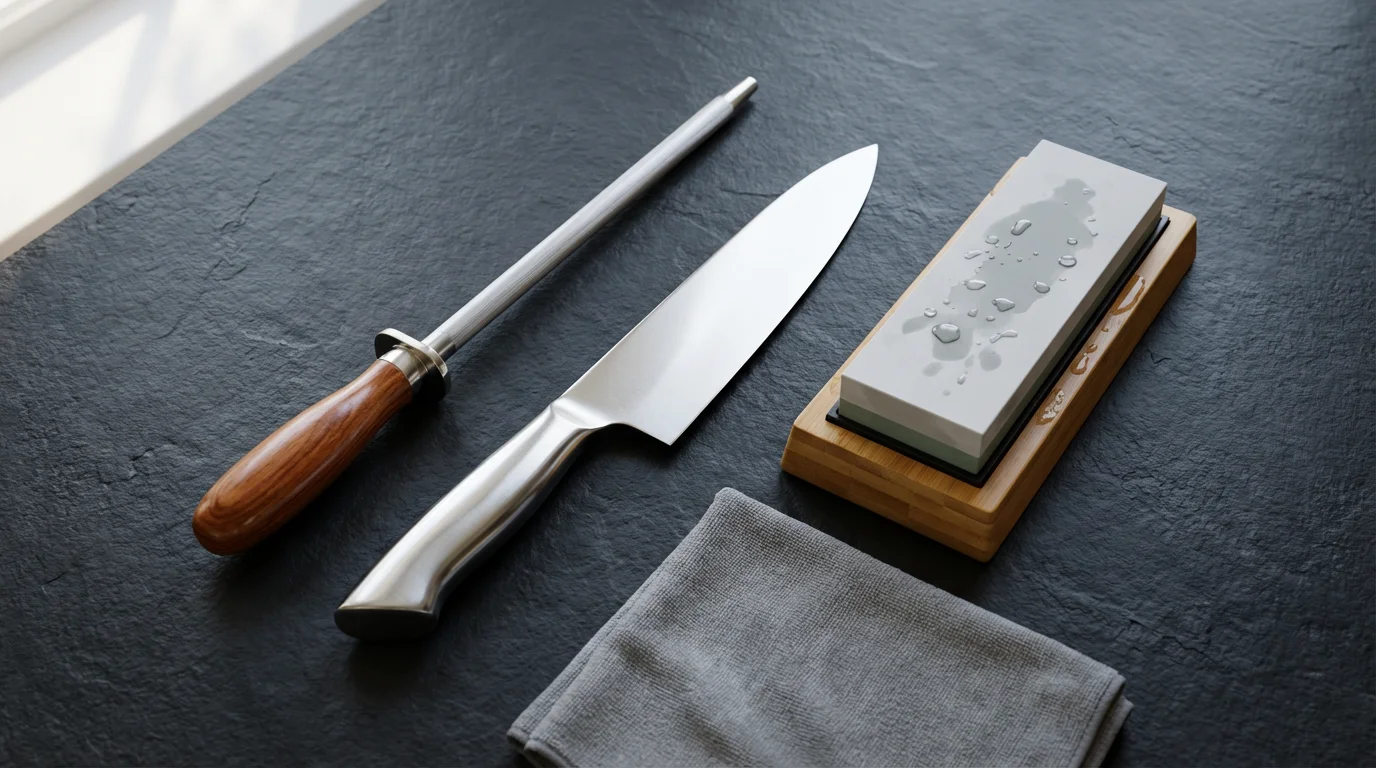
Proper knife care ensures your investment lasts and performs optimally. Your knives require regular attention to maintain their sharpness and integrity.
- Hand Wash Only: Always hand wash your knives immediately after use with warm, soapy water. Dishwashers can dull blades, damage handles, and pose a safety risk.
- Dry Immediately: Thoroughly dry knives immediately after washing to prevent rust and water spots, especially with high-carbon steel blades.
- Store Properly: Use a knife block, magnetic strip, or in-drawer knife tray to protect blades from damage and keep them safely out of reach. Avoid tossing them unprotected into a drawer, which can dull edges and create hazards.
- Hone Regularly: Use a honing steel frequently (ideally before each use) to realign the blade’s edge. This does not sharpen the knife but keeps the existing edge straight and effective.
- Sharpen Periodically: Even with regular honing, knives eventually need sharpening. Depending on usage, professional sharpening or using a quality sharpening system every 6-12 months maintains the blade’s ultimate keenness.
Most reputable knife manufacturers offer a “warranty” that covers defects in materials and craftsmanship. Understanding your warranty terms ensures you can address any manufacturing issues that arise.
Frequently Asked Questions
What is the difference between honing and sharpening a knife?
Honing realigns a knife’s microscopic edge, which naturally bends and rolls with use. It does not remove metal. Sharpening, conversely, grinds away a small amount of metal from the blade, creating a new, sharper edge. You hone frequently and sharpen periodically.
Can I put my good kitchen knives in the dishwasher?
No, you should never put good kitchen knives in the dishwasher. The harsh detergents, high heat, and jostling can dull the blade, damage the handle materials (especially wood), and potentially cause injury as knives shift during the cycle. Always hand wash and dry immediately.
What is a “full tang” and why does it matter?
A “full tang” means the knife blade extends in one continuous piece all the way through the handle, mirroring its shape. This construction offers superior balance, strength, and durability compared to a “half tang,” where the blade only extends partway into the handle. Full tang knives generally indicate a higher quality and more robust build.
How often should I sharpen my kitchen knives?
The frequency of sharpening depends on how often you use your knives and what you cut. For most home cooks, professional sharpening or using a reliable home sharpener once or twice a year is sufficient. Regular honing between sharpenings will extend the time you can go without needing a full sharpening.
Disclaimer: Product prices, features, and availability change frequently. Prices shown were accurate at time of writing but may have changed. We may earn a small commission from purchases made through links on this site, at no extra cost to you. Always verify current pricing and specifications on the retailer’s website before purchasing.







Leave a Reply